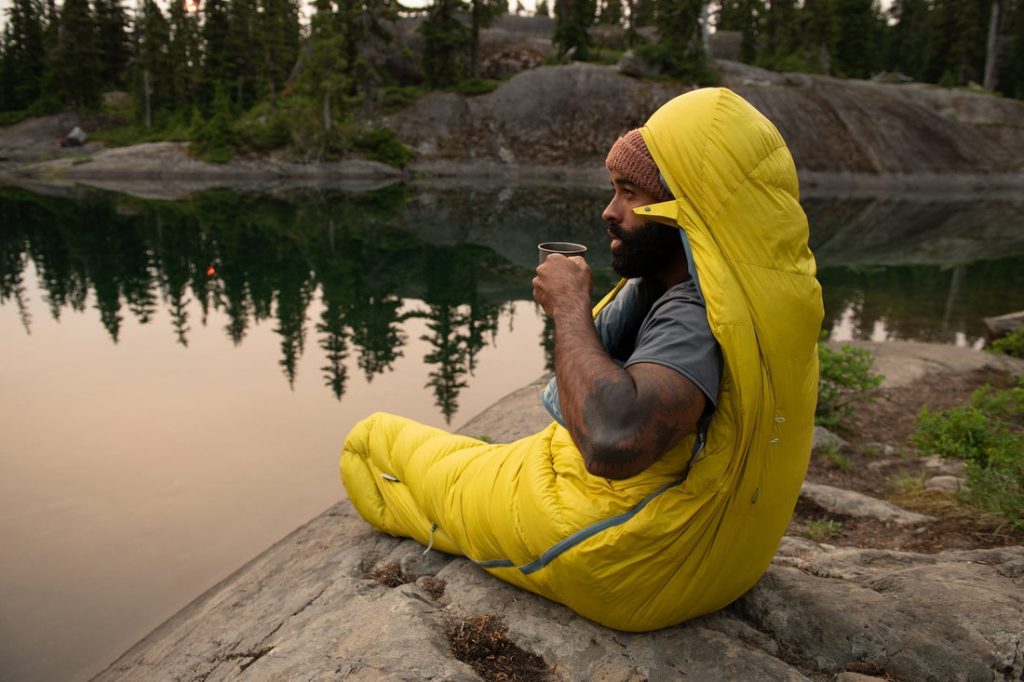
You love your sleeping bag—it’s your cozy companion on every adventure. But over time, dirt, sweat, and odors build up, making it less fresh and comfy.
You might wonder, “How do I wash a sleeping bag without ruining it? ” The answer isn’t as tricky as you think. In this guide, you’ll discover simple, effective steps to clean your sleeping bag safely. By the end, you’ll know exactly how to keep it fresh, soft, and ready for your next trip.
Let’s get your sleeping bag feeling like new again!

Credit: www.halfwayanywhere.com
Choosing The Right Washing Method
Washing a sleeping bag correctly keeps it clean and lasts longer. You must pick the right way to wash it. Some sleeping bags do well in machines. Others need gentle hand washing.
Knowing how to wash your sleeping bag helps keep its warmth and shape. The washing method depends on the material and care instructions.
Machine Wash Vs Hand Wash
Machine washing is fast and easy. It works well for durable sleeping bags. Hand washing is gentle. It suits delicate bags or those with special fillings.
- Machine wash uses a front-loading washer on a gentle cycle.
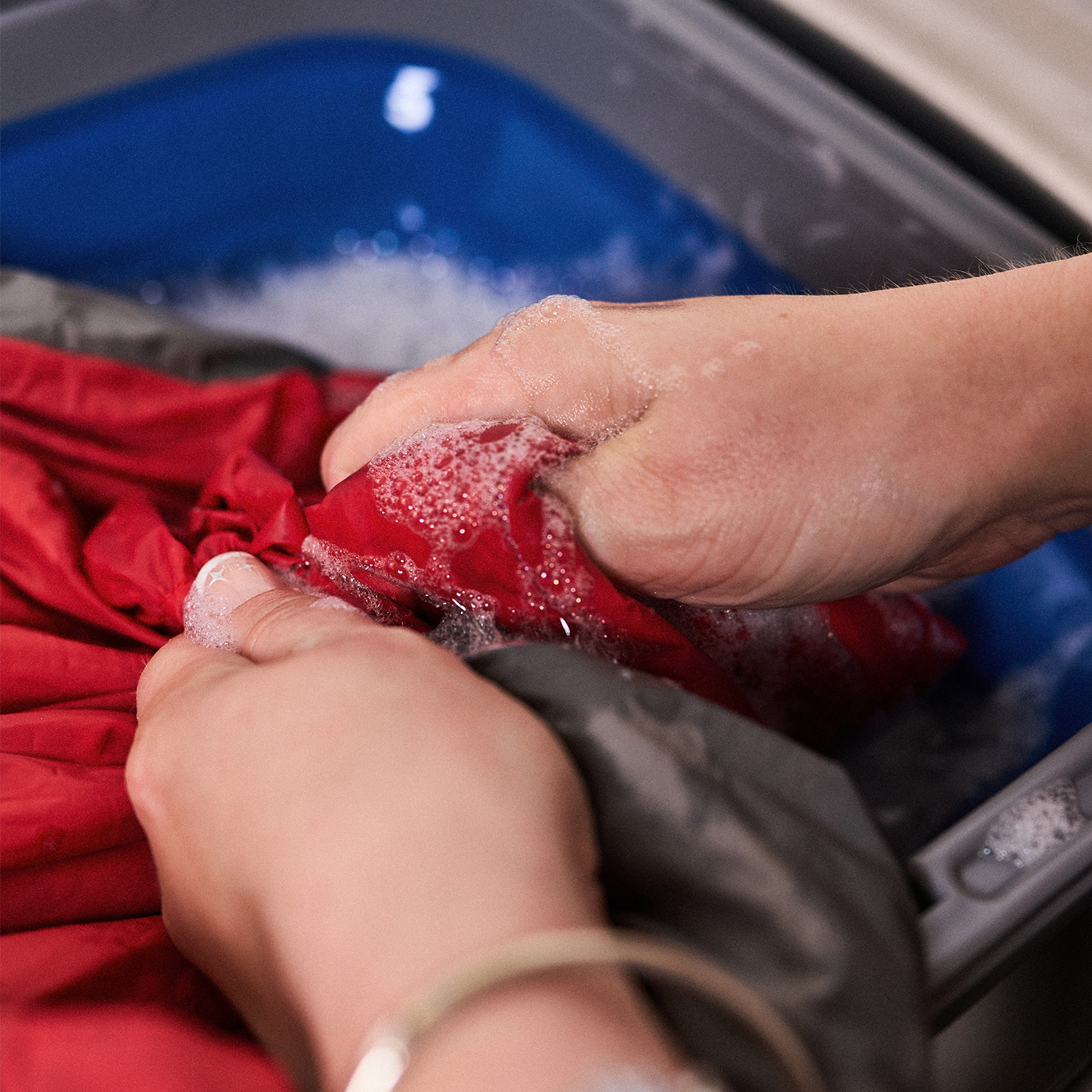
- Hand wash needs soaking and light scrubbing with a soft brush or cloth.
- Machine washing dries faster but can harm some fabrics.
- Hand washing takes more time but protects the bag better.
Check The Care Label
Always read the care label before washing. It shows the best way to clean your sleeping bag. The label tells if machine washing is safe or if hand washing is needed.
| Label Symbol | Meaning |
| Washing tub with number | Safe machine wash temperature |
| Hand in tub | Hand wash only |
| Triangle crossed out | No bleach |
| Square with circle crossed out | No tumble dry |
Selecting The Best Detergent
Choose a detergent made for delicate fabrics or outdoor gear. Avoid regular detergents with strong chemicals. They can damage the bag’s insulation.
- Use a mild, non-detergent soap.
- Avoid bleach and fabric softeners.
- Look for detergents that say “down safe” or “technical wash.”
- Rinse well to remove all soap residue.
Credit: www.ellis-brigham.com
Preparing The Sleeping Bag
Cleaning a sleeping bag starts with good preparation. This helps protect the fabric and filling.
Follow simple steps before washing to keep your sleeping bag in good shape for years.
Empty All Pockets And Shake Out Debris
Remove all items from the sleeping bag pockets. Small objects can damage the bag or washing machine.
- Check every pocket carefully
- Turn the bag upside down and shake it gently
- Brush off dirt, leaves, or sand
- Use a vacuum for stubborn debris
Zip Up And Secure Fasteners
Close all zippers before washing to avoid snags and damage.
| Fastener Type | Why Secure? |
| Zippers | Prevent snagging fabric and breaking teeth |
| Velcro | Stop catching on the bag material |
| Buttons or Snaps | Keep the bag closed and clean |
Spot Cleaning Stains
Remove stains before washing to avoid set-in marks. Use mild soap and water for best results.
- Mix a little gentle soap with warm water
- Use a soft cloth or sponge on the stain
- Gently rub without damaging fabric
- Rinse with clean water and let dry before washing
Washing The Sleeping Bag
Washing a sleeping bag keeps it clean and fresh. Proper care helps keep its warmth and shape.
Use the right washing method to avoid damage. Follow simple steps for the best results.
Using A Front-loading Washer
Choose a front-loading washer if possible. It is gentler on your sleeping bag than top loaders.
Make sure the washer is large enough to hold your sleeping bag comfortably. Avoid tight spaces to prevent tearing.
Gentle Cycle Settings
Always use the gentle or delicate cycle. This setting uses slow spin and less agitation.
- Pre-treat any stains with mild soap
- Use a small amount of gentle detergent
- Skip fabric softeners and bleach
- Rinse twice to remove all soap
Water Temperature Tips
| Water Temperature | Reason |
| Cold | Protects insulation and fabric |
| Warm | Helps remove dirt without damage |
| Hot | Can harm down or synthetic fill |
Use cold or warm water only. Hot water can ruin the sleeping bag’s filling and outer fabric.

Credit: www.gearaid.com
Drying Your Sleeping Bag
After washing your sleeping bag, drying it properly is very important. Drying keeps the insulation safe and ready for your next trip.
Using the right drying method helps keep your sleeping bag warm and fluffy. Let’s look at some good ways to dry it.
Tumble Drying On Low Heat
Use a dryer with low heat to dry your sleeping bag. High heat can damage the fabric and insulation.
Put the sleeping bag in the dryer and set it to the lowest heat setting. Check it often to avoid overheating.
- Use low heat or air fluff setting
- Dry in short cycles to prevent damage
- Add clean tennis balls to help fluff the bag
- Stop drying if the bag feels hot
Air Drying Techniques
Air drying is gentle and safe for your sleeping bag. Find a dry, shaded place to hang it.
Spread the sleeping bag flat or hang it evenly to dry both sides. Turn it often to speed drying.
- Avoid direct sunlight to prevent fabric damage
- Use a clothesline or drying rack
- Flip and shake the bag every few hours
- Ensure the bag is fully dry before storing
Fluffing To Restore Loft
Fluffing brings back the sleeping bag’s warm, puffy feel. It helps the insulation work well again.
You can fluff your sleeping bag by hand or in the dryer with low heat and tennis balls. This breaks up clumps inside.
- Gently shake and pat the bag
- Use clean tennis balls in dryer to lift insulation
- Fluff regularly during drying
- Check that loft returns before storing
Maintaining Freshness Between Washes
Keeping your sleeping bag fresh is important for comfort and hygiene. Washing it too often can damage the insulation. Use simple methods to maintain cleanliness and freshness.
These tips help you keep your sleeping bag in good shape between washes. They reduce odors and dirt buildup with little effort.
Using A Sleeping Bag Liner
A sleeping bag liner protects your bag from sweat, dirt, and oils. It is easier to wash than the sleeping bag itself. Liners also add a layer of warmth and comfort.
- Choose liners made from breathable materials like cotton or silk.
- Wash liners after every few uses or when they smell.
- Use liners to extend the time between washing your sleeping bag.
Proper Storage Tips
Storing your sleeping bag correctly helps keep it fresh and in good condition. Avoid compressing the bag for long periods. Use a large, breathable storage sack or hang it up.
| Storage Method | Benefits | What to Avoid |
|---|---|---|
| Loose Storage Bag | Maintains loft and insulation | Keep away from damp places |
| Hanging in Closet | Prevents compression and wrinkles | Avoid direct sunlight to prevent fading |
| Compression Sack | Save space for travel | Do not store long-term compressed |
Regular Airing Out
Air out your sleeping bag after every trip. Fresh air helps remove moisture and odors. Doing this regularly keeps the bag dry and fresh.
Try these airing tips:
- Lay the sleeping bag flat or hang it in a shaded, ventilated area.
- Keep it away from direct sunlight to protect the fabric.
- Allow it to air for several hours before packing it away.
Frequently Asked Questions
How Often Should I Wash My Sleeping Bag?
Wash your sleeping bag after every 3 to 4 uses or if it smells. Frequent washing can damage insulation. Spot clean small stains to extend time between washes. Proper cleaning keeps it fresh and maintains performance.
What Is The Best Method To Wash A Sleeping Bag?
Use a front-loading washing machine or hand wash with gentle detergent. Avoid top-loaders with agitators to prevent damage. Wash on a delicate cycle with cold water. Rinse thoroughly and avoid fabric softeners.
Can I Use Regular Detergent To Clean My Sleeping Bag?
No, use a mild detergent designed for down or synthetic insulation. Regular detergents can strip natural oils and reduce loft. Specialized cleaners protect the fabric and filling, preserving warmth and durability.
How Do I Dry My Sleeping Bag Properly?
Air dry your sleeping bag flat or hang it in a shaded area. Use a large dryer on low heat with tennis balls to fluff insulation. Avoid direct sunlight and high heat to prevent damage.
Conclusion
Caring for your sleeping bag ensures a comfortable night’s sleep. Follow the washing steps carefully. Use a gentle detergent and avoid harsh chemicals. Dry your sleeping bag completely before storing it. This helps prevent mold and odor. Regular washing keeps it fresh and cozy.
Proper maintenance extends its lifespan. Your sleeping bag will be ready for your next adventure. Keep it clean and always pack it dry. Happy camping and sweet dreams!