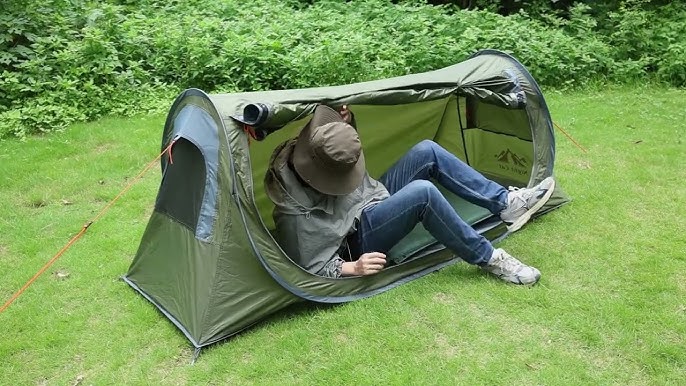
You’ve invested in a great tent, but what happens when the rain starts pouring? A wet tent can ruin your camping trip and leave you cold and uncomfortable.
Knowing how to waterproof your tent means you stay dry, cozy, and ready to enjoy the outdoors no matter the weather. In this guide, you’ll discover simple, effective ways to protect your tent from leaks and dampness. Keep reading, and you’ll learn the exact steps to make sure your shelter stands strong against rain every time you head out.
Choosing The Right Tent Material
Picking the right tent material is key to keeping your tent dry. Good materials help block rain and moisture. They also add strength and durability to your tent.
This guide covers important facts about tent fabrics, waterproof ratings, and seam sealing. These details help you choose a tent that stays dry in wet weather.
Tent Fabrics And Waterproof Ratings
Tent fabrics often come in nylon or polyester. These materials can be coated to improve water resistance. The coating type affects how well your tent keeps water out.
| Fabric Type | Description | Waterproof Rating (mm) |
| Nylon | Lightweight and strong, often coated with silicone or polyurethane. | 1500 – 3000 |
| Polyester | Resists stretching and UV damage, usually coated with polyurethane. | 2000 – 5000 |
| Cotton Canvas | Heavy and breathable, water-resistant when treated. | 500 – 1500 |
Waterproof ratings show how much water the fabric can handle before leaking. Higher numbers mean better water protection. Look for tents with at least 1500 mm for light rain.
Seam Sealing And Taped Seams
Water can enter through the stitching holes in seams. Seam sealing stops this by covering these holes with waterproof tape or glue. Taped seams add an extra layer of protection.
- Seam sealing uses liquid sealant to cover needle holes.
- Taped seams use a waterproof tape over the seam inside the tent.
- Both methods prevent water from leaking through stitching.
- Regular re-sealing helps maintain water resistance.
Check if your tent has factory-taped seams or if you need to seal them yourself. Proper seam sealing makes a big difference in staying dry during rain.

Credit: www.kellykettleusa.com
Preparing Your Tent For Waterproofing
Waterproofing a tent keeps you dry during rainy nights. To get started, you must prepare your tent properly. This involves cleaning and checking it for any damage.
Follow the steps below to ensure your tent is ready for waterproofing. This will help the waterproofing treatment work effectively.
Cleaning Your Tent Properly
Start by cleaning your tent thoroughly. Remove all dirt and debris to allow the waterproofing solution to adhere well.
- Set up your tent in a clean area
- Use a soft brush to remove loose dirt
- Wash with mild soap and water
- Rinse thoroughly with clean water
- Let it dry completely before applying waterproofing
Checking For Damage And Wear
Inspect your tent for any signs of damage. Look for holes, tears, or worn areas that might need repair.
Conduct a thorough check:
- Examine the tent seams for splits
- Check zippers for smooth operation
- Look for small holes or tears in fabric
- Inspect the tent poles for bends or cracks
Waterproofing Sprays And Treatments
Waterproofing sprays help protect your tent from rain and moisture. They create a barrier that stops water from soaking into the fabric.
Using the right spray or treatment keeps your tent dry and extends its life. It is important to pick the best option and apply it correctly.
Types Of Waterproof Sprays
There are different sprays made for tents. Each type has its own way of protecting the fabric.
- Silicone-based sprays:These sprays add a strong waterproof layer. They work well on nylon and polyester tents.
- Fluoropolymer sprays:They repel water and dirt. They keep the tent cleaner for longer.
- Wax-based treatments:These are thicker and good for cotton tents. They create a durable water barrier.
- Acrylic sprays:These sprays add water resistance but are less durable than silicone or wax.
How To Apply Waterproof Coatings
Applying waterproof spray correctly helps protect your tent better. Follow these steps for good results.
- Clean your tent fully. Remove dirt and dust before spraying.
- Choose a dry, calm day to apply the spray outside.
- Shake the spray can well before use.
- Hold the spray about 6 to 8 inches from the fabric.
- Spray evenly across the entire tent surface.
- Let the tent dry completely before packing it away.
- Repeat the process yearly or after heavy use.
| Tip | Reason |
| Test spray on a small area | Check for color change or damage |
| Apply multiple light coats | Avoid over-saturating fabric |
| Avoid spraying zippers and mesh | Keep parts working well and breathable |
Sealing Tent Seams
Sealing tent seams is a key part of making your tent waterproof. Water can leak through small holes where fabric panels meet. Proper sealing stops this and keeps you dry inside.
This guide covers how to use seam sealant well and common mistakes to avoid. Follow these tips to improve your tent’s water resistance.
Using Seam Sealant Effectively
Before sealing, clean the seams with rubbing alcohol to remove dirt and oils. Make sure the tent is dry. Apply seam sealant evenly along all stitched lines. Press the sealant into the seams using a small brush or your finger.
- Work in a well-ventilated area to avoid inhaling fumes.
- Use a seam sealer made for your tent’s fabric type (nylon or polyester).
- Apply a thin, uniform layer to avoid lumps or thick spots.
- Let the sealant dry completely, usually 24 hours, before packing the tent.
- Test the seams by spraying water on them after drying to check for leaks.
Common Seam Sealing Mistakes
Many people make errors that reduce seam sealing effectiveness. Avoid these to keep your tent waterproof and durable.
| Mistake | Effect | How to Avoid |
| Sealing dirty seams | Sealant won’t stick well | Clean seams with rubbing alcohol first |
| Applying thick layers | Sealant peels or cracks | Use thin, even coats |
| Skipping drying time | Sealant stays sticky or weak | Wait full drying time before use |
| Using wrong sealant type | Fabric damage or poor seal | Choose sealant for tent fabric |
| Not sealing all seams | Water leaks through unsealed areas | Seal every stitched seam carefully |
Additional Waterproofing Tips
Keeping your tent dry is important for a safe and comfortable trip. Extra waterproofing steps help protect your tent from rain and wet ground.
These tips cover how to use extra layers, pick the best spot, and keep your tent waterproof for many uses.
Using A Footprint Or Groundsheet
A footprint or groundsheet adds a strong layer under your tent. It stops moisture from the ground and protects the tent floor from damage.
- Choose a footprint that matches your tent size.
- Place it flat and smooth under the tent floor.
- Make sure it does not stick out beyond the tent edges.
- Use waterproof material for the footprint.
Setting Up Tent In Optimal Locations
Pick a spot that helps your tent stay dry. Avoid low areas where water can collect. Look for higher ground with good drainage.
- Check the weather forecast before choosing your spot.
- Find a flat area to keep your tent stable.
- Avoid setting up under trees with loose branches.
- Clear the ground of rocks and sticks.
- Face the tent door away from the wind.
Maintaining Tent Waterproofing Over Time
Tent waterproofing wears off after many trips. Clean and reapply waterproof spray to keep the tent dry.
| Maintenance Task | How Often | Why |
|---|---|---|
| Clean tent fabric | After every trip | Removes dirt and oils that reduce waterproofing |
| Check seams | Every season | Find leaks early and fix them |
| Apply waterproof spray | Once a year or as needed | Restores water resistance |
| Store tent dry | After each use | Prevents mold and damage |

Credit: www.youtube.com
Diy Waterproofing Hacks
Waterproofing your tent can keep you dry during rain. You do not need to buy expensive sprays.
Try easy DIY hacks at home to protect your tent from water leaks and damage.
Natural Waterproofing Alternatives
You can use natural items to help make your tent water-resistant. These are safe and easy to find.
Some natural options add a thin layer that stops water from soaking in.
- Beeswax: Rub melted beeswax on the fabric and let it dry.
- Lard or Animal Fat: Apply a thin layer to fabric for water resistance.
- Linseed Oil: Use boiled linseed oil on canvas tents to repel water.
- Candle Wax: Melt candle wax and spread it on small areas.
Temporary Waterproof Fixes
If you need a quick fix during a trip, use temporary solutions to stop leaks fast.
These fixes work until you can properly waterproof your tent again.
- Duct Tape: Cover holes or tears with duct tape inside and outside.
- Plastic Sheet: Place a plastic tarp over the tent for extra protection.
- Silicone Sealant: Apply around seams to block water from entering.
- Wax Paper: Stick wax paper on small leaks as a short-term barrier.

Credit: www.aosom.ca
Frequently Asked Questions
How Do I Waterproof A New Tent Effectively?
To waterproof a new tent, apply a specialized tent waterproofing spray on the seams and fabric. Ensure the tent is clean and dry before application. Repeat every camping season to maintain water resistance and protect against rain and moisture.
Can I Use Household Products To Waterproof My Tent?
Household products like wax or silicone sprays can help but may harm tent fabric. It’s best to use products designed for tents to ensure effective waterproofing and preserve fabric integrity. Always follow manufacturer instructions for the best results.
How Often Should I Reapply Waterproofing On My Tent?
Reapply waterproofing at least once a year or after heavy use. Check for water absorption signs during rain. Regular maintenance keeps the tent fabric water-resistant and extends the tent’s lifespan.
What Is The Best Way To Seal Tent Seams?
Use seam sealer specifically made for tents to coat and seal all stitches and joints. This prevents water from leaking through needle holes. Apply the sealer carefully and let it dry completely before packing the tent.
Conclusion
Waterproofing a tent keeps you dry and comfortable outdoors. Regularly check your tent for holes or weak spots. Use waterproof sprays or sealants to protect the fabric. Cover seams carefully to stop water from leaking inside. Remember to test your tent after waterproofing to ensure it works well.
Taking these steps helps you enjoy camping, even in wet weather. Stay prepared, stay dry, and enjoy your adventure.