
Have you ever noticed a small, rough bump on the bottom of your foot and wondered what it was? It could be a plantar wart, and understanding how these warts spread is key to stopping them from taking over your feet.
If you want to protect yourself and your loved ones, learning about the simple ways plantar warts move from one place to another is essential. Keep reading to discover what causes these stubborn warts to appear and how you can prevent them from spreading to your skin or others around you.
Your feet deserve the best care, and this guide will help you take control.

Credit: www.katyfootcare.com
Causes Of Planter Warts
Planter warts are small growths that appear on the feet. They happen because of a virus that infects the skin. Understanding what causes these warts can help in prevention and treatment.
The main cause is a virus that spreads easily in certain places. This virus affects the outer layer of the skin, leading to warts.
Role Of Human Papillomavirus
Human Papillomavirus, or HPV, causes planter warts. It has many types, but only some cause warts on the feet. The virus enters through small cuts or breaks in the skin.
- HPV spreads by direct contact with infected skin.
- Touching surfaces with the virus can also cause infection.
- Warm and moist places help the virus survive longer.
- People with weak immune systems get warts more easily.
Common Infection Sites
Planter warts mostly appear on the soles of the feet. They can develop where the skin is thick or under pressure.
| Site | Reason for Infection |
| Heel | Pressure from walking or standing |
| Ball of the foot | Thick skin and frequent friction |
| Toes | Small cuts and skin breaks |
| Between toes | Moisture from sweating |
Transmission Methods
Plantar warts spread through the human papillomavirus (HPV). The virus enters the skin and causes warts to form. Understanding how the virus spreads helps prevent infection.
The virus spreads mainly through contact with infected skin or surfaces. It can also enter through cuts or scrapes on the feet. Below are the common ways plantar warts spread.
Direct Skin Contact
Direct skin contact happens when you touch a wart on someone’s foot. The virus can pass from their skin to yours. This is common in places where people walk barefoot.
Sharing towels or touching warts on your own feet can also spread the virus. The virus lives on the skin, so any skin-to-skin contact may transmit it.
Contaminated Surfaces
Plantar warts spread through surfaces that have the virus on them. These surfaces include floors, showers, and swimming pools. The virus survives longer in warm, moist places.
Walking barefoot on these surfaces increases the risk. The virus can enter through small breaks in the skin. Using footwear in public places helps reduce spread.
- Public showers and locker rooms
- Swimming pool decks
- Shared mats or towels
Spread Through Cuts And Scrapes
Cuts or scrapes on the feet allow the virus to enter the skin easily. Even small breaks can let the virus infect the area. This makes it easier for plantar warts to develop.
It is important to keep feet clean and avoid scratching warts. Covering wounds with bandages can help stop the virus from entering through cuts.
Risk Factors
Planters warts are common and can spread easily. Understanding the risk factors helps in prevention.
These warts often spread through contact with infected surfaces or skin. Let’s explore the main risk factors.
Weakened Immune System
A weak immune system increases the risk of getting planters warts. People with certain health conditions are more vulnerable.
- Chronic illnesses
- Immunosuppressive treatments
- Stress and fatigue
Walking Barefoot In Public Areas
Walking barefoot in public places like pools or gyms can spread planters warts. The virus thrives in warm, moist environments.
Age And Exposure
Young children and teenagers are more prone to planters warts. Their frequent exposure to communal environments increases risk.
| Age Group | Risk Level |
| Children | High |
| Teenagers | Moderate |
| Adults | Low |

Credit: www.goodrx.com
Signs Of Spread
Planter’s warts spread through contact with the virus that causes them. It is important to notice signs that new warts are appearing.
Recognizing these signs early helps prevent more warts from forming and spreading to other areas.
Appearance Of New Warts
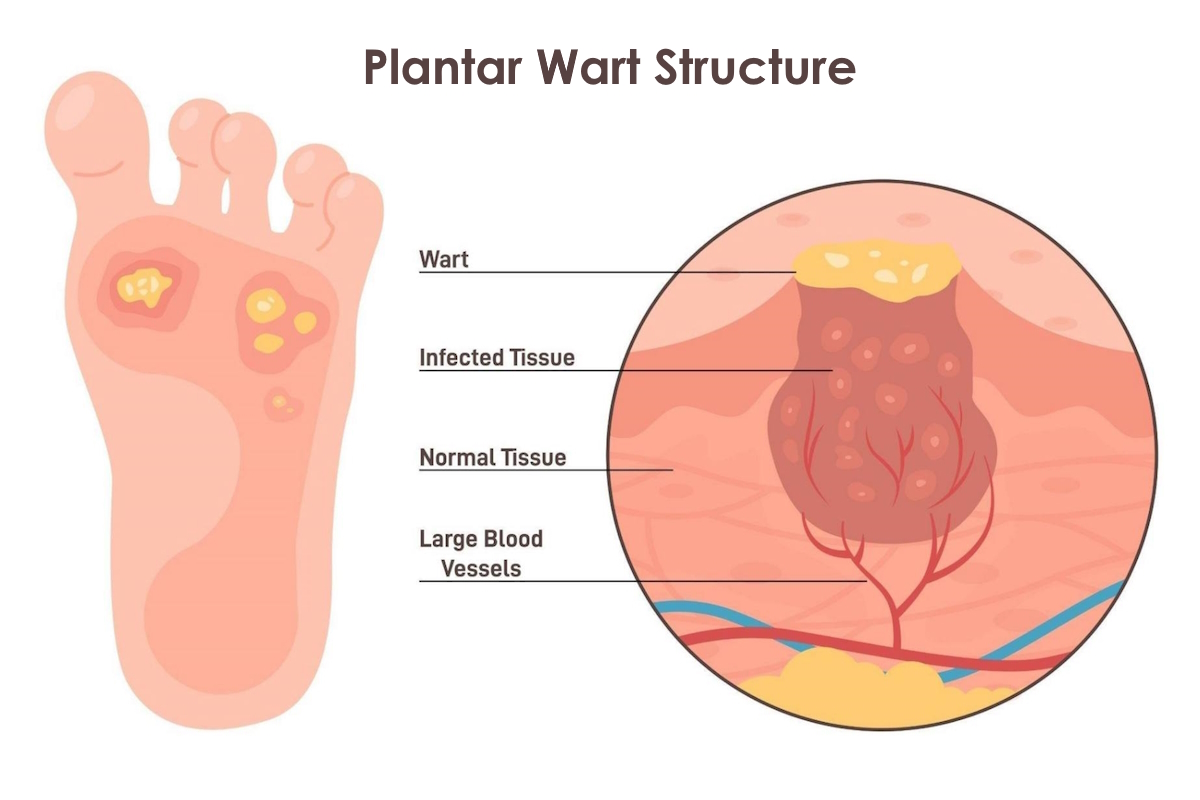
New warts often look like small, rough bumps on the skin. They may have tiny black dots inside, which are small blood vessels.
- Small, grainy skin growths
- Hard or thickened skin areas
- Black pinpoints inside the wart
- Sometimes painful when pressed
Clusters And Patterns
Warts often grow close together in groups. This happens because the virus spreads under the skin near the original wart.
| Cluster Type | Description |
| Single Wart | One isolated bump on the skin |
| Clustered Warts | Several warts growing close together |
| Mosaic Warts | Many tiny warts grouped tightly in a patch |
Preventive Measures
Planter’s warts spread easily through small cuts on the feet. Taking steps to prevent them can keep your feet healthy.
Good habits help stop the virus that causes warts from spreading to others or to other parts of your body.
Maintaining Foot Hygiene
Keep your feet clean and dry to reduce the chance of infection. Wash them daily with soap and water.
Dry your feet well, especially between the toes, to prevent moist areas where the virus can grow.
Avoiding Sharing Personal Items
Do not share shoes, socks, or towels with others. The virus can spread through these items.
Use your own foot care tools like nail clippers and pumice stones to avoid contamination.
- Use separate socks and shoes
- Keep towels personal
- Do not share foot care items
Using Protective Footwear
Wear flip-flops or sandals in public places like pools and locker rooms. This protects your feet from the virus.
Choose shoes that fit well and allow your feet to breathe. Avoid walking barefoot in public areas.
- Wear sandals in wet public areas
- Use breathable shoes
- Avoid barefoot walking in shared spaces
Treatment And Containment
Planter’s warts spread through direct contact with the virus. Treating them early helps stop spreading. Proper care can protect others and reduce discomfort.
Understanding treatment options and ways to contain the wart is important. This guide explains how to manage planter’s warts safely.
Medical Treatments Available
Doctors can remove planter’s warts with several treatments. These usually work by destroying the infected skin cells.
Common treatments include creams, freezing, and minor surgery. These methods help remove the wart and prevent its return.
- Salicylic acid creams to peel the wart layer by layer
- Cryotherapy using liquid nitrogen to freeze the wart
- Laser therapy to burn the wart tissue
- Minor surgery to cut out the wart
Home Remedies And Care
Some home remedies may help reduce planter’s warts. These can be used alongside medical treatments or when waiting for doctor visits.
Keeping feet clean and dry helps the skin heal. Avoid picking or scratching the wart to stop spreading the virus.
- Apply duct tape to cover the wart for several days
- Use warm water soaks to soften the skin
- Gently rub the wart with a pumice stone after soaking
- Maintain foot hygiene by washing daily
Preventing Further Spread
Planter’s warts spread easily in warm, moist places like showers and pools. Taking simple steps can stop the virus from spreading.
Always cover the wart and avoid sharing personal items. This helps protect family and friends from getting warts.
- Wear flip-flops in public showers and pool areas
- Keep the wart covered with a bandage or tape
- Do not share shoes, socks, or towels
- Change socks daily and keep feet dry
Credit: www.stridecare.com
Frequently Asked Questions
How Do Plantar Warts Spread From One Person To Another?
Plantar warts spread through direct contact with the human papillomavirus (HPV). This often happens by touching infected surfaces like floors or sharing footwear. The virus enters through tiny cuts on the skin, making communal areas like pools and locker rooms high-risk spots.
Can Plantar Warts Spread Through Sharing Shoes Or Socks?
Yes, sharing shoes or socks can transfer the HPV virus. The virus thrives in warm, moist environments inside footwear. Wearing infected shoes or socks increases the chance of the virus entering the skin and causing plantar warts.
How Quickly Do Plantar Warts Appear After Exposure?
Plantar warts usually appear within weeks to months after exposure. The virus incubates silently before causing visible warts. This delay varies by immune system strength and the amount of virus contact.
Are Plantar Warts Contagious Through Walking Barefoot?
Walking barefoot in public places increases the risk of catching plantar warts. The virus lives on surfaces like pool decks and gym floors. Bare feet can pick up the virus through small cuts or breaks in the skin.
Conclusion
Planter’s warts spread through direct contact with the virus. Walking barefoot on contaminated surfaces increases the risk. Sharing towels or shoes can also pass the virus. The virus enters through small cuts or breaks in the skin. Keeping feet clean and dry helps prevent spread.
Avoid touching or picking at warts to stop infection. Covering warts with a bandage protects others. Understanding how warts spread helps you stay safe. Simple care and hygiene can reduce chances of infection. Stay cautious and protect your feet every day.