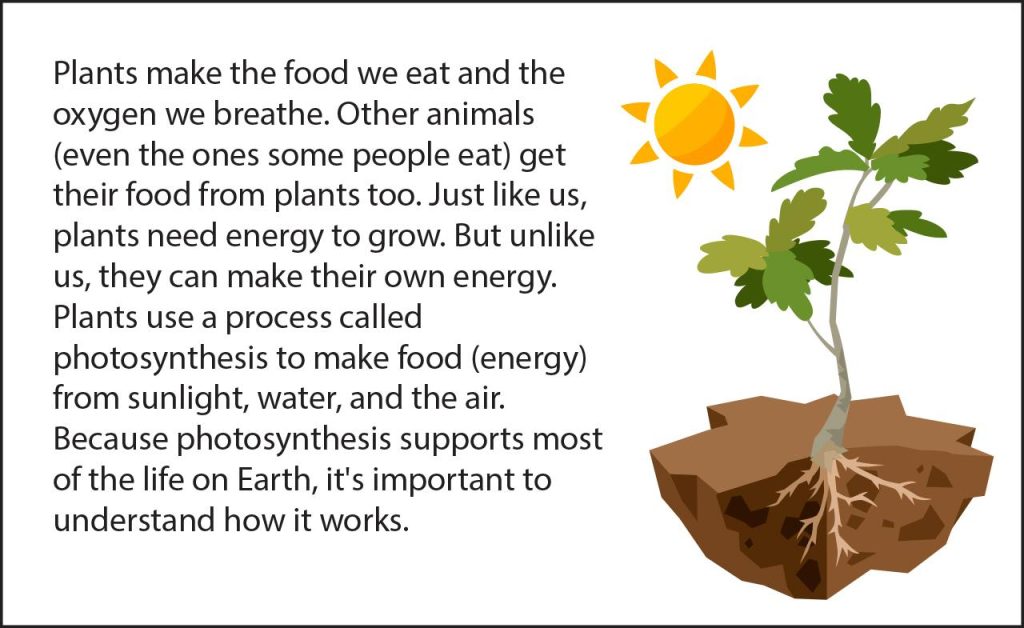
Have you ever wondered how plants get their food without mouths or stomachs like animals? It’s a fascinating process that happens right before your eyes, yet many people don’t fully understand it.
Knowing how plants feed themselves can change the way you see the world around you and even inspire you to take better care of your own garden or houseplants. You’ll discover the simple but amazing ways plants create their own food and why it matters to you.
Keep reading, and you’ll unlock the secrets of nature that make life possible.

Credit: karstennursery.com
Photosynthesis Basics
Plants make their own food through a process called photosynthesis. This process happens in the leaves and uses sunlight, water, and carbon dioxide.
Photosynthesis helps plants grow and gives us oxygen to breathe. Let’s look at how plants get their food step by step.
Role Of Sunlight
Sunlight is the main energy source for photosynthesis. Plants absorb sunlight using special parts in their leaves. This light energy changes into chemical energy that plants can use.
Chlorophyll And Leaf Structure
Chlorophyll is a green pigment in leaves. It helps plants catch sunlight. Leaves have many layers that help with photosynthesis.
- The upper layer protects the leaf and lets sunlight in.
- The middle layer has many chloroplasts with chlorophyll.
- The lower layer has tiny openings called stomata for gas exchange.
Carbon Dioxide And Water Intake
Plants need carbon dioxide and water to make food. They take in carbon dioxide from the air through stomata. Roots absorb water from the soil.
| Substance | Source | Role in Photosynthesis |
|---|---|---|
| Carbon Dioxide | Air | Used to make glucose (food) |
| Water | Soil | Splits to release oxygen and provide hydrogen |

Credit: www.youtube.com
Light-dependent Reactions
Plants make food using sunlight in a process called photosynthesis. The first part is the light-dependent reactions. These reactions happen in the chloroplasts and need light to work.
Light energy helps plants capture and store energy. This energy is used later to make sugar and food for the plant.
Energy Capture
Plants use pigments like chlorophyll to catch light energy. Chlorophyll is green and absorbs sunlight well. This light energy excites electrons inside the plant cells.
Excited electrons move through special proteins in the chloroplast. This movement helps plants convert light energy into chemical energy.
Water Splitting And Oxygen Release
Plants split water molecules during light-dependent reactions. This process is called photolysis. It breaks water into oxygen, hydrogen, and electrons.
The oxygen produced is released into the air. This is the oxygen we breathe. The hydrogen and electrons help make energy molecules for the plant.
Atp And Nadph Formation
Plants use the electrons and hydrogen to make ATP and NADPH. These molecules store energy. ATP works like a battery that powers plant cells.
NADPH carries electrons to the next stage of photosynthesis. These energy carriers help build sugars that feed the plant.
Light-independent Reactions
Light-independent reactions happen in plants’ chloroplasts. They do not need sunlight to occur.
These reactions are part of photosynthesis. They help turn carbon dioxide into glucose.
Calvin Cycle Steps
The Calvin Cycle is a key part of light-independent reactions. It has three main steps.
- Carbon fixation: Carbon dioxide is captured by the plant.
- Reduction phase: Energy turns carbon molecules into sugar.
- Regeneration: Molecules are reset to start the cycle again.
Glucose Production
Plants use light-independent reactions to make glucose. This sugar is vital for energy.
Glucose is used by the plant for growth. It is also stored for later use.
Importance Of Enzymes
Enzymes play a crucial role in these reactions. They speed up the process.
Without enzymes, the reactions would be too slow. Plants would not survive without them.
Nutrient Absorption And Transport
Plants need nutrients to grow and survive. They absorb water and minerals from the soil. These nutrients move through the plant to where they are needed.
This process involves roots, xylem, and phloem. Each part has a special role in nutrient absorption and transport.
Root Function
Roots take in water and nutrients from the soil. They have tiny root hairs that increase surface area. This helps absorb more nutrients and water quickly.
Roots also anchor the plant in the ground. They store food and send nutrients to other parts of the plant.
Xylem And Phloem Roles
Xylem and phloem are tubes inside the plant. They carry water, nutrients, and food to different places.
- Xylem:Moves water and minerals from roots up to leaves.
- Phloem:Transports food made in leaves to other parts of the plant.
- Work Together:Both keep the plant healthy and growing.
Mineral Uptake
Plants need minerals like nitrogen, phosphorus, and potassium. Roots absorb these minerals from the soil. Minerals help plants build strong cells and make food.
| Mineral | Role in Plant |
|---|---|
| Nitrogen | Helps build proteins and leaves |
| Phosphorus | Supports root growth and energy transfer |
| Potassium | Improves water use and disease resistance |
| Calcium | Strengthens cell walls |
Adaptations In Different Plants
Plants have special ways to make food. These methods help them live in different places. They use sunlight, water, and air to create energy.
Each plant type has unique changes. These help them survive and grow well. We will look at some important adaptations.
C3, C4, And Cam Pathways
Plants use three main ways to make food: C3, C4, and CAM. These paths help plants handle heat, light, and water.
| Pathway | Main Feature | Best Environment |
| C3 | Simple process | Cool, wet areas |
| C4 | Special cells to save water | Hot, sunny places |
| CAM | Stores CO2 at night | Dry, desert areas |
Survival In Harsh Environments
Plants have ways to live where water or nutrients are low. They change their growth to save energy and water.
- Deep roots to find water
- Thick stems to store water
- Small or no leaves to reduce water loss
- Waxy coatings to keep moisture
Specialized Leaf Structures
Leaves can change shape and size for different jobs. Some trap insects, others store water.
| Leaf Type | Function | Example Plant |
|---|---|---|
| Succulent Leaves | Store water | Aloe Vera |
| Spiny Leaves | Protect and reduce water loss | Cactus |
| Sticky Leaves | Trap insects for extra nutrients | Venus Flytrap |
Impact Of Environmental Factors
Plants need food to grow and survive. They make food using sunlight, water, and air.
Environmental factors like light, water, and temperature affect how well plants make food.
Light Intensity And Quality
Light is important for photosynthesis, the process plants use to make food.
Strong light helps plants produce more food. Dim light slows down food production.
- Bright light increases energy for food making
- Different light colors affect plant growth
- Red and blue light are best for photosynthesis
Water Availability
Water is needed for photosynthesis and to keep plants healthy.
If plants do not get enough water, they cannot make enough food.
- Water helps move nutrients inside the plant
- Too little water causes plants to wilt and stop photosynthesis
- Too much water can damage roots and reduce food production
Temperature Effects
Temperature controls how fast plants grow and make food.
Too hot or too cold temperatures slow down photosynthesis and harm plants.
- Warm temperatures increase photosynthesis speed
- Very high heat can damage leaves and enzymes
- Cold temperatures slow down plant activity and food making
Human Influence On Plant Nutrition
Plants get their food mainly through photosynthesis and nutrients from soil. Humans affect this process in many ways. These actions can help plants grow better or cause harm.
This article looks at how humans influence plant nutrition. It covers fertilizers, pollution, and genetic changes in plants.
Fertilizers And Soil Management
Farmers add fertilizers to the soil to give plants extra nutrients. Good soil management keeps the soil healthy and rich in minerals.
- Fertilizers add nitrogen, phosphorus, and potassium.
- Crop rotation helps keep soil fertile.
- Compost returns nutrients back to the soil.
- Overuse of fertilizers can damage soil and plants.
Pollution Effects
Pollution from factories and vehicles can harm plants. Chemicals in the air and water affect how plants absorb nutrients.
| Type of Pollution | Effect on Plants |
| Air pollution | Damages leaves and reduces photosynthesis |
| Water pollution | Blocks nutrient uptake from roots |
| Soil pollution | Kills helpful microbes and reduces fertility |
Genetic Modifications
Scientists change plant genes to improve nutrition and resistance. These changes can help plants grow in poor soil or resist pests.
- Increase nutrient absorption
- Make plants drought-tolerant
- Enhance resistance to diseases
- Improve growth speed

Credit: www.youtube.com
Frequently Asked Questions
How Do Plants Make Their Own Food?
Plants make food through photosynthesis. They use sunlight, water, and carbon dioxide to create glucose and oxygen. Chlorophyll in leaves captures sunlight, fueling this process. This glucose serves as energy and growth material for the plant.
What Role Does Sunlight Play In Plant Food Production?
Sunlight provides the energy plants need for photosynthesis. Chlorophyll absorbs sunlight, converting it into chemical energy. This energy helps transform water and carbon dioxide into glucose, the plant’s food source.
Why Is Chlorophyll Important For Plant Nutrition?
Chlorophyll captures sunlight, essential for photosynthesis. It allows plants to convert light energy into chemical energy. Without chlorophyll, plants cannot produce glucose or survive.
How Do Plants Absorb Water And Nutrients?
Plants absorb water and nutrients through their roots. Root hairs increase surface area for efficient absorption. Water travels up the stem to leaves, supporting photosynthesis and growth.
Conclusion
Plants make their own food using sunlight, water, and air. This process, called photosynthesis, keeps them alive and growing. Leaves play a key role by capturing sunlight and turning it into energy. Without plants creating food, animals and humans would not survive.
Understanding how plants feed helps us appreciate nature’s balance. Every leaf and stem works hard to support life on Earth. Simple, yet powerful.