Have you ever wondered how plants manage to feed themselves without eating like we do? It might seem simple, but the way plants obtain food is truly fascinating and vital for all life on Earth—including yours.
Understanding this process can change how you see the world around you and even inspire you to care more about the environment. Keep reading, and you’ll discover the incredible secrets behind how plants create their own food and why it matters to you every day.

Credit: pollinatorpartnership.ca
Photosynthesis Basics
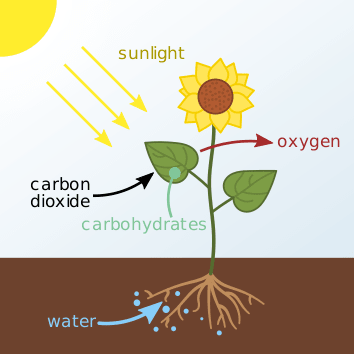
Plants make their own food using sunlight, water, and air. This process is called photosynthesis.
It happens mainly in the leaves, where special parts help capture energy and turn it into food.
Role Of Chlorophyll
Chlorophyll is the green pigment in plants. It helps capture sunlight needed for photosynthesis.
Without chlorophyll, plants cannot absorb the light energy to make food.
Sunlight As Energy Source
Sunlight provides energy for plants to make food. The light energy changes into chemical energy.
- Sunlight hits the chlorophyll in the leaves.
- Energy from light splits water molecules.
- This energy helps build sugar molecules.
Carbon Dioxide And Water Intake
Plants take in carbon dioxide from the air and water from the soil. Both are needed for photosynthesis.
| Input | Source | Role in Photosynthesis |
| Carbon Dioxide (CO₂) | Air | Combines with water to make sugar |
| Water (H₂O) | Soil | Splits to release oxygen and provide electrons |
| Oxygen (O₂) | Byproduct | Released into the air |
Light-dependent Reactions
Plants need light to make food. This process happens in the chloroplasts. The light-dependent reactions are the first step.
These reactions use sunlight to produce energy. Plants use this energy to make food.
Capturing Light Energy
Chlorophyll is a green pigment in plants. It captures sunlight. This energy from the sun is necessary for photosynthesis.
Light energy excites electrons in chlorophyll. These electrons start moving and create energy.
Splitting Water Molecules
Light energy splits water molecules. This process is called photolysis. It releases oxygen as a byproduct.
Hydrogen ions and electrons from water are important. They help in making energy-rich molecules.
Producing Atp And Nadph
The movement of electrons helps form ATP. ATP is a molecule that stores energy for cells.
NADPH is another molecule created in this process. It carries electrons and hydrogen to the next stage of photosynthesis.
- ATP and NADPH are essential for the Calvin Cycle
- They provide energy and electrons
- These molecules are formed in the thylakoid membrane
Calvin Cycle
The Calvin Cycle is how plants make food. It happens inside the chloroplasts.
This cycle uses carbon dioxide, energy, and enzymes to create sugars. It is part of photosynthesis.
Carbon Fixation Process
Carbon fixation starts the Calvin Cycle. It captures carbon dioxide from the air.
The carbon dioxide joins with a molecule called RuBP. This makes a 6-carbon compound.
- CO2 enters the leaf through stomata
- RuBP combines with CO2
- 6-carbon compound forms and breaks into two 3-carbon molecules
Sugar Production
The Calvin Cycle changes the 3-carbon molecules into sugar. This sugar is called G3P.
Some G3P leaves the cycle to make glucose and other sugars. These sugars feed the plant.
- G3P molecules combine to form glucose
- Glucose stores energy for the plant
- Other sugars help build plant structure
Role Of Enzymes
Enzymes speed up the Calvin Cycle reactions. They help molecules join or change.
One important enzyme is RuBisCO. It helps fix carbon dioxide to RuBP.
- RuBisCO starts carbon fixation
- Other enzymes help convert molecules into sugars
- Enzymes ensure the cycle runs smoothly and fast
Transport Of Nutrients
Plants make food through photosynthesis. They need to move this food to different parts for growth.
The transport system in plants carries nutrients from leaves to stems, roots, and fruits.
Phloem Function
Phloem is a special tissue in plants. It moves food made in leaves to other parts. This process is called translocation.
Phloem cells form tubes that carry sugary sap. The sap contains glucose and other nutrients.
Distribution Of Glucose
Glucose is the main sugar transported in plants. It provides energy for growth and repair.
- Leaves produce glucose during photosynthesis.
- Phloem transports glucose to roots and stems.
- Glucose reaches growing parts like flowers and fruits.
- Cells use glucose for energy or build other compounds.
Storage Of Food
Plants store excess food as starch. This happens mainly in roots, tubers, and seeds.
| Storage Location | Type of Food Stored |
| Roots | Starch |
| Tubers | Starch |
| Seeds | Proteins and Starch |
| Fruits | Sugars |
Environmental Factors
Plants need many things from their environment to make food. These include sunlight, water, and temperature. Each factor affects how well plants grow and produce food.
Understanding these factors helps us learn how plants survive and thrive. Let’s look at how light, water, and temperature influence plant food production.
Light Intensity Effects
Light is vital for photosynthesis. When light intensity is high, plants make more food. Low light slows down food production. Different plants need different light amounts.
Too much light can also harm plants by causing leaves to dry out. Plants adjust by changing leaf size or angle to control light absorption.
Water Availability
Water is essential for plants to make food. Without enough water, plants close tiny openings on leaves called stomata. This stops water loss but also reduces food production.
- Water helps transport nutrients inside the plant.
- It keeps cells firm and supports growth.
- Water loss can slow down photosynthesis.
- Too much water can cause root problems.
Temperature Influence
Temperature affects enzyme activity in plants. Enzymes speed up photosynthesis. If it is too cold, enzymes work slowly. If it is too hot, enzymes can break down.
| Temperature Range (°C) | Effect on Photosynthesis |
| Below 10 | Very slow or stopped |
| 20 to 30 | Optimal rate |
| Above 35 | Reduced rate, possible damage |

Credit: www.youtube.com
Alternative Food Strategies
Most plants make food using sunlight, water, and air. This process is called photosynthesis.
Some plants use other ways to get food. These special strategies help them live in tough places.
Parasitic Plants
Parasitic plants get food from other plants. They attach to their host plants and take nutrients.
These plants often have little or no green leaves. They rely on the host for water and food.
- Examples include mistletoe and dodder
- They use special roots called haustoria to connect to hosts
- They can harm or weaken the host plant
Carnivorous Plants
Carnivorous plants eat insects and small animals. They grow in places with poor soil nutrients.
These plants trap prey using special leaves. They digest the prey to get nutrients like nitrogen.
- Venus flytrap snaps shut on insects
- Pitcher plants use deep tubes to trap prey
- Sundews have sticky leaves to catch insects
Symbiotic Relationships
Some plants form partnerships with fungi or bacteria. These help the plants get food or nutrients.
The partners exchange food or nutrients. This helps both plants and microbes survive better.
- Mycorrhizal fungi help plants absorb water and minerals
- Rhizobium bacteria fix nitrogen for legumes like peas
- Both partners gain benefits from this close relationship

Credit: www.newtechfoods.com
Frequently Asked Questions
How Do Plants Make Their Own Food?
Plants make food through photosynthesis. They use sunlight, water, and carbon dioxide to produce glucose and oxygen. This process occurs in chlorophyll-containing cells, mainly in leaves, providing energy for growth and development.
What Role Does Sunlight Play In Plant Food Production?
Sunlight provides energy for photosynthesis. Chlorophyll absorbs light, converting it to chemical energy. This energy helps transform water and carbon dioxide into glucose, the plant’s food source.
Why Is Chlorophyll Important For Plant Food Synthesis?
Chlorophyll captures sunlight needed for photosynthesis. It gives plants their green color and enables the conversion of light energy into chemical energy, essential for producing food.
Can Plants Survive Without Sunlight To Obtain Food?
Plants need sunlight to make food via photosynthesis. Without light, they cannot produce glucose and will eventually die unless they use stored nutrients temporarily.
Conclusion
Plants make their own food using sunlight, water, and air. This process, called photosynthesis, is vital for their growth. Leaves capture sunlight and turn it into energy. Roots soak up water and minerals from the soil. Carbon dioxide enters through tiny leaf pores.
This food not only feeds plants but also supports life on Earth. Understanding how plants obtain food helps us appreciate nature more. It shows the simple yet powerful ways plants survive and grow every day.