Have you ever wondered how a portable air conditioner keeps your room cool and comfortable? If you’re tired of sweating through hot days or dealing with bulky cooling systems, understanding how these devices work can change the way you beat the heat.
You’ll discover the simple yet clever process behind portable air conditioners and why they might be the perfect solution for your cooling needs. Keep reading to unlock the secrets that will help you stay cool effortlessly!
Credit: www.inkl.com
Basics Of Portable Air Conditioners
Portable air conditioners help cool rooms without permanent installation. They are easy to move and use.
Understanding how these units work can help you use them better and choose the right model.
How Portable Air Conditioners Cool The Air
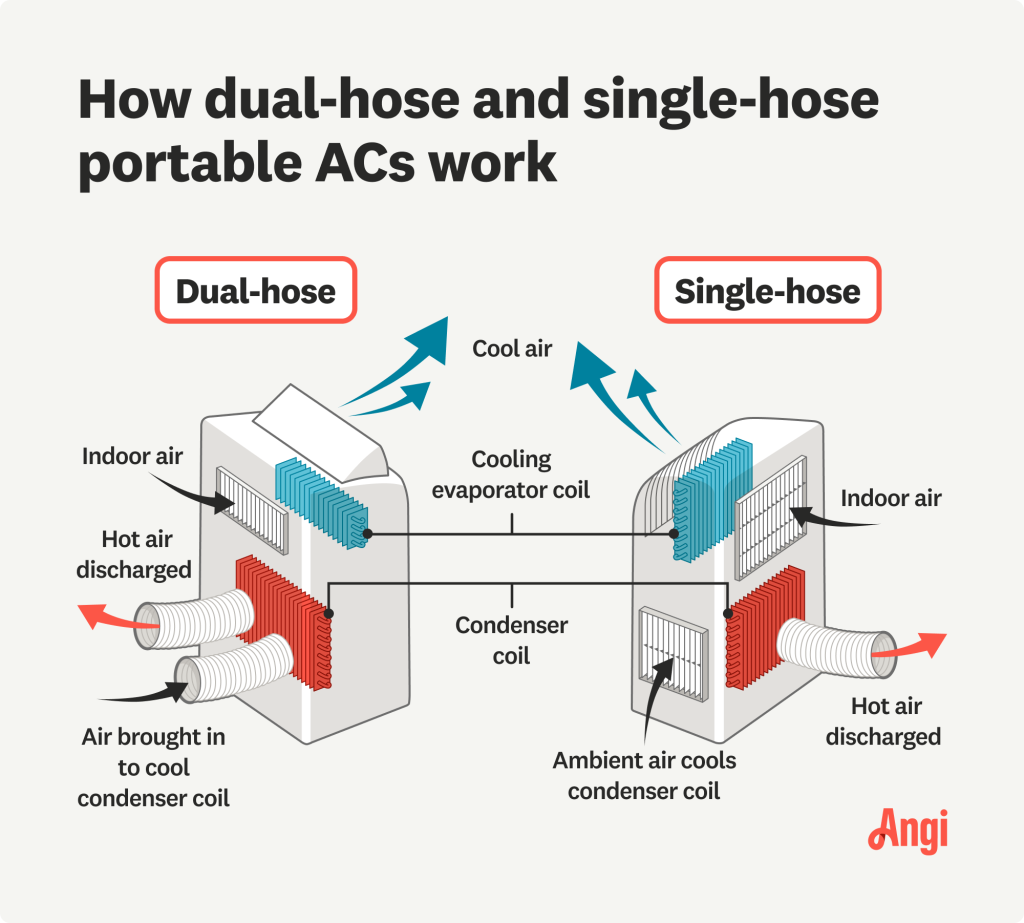
Portable air conditioners remove heat from inside a room and send it outside. This process cools the air inside.
They use a refrigerant that absorbs heat and moves it through a cycle of evaporation and condensation.
Main Parts Of A Portable Air Conditioner
- Compressor:Compresses the refrigerant gas to make it hot and high pressure.
- Condenser coil:Cools the hot gas into a liquid by releasing heat outside.
- Evaporator coil:Absorbs heat from the room air, cooling it.
- Fan:Moves air over the coils and circulates cool air in the room.
- Exhaust hose:Sends hot air and moisture out of the room.
Ventilation And Exhaust
Portable air conditioners need to vent hot air outside through a window or wall. This keeps the room cool.
The exhaust hose carries warm air and moisture out. Without proper ventilation, the unit cannot cool well.
How Portable Acs Remove Moisture
| Process | Effect |
| Air passes over cold evaporator coil | Moisture condenses into water |
| Water collects in a tank or drains out | Reduces humidity in the room |
| Dry, cool air circulates back | Makes the room feel more comfortable |
Key Components
Portable air conditioners cool rooms using several important parts. Each part works together to remove heat and make air cooler.
Understanding these parts helps explain how portable air conditioners keep spaces comfortable.
Compressor Functionality
The compressor is the heart of the air conditioner. It squeezes the refrigerant gas to increase its pressure and temperature.
This process moves the refrigerant through the system and helps it change from gas to liquid and back.
Refrigerant Role
The refrigerant is a special fluid that absorbs heat from the air. It changes between gas and liquid to carry heat outside.
As the refrigerant evaporates, it cools the air inside the room by taking in heat.
Evaporator And Condenser Coils
The evaporator coil cools the air inside by letting the refrigerant absorb heat. It turns liquid refrigerant into gas.
The condenser coil releases heat outside. It changes the refrigerant back into a liquid by cooling it down.
- Evaporator coil cools indoor air
- Condenser coil releases heat outdoors
- Both coils help refrigerant change form
Fan Mechanism
The fan moves air over the coils. It blows warm room air over the evaporator to cool it down.
Another fan pushes hot air out through the exhaust. This helps keep the room cool and comfortable.
Cooling Process Explained
Portable air conditioners cool rooms by moving heat from inside to outside. They use a simple system that works like a refrigerator.
This process involves three key steps: heat absorption, air circulation, and moisture reduction. Each step helps lower the room temperature.
Heat Absorption
The air conditioner uses a refrigerant to absorb heat from the room air. The warm air passes over cold coils filled with this refrigerant.
The refrigerant changes from liquid to gas as it takes in heat, removing warmth from the air inside the room.
Air Circulation
Fans inside the unit pull warm air from the room and push cool air back. This keeps the air moving and spreads the coolness evenly.
- Warm air is drawn into the unit.
- Air passes over cold coils to cool down.
- Cool air is blown back into the room.
- Exhaust fan pushes hot air outside.
Moisture Reduction
As air cools, moisture condenses on the cold coils. This removes humidity from the room, making it feel more comfortable.
| Effect | Explanation |
| Condensation | Water forms on cold coils from moist air |
| Drainage | Water collects and drains out of the unit |
| Lower Humidity | Air feels cooler and less sticky |
Credit: www.portacool.com
Ventilation Importance
Portable air conditioners cool rooms by moving hot air outside. Ventilation removes this hot air efficiently. Without proper ventilation, the room gets warmer.
Good ventilation helps the air conditioner work well. It keeps the room cool and saves energy. Poor ventilation makes the unit work harder.
Exhaust Hose Setup
The exhaust hose carries hot air from the unit to the outside. It must be set up correctly for proper airflow. A long or bent hose blocks hot air flow.
Keep the exhaust hose as short and straight as possible. This helps the air conditioner remove heat faster. Always check for leaks or gaps around the hose.
- Use the hose supplied with the unit
- Avoid sharp bends or kinks in the hose
- Seal any gaps around the hose connection
- Place the hose near a window or vent
Window Venting Options
Windows are the easiest place to vent the hot air outside. Most portable air conditioners come with a window kit. This kit fits in the window to hold the exhaust hose.
There are different window types to consider. Sliding and double-hung windows need different kits. Make sure the window is closed around the kit for a tight fit.
- Sliding windows use a horizontal panel
- Double-hung windows use a vertical panel
- Seal gaps with weather stripping or foam
- Do not block the window completely
Energy Efficiency Tips
Portable air conditioners cool rooms by moving heat outside. Using them efficiently saves energy and lowers bills.
Simple changes in how you use and care for your unit can make a big difference in energy use.
Proper Sizing
Choose a portable air conditioner that fits your room size. Too small units work too hard and waste energy.
Too large units cool quickly but turn on and off often. This uses more electricity and wears out parts.
- Measure your room’s square footage before buying
- Check the unit’s BTU rating for your room size
- Ask a professional if unsure about the size
Temperature Settings
Set your air conditioner to a comfortable but not too low temperature. Lower settings use more energy.
Keep the thermostat around 75°F (24°C) for good cooling and energy savings.
- Avoid setting temperatures below 70°F (21°C)
- Use a programmable thermostat if available
- Turn off or raise the temperature when you leave the room
Regular Maintenance
Keep your portable air conditioner clean and in good shape. This helps it work well and saves energy.
Check and clean filters often. Dirty filters block airflow and make the unit use more power.
- Clean or replace filters every two weeks during use
- Clear dust from vents and coils
- Inspect the exhaust hose for leaks or blockages
- Store the unit properly when not in use

Credit: www.cnet.com
Common Issues And Solutions
Portable air conditioners are useful for cooling rooms without built-in systems. Sometimes, they face common problems that affect their performance.
This guide explains common issues and ways to fix them. It helps keep your air conditioner working well.
Water Leakage
Water leakage happens when the unit collects too much condensation or the drain is blocked. This can cause water to spill on the floor.
- Check if the drain pan is full and empty it if needed.
- Clear any blockages in the drain hose.
- Ensure the unit is on a flat surface to avoid spills.
- Clean the air filters regularly to reduce moisture build-up.
Insufficient Cooling
When the air conditioner does not cool well, several factors can cause this issue. It might be due to dirty filters or a problem with the vent.
| Possible Cause | Solution |
| Dirty air filter | Clean or replace the filter regularly |
| Blocked or closed vents | Open vents and remove any obstructions |
| Incorrect room size | Use a unit suitable for the room area |
| Low refrigerant | Call a professional to check and refill |
Unusual Noises
Strange sounds from the air conditioner can mean loose parts or dirt inside the unit. Loud noises reduce comfort and may indicate damage.
- Turn off the unit and unplug it before inspecting.
- Check for loose screws or parts and tighten them.
- Clean the fan blades and the inside of the unit.
- If noises continue, contact a technician for repair.
Benefits Of Portable Air Conditioners
Portable air conditioners offer a simple way to cool your space. They are easy to move and use in different rooms. Many people choose them for their convenience and cost savings.
These units do not need complex installation. They fit well in apartments, offices, or rooms without central air. Let us look at their main benefits.
Mobility And Flexibility
Portable air conditioners can be moved from room to room. You can cool the space you use the most. This flexibility helps save energy by not cooling unused rooms.
- Roll the unit to any room with a flat surface
- Use in homes, offices, or even garages
- Adjust cooling where and when you need it
- Great for renters or people who move often
Cost-effective Cooling
Portable air conditioners cost less than central systems. They use less electricity if you cool only one room. This helps reduce your energy bills.
| Cooling Method | Average Cost | Energy Use |
| Portable Air Conditioner | Low | Moderate |
| Window Air Conditioner | Moderate | Moderate |
| Central Air Conditioning | High | High |
No Permanent Installation
Portable air conditioners do not need permanent changes to your home. You only need to set up a vent hose through a window or door. This makes them ideal for temporary use.
Advantages of no permanent installation:
- No damage to walls or windows
- Easy to set up and remove
- Good for renters and temporary spaces
- No need for professional help
Limitations To Consider
Portable air conditioners offer convenience but come with some limits. Understanding these helps you make a better choice.
They work differently than central AC units and may not fit every space or energy need.
Space And Noise
Portable AC units take up floor space and need a nearby window for the exhaust hose. They can be bulky and hard to move in small rooms.
- Require clear space around for airflow
- Need an open window for venting hot air
- Can be noisy, ranging from 50 to 70 decibels
- Noise may disturb sleep or work
Energy Consumption
Portable air conditioners use electricity to cool rooms. They often consume more power than window units.
| Factor | Impact |
| Power usage (Watts) | 900 – 1400 W |
| Cooling capacity (BTU) | 8000 – 14000 BTU |
| Energy Efficiency Ratio (EER) | 8 – 10 |
| Cost to run per hour | Depends on local electricity rates |
Frequently Asked Questions
How Do Portable Air Conditioners Cool A Room?
Portable air conditioners cool a room by extracting warm air. They use refrigerants to absorb heat and release it outside. The cooled air circulates back inside, lowering the room temperature effectively and efficiently.
What Is The Role Of The Exhaust Hose In Portable Acs?
The exhaust hose removes hot air from the room. It vents the heat outside, preventing it from recirculating indoors. Proper hose installation is essential for optimal cooling performance.
Can Portable Air Conditioners Work Without Venting?
No, portable air conditioners require venting. The exhaust hose must expel hot air outside. Without venting, the unit cannot cool the room effectively and will overheat.
How Do Portable Acs Differ From Window Units?
Portable ACs are movable and use a flexible hose for venting. Window units are fixed and vent directly through the window. Portable units offer more flexibility but may be slightly less efficient.
Conclusion
Portable air conditioners cool your room by moving heat outside. They use a fan, a compressor, and a cooling coil to work. These units are easy to move and fit in many spaces. You get quick relief from heat without complex setups.
Knowing how they work helps you choose the right one. Stay cool and comfortable during hot days with a portable air conditioner. Simple, effective, and convenient—perfect for many homes.