
Have you ever wondered how a pressure cooker manages to turn tough ingredients into tender, delicious meals in a fraction of the usual time? If you’re curious about what makes this kitchen tool so powerful and efficient, you’re in the right place.
Understanding how a pressure cooker works can change the way you cook forever, saving you time and energy while boosting flavor. Keep reading, and you’ll discover the simple science behind this amazing device—and how you can use it to make your cooking easier and faster.
Pressure Cooker Basics
A pressure cooker is a sealed pot that cooks food fast using steam pressure.
It saves time and energy by raising the boiling point of water inside the pot.
Key Components
Pressure cookers have several important parts that work together to cook food quickly.
- Lid:Locks tightly to seal the pot and hold steam inside.
- Sealing Ring:A rubber or silicone ring that prevents steam from escaping.
- Pressure Valve:Controls the pressure by letting out steam when needed.
- Cooker Body:The pot where food and liquid are placed.
- Safety Valve:Releases excess pressure to avoid accidents.
How Pressure Builds
When the cooker heats up, the liquid inside turns to steam and creates pressure.
| Stage | What Happens | Effect |
| Heating | Liquid boils and produces steam | Pressure starts to rise inside the pot |
| Sealing | Steam is trapped by the sealed lid and ring | Pressure increases above normal air pressure |
| Pressure Limit | Pressure valve releases extra steam | Pressure stays safe and steady for cooking |
| Cooking | High pressure raises boiling point of water | Food cooks faster and stays moist |

Credit: summithomeappliance.com
Science Behind Fast Cooking
Pressure cookers help food cook faster than normal pots. They use steam and pressure to raise cooking temperature.
This faster cooking saves time and energy. The science behind it involves boiling points and steam pressure.
Increased Boiling Point
Normally, water boils at 100°C (212°F). In a pressure cooker, steam pressure makes water boil at higher temperatures.
Higher boiling means food cooks at hotter temperatures. This reduces cooking time significantly.
- More heat speeds up chemical reactions in food
- Faster heat transfer cooks food inside quickly
- Higher boiling point means pressure cooker cooks above 100°C
Steam Pressure Effects
Pressure cookers trap steam inside the sealed pot. This steam builds up pressure as it heats up.
The increased pressure pushes heat into food faster. It also prevents moisture from escaping, keeping food moist.
- Steam pressure raises cooking temperature above boiling point
- Pressure forces heat into food quickly
- Sealed environment locks moisture and flavors inside
Flavor Enhancement Techniques
Pressure cookers use steam and high pressure to cook food quickly. This method locks in flavors and makes dishes more tasty. Understanding how pressure cookers enhance flavor helps you cook better meals.
Two key techniques improve flavor in a pressure cooker. They are sealing in aromas and retaining nutrients. These techniques work together to keep food delicious and healthy.
Sealing In Aromas
The pressure cooker traps steam inside while cooking. This steam carries the food’s natural smells and tastes. By sealing the pot, these aromas stay inside the food instead of escaping.
- Sealed environment stops aroma loss
- Steam infuses food with rich smells
- Faster cooking keeps delicate scents strong
- Food cooks evenly, blending all flavors
Retaining Nutrients
High pressure and steam cook food quickly. This short cooking time helps keep vitamins and minerals from breaking down. Nutrients stay locked inside, making meals healthier.
| Cooking Method | Time | Nutrient Loss |
| Pressure Cooking | Short (minutes) | Low |
| Boiling | Long (30+ minutes) | High |
| Baking | Medium (20-40 minutes) | Medium |
Types Of Pressure Cookers
Pressure cookers cook food faster by using steam pressure. There are two main types you can use at home. Each type has its own features and benefits.
Understanding these types helps you choose the right cooker for your kitchen. Let’s look at stovetop and electric pressure cookers.
Stovetop Models
Stovetop pressure cookers sit directly on the stove. They use the heat from the stove to build pressure inside the pot. These models heat up quickly and cook food fast.
- Made of metal, usually stainless steel or aluminum
- Require manual heat control
- Have a pressure regulator valve
- Often lighter and more compact
- Can reach higher pressures than electric models
Electric Variants
Electric pressure cookers plug into a power outlet. They have built-in heating elements and digital controls. These models offer many cooking programs and safety features.
| Feature | Electric Pressure Cooker |
| Power Source | Electricity |
| Heat Control | Automatic, preset options |
| Safety Features | Multiple safety locks and sensors |
| Additional Functions | Slow cooking, steaming, sautéing |
| User Convenience | Hands-free cooking with timers |
Safe Usage Tips
Pressure cookers cook food fast by using steam and high pressure. Using them safely is very important.
Follow safety tips to avoid accidents and get the best results from your pressure cooker.
Pressure Release Methods
Releasing pressure safely stops the cooker from exploding. There are different ways to release pressure.
Choose the right method based on your recipe and cooker instructions.
- Natural Release:Let the pressure drop by itself after cooking. This takes more time.
- Quick Release:Use the valve to let steam out fast. Be careful of hot steam.
- Cold Water Release:Run cold water on the lid if your cooker allows it. This cools the pressure quickly.
Maintenance And Cleaning
Keep your pressure cooker clean and well-maintained to ensure safety and long use.
Check parts regularly and clean them after every use.
- Wash the lid, gasket, and pot with warm soapy water.
- Inspect the rubber gasket for cracks or damage. Replace if needed.
- Clean the steam vent to avoid blockages.
- Do not use abrasive cleaners that can damage parts.
- Store the cooker with the lid off to keep the gasket fresh.
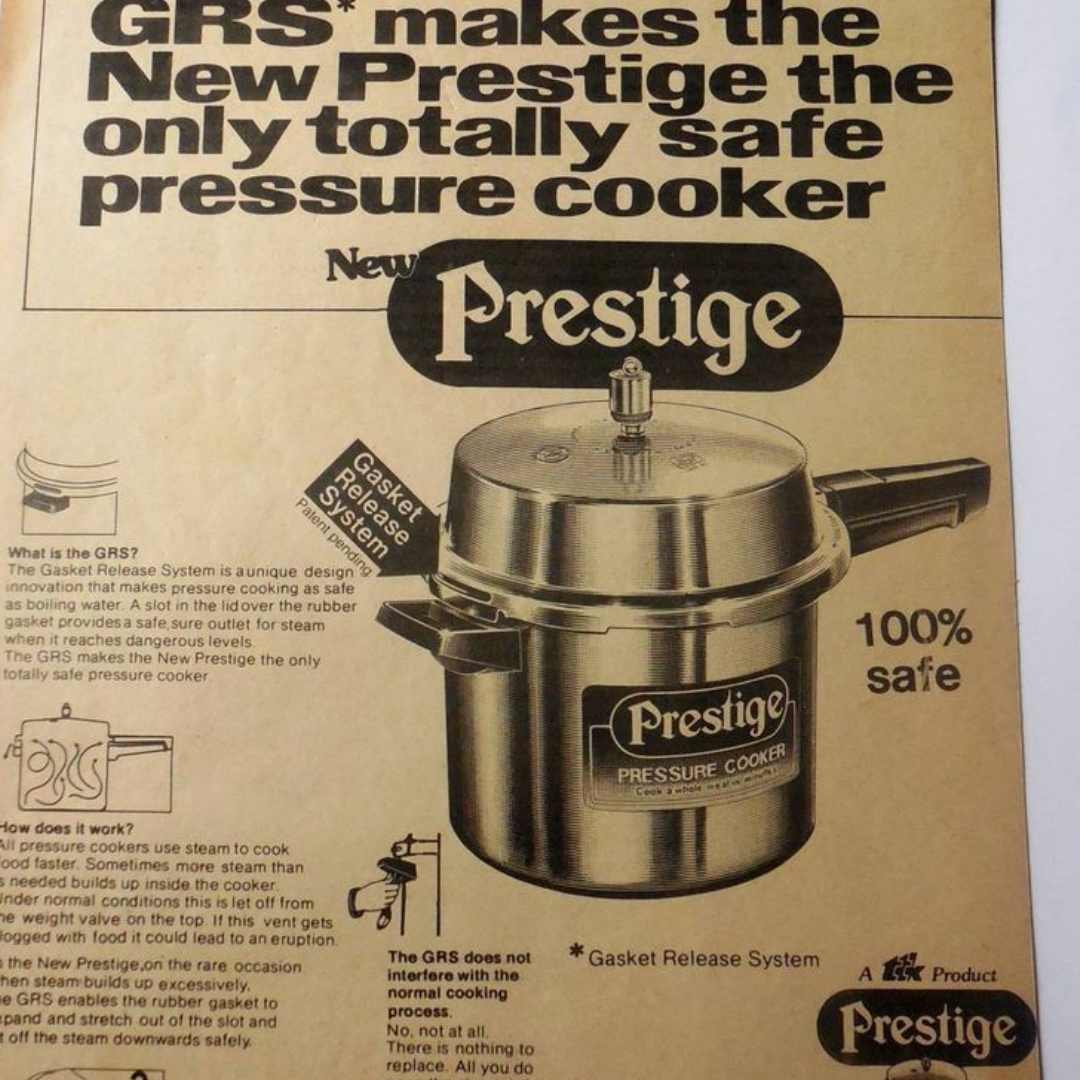
Credit: medium.com
Common Cooking Mistakes
Using a pressure cooker can save time and energy. Many people make simple mistakes that affect cooking results.
Knowing these common errors helps you cook safely and get the best food texture and flavor.
Overfilling Issues
Filling the pressure cooker too much can cause problems. It can block the pressure valve and stop steam from escaping safely.
- Do not fill the cooker more than two-thirds full.
- For foods that expand, fill only half full.
- Overfilling can cause food to clog the valve.
- Too much food affects cooking time and pressure.
Incorrect Pressure Settings
Using the wrong pressure setting can undercook or burn food. Different foods need different pressure levels.
| Pressure Setting | Best For |
| Low Pressure | Delicate foods like fish and vegetables |
| High Pressure | Meats and hard vegetables |
| Medium Pressure | Rice and beans |
Check your pressure cooker manual to choose the right setting for your recipe.
Popular Recipes To Try
Pressure cookers save time and keep flavors strong. You can cook many recipes quickly.
Try these popular recipes that work great in a pressure cooker. They bring out rich tastes fast.
Hearty Stews
Stews become tender and full of flavor in a pressure cooker. The pressure helps cook tough ingredients quickly.
You can add vegetables, meat, and broth for a warm, filling meal. It cooks faster than on the stove.
- Beef stew with carrots and potatoes
- Lentil stew with tomatoes and spices
- Chicken stew with mixed vegetables
Tender Meats
Pressure cookers make meat soft and juicy. They break down fibers fast, saving you hours of cooking.
Use the cooker for roasts, pork, or chicken. The meat cooks evenly and stays moist.
- Pot roast with herbs and garlic
- Pulled pork with barbecue sauce
- Whole chicken with lemon and spices
Quick Vegetables
Vegetables cook very fast in a pressure cooker. They keep their color and nutrients well.
Use the cooker to steam or cook vegetables for sides or salads. It takes just a few minutes.
- Steamed broccoli with garlic butter
- Carrots and peas with fresh herbs
- Green beans with a touch of lemon
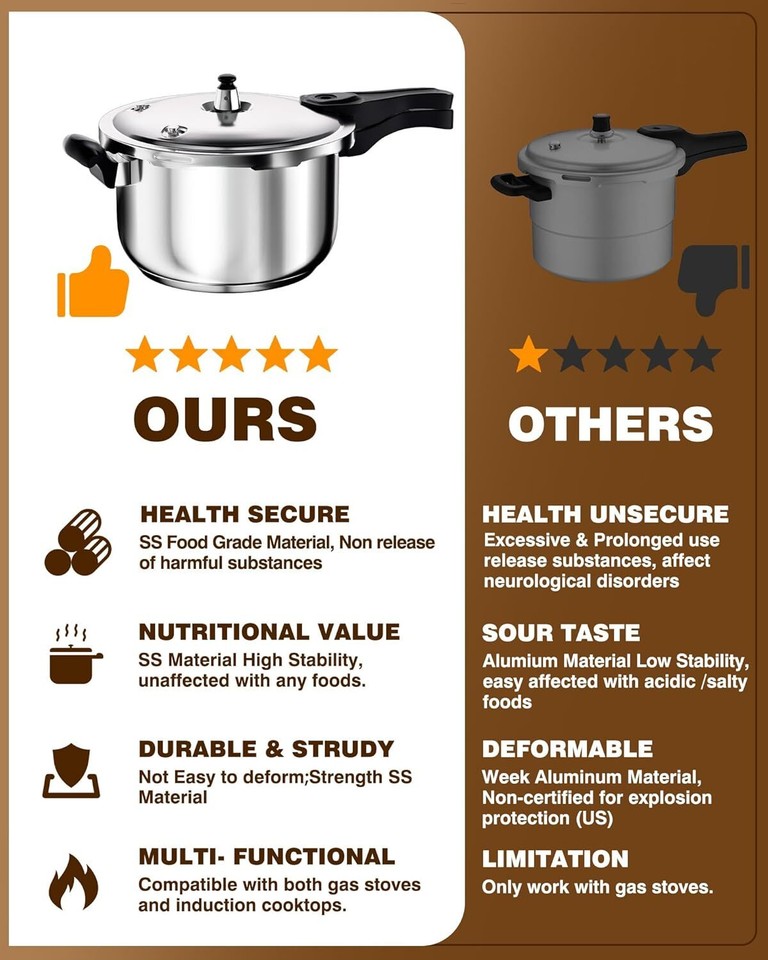
Credit: sc-electricals.com
Frequently Asked Questions
What Is The Purpose Of A Pressure Cooker?
A pressure cooker cooks food faster using steam pressure. It traps steam inside, increasing the boiling point of water. This speeds up cooking and retains nutrients. It’s energy-efficient and ideal for tenderizing tough meats and cooking beans quickly.
How Does A Pressure Cooker Build Pressure?
A pressure cooker builds pressure by heating water to produce steam. The sealed lid prevents steam from escaping, raising the internal pressure. This increases the boiling point of water, cooking food faster. The pressure is maintained until the desired cooking time is reached.
Why Does Food Cook Faster In A Pressure Cooker?
Food cooks faster in a pressure cooker due to increased pressure and temperature. The trapped steam raises the boiling point of water, cooking food quickly. This method efficiently transfers heat, reducing cooking time significantly and preserving food’s nutrients and flavors.
Are Pressure Cookers Safe To Use?
Modern pressure cookers are designed with safety features, making them safe to use. They include pressure release valves and locking lids. These features prevent accidents by controlling pressure levels and ensuring lids remain sealed during cooking. Proper use and maintenance further ensure safety.
Conclusion
Pressure cookers cook food quickly by trapping steam inside. This raises the pressure and temperature. Food cooks faster and stays moist. Using a pressure cooker saves time and energy. It is safe when you follow the instructions. Many recipes work well with this tool.
It helps make meals easier and faster. Try using a pressure cooker to enjoy simple, tasty dishes.