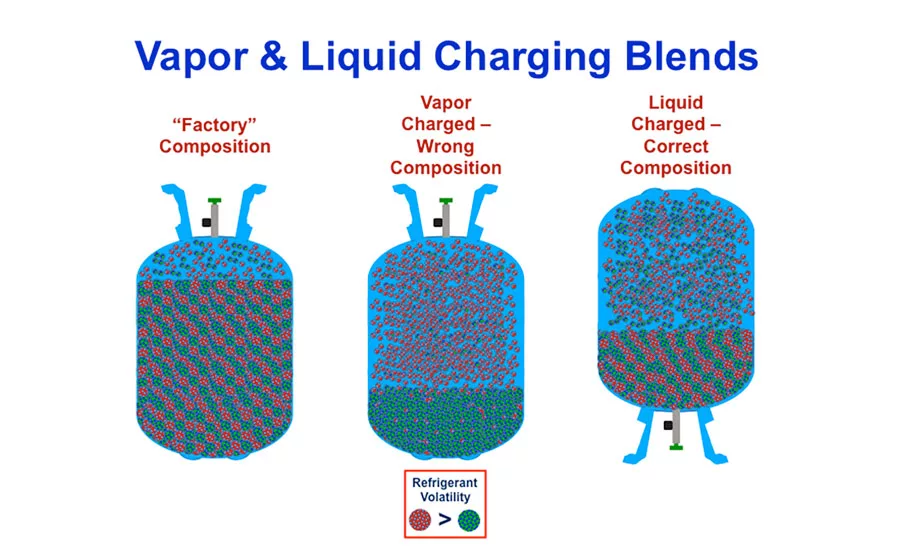
Have you ever wondered why your air conditioning or refrigeration system starts losing its cool over time? One common culprit is refrigerant leaks, especially when dealing with refrigerant blends.
These leaks don’t just reduce your system’s efficiency—they can also cost you more in repairs and energy bills. Understanding how refrigerant blends leak from your system is key to spotting problems early and keeping everything running smoothly. You’ll discover exactly how these leaks happen, what signs to watch for, and what you can do to protect your system and your wallet.
Keep reading to learn the secrets that HVAC professionals don’t always share.
Types Of Refrigerant Leaks
Refrigerant blends can leak from systems in various ways. Understanding the types of leaks helps identify and fix problems quickly. These leaks affect system efficiency and environmental safety. They can be classified based on where and how they occur within the system.
Internal Vs External Leaks
Internal leaks happen inside the refrigeration system. These leaks often occur between different parts or seals within the unit. They may cause pressure loss but might not be visible outside. Internal leaks reduce cooling performance and can damage components over time.
External leaks appear outside the system. They occur through cracks, holes, or faulty connections. These leaks release refrigerant directly into the environment. External leaks are easier to detect because they often cause visible signs like oil stains or hissing sounds.
Micro And Macro Leaks
Micro leaks are tiny, slow leaks that are hard to spot. They cause gradual loss of refrigerant and reduce system efficiency slowly. Micro leaks often go unnoticed until the system performance drops significantly.
Macro leaks are large and fast. They cause immediate pressure loss and system failure. Macro leaks are easier to detect due to quick refrigerant loss and visible damage around the leak site.
Credit: www.achrnews.com
Common Leak Points In Systems
Refrigerant blends can leak from several points in a system. Identifying these common leak points helps maintain system efficiency and safety. Leaks reduce cooling power and may harm the environment. Understanding where leaks often occur aids in early detection and repair.
Valve And Fitting Failures
Valves control refrigerant flow and connect system parts. Over time, valve seals can wear out or crack. Loose or damaged fittings allow refrigerant to escape. Corrosion often weakens these connection points. Regular inspection can prevent major leaks from valves and fittings.
Weld And Brazing Defects
Welds and brazed joints hold metal parts together. Poor welding or brazing creates tiny holes or cracks. These defects often appear during manufacturing or repairs. Heat and vibration can worsen these weak spots. Detecting leaks here requires detailed visual and pressure tests.
Compressor Seal Issues
The compressor has seals to keep refrigerant inside. Over time, seals may dry out or crack from heat and movement. Damaged seals let refrigerant leak around the compressor shaft. Compressor seal leaks need quick fixes to avoid system failure. Proper lubrication helps keep seals flexible and tight.
Hose And Tube Deterioration
Hoses and tubes carry refrigerant through the system. Constant pressure and temperature changes cause material wear. Cracks, holes, or brittleness develop in old hoses. Mechanical stress from vibration or bending worsens damage. Regular hose checks and timely replacements reduce leak risks.
Factors Causing Refrigerant Leaks
Refrigerant blends leak from systems due to various factors that often work together to create weak points. Understanding these causes helps you spot potential issues early and take action before a small leak turns into a costly repair. Let’s examine what typically leads to refrigerant leaks in your system.
Corrosion And Material Fatigue
Corrosion slowly eats away at pipes and joints, especially in humid or salty environments. Over time, this weakens the metal, creating tiny holes where refrigerant can escape. Material fatigue also plays a role as metals expand and contract with use, causing cracks that aren’t always visible at first.
If you’ve noticed rust or discoloration on your system’s components, it’s a warning sign to inspect further. Regular checks can catch corrosion before it leads to leaks.
Mechanical Vibrations
Mechanical vibrations from compressors and motors shake the system continuously. This constant movement can loosen fittings, damage seals, and create gaps for refrigerant to leak out. Even small vibrations add up over time, especially if your equipment isn’t securely mounted.
Have you ever heard rattling noises near your HVAC unit? That could mean vibrations are stressing the connections. Tightening loose parts and using vibration dampeners can help reduce this risk.
Temperature And Pressure Variations
Refrigerant systems experience frequent changes in temperature and pressure during operation. These fluctuations cause pipes and seals to expand and contract repeatedly. Without proper design or maintenance, these cycles can weaken components and lead to leaks.
Think about how a rubber seal might crack if stretched or compressed too often. That’s exactly what happens inside your system. Monitoring pressure levels and ensuring your system is correctly charged can prevent damage from these variations.
Improper Installation And Maintenance
Incorrect installation is a common cause of refrigerant leaks. Poorly fitted joints, unsealed connections, and incompatible parts make systems vulnerable from the start. Even the best equipment fails if the setup is sloppy or rushed.
Maintenance neglect worsens the problem. Skipping routine inspections or ignoring minor leaks allows issues to grow unchecked. Are you confident your system was installed and maintained by experienced professionals? If not, an expert check-up could save you money and frustration.
Detecting Refrigerant Leaks
Detecting refrigerant leaks is crucial for maintaining system efficiency and safety. Leaks reduce cooling performance and increase energy costs. Early detection helps prevent environmental harm and costly repairs. Various techniques identify leaks by sensing gas or pressure changes. Each method offers unique benefits and suits different situations.
Electronic Leak Detectors
Electronic leak detectors sense refrigerant gases in the air. They use sensors that react to specific refrigerants. The device beeps or lights up near a leak. These detectors are fast and accurate. They work well in tight or hidden spaces. Regular calibration ensures reliable results.
Ultraviolet Dye Methods
Ultraviolet dye methods add a special dye to the refrigerant. The dye circulates through the system with the refrigerant. A UV light then reveals leaks by glowing on surfaces. This method helps find small leaks that are hard to see. It is ideal for long-term leak detection.
Soap Bubble Tests
Soap bubble tests involve applying a soap solution to suspected leak areas. Bubbles form if refrigerant gas escapes. This simple method is cost-effective and easy to use. It works best on accessible joints and fittings. The bubbles help pinpoint exact leak locations.
Pressure And Vacuum Testing
Pressure and vacuum testing check the system’s ability to hold pressure. Technicians pressurize or create a vacuum in the system. A drop in pressure or vacuum indicates a leak. This method helps detect leaks even without refrigerant present. It provides a clear sign of system integrity.
Impact Of Leaks On System Performance
Leaks in refrigerant blends reduce cooling efficiency and increase energy use. Small cracks or loose fittings allow gas to escape, harming system performance. Detecting leaks early helps maintain proper function and saves costs.
Refrigerant leaks in a cooling system can silently wreak havoc on its performance. Whether you’re dealing with a minor drip or a major breach, the impact is significant. Understanding these effects is crucial for maintaining your system’s efficiency and longevity.Reduced Cooling Efficiency
When refrigerant levels drop, your system struggles to achieve desired temperatures. Imagine trying to cool a room with a fan on its lowest setting. The air conditioner works overtime, but the output is weak. This not only causes discomfort but can also lead to more frequent breakdowns. Have you noticed your system taking longer to cool your space recently?Increased Energy Consumption
A leaking system can become an energy guzzler. As efficiency drops, the system compensates by working harder. This means your electricity bills can spike unexpectedly. Is your wallet feeling lighter these days? Monitoring energy usage can be a good indicator of hidden leaks.Environmental And Safety Concerns
Refrigerant leaks aren’t just a personal problem—they’re an environmental one too. Many refrigerants contribute to ozone depletion and global warming. Plus, a leaking system can pose health risks if the refrigerant is inhaled. Are you aware of the environmental impact your system might be causing? Regular maintenance can prevent these issues and keep your conscience clear. By staying vigilant and addressing leaks promptly, you can enhance your system’s performance and contribute to a healthier environment. Regular check-ups and immediate action on any signs of leaks can save you from bigger problems down the road.
Credit: www.reddit.com
Repair Techniques For Refrigerant Leaks
Repairing refrigerant leaks requires a careful approach to restore the system’s efficiency and prevent further environmental harm. Understanding the right techniques can save you time and money while ensuring your cooling system runs smoothly. Let’s look at practical ways you can fix these leaks effectively.
Sealing Small Leaks
Small leaks often occur at joints or connections and can sometimes be sealed without replacing parts. Using special refrigerant leak sealants can temporarily stop these leaks. However, be cautious as sealants might clog system components if used excessively.
Another option is applying epoxy or specialized tape designed for refrigeration systems. These solutions work best for pinhole leaks on accessible pipes and fittings. Have you checked if your system has any tight spots where a quick seal might help?
Replacing Faulty Components
Leaks frequently happen because of worn-out parts like gaskets, O-rings, or valves. Replacing these faulty components often offers a more permanent fix than sealing. It’s important to use parts that match your system’s specifications to avoid compatibility issues.
Sometimes, compressors or condensers themselves develop leaks. In such cases, replacing the entire component is safer and more reliable than attempting a patch job. Do you know which parts in your system show signs of wear or damage?
Rebrazing And Welding Repairs
For metal tubing leaks, rebrazing and welding provide a strong, lasting repair. These techniques involve heating the metal to melt a filler material that seals the leak. This method requires skill and proper equipment to avoid damaging the system.
Rebrazing is commonly used on copper pipes, while welding suits steel or aluminum parts. Always ensure the system is properly evacuated before these repairs to prevent moisture contamination. Have you considered professional help for these delicate repairs?
System Evacuation And Recharge
After repairing leaks, evacuating the system removes air and moisture that can cause corrosion and reduce efficiency. A vacuum pump is used to create a deep vacuum inside the system. This step is essential before recharging the refrigerant to maintain optimal performance.
Recharging involves adding the correct type and amount of refrigerant specified by the manufacturer. Overcharging or undercharging can lead to further leaks and system damage. Are you confident your system is recharged accurately to avoid future problems?
Preventive Measures To Avoid Leaks
Preventing refrigerant blend leaks is essential to keep your system running efficiently and avoid costly repairs. Leaks not only reduce cooling performance but also harm the environment. Taking proactive steps can help you maintain a sealed system and extend its lifespan.
Routine Maintenance Practices
Regular maintenance is your first line of defense against leaks. Check connections, seals, and hoses frequently for signs of wear or damage. Cleaning components and replacing worn parts early can stop leaks before they start.
Have you ever noticed a sudden drop in cooling? That might be a small leak developing unnoticed. Scheduling routine inspections ensures you catch these issues early, saving you money and hassle.
Proper Installation Procedures
How a system is installed greatly affects its risk of leaks. Tighten fittings according to manufacturer specifications and avoid over-tightening, which can crack components. Using the correct tools and techniques prevents damage during setup.
Take the time to double-check your work. Improper installation often leads to leaks that show up weeks or months later. Being thorough at this stage means fewer headaches down the road.
Use Of Quality Materials
Not all parts and refrigerants are created equal. Using high-quality materials designed for your specific system reduces the chance of degradation and leaks. Cheaper parts may save money upfront but can cost more in repairs later.
Investing in certified refrigerants and durable seals means your system stays airtight longer. Have you considered how much the right materials could improve your system’s reliability?
Leak Detection Scheduling
Setting a regular schedule for leak detection helps you stay ahead of potential problems. Use electronic leak detectors or UV dye tests at intervals recommended by experts. This proactive approach catches leaks early before they worsen.
Don’t wait for visible signs like frost or oil stains. By the time you see these, the leak may already be significant. How often do you check your system for leaks?

Credit: www.motor.com
Frequently Asked Questions
What Causes Refrigerant Blends To Leak From Systems?
Refrigerant blends leak due to system wear, corrosion, or poor sealing. Leaks often occur at joints, valves, or damaged hoses. Regular maintenance helps detect and prevent leaks, ensuring system efficiency and safety.
How Can I Detect Refrigerant Blend Leaks Early?
Early detection involves using electronic leak detectors, soap bubble tests, or UV dye. Monitoring system pressure and performance also helps identify leaks quickly. Timely detection reduces environmental harm and costly repairs.
Why Are Refrigerant Blend Leaks Harmful?
Leaks release harmful gases that damage the ozone layer and contribute to global warming. They reduce system efficiency and can cause equipment failure. Proper leak management is crucial for environmental protection and system longevity.
What Materials Commonly Cause Refrigerant Blend Leaks?
Common leak sources include rubber seals, O-rings, and metal joints. Aging or damaged components lose integrity, causing leaks. Using quality materials and regular inspections minimize leak risks.
Conclusion
Refrigerant blends can leak through small cracks or loose fittings. Regular checks help find leaks early and save money. Using the right tools makes repairs easier and faster. Keeping systems clean stops dirt from causing damage. Always handle refrigerants carefully to protect the environment.
Small leaks can cause big problems over time. Understanding how leaks happen helps you fix them better. Stay alert and maintain your system often for best results.