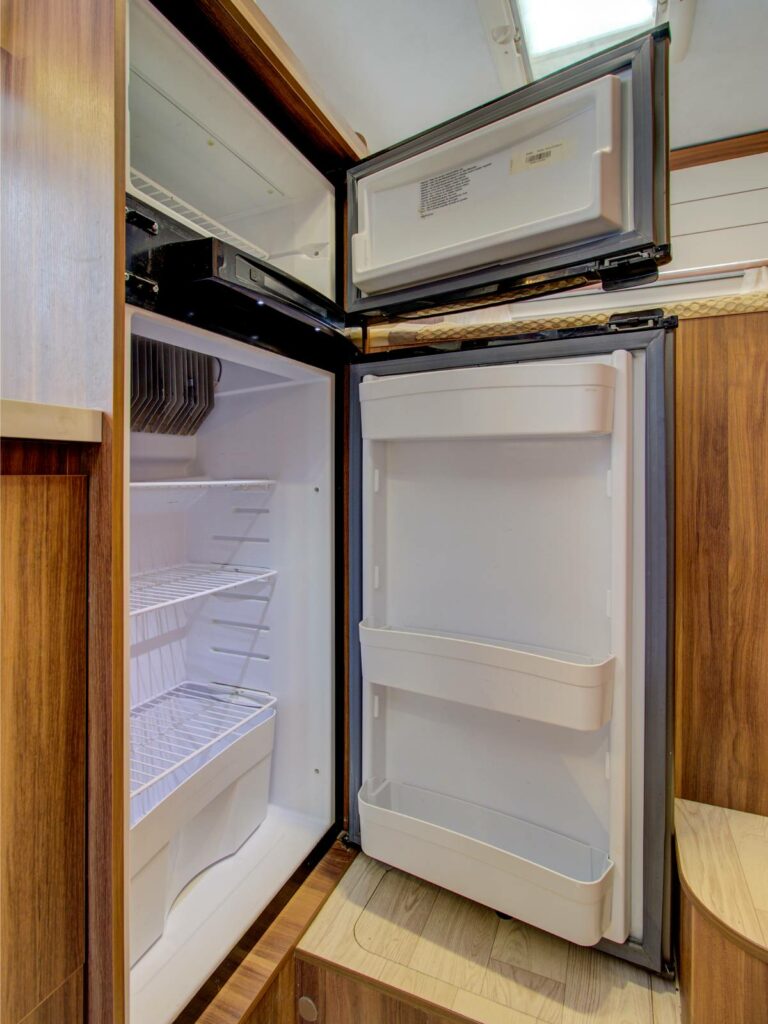
Are you curious about how your RV refrigerator keeps your food fresh while you’re on the road? Understanding the mechanics behind these unique appliances can transform your travel experience.
Unlike regular home fridges, RV refrigerators use a different method to cool your groceries, making them perfect for mobile adventures. By diving into how they work, you’ll not only appreciate the technology but also learn how to maintain and troubleshoot your fridge effectively.
Imagine never having to worry about spoiled food on your trips again! Ready to unlock the secrets of your RV fridge and ensure it runs smoothly on every journey? Keep reading to discover the fascinating world of RV refrigeration and empower yourself with knowledge that enhances your travel lifestyle.

Credit: blog.campingworld.com
Types Of Rv Refrigerators
RV refrigerators come in different types, each with unique features. Knowing these types helps you choose the right one for your RV. Each type uses different technology to keep your food cold and fresh during your travels.
Absorption Refrigerators
Absorption refrigerators use a heat source to cool inside the fridge. They work with propane, electricity, or even gas. These refrigerators have no moving parts, making them quiet and durable. They are common in RVs because they use little electricity. They cool by evaporating a liquid inside the fridge system.
Compressor Refrigerators
Compressor refrigerators work like home refrigerators. They use a compressor and coolant to remove heat. These models run on 12V DC or 110V AC power. They cool faster and keep a steady temperature. They use more electricity but are very efficient in hot weather. These refrigerators are ideal for RVs with good power sources.
Thermoelectric Refrigerators
Thermoelectric refrigerators use electricity to create a heat difference. They have no compressor or coolant. These fridges are lightweight and use less power. They work best in small spaces like RVs or cars. They cool but do not freeze. These are good for short trips or small cooling needs.

Credit: www.youtube.com
Basic Cooling Principles
Understanding the basic cooling principles behind RV refrigerators can help you maintain your appliance better and troubleshoot issues more effectively. These refrigerators are designed to keep your food fresh and drinks cold, even when you’re off the grid. Let’s dive into the core concepts that make this possible.
Heat Transfer Methods
RV refrigerators remove heat from inside the cooling compartment and release it outside. This happens through three main heat transfer methods: conduction, convection, and radiation.
- Conduction:Heat moves through solid materials, like the metal walls of the refrigerator.
- Convection:Air or liquid circulates heat away from surfaces; inside the fridge, cool air sinks while warm air rises.
- Radiation:Heat transfers as infrared energy, which can be absorbed or emitted by surfaces.
When your RV fridge is running, it uses these processes to keep the inside cold while pushing unwanted heat outside. Have you noticed the warmth near the fridge’s back panel? That’s heat being expelled.
Refrigerant Cycle
The refrigerant cycle is the heart of how RV refrigerators cool. This cycle uses a special fluid called refrigerant that absorbs heat from inside and carries it outside.
Here’s what happens:
- The refrigerant evaporates inside the cooling unit, absorbing heat and turning into a gas.
- This gas is then compressed, raising its temperature and pressure.
- The hot gas moves through coils where it releases heat to the outside and turns back into a liquid.
- The liquid refrigerant then expands and cools down, ready to absorb heat again.
Think of it like a continuous loop moving heat out of your fridge. If you’ve ever seen frost build up or heard a faint hissing, that’s the refrigerant at work.
Energy Sources
RV refrigerators are versatile because they can run on multiple energy sources. You can switch between propane gas, 12-volt DC power from your battery, or 120-volt AC power when connected to shore power.
- Propane Gas:Uses a flame to create heat in the absorption cooling process. It’s great when you’re off-grid and don’t want to drain your battery.
- 12-Volt DC Power:Runs on your RV’s battery and is handy while driving or when solar panels charge your battery.
- 120-Volt AC Power:Uses electricity from a campsite hookup or generator. It’s the most energy-efficient option for stationary use.
Choosing the right energy source can affect how well your fridge cools and how long it runs. Have you ever experimented with switching power modes to see which one keeps your food coldest?
How Absorption Rv Refrigerators Operate
Absorption RV refrigerators use a unique cooling method without moving parts. They rely on heat to drive a chemical process that cools the interior. This technology works quietly and efficiently, perfect for RV life.
Ammonia-water Solution
The core of an absorption refrigerator is a mix of ammonia and water. Ammonia acts as the refrigerant, while water helps circulate it. This solution moves through the system, changing states to absorb and release heat.
Heat Source Role
Heat is essential to start the cooling cycle. It can come from propane, electricity, or even vehicle engine heat. This heat causes the ammonia to boil and separate from the water, beginning the cooling process.
Cooling Process Steps
- Heat boils the ammonia-water mix in the generator.
- Ammonia gas rises and moves to the condenser.
- In the condenser, ammonia gas cools and turns into liquid.
- Liquid ammonia flows into the evaporator where it meets hydrogen gas.
- Ammonia evaporates, absorbing heat from inside the fridge.
- Ammonia gas returns to the absorber, mixing with water again.
Compressor Refrigerator Mechanics
Compressor refrigerators are common in RVs because they work efficiently in various conditions. They keep food and drinks cold using a mechanical system inside the fridge. Understanding how these mechanics work helps users maintain and troubleshoot their RV refrigerators better.
Compressor Function
The compressor is the heart of the refrigerator. It works like a pump that moves refrigerant through the system. The compressor compresses the refrigerant gas, raising its pressure and temperature. This process starts the cooling cycle inside the fridge. The compressor runs on electricity, either from the RV battery or shore power. It turns on and off to keep the temperature steady.
Refrigerant Compression And Expansion
The refrigerant changes between gas and liquid inside the fridge system. After the compressor compresses the gas, it flows through coils outside the fridge compartment. There, it releases heat and becomes a liquid. The liquid refrigerant moves to an expansion valve. This valve lets the refrigerant expand and cool down quickly. The cold refrigerant absorbs heat inside the fridge, cooling the food. Then, it returns to the compressor to repeat the cycle.
Power Consumption
Compressor refrigerators use electricity efficiently. They consume power only when the compressor runs. The compressor cycles on and off based on the fridge temperature. This cycling saves battery power in an RV. The power use depends on the fridge size and outside temperature. Keeping the fridge door closed helps reduce power consumption. It prevents warm air from entering and causing the compressor to run more.
Thermoelectric Cooling Explained
Thermoelectric cooling is a fascinating technology used in some RV refrigerators to keep your food fresh without the need for traditional compressors or gases. It works by using electricity to transfer heat from one side of a device to the other, creating a cooling effect. Understanding how this process functions can help you appreciate the simplicity and reliability of thermoelectric RV refrigerators.
Peltier Effect
The Peltier effect is the heart of thermoelectric cooling. It happens when an electric current flows through two different conductors or semiconductors, causing heat to move from one side to the other.
This means one side gets cold while the other side gets hot. In an RV refrigerator, the cold side cools the inside, and a fan or heat sink removes heat from the hot side to the outside.
Have you noticed how some small coolers in your RV stay quiet and vibration-free? That’s because they use the Peltier effect instead of a compressor. It’s a clean and simple way to cool, especially useful when you want silence and fewer moving parts.
Efficiency And Use Cases
Thermoelectric coolers are not as powerful as compressor-based systems. They work best in smaller spaces or when you don’t need to keep things extremely cold.
They are highly efficient in situations where ambient temperatures are moderate, typically below 80°F (27°C). If it’s hotter outside, these coolers struggle to maintain low temperatures inside.
Because of this, thermoelectric RV refrigerators are ideal for:
- Small food and drink coolers
- Camping trips where you want a lightweight, quiet option
- Supplementary cooling in larger RV setups
Would you consider a thermoelectric fridge for your next trip if you knew it means less noise and fewer mechanical issues? It’s a trade-off worth thinking about, especially if your travel plans don’t involve extreme heat.
Power Options And Management
Understanding the power options and management for your RV refrigerator is crucial to keep your food fresh and drinks cold no matter where you are. Your fridge’s ability to run efficiently depends on how well you manage its energy sources. Knowing the pros and cons of each power option helps you make smart choices on the road.
Propane Use
Many RV refrigerators use propane as a primary energy source. Propane is reliable and works well when you’re off-grid or camping in remote areas without electricity. It heats the cooling unit to create the cooling effect, which is different from how traditional electric fridges operate.
One benefit of propane is that it doesn’t drain your batteries, allowing you to conserve electrical power for other devices. However, you should always check for leaks and ensure proper ventilation for safety. Have you ever experienced the convenience of using propane while camping far from any power hookups?
Electricity Sources
Electricity powers RV refrigerators either through 120V AC shore power or 12V DC from the RV’s battery system. Shore power is the easiest and most stable source, offering consistent cooling when you’re parked at a campground with hookups. On the other hand, running your fridge on 12V DC can drain your batteries quickly if not managed carefully.
To avoid running out of power, monitor your battery levels regularly and limit other high-draw appliances when relying on battery power. Do you pay attention to how much electricity your fridge uses compared to other devices in your RV?
Battery And Solar Integration
Integrating solar panels with your RV’s battery system can extend your fridge’s runtime without draining your main power source. Solar energy charges your batteries during the day, creating a sustainable and eco-friendly power supply. This setup is especially useful for long trips or boondocking where shore power isn’t available.
Keep in mind that solar efficiency depends on weather and panel size, so it’s important to size your system to match your fridge’s energy needs. Have you considered how solar power could free you from relying on campgrounds and generators?
Maintenance Tips For Rv Refrigerators
Keeping your RV refrigerator in top shape is essential for a smooth travel experience. Regular maintenance not only extends the life of your appliance but also ensures your food stays fresh. Let’s dive into some practical tips that you can apply right away.
Cleaning Procedures
Start with a thorough cleaning inside and out. Remove all food items and unplug the fridge before cleaning. Use a mild soap solution and a soft cloth to wipe down the interior surfaces—avoid harsh chemicals that can damage the lining.
Don’t forget to clean the door seals carefully. Dirt and debris here can cause the door to not close properly, leading to cooling inefficiencies. A damp cloth and a bit of baking soda can help remove any stubborn grime.
Ventilation Importance
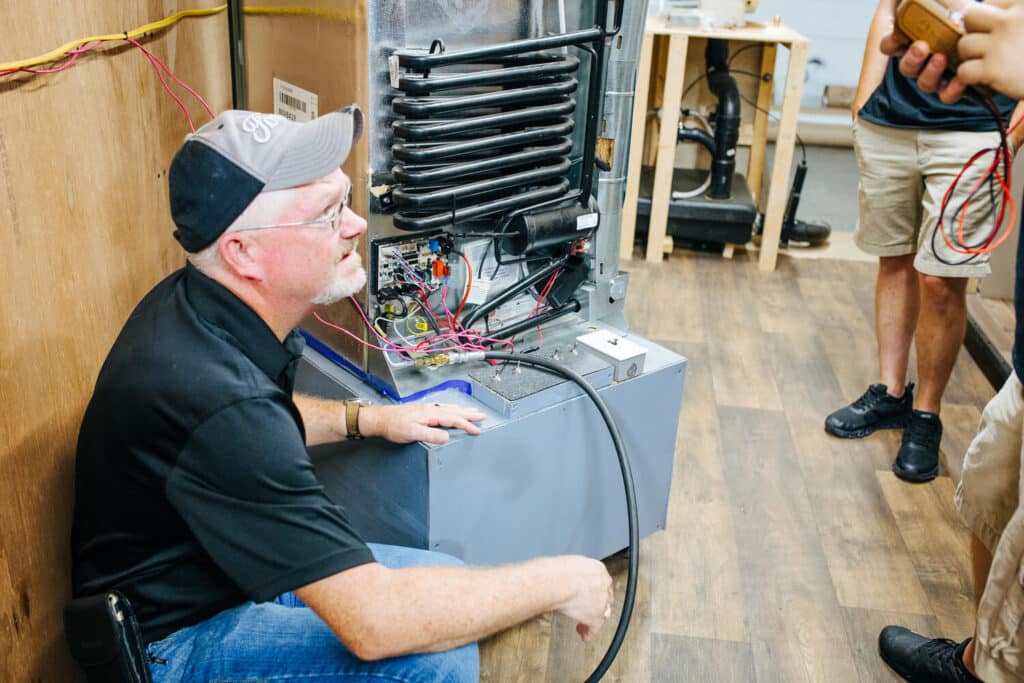
Good airflow around your RV refrigerator is crucial. Poor ventilation can cause your fridge to overheat and work harder, which drains power and shortens its lifespan. Make sure the vents are free from obstructions like dust, leaves, or even camping gear.
Have you checked your vent fans lately? Keeping them clean and functional helps maintain consistent airflow. This simple step can prevent many cooling problems before they start.
Troubleshooting Common Issues
If your fridge isn’t cooling well, start by checking the thermostat settings. Sometimes it’s as simple as an accidental adjustment. Next, inspect the power source—whether electric or gas—to ensure it’s stable and connected properly.
Look out for frost buildup or unusual noises, which often indicate a deeper problem. Have you experienced a fridge that runs constantly but doesn’t cool? This might signal a need for professional servicing, but checking seals and ventilation first can save you a call.
Maximizing Cooling Efficiency
Maximizing the cooling efficiency of your RV refrigerator helps keep food fresh longer and saves energy. Small changes can improve how well your fridge works. Understanding key factors that affect cooling can make a big difference in performance.
Proper Vent Placement
Good vent placement is crucial for airflow and heat release. Make sure vents are not blocked by furniture or other items. Clear space around vents allows warm air to escape easily. Position the fridge in a spot with adequate ventilation. This prevents overheating and helps the cooling system work better.
Temperature Settings
Set the temperature to the recommended level for your fridge type. Too cold wastes energy and may freeze food. Too warm can spoil items quickly. Check settings regularly, especially during hot weather. Adjust the thermostat slowly to find the best balance of cooling and power use.
Load Management
Organize fridge contents for even cooling. Avoid overloading, as this blocks airflow inside. Keep items spaced to allow cold air to circulate freely. Store leftovers in airtight containers to maintain moisture. Remove old or spoiled food to prevent extra work for the fridge.
Credit: blog.campingworld.com
Frequently Asked Questions
How Do Rv Refrigerators Stay Cool Without Power?
RV refrigerators use absorption cooling technology, which relies on heat sources like propane or electricity. This process circulates ammonia and water to remove heat, keeping the fridge cool even without traditional power.
Can Rv Refrigerators Run On Propane And Electricity?
Yes, RV refrigerators are designed to run on both propane and electricity. This dual power option provides flexibility, allowing you to cool your fridge on the road or at campsites without electrical hookups.
What Maintenance Is Needed For Rv Refrigerators?
Regularly clean the cooling fins and check for propane leaks. Ensure proper ventilation around the fridge to prevent overheating and maintain efficient cooling performance during your travels.
Why Is Ventilation Important For Rv Refrigerators?
Ventilation removes heat generated by the absorption process. Proper airflow prevents overheating and ensures your RV refrigerator runs efficiently and maintains the correct temperature.
Conclusion
RV refrigerators use special cooling methods to keep food fresh. They work on electricity or gas to cool the inside. Understanding their function helps you use them better. Knowing the basics saves energy and extends the fridge’s life. You can enjoy fresh food on the road with less worry.
Choosing the right fridge fits your travel style and needs. Simple care and proper use keep your RV fridge running well. Keep these points in mind for a smooth camping experience.