Are you tired of sweating through hot days and nights? Portable air conditioners might be the answer you’ve been looking for.
But how do these handy devices actually work to cool your space? Understanding the simple science behind portable air conditioners can help you make the best choice for your home or office. Stick with me, and you’ll discover how these machines turn warm air into cool comfort—and why they could be the perfect solution for your cooling needs.
Ready to feel the chill? Let’s dive in!
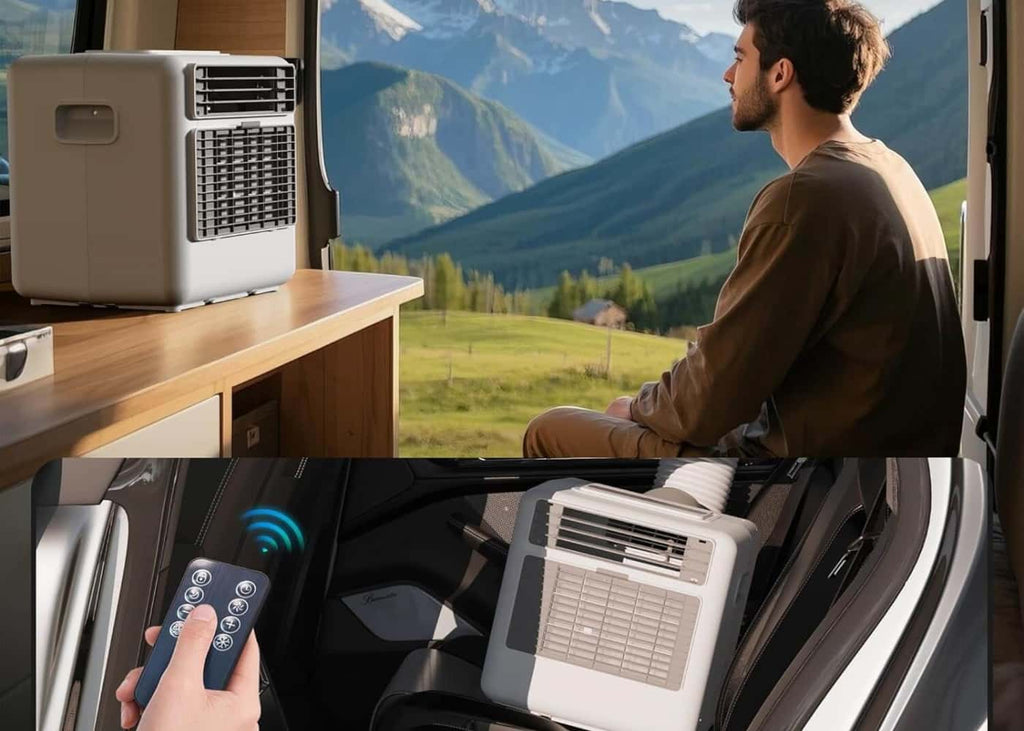
Credit: karinearappliances.com
How Portable Acs Cool Air
Portable air conditioners cool the air in a room by removing heat and moisture. They work by moving warm air over cold coils inside the unit. This process lowers the air temperature before it is released back into the room.
Understanding how portable ACs cool air helps you see why they are useful for temporary or flexible cooling needs. The key parts include a refrigerant, a compressor, and a heat exchange system.
Basic Cooling Process
Portable air conditioners use a cycle to cool air. The warm air from the room is drawn into the unit. It passes over cold evaporator coils. The coils absorb heat from the air and cool it down.
- Warm air enters the AC unit.
- Air passes over cold evaporator coils.
- Heat is absorbed by the coils.
- Cool air is blown back into the room.
- Warmth is moved outside through a vent.
Role Of Refrigerant
The refrigerant is a special fluid inside the AC that absorbs and releases heat. It changes from a gas to a liquid and back. This change helps carry heat out of the room.
| Refrigerant Stage | Function |
|---|---|
| Gas | Absorbs heat from the indoor air. |
| Liquid | Releases heat outside the room. |
| Cycle | Repeats to keep cooling air continuously. |
Heat Exchange Mechanism
The heat exchange system moves heat from inside to outside. The compressor pumps the refrigerant through coils. Inside coils absorb heat. Outside coils release heat to the air outside.
Heat Exchange Cycle Explained:
- Warm indoor air cools down as it passes over the evaporator coils.
- The refrigerant inside the coils absorbs this heat and turns into a gas.
- The compressor pushes the hot gas to the condenser coils outside.
- Heat leaves the refrigerant, cooling it back to liquid.
- The cooled refrigerant returns to the evaporator coils to repeat the cycle.
Key Components Inside
Portable air conditioners have parts that work together to cool your room. Knowing these parts helps you understand how they keep you comfortable.
This guide explains the main components inside a portable air conditioner and their jobs.
Compressor Function
The compressor is like the heart of the air conditioner. It pumps refrigerant through the system.
The compressor raises the pressure of the refrigerant. This makes the refrigerant hot and ready to cool the air.
Evaporator And Condenser Coils
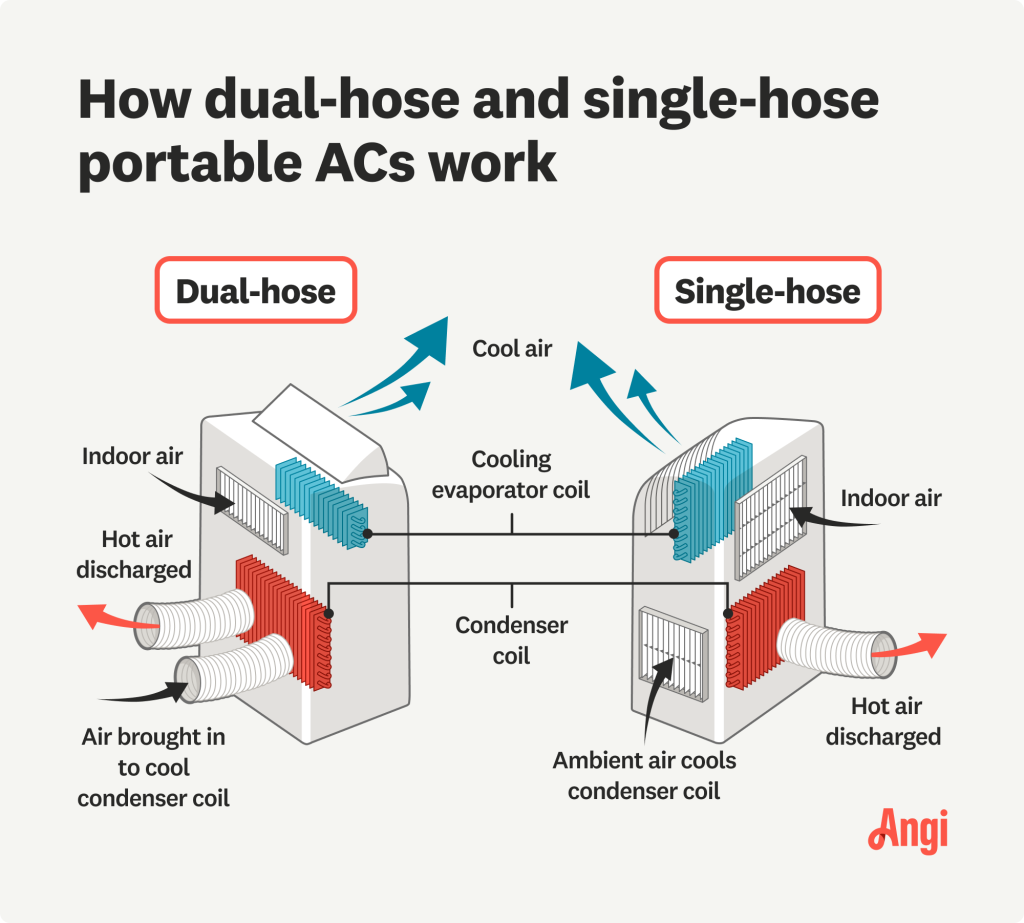
The evaporator coil cools the air inside your room. It absorbs heat from the air and cools it down.
The condenser coil releases heat outside. It moves the heat from inside the room to the outside air.
- Evaporator coil cools the indoor air
- Condenser coil sends heat outside
- Both coils use refrigerant to transfer heat
Fans And Vents
Fans move air through the air conditioner. One fan pulls warm air inside and blows cool air out.
Vents direct the cooled air into your room. They also help push hot air outside through a hose.
- Indoor fan circulates cool air in the room
- Exhaust fan pushes hot air outside
- Vents guide air flow efficiently
Ventilation And Heat Removal
Portable air conditioners cool rooms by moving hot air outside. They use ventilation to remove heat from the space.
Understanding how these units vent and remove heat helps you use them correctly and efficiently.
Exhaust Hose Purpose
The exhaust hose carries hot air from the air conditioner to the outside. This stops the room from heating up.
Without the exhaust hose, the hot air would stay inside, making the room warmer.
Managing Hot Air
Portable air conditioners pull warm air from the room. They cool it by removing heat and moisture.
The heat is pushed out through the exhaust hose. This process keeps the room cool and dry.
- Warm air enters the unit
- Heat is extracted inside the unit
- Cooled air is sent back to the room
- Heat leaves through the exhaust hose
Proper Vent Setup
Setting up the exhaust hose correctly is important. It should lead directly outside through a window or vent.
Make sure the hose is straight and not kinked. This helps the hot air flow freely and prevents damage.
- Use window kits to seal gaps
- Keep the hose as short as possible
- Avoid bends or sharp turns
- Check for leaks around the vent

Credit: www.youtube.com
Types Of Portable Acs
Portable air conditioners come in different types. Each type works in a unique way to cool your space.
Understanding these types helps you pick the right one for your needs and room size.
Single-hose Models
Single-hose portable ACs use one hose to pull hot air from the room and release cooled air back inside. They remove heat by venting warm air outside through a window or vent.
These models are easier to install and usually cost less. They work best in smaller rooms but can lower air pressure inside, which may cause warm air to enter from other areas.
Dual-hose Models
Dual-hose portable ACs have two hoses. One hose brings in outside air to cool the unit, while the other pushes hot air outside. This design helps the AC cool the room more efficiently.
- Does not reduce indoor air pressure
- Cools rooms faster
- Uses outside air for better performance
- Usually more expensive than single-hose models
Evaporative Coolers
Evaporative coolers use water to cool the air. They pull warm air through wet pads, which cools the air by evaporation. This cooled air is then blown into the room.
| Feature | Evaporative Coolers | Portable ACs (Single/Dual Hose) |
| Cooling Method | Evaporation of water | Refrigeration cycle |
| Best Use | Dry climates | Humid and dry climates |
| Energy Use | Lower energy consumption | Higher energy consumption |
| Humidity | Adds moisture to air | Removes moisture from air |
Energy Use And Efficiency
Portable air conditioners cool a room by removing heat and moisture. They use a compressor, fan, and refrigerant to do this.
Knowing their energy use helps you save money and use electricity wisely. Efficiency shows how well they cool with less power.
Power Consumption
Power consumption is the amount of electricity the unit uses. It depends on the size and model of the air conditioner.
Portable ACs usually use between 700 and 1500 watts. Bigger units use more power to cool larger rooms.
- Smaller units use less electricity but cool smaller spaces
- Larger units consume more power but cover bigger rooms
- Running the unit at lower settings uses less energy
Energy Saving Tips
Saving energy helps lower electricity bills. It also reduces wear on the air conditioner.
Simple habits can make your portable AC more efficient and eco-friendly.
- Close windows and doors to keep cool air inside
- Use fans to help spread cool air faster
- Set the temperature to a comfortable but not too low level
- Turn off the unit when you leave the room
- Clean or replace filters regularly for better airflow
Cooling Capacity Ratings
Cooling capacity shows how much heat the unit can remove. It is measured in BTUs (British Thermal Units) per hour.
Choosing the right BTU rating ensures the unit cools your room efficiently without wasting energy.
| Room Size (sq ft) | Recommended BTU |
|---|---|
| Up to 150 | 6,000 BTU |
| 150 – 300 | 8,000 – 10,000 BTU |
| 300 – 500 | 12,000 BTU |
Common Issues And Fixes
Portable air conditioners cool rooms by removing heat and moisture. They are easy to move and use.
Sometimes, these units face common problems. Knowing the causes helps fix them quickly.
Water Drainage Problems
Portable ACs collect water from the air inside a tank or drain it outside. Water can build up and cause issues.
Blocked or full water tanks stop the AC from working well. This can cause leaks or error messages.
- Check if the water tank is full and empty it regularly.
- Clean the drainage hose if the unit has one.
- Make sure the AC is on a flat surface to allow proper drainage.
Poor Cooling Causes
When a portable AC does not cool well, several issues may be the cause. Dirt or wrong settings are common reasons.
Blocked filters reduce airflow. Wrong room size or closed vents also limit cooling.
- Clean or replace air filters often to keep airflow clear.
- Use the AC in a room size it is designed for.
- Keep doors and windows closed to keep cool air inside.
- Check vents and hoses for any blockages or kinks.
Noise And Maintenance
Portable ACs make some noise, but loud sounds may show a problem. Dust or loose parts cause extra noise.
Regular maintenance helps the unit work quietly and last longer.
- Clean the filters and vents to reduce noise.
- Tighten any loose screws or panels.
- Keep the area around the unit clean and free of dust.
- Service the unit yearly for best performance.

Credit: www.popularmechanics.com
Frequently Asked Questions
How Do Portable Air Conditioners Cool A Room?
Portable air conditioners cool by extracting warm air from the room. They use a refrigerant to absorb heat. The heat is then expelled outside through an exhaust hose. This process lowers the room temperature efficiently and quickly.
What Is The Role Of The Exhaust Hose?
The exhaust hose removes hot air and moisture from the room. It vents the heat outside, usually through a window. This prevents the room from heating up. Proper hose installation is key for effective cooling.
Can Portable Air Conditioners Work Without Venting?
No, portable air conditioners need venting to expel heat. Without venting, the hot air stays inside, reducing cooling efficiency. Venting ensures the unit works properly by maintaining airflow and removing warm air.
How Do Portable Air Conditioners Remove Humidity?
Portable air conditioners also act as dehumidifiers. They condense moisture from the air into water, which is collected or drained. This reduces humidity, making the room feel cooler and more comfortable.
Conclusion
Portable air conditioners cool rooms by moving heat outside. They use a fan and refrigerant to remove warm air. These units are easy to install and move from room to room. They work best in small to medium spaces. Proper venting is important for good performance.
Understanding how they work helps you choose the right model. Stay cool and comfortable during hot days with portable ACs. Simple technology, effective cooling.