
Are you tired of sweating through hot days and nights? Portable air conditioners might be the perfect solution for your comfort needs.
But have you ever wondered how these compact machines actually work to cool down your space? Understanding the way portable air conditioners operate can help you choose the right one and use it more effectively. Keep reading, and you’ll discover the simple secrets behind their cooling power—and how they can make your home feel refreshingly cool without the hassle of a full air conditioning system.
Basics Of Portable Air Conditioners
Portable air conditioners have key partsthat help cool a room. These include a compressor, condenser, evaporator, and a fan. The compressor squeezes the refrigerant gas, making it hot. The condenser cools this hot gas into a liquid. The evaporator lets the liquid refrigerant absorb heat from the air inside the room. The fan blows the cool air into the room. Another fan pushes the hot air and moisture outside through a hose. This keeps the room feeling fresh and cool.
The cooling happens because the refrigerant moves heatfrom inside to outside. The air conditioner pulls warm air from the room and blows it over the evaporator. The refrigerant inside absorbs the heat, cooling the air. This cold air goes back into the room. The warm refrigerant gas moves to the condenser outside, where it loses heat to the outside air. This cycle repeats to keep the room cool.

Credit: www.youtube.com
Types Of Portable Air Conditioners
Single-hose portable air conditionerspull air from the room. They cool the air and push hot air outside through one hose. This can lower room pressure, pulling warm air inside from other spaces.
Dual-hose modelsuse two hoses. One hose pulls air from outside to cool the unit. The other hose expels hot air outside. This design keeps room pressure balanced and cools more efficiently.
Evaporative coolerswork differently. They use water to cool air. Warm air passes through a wet pad, which lowers the temperature. These coolers work best in dry climates and use less energy.
Installation And Setup
Choosing the right placementis key for portable air conditioners. Pick a spot near a windowor sliding door for easy venting. Avoid places close to heat sources like ovens or direct sunlight. Make sure the unit has at least 20 inchesof free space around it for good air flow.
Ventilation is very important. The air conditioner needs to push hot air outside. This stops the room from getting warmer. Use the exhaust hoseto guide hot air out through a window or door gap.
- Attach the exhaust hose to the back of the unit.
- Seal the window gap with a window kit or foam strips.
- Keep the hose straight and avoid bending it too much.
- Check that air flows freely through the hose.
Credit: karinearappliances.com
Energy Efficiency And Performance
BTU ratingsshow how much heat a portable air conditioner can remove. Higher BTU means better cooling for bigger rooms. Choosing the right BTU helps save energy and money.
Energy saving featureslike timers and eco modes lower power use. Some models adjust cooling power to match room temperature. This prevents wasting electricity.
Effectiveness depends on room size. Small units cool small rooms well but struggle in large spaces. Large units handle bigger rooms but use more energy. Match the unit size to room size for best results.
Maintenance And Troubleshooting
Filter cleaningkeeps the air conditioner running well. Remove the filter and rinse it with water. Let it dry fully before placing it back. Dirty filters block airflow and reduce cooling.
Drainage managementprevents water leaks and mold. Check the water tank often and empty it if full. Some units have a drain hose; make sure it is not blocked.
| Common Issue | Possible Fix |
|---|---|
| Unit not cooling | Clean filter and check vents are open |
| Water leaks | Empty water tank or clear drain hose |
| Unit won’t turn on | Check power plug and reset circuit breaker |
| Strange noises | Inspect for loose parts or objects inside |
Advantages And Limitations
Portable air conditionersare easy to move. They fit in many rooms without any trouble. You can take them from one room to another. This helps cool only the space you use, saving energy and money.
These units usually make some noise. The sound level varies by model. Some are quiet enough for bedrooms. Others can be louder, which may disturb sleep or work.
Cooling power is not as strong as big air conditioners. Portable units work best for small to medium rooms. They might struggle in very large spaces or very hot weather.
Choosing The Right Unit
Choosing the right portable air conditioner depends on a few key points. The size of the roomis very important. Small units cool small rooms, but larger rooms need bigger units. Check the square footage before buying.
Budget plays a big role too. Some units cost less but may use more energy. Others might be more expensive but save on electricity bills. Balance cost with what you need.
Look for extra features like:
- Timer settingsto save energy
- Multiple fan speedsfor comfort
- Easy-to-clean filtersfor better air quality
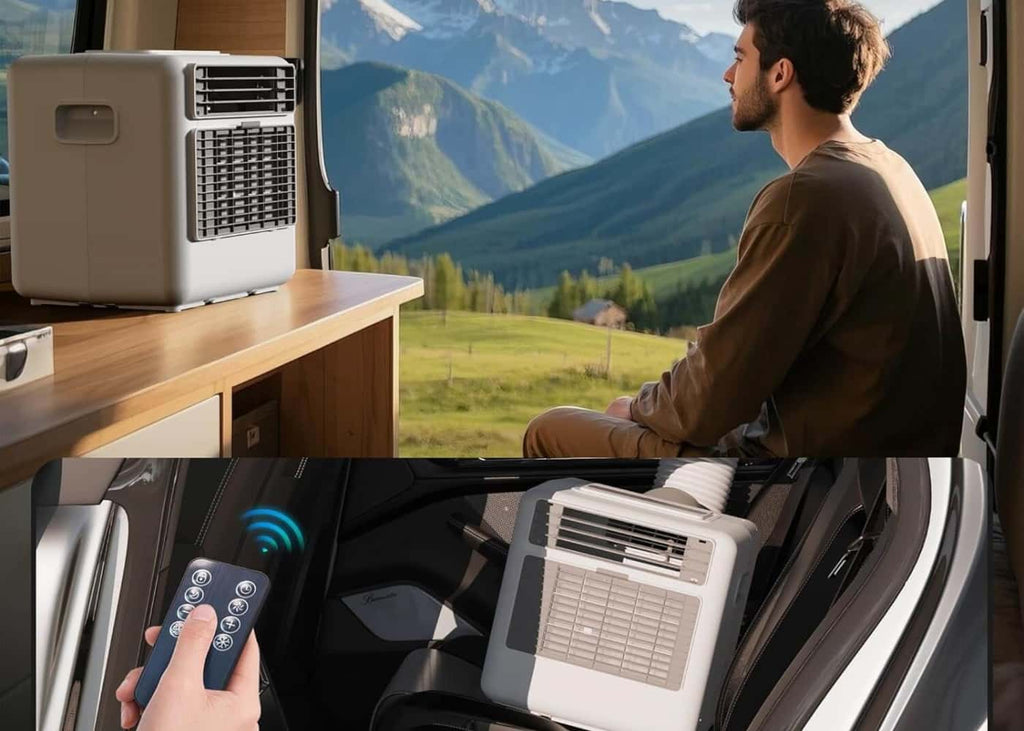
- Remote controlfor convenience

Credit: www.cnet.com
Frequently Asked Questions
How Do Portable Air Conditioners Cool A Room?
Portable air conditioners extract warm air from a room. They use refrigerant to absorb heat. Then, they expel hot air outside via a vent hose. This process cools the air and lowers the room temperature efficiently.
What Is The Role Of The Exhaust Hose?
The exhaust hose removes hot air from the unit to outdoors. It prevents heat from recirculating inside the room. Proper venting is essential for effective cooling. Without it, the portable AC cannot cool properly.
Can Portable Air Conditioners Dehumidify The Air?
Yes, portable air conditioners reduce humidity. They condense moisture from the air during cooling. This helps improve comfort in humid environments. Many models have a built-in dehumidifier mode.
How Much Space Does A Portable Ac Cover?
Portable air conditioners typically cool between 150 to 500 square feet. The cooling capacity depends on the BTU rating. Choose a unit suitable for your room size for best results.
Conclusion
Portable air conditioners cool rooms by moving heat outside. They use a fan to pull warm air in. Then, a cooling coil lowers the air temperature. The warm air leaves through a vent or hose. These units do not need permanent installation.
They offer flexibility and easy use in many spaces. Choosing the right size helps them work well. Maintenance like cleaning filters keeps them efficient. Understanding how they work helps you stay cool all summer. Simple, effective cooling without the hassle.