Have you ever wondered how through the wall air conditioners keep your room cool without taking up any window space? If you’re looking for an efficient way to beat the heat without bulky units blocking your view, understanding how these air conditioners work can help you make the best choice for your home.
You’ll discover the simple yet smart design behind through the wall air conditioners and why they might be the perfect cooling solution for your space. Keep reading to unlock the secrets of staying cool and comfortable all summer long.
Through The Wall Ac Basics
Through the wall air conditioners cool a room by pushing hot air outside. They fit directly into a hole in the wall. This design saves space inside the room.
These units work like window air conditioners but stay fixed in one place. They are a good choice when window units are not possible.
Design And Components
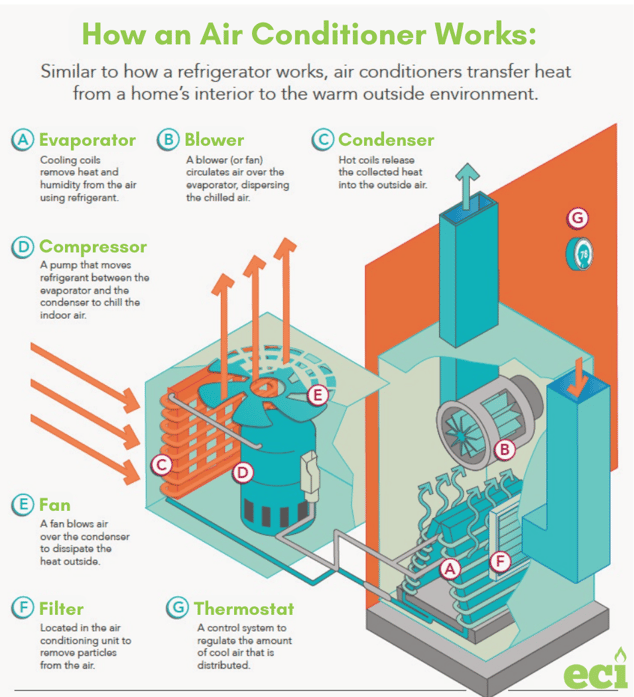
Through the wall ACs have several main parts. Each part helps the unit cool the air efficiently.
- Compressor:Pressurizes the refrigerant to cool the air.
- Condenser Coil:Releases heat outside the room.
- Evaporator Coil:Absorbs heat from the indoor air.
- Blower Fan:Moves air across the coils and into the room.
- Air Filters:Clean dust and particles from the air.
- Thermostat:Controls the temperature inside the room.
Installation Process
Installing a through the wall AC needs careful work to fit it safely and seal the opening well.
| Installation Step | Description |
| Measure the Wall Opening | Check the space for the unit to ensure a proper fit. |
| Cut the Wall | Create a hole sized for the air conditioner. |
| Insert the AC Unit | Place the air conditioner into the wall opening securely. |
| Seal the Edges | Use weatherproof materials to close gaps and stop air leaks. |
| Connect Power | Wire the unit to a power source following safety rules. |
| Test the Unit | Turn on the AC to check cooling and airflow. |
Credit: www.ecicomfort.com
Cooling Mechanism
Through the wall air conditioners cool rooms by moving heat from inside to outside. They use a special system to remove heat and lower the air temperature.
This cooling process is possible because of two main parts: the heat exchange process and the role of refrigerants. Both work together to make the air cool and comfortable.
Heat Exchange Process
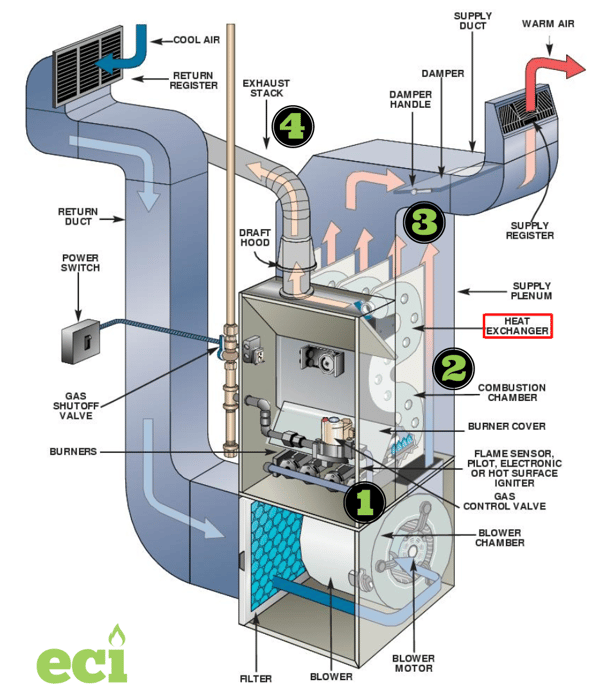
The heat exchange process moves heat from the indoor air to the outside air. This process has two main parts: the evaporator and the condenser.
- Evaporator:This part is inside the room. It absorbs heat from the warm indoor air.
- Condenser:This part is outside the room. It releases the heat into the outside air.
- Air flow:Fans help move air over the evaporator and condenser to speed up heat transfer.
Heat moves from the indoor air to a liquid inside the evaporator. Then, the liquid carries the heat outside and releases it through the condenser.
Role Of Refrigerants
Refrigerants are special fluids that carry heat during the cooling process. They change from liquid to gas and back to liquid to absorb and release heat.
| Stage | Refrigerant State | Function |
| Evaporation | Liquid to Gas | Absorbs heat from indoor air |
| Compression | Gas | Increases pressure and temperature |
| Condensation | Gas to Liquid | Releases heat outside |
| Expansion | Liquid | Reduces pressure to start cycle again |
Airflow System
Through the wall air conditioners cool rooms by moving air through a special airflow system. This system brings in fresh air and removes warm air to keep the room comfortable.
The airflow system has two main parts: intake and exhaust. These parts work together to circulate air inside the room.
Intake And Exhaust
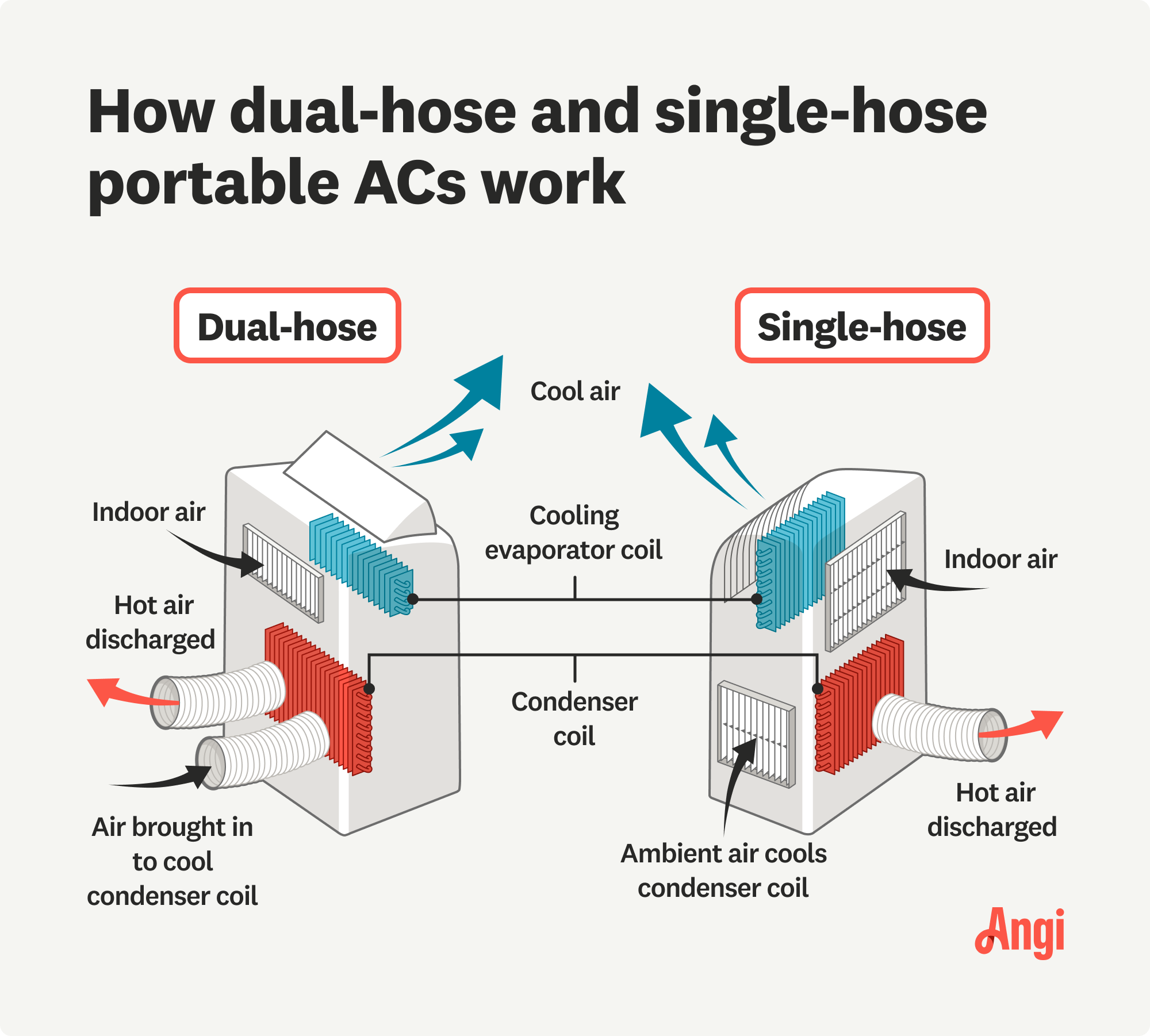
The intake draws warm air from inside the room into the air conditioner. This air passes over cold coils to cool down.
The exhaust pushes hot air from the cooled air and the machine’s motor outside the building. This keeps the room air cool and fresh.
- The intake pulls in warm room air
- Air passes through cooling coils
- The exhaust vents hot air outside
- Exhaust also removes heat from the motor
Air Circulation Inside The Room
Inside the room, cooled air flows out from the air conditioner. It spreads across the space to lower the room temperature.
Fans inside the unit help move the air around. This makes the cooling effect even and comfortable for people inside.
- Cooled air flows into the room
- Fans circulate air evenly
- Warm air is pulled back into the intake
- Continuous cycle keeps room cool
Credit: blog.totalhomesupply.com
Energy Efficiency
Through the wall air conditioners cool rooms by moving heat outside. They use less energy than some other cooling types.
Energy efficiency helps save money on electric bills. It also reduces the impact on the environment.
Power Consumption
Power consumption shows how much electricity the air conditioner uses. Lower power means lower energy costs.
Through the wall units often use less power than window models. They fit better and seal gaps to keep cool air inside.
Seer Ratings Explained
SEER stands for Seasonal Energy Efficiency Ratio. It measures how well an air conditioner cools over a season.
A higher SEER rating means better energy efficiency. It shows the unit uses less power to cool the same space.
- SEER 13 to 15: Standard efficiency
- SEER 16 to 19: Good energy savings
- SEER 20 and above: Very efficient units
Maintenance Tips
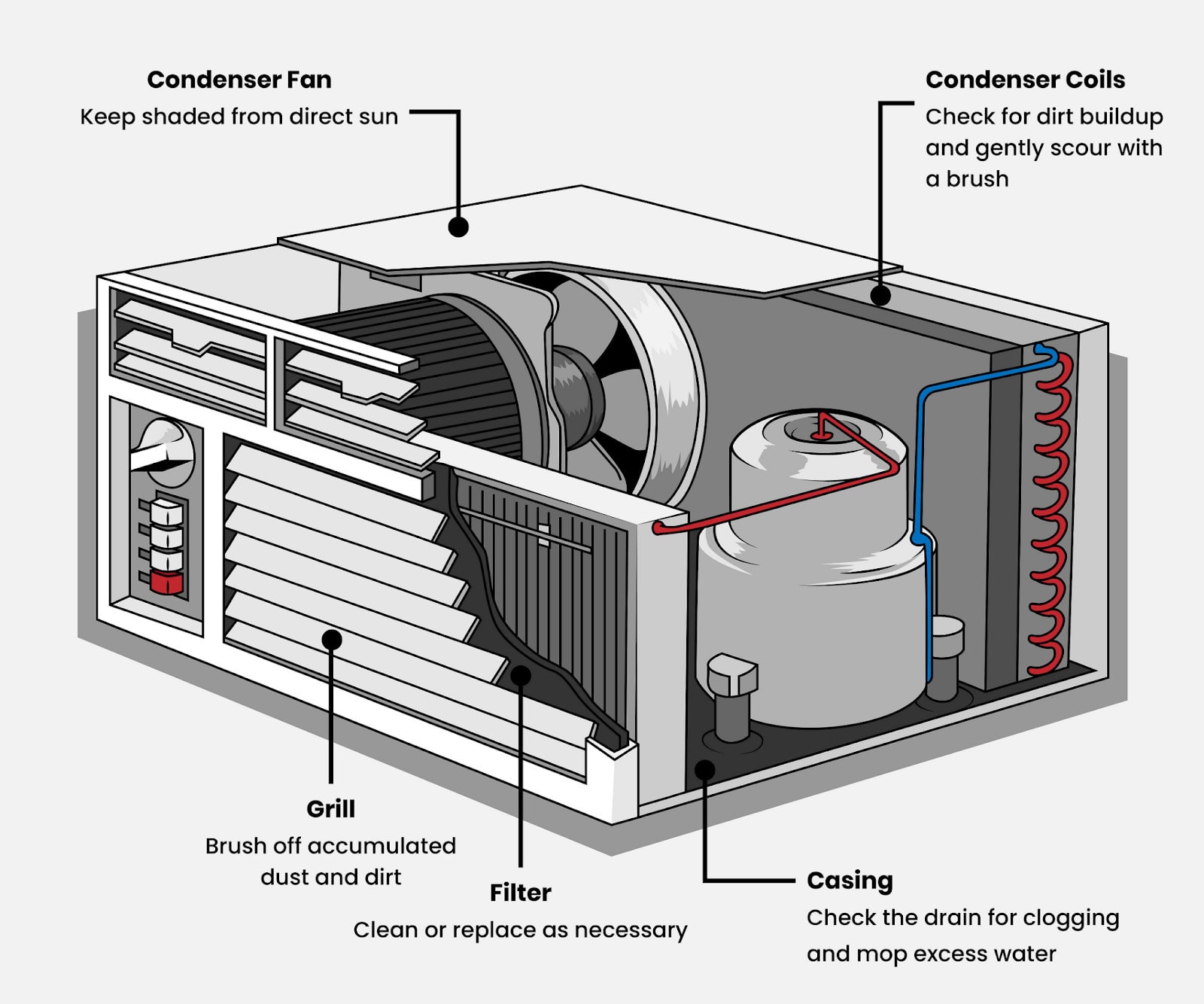
Keeping your through the wall air conditioner in good shape helps it last longer. Regular maintenance keeps it working well and saves energy.
Simple care tasks can stop many common problems. Check your unit often to make sure it stays clean and runs smoothly.
Cleaning Filters
Filters trap dust and dirt from the air. If filters get clogged, the air conditioner works harder and cools less.
Clean the filters every month during use. This helps air flow better and keeps the air fresh.
- Turn off and unplug the unit before cleaning.
- Remove the filter gently from the unit.
- Wash the filter with warm water and mild soap.
- Let the filter dry completely before putting it back.
- Replace filters if they are torn or very dirty.
Troubleshooting Common Issues
Some problems can happen with through the wall air conditioners. Knowing simple fixes can save time and money.
Check these common issues and what to do about them.
- Unit not cooling:Clean or replace filters and check if the thermostat is set correctly.
- Strange noises:Make sure the unit is secure and clean any debris around the fan.
- Water leaks:Check if the drain is clogged or the unit is tilted incorrectly.
- Unit won’t turn on:Confirm power supply and reset the circuit breaker if needed.
Benefits And Drawbacks
Through the wall air conditioners cool a room by fitting directly into an exterior wall. They work by pushing hot air outside and bringing cool air inside. These units offer some unique benefits and drawbacks compared to other air conditioners.
Understanding the advantages and potential limits can help you decide if this type suits your space. Let’s explore how these units compare to window air conditioners and what issues may arise.
Advantages Over Window Units
Through the wall air conditioners do not block windows. This keeps your natural light and view clear. They also offer a cleaner look on the outside wall.
These units are more secure. They fit tightly in the wall, making it harder for intruders to enter. They also reduce outside noise better than window units.
- Keeps window space free for light and air
- Improves home security by blocking easy entry points
- Reduces outdoor noise more effectively
- Has a neater appearance on the outside wall
Potential Limitations
Installing a through the wall unit needs cutting a hole in the wall. This can be costly and may need professional help. It also requires careful sealing to avoid leaks.
These units are usually fixed in one place. You cannot move them like window units. Sometimes, they also cost more upfront and need more maintenance.
- Requires wall modification for installation
- Needs proper sealing to prevent air leaks
- Not portable or easy to move
- Higher initial cost compared to window units
- May need regular maintenance to keep running well
Choosing The Right Unit
Through the wall air conditioners cool rooms by pushing heat outside. Choosing the right unit helps keep your space comfortable.
Picking a unit that fits your room size and needs improves cooling and saves energy.
Sizing Guidelines
Choose a unit size based on your room’s square footage. Too small units will not cool well. Too large units waste energy.
Measure your room and check the unit’s cooling capacity in BTUs. Match the BTUs to your room size for best results.
- Up to 150 sq ft: 5,000 BTUs
- 150 to 250 sq ft: 6,000-8,000 BTUs
- 250 to 350 sq ft: 8,000-10,000 BTUs
- 350 to 450 sq ft: 10,000-12,000 BTUs
Feature Comparison
Look at features like energy efficiency, noise level, and controls. These affect comfort and cost.
Some units have remote controls or timers. Others offer energy saver modes or multiple fan speeds.
| Feature | Benefit |
|---|---|
| Energy Efficiency (EER) | Lower power bills |
| Noise Level | Quieter operation |
| Remote Control | Easy adjustments |
| Timer | Set cooling times |
| Multiple Fan Speeds | Custom airflow |
Credit: www.angi.com
Frequently Asked Questions
How Do Through The Wall Air Conditioners Work?
Through the wall air conditioners pull warm air from inside the room. They cool it using refrigerant and release it outside. This process lowers indoor temperature efficiently without needing a window unit.
Are Through The Wall Air Conditioners Energy Efficient?
Yes, they are energy efficient because they cool specific rooms directly. Their sealed design prevents air leaks, reducing energy waste and lowering electricity bills compared to window or portable AC units.
Can Through The Wall Air Conditioners Be Installed Easily?
Installation requires a precise wall opening and professional help is recommended. Proper sealing and support ensure optimal performance and prevent air or water leaks, making the unit last longer.
What Maintenance Do Through The Wall Air Conditioners Need?
Regular cleaning of filters and coils is essential. Check for blockages and inspect seals yearly. Proper maintenance improves efficiency and extends the unit’s lifespan.
Conclusion
Through the wall air conditioners offer efficient cooling solutions. They work by drawing in warm air and releasing cool air. Easy to install and maintain. They save space and blend with your decor. Perfect for keeping rooms comfortable during hot days.
Consider your room size before choosing one. Proper installation ensures optimal performance. These units are reliable and practical for home cooling needs. With their simple design, they bring relief and comfort. Enjoy a cooler environment with less hassle. For more cooling tips, explore other energy-saving options.
Stay cool and relaxed.