Have you ever wondered how the food on your plate comes from plants? It’s more than just seeds growing into vegetables or fruits.
Your daily meals depend on a fascinating process that starts deep in the soil and ends with fresh, tasty food. Understanding this journey can change the way you see what you eat and even inspire healthier choices. Let’s explore how plants give us the food we need and why it matters to you.
Keep reading to discover the simple yet amazing steps that bring nature’s bounty right to your table.

Credit: www.youtube.com
Plant Growth And Development
Plants provide us with food through their growth and development. Understanding how plants grow helps us see how they produce fruits, vegetables, and grains.
Plant growth starts from a seed and continues as the plant uses sunlight, water, and nutrients. Each part of the plant plays a role in making food possible.
Seeds And Germination
Seeds are the starting point of plant life. Germination happens when a seed begins to grow into a new plant. It needs water, warmth, and air to start growing.
- The seed absorbs water and swells
- The seed coat breaks open
- The root grows downward to find water
- The shoot grows upward toward the light
- Leaves begin to form for photosynthesis
Photosynthesis And Energy
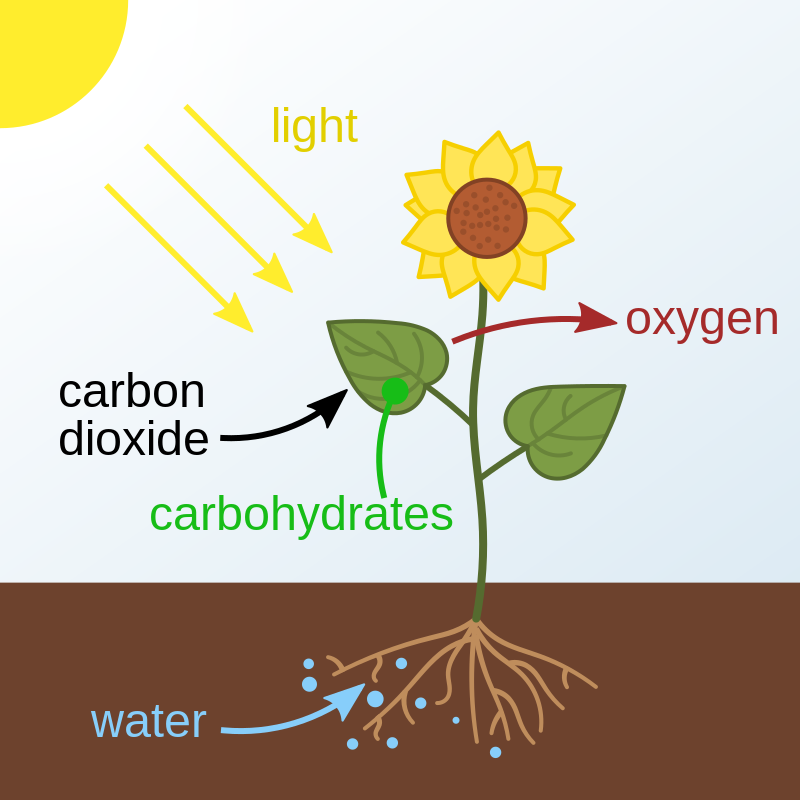
Plants make their food using sunlight in a process called photosynthesis. Leaves capture sunlight and use it to turn water and carbon dioxide into sugar and oxygen.
| Ingredient | Role in Photosynthesis |
| Sunlight | Energy source for making food |
| Water | Absorbed by roots and used in leaves |
| Carbon Dioxide | Taken from the air through leaves |
| Sugar | Food made for plant growth |
| Oxygen | Released into the air as a byproduct |
Roots, Stems, And Leaves
Roots, stems, and leaves work together to support plant growth. Each part has a special job to help the plant get food and stay healthy.
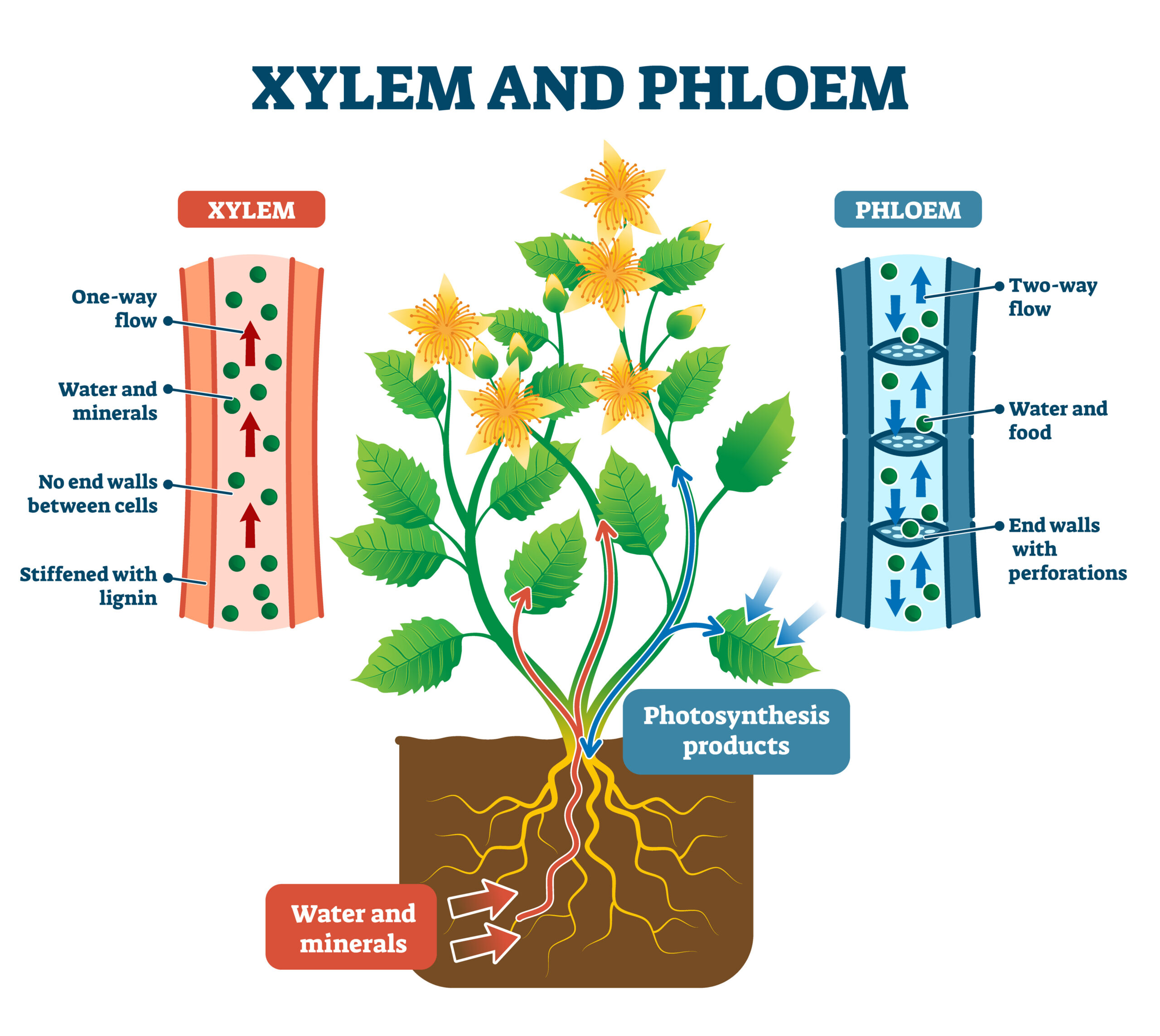
- Roots:Absorb water and minerals from soil
- Stems:Carry water and nutrients to leaves
- Leaves:Make food through photosynthesis
Credit: www.nature.com
Types Of Edible Plant Parts
Plants provide us with many types of food. We eat different parts of plants for nutrition and taste.
Let’s explore some common edible plant parts and how they contribute to our diet.
Fruits And Vegetables
Fruits and vegetables are rich in vitamins and minerals. They are essential for a balanced diet.
- Apples and oranges are popular fruits.
- Carrots and spinach are nutritious vegetables.
- Fruits often contain seeds, while vegetables do not.
Grains And Seeds
Grains and seeds are vital sources of energy. They are often used as staple foods around the world.
| Grain | Common Use |
| Wheat | Bread |
| Rice | Main dishes |
| Quinoa | Salads |
Leaves And Herbs
Leaves and herbs add flavor and aroma to our meals. They are often used in cooking and seasoning.
Roots And Tubers
Roots and tubers are underground plant parts. They are rich in carbohydrates and provide energy.
- Potatoes are tubers and are commonly fried or mashed.
- Carrots are roots and are often eaten raw or cooked.
- Sweet potatoes are nutritious and can be baked or boiled.
Farming Techniques
Plants give us the food we eat every day. Farmers use many ways to grow these plants. These ways help plants grow better and feed many people.
Farming techniques have changed over time. Some methods are old and simple. Others use new tools and ideas to help plants grow faster and healthier.
Traditional Agriculture
Traditional agriculture uses simple tools and natural methods. Farmers often plant many kinds of crops together. They use natural water sources and animal power for work.
- Using hand tools like hoes and sickles
- Planting different crops in the same field
- Using animal manure as fertilizer
- Irrigating fields by rivers or rainwater
- Saving seeds from old crops for next planting
Modern Farming Methods
Modern farming uses machines and new technology. It helps farmers grow more food in less time. They use chemical fertilizers and pesticides to protect plants.
| Method | Purpose | Tools or Materials |
| Mechanized Plowing | Prepare soil quickly | Tractors, plows |
| Use of Fertilizers | Provide nutrients to plants | Chemical or synthetic fertilizers |
| Pest Control | Protect plants from insects | Insecticides and pesticides |
| Irrigation Systems | Water plants efficiently | Sprinklers, drip systems |
Organic And Sustainable Practices
Organic farming avoids chemicals. It uses natural ways to keep soil healthy. Sustainable practices help protect the environment for future farming.
Key practices include:
- Using compost and natural fertilizers
- Rotating crops to keep soil rich
- Using natural pest control like ladybugs
- Saving water with drip irrigation
- Planting cover crops to stop erosion
Harvesting And Processing
We get food from plants by harvesting and processing them. Harvesting means picking the plants or their fruits. Processing changes plants into food we can eat or use.
This process is important to keep food fresh and safe. It also helps food last longer for people to enjoy.
Harvesting Methods
Harvesting can be done by hand or by machines. Small farms often pick crops by hand to avoid damage. Big farms use machines to harvest faster.
Some common methods include cutting, picking, or shaking plants. The method depends on the type of plant and fruit.
- Hand picking is careful and good for delicate fruits.
- Cutting is used for crops like wheat and corn.
- Shaking helps collect nuts or olives from trees.
- Machines can harvest large fields quickly.
Post-harvest Handling
After harvest, plants need to be handled carefully. This stops them from spoiling or getting damaged.
Workers clean, sort, and pack the crops. Sorting removes bad or damaged parts. Cleaning removes dirt and bugs.
- Cleaning to remove dirt and debris
- Sorting to separate good and bad produce
- Packing to protect food during transport
- Cooling to keep food fresh
Storage And Preservation
Proper storage keeps food fresh for longer. Many plants need cool and dry places to stay good.
Preservation methods include drying, freezing, and canning. These stop germs from growing and food from spoiling.
- Drying removes water to prevent mold
- Freezing slows down bacteria growth
- Canning seals food in jars to keep it safe
- Refrigeration keeps food cool and fresh
From Farm To Table
Food from plants goes through many steps before it reaches our plates. Farmers grow crops, then the food travels to markets and stores. Finally, we prepare and cook the food at home.
This process connects farms with our kitchens. It helps us enjoy fresh fruits, vegetables, and grains every day.
Transportation And Distribution
After harvesting, farmers send crops to distribution centers. Trucks, trains, and ships move the food over long distances.
Proper transport keeps food fresh and safe. Cold storage is often used for fruits and vegetables.
- Harvested crops packed carefully
- Transported in refrigerated trucks if needed
- Delivered to warehouses or markets
Markets And Supply Chains
Food reaches stores and markets through supply chains. Wholesalers buy from farmers and sell to retailers.
Retailers stock food for customers to buy. Farmers markets allow buyers to get food directly from growers.
- Farmers sell to wholesalers or markets
- Wholesalers distribute to grocery stores
- Customers shop at stores or farmers markets
Home Preparation And Cooking
Once food is at home, people wash and prepare it. Cooking makes plants safe and tasty to eat.
Different foods require different cooking methods. Some vegetables are steamed, others are roasted or eaten raw.
- Wash fruits and vegetables
- Cut and prepare for recipes
- Cook by boiling, steaming, or baking
- Serve fresh or store leftovers properly
Credit: alabamawildlife.org
Challenges In Plant-based Food Production
Growing food from plants is not always easy. Farmers face many problems that can lower how much food they grow. These challenges affect the quality and amount of food we get from plants.
Understanding these issues helps us find better ways to grow food. This keeps plants healthy and ensures there is enough food for everyone.
Climate Impact
Climate change affects plant growth. Changes in temperature and rainfall can harm crops. Droughts and floods make it hard for plants to survive. These changes can reduce the amount of food plants produce.
- Unpredictable weather causes crop failures
- Extreme heat reduces plant growth
- Water shortages limit irrigation
- Flooding can wash away seeds and nutrients
Pests And Diseases
Pests and diseases damage plants and lower crop yields. Insects, fungi, and bacteria attack plants. They spread quickly and can destroy whole fields. Farmers use different methods to protect plants, but pests keep adapting.
| Pest or Disease | Effect on Plants | Common Control Methods |
| Aphids | Feed on sap, weaken plants | Insecticides, natural predators |
| Powdery Mildew | Fungal growth, reduces photosynthesis | Fungicides, resistant plant varieties |
| Root Rot | Damages roots, kills plants | Good drainage, crop rotation |
Food Security And Sustainability
Growing enough food for the world is a big challenge. Population growth increases demand. We must use land and water wisely to keep farming sustainable. Using harmful chemicals can damage the environment and reduce soil health.
Ways to Improve Food Security and Sustainability:
- Use crop rotation to keep soil healthy
- Plant drought-resistant crops
- Reduce chemical use by using natural fertilizers
- Save water with better irrigation systems
- Support local farming and reduce food waste
Frequently Asked Questions
What Are The Main Parts Of Plants We Eat?
We mainly eat fruits, vegetables, seeds, leaves, stems, and roots from plants. Each part provides different nutrients. Fruits and seeds offer energy-rich carbohydrates. Leaves and stems contain vitamins and minerals. Roots store nutrients and fiber. These parts form the basis of human diets worldwide.
How Do Plants Produce Food For Humans?
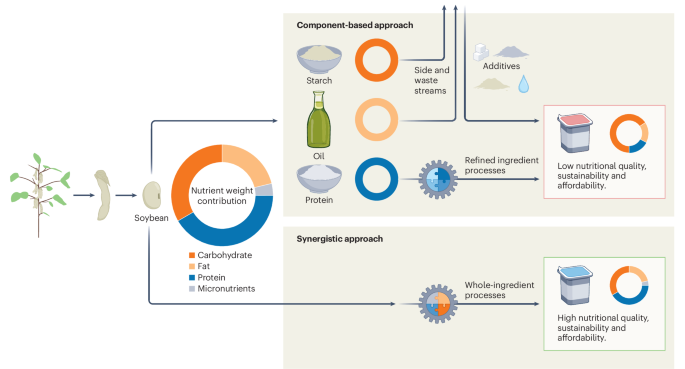
Plants produce food through photosynthesis using sunlight, water, and carbon dioxide. This process creates glucose, a sugar that fuels plant growth. Humans consume plant parts rich in glucose and other nutrients. Thus, plants convert sunlight into energy we directly or indirectly use in our diet.
Why Are Fruits And Vegetables Important In Our Diet?
Fruits and vegetables provide essential vitamins, minerals, and fiber. They support digestion, boost immunity, and reduce disease risks. Eating a variety of plant-based foods ensures balanced nutrition. This promotes overall health and helps maintain energy levels throughout the day.
How Do Seeds Contribute To Our Food Supply?
Seeds are nutrient-dense and form the basis of many staple foods. They contain proteins, fats, and carbohydrates essential for energy. Seeds like wheat, rice, and corn feed billions globally. They also grow new plants, sustaining continuous food production for future generations.
Conclusion
Plants give us food through many natural steps. They grow seeds, leaves, fruits, and roots we eat. Sunlight, water, and soil help plants make food inside. Farmers then harvest and prepare these plants for us. This process connects nature to our daily meals.
Understanding this helps us appreciate every bite. Food from plants feeds the world and keeps us healthy. Simple and amazing.