Have you ever wondered how your window air conditioner cools your room so quickly? Understanding how this handy device works can help you use it better and even save on energy bills.
You’ll discover the simple science behind window air conditioners and learn why they are such a popular choice for keeping cool. By the end, you’ll know exactly what happens inside your unit every time you switch it on—and how to make the most of it for your comfort.
Keep reading to unlock the secrets of your window air conditioner!
Credit: www.premium-electric.ca
Basics Of Window Air Conditioners
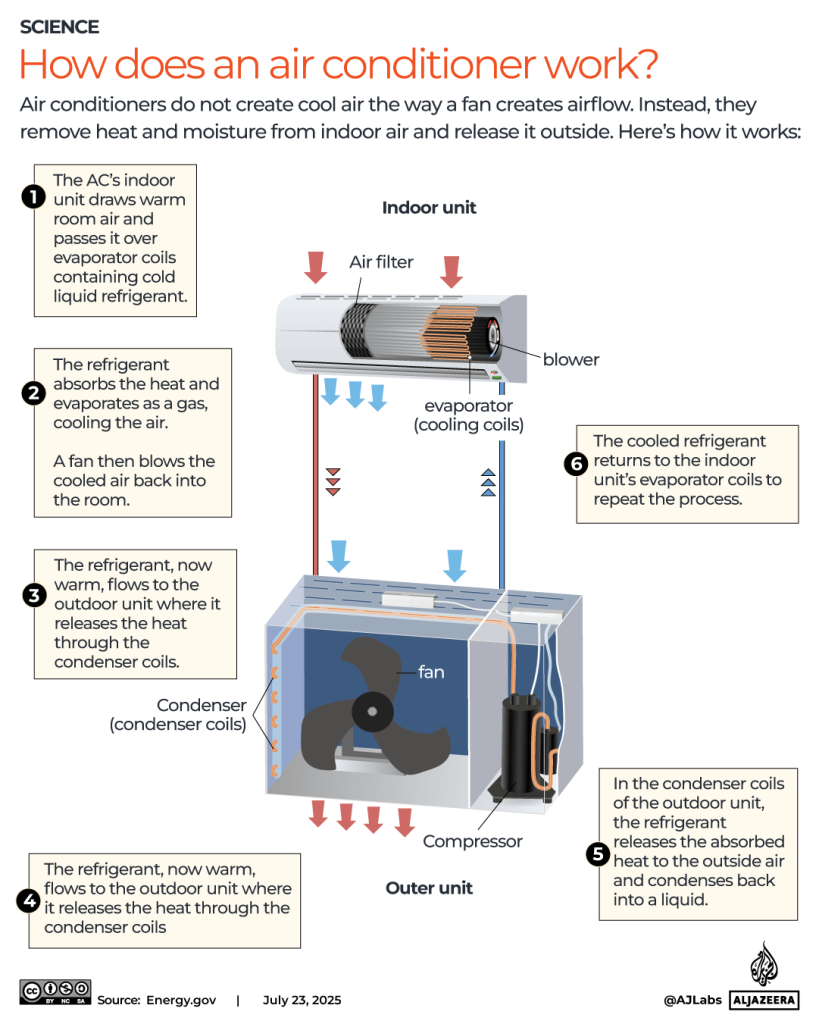
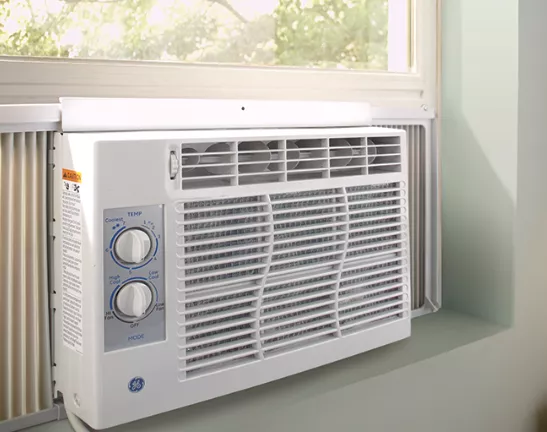
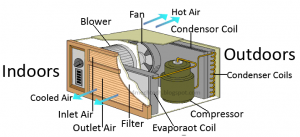
Window air conditioners have several key partsthat work together. These include the compressor, condenser coil, evaporator coil, and a fan. The compressor pushes the refrigerant through the system. The condenser coil cools the hot gas into a liquid. The evaporator coil absorbs heat from inside the room. The fan blows cool air into the space while pushing warm air outside.
The cooling cyclemoves heat out of the room. The refrigerant starts as a cold liquid and absorbs heat inside the evaporator coil. It turns into a warm gas. The compressor then squeezes this gas, making it hot and high-pressure. The condenser coil cools the gas back into a liquid by releasing heat outside. The liquid refrigerant repeats the cycle, keeping the room cool and comfortable.
How Heat Is Removed
The refrigerantis a special fluid that moves heat out of your room. It absorbs heat from inside air and turns into a gas. Then, it carries this heat outside the house.
Heat moves through a process called heat exchange. Inside the air conditioner, warm air from the room passes over cold pipes. The refrigerant in these pipes pulls heat from the air.
The coilsinside help move heat. The warm refrigerant gas goes outside and cools down. It changes back into a liquid and releases heat outside. This cycle keeps repeating to cool the room.
Airflow And Ventilation
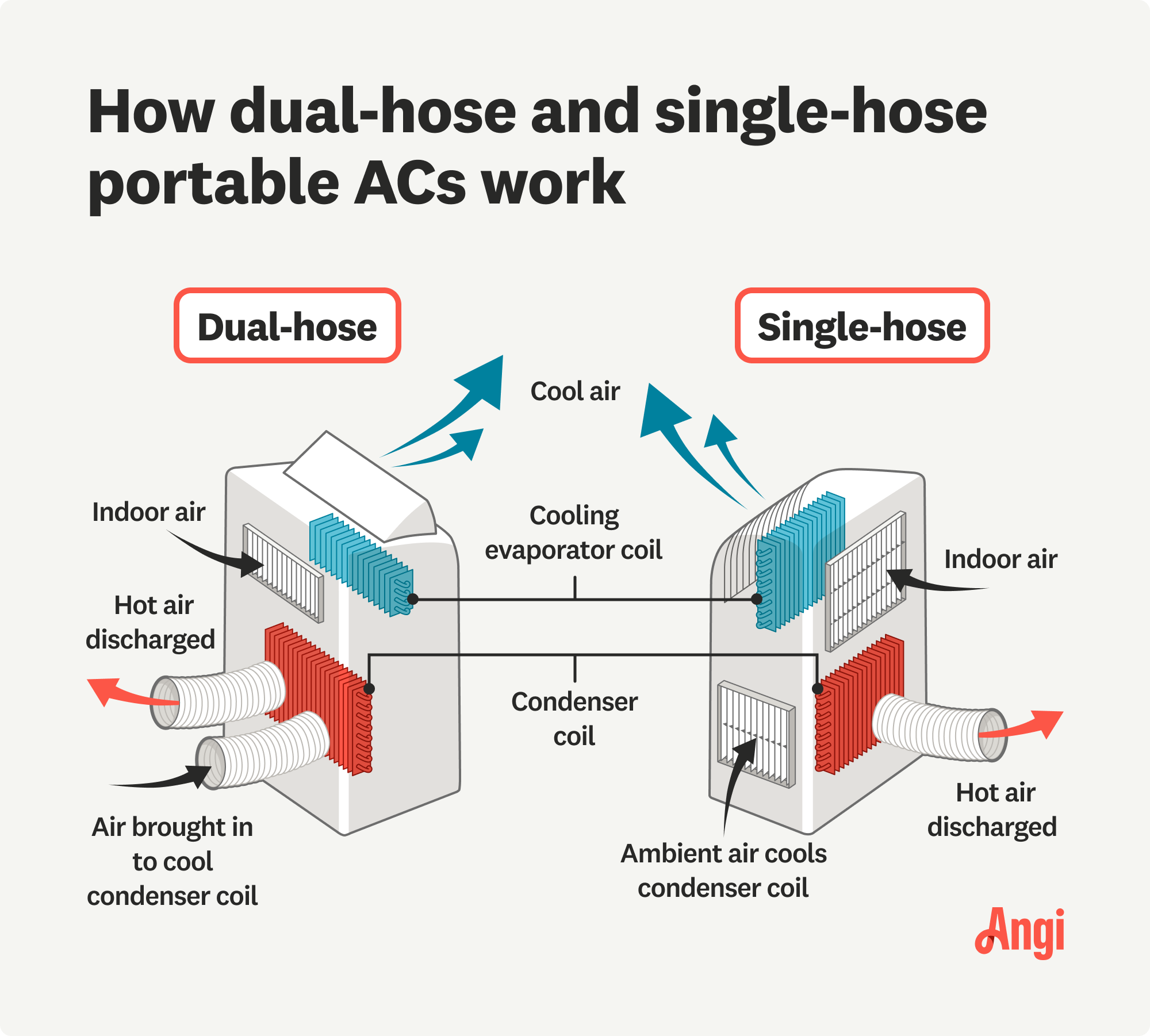
A window air conditioner works by moving air in two directions. It takes warm air from inside the room and cools it down. Then, it blows the cool air back inside. At the same time, it pushes hot air and moisture outside through the back.
The unit has two main parts for airflow: the intake and the exhaust. The intake pulls in warm air from the room. The exhaust sends hot air outside. This keeps the room cool and fresh.
Filters play an important role. They catch dust and dirt from the air before it enters the unit. Clean filters help the air conditioner work better and last longer. Dirty filters can block air and make the unit less effective.
Energy Efficiency Factors
SEER ratingsmeasure how efficiently an air conditioner cools a room. The higher the SEER number, the less energy it uses. This rating helps to compare different models and find one that saves money on electric bills.
Proper sizingis very important. An air conditioner too small won’t cool well. One too big will waste energy and cause humidity problems. Match the AC unit size to your room’s square footage for best results.
| Room Size (sq ft) | Recommended AC Size (BTU) |
|---|---|
| 100 – 300 | 5,000 – 6,000 |
| 300 – 500 | 7,000 – 8,000 |
| 500 – 700 | 9,000 – 10,000 |
| 700 – 1,000 | 11,000 – 12,000 |
Installation Tips
Pick a spot that gets shade for most of the day. This keeps the unit cool and saves energy. Make sure the window is strong and fits the air conditioner tightly. Avoid places with direct sunlight or heavy wind to keep the unit safe.
Seal gaps around the air conditioner with weather stripping or foam. This stops warm air from coming inside. Good insulation helps the unit work better and lowers electricity bills. Check the seals regularly and fix any cracks or holes you find.
Credit: www.angi.com
Maintenance And Troubleshooting
Cleaning the filtersregularly keeps the air conditioner working well. Filters catch dust and dirt that block airflow. Remove the filter and wash it with warm water. Let it dry fully before putting it back. Clean filters help cool the room faster and save energy.
Common issuesinclude the unit not cooling, strange noises, or water leaks. Check if the filter is dirty or clogged. Clean it if needed. If the unit makes noise, tighten loose parts or clean the fan. Water leaks might happen if the drain is blocked. Clear the drain to fix leaks.
Advantages And Limitations
Window air conditionerscost less than central systems. They are easy to install and remove. This makes them perfect for renters or small rooms. These units use less energy, saving money on electric bills. Simple controls make them easy to use for everyone.
But window ACs have cooling limits. They work best in smaller spaces, usually under 500 square feet. Large rooms may not cool evenly. Noise levels can be higher than other AC types. Also, some models block window views or light.
Credit: medium.com
Frequently Asked Questions
How Do Window Air Conditioners Cool A Room?
Window air conditioners cool a room by drawing in warm air, passing it over cooling coils, and then expelling cool air back into the room. The unit uses a refrigeration cycle that involves a compressor, condenser, and evaporator to reduce the air temperature efficiently.
What Are The Main Parts Of A Window Ac?
A window AC consists of the compressor, condenser, evaporator, and fan. The compressor pumps refrigerant through the system. The condenser expels heat from the refrigerant. The evaporator absorbs heat from the room air. The fan circulates air over the coils to cool the room.
Do Window Air Conditioners Use A Lot Of Electricity?
Window air conditioners are generally energy-efficient but can vary in power usage. They consume less electricity than central air systems. To save energy, select a unit with an Energy Star rating. Proper installation and maintenance can also improve efficiency and reduce electricity consumption.
Can Window Air Conditioners Filter Air?
Yes, window air conditioners can filter air using built-in filters. These filters trap dust, pollen, and other particles. Regular cleaning of the filter is essential for optimal performance. Some models offer additional air purification features, such as ionizers, for enhanced air quality.
Conclusion
Window air conditioners cool your room by moving heat outside. They use a simple process with a compressor, coils, and fans. This keeps indoor air fresh and cool. These units are easy to install and save space. Understanding how they work helps you use them better.
Now you can choose and maintain your air conditioner with confidence. Stay cool and comfortable all summer long.