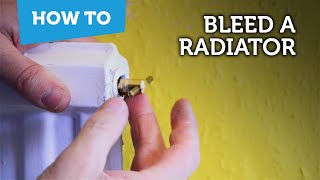
Is your radiator not heating up properly, leaving your home chilly and uncomfortable? You might have trapped air in your hot water heating system.
Bleeding your system can fix this problem quickly and easily, restoring warmth and comfort to your space. You’ll learn exactly how to bleed a hot water heating system step-by-step. By the end, you’ll feel confident tackling this simple task yourself, saving money and staying cozy all winter long.
Let’s get started!

Credit: www.youtube.com
Signs Of Air In Heating System
Air trapped in a hot water heating system can cause problems. It stops water from flowing correctly. This affects how well your heating works.
Knowing the signs of air in the system helps you fix it fast. Look for noises, cold spots, and uneven heat in your radiators.
Noise From Radiators
Air in the pipes makes a lot of noise. You might hear banging, gurgling, or hissing sounds. These noises happen when air moves inside the radiator.
These sounds show that air is stopping water flow. If the noise lasts long, the system needs bleeding to remove the air.
Cold Spots On Radiators
Air inside radiators causes cold spots. Parts of the radiator feel cool while others are warm. This happens because air blocks heat from spreading evenly.
Cold spots mean you should bleed the radiator soon. Removing air helps the heat flow properly again.
Uneven Heating
Air in the heating system makes some rooms warmer than others. You may notice some radiators are hot and others are cool. This uneven heating shows trapped air is a problem.
Fixing this needs bleeding all radiators to remove the air pockets. This restores even heat across your home.

Credit: www.reddit.com
Tools Needed For Bleeding
Bleeding a hot water heating system removes trapped air for better heating. Using the right tools makes the process easier and safer.
Below are the main tools you will need to bleed your radiators effectively.
Radiator Key
A radiator key fits the bleed valve on your radiator. It opens the valve so air can escape. Radiator keys come in different shapes, so choose one that fits your valve.
Cloth Or Towel
A cloth or towel helps catch any water that may drip during bleeding. It also protects your floor and hands from hot water.
- Use an old towel to avoid damage.
- Wrap the cloth around the valve before opening it.
- Keep the cloth ready to wipe spills quickly.
Container For Water
Having a container to collect water is important. It prevents water from spilling onto the floor when you open the bleed valve.
| Container Type | Description | Tips |
|---|---|---|
| Small bowl | Easy to hold under valve | Use a heat-resistant bowl |
| Plastic cup | Lightweight and disposable | Keep spare cups handy |
| Bucket | Holds more water for big radiators | Use if many radiators need bleeding |
Step-by-step Bleeding Process
Bleeding a hot water heating system removes trapped air inside the radiators. This helps the system work better and heats your home evenly.
Follow these clear steps to bleed your radiators safely and correctly.
Turn Off The Heating
Before you start, switch off the heating system. Let the water cool down to avoid burns or leaks.
Turning off the heating also stops new air from entering the system while you bleed the radiators.
Locate The Bleed Valve
Find the bleed valve on the radiator. It is usually at the top corner on one side.
The valve looks like a small round knob or screw. You may need a radiator key or a flat screwdriver to open it.
Release Air From Radiators
Place a cloth or small container under the valve to catch water. Slowly turn the valve to open it.
You will hear air hissing out. When water starts to flow steadily, close the valve tightly.
- Use a radiator key or screwdriver
- Open valve slowly
- Close when water flows without air
Check Pressure And Refill
After bleeding, check the system pressure on the boiler gauge. It should be within the recommended range.
If pressure is low, add water to the system using the filling loop. Do this carefully to avoid overfilling.
- Check boiler pressure gauge
- Use filling loop to add water if needed
- Keep pressure within safe limits
Safety Tips During Bleeding
Bleeding a hot water heating system removes trapped air. This process helps the system work well. Safety is very important during bleeding.
Follow safety tips to avoid injuries. Be careful with hot water and steam. Use the right tools and gear for protection.
Avoid Hot Water Burns
Hot water and steam can cause serious burns. Always check the temperature before opening any valve. Open bleed valves slowly to reduce pressure.
- Turn off the heating system before bleeding.
- Use a cloth or towel to protect your hand.
- Open valves gently to release air and water safely.
- Keep children and pets away from the area.
Use Protective Gear
Wear protective gear to keep yourself safe. Gloves help protect your hands from hot water. Safety glasses shield your eyes from splashes.
| Protective Gear | Purpose |
| Heat-resistant gloves | Protect hands from burns |
| Safety glasses | Protect eyes from hot water splashes |
| Long sleeves | Prevent skin contact with hot surfaces |
| Closed-toe shoes | Protect feet from spills |
Ensure Proper Ventilation
Good airflow is important during bleeding. It helps clear steam and prevents buildup of harmful gases.
Tips for Ventilation:
- Open windows or doors near the heating system.
- Use fans to improve air circulation.
- Avoid working in closed, small spaces without airflow.
Common Mistakes To Avoid
Bleeding a hot water heating system helps remove trapped air. This improves heating efficiency and comfort. Many people make simple mistakes that can cause problems.
Knowing what to avoid makes the process safer and more effective. Here are common errors to watch out for.
Over-bleeding Radiators
Opening the bleed valve too long lets water escape. This lowers the system’s water level and pressure. Over-bleeding can cause leaks or damage.
Only open the valve until air stops hissing out. Then close it quickly to keep water inside the radiator.
- Open the valve slowly
- Stop when water flows steadily
- Close valve tightly to prevent leaks
Ignoring System Pressure
Bleeding radiators lowers system pressure. Not checking pressure can cause heating problems or shut down the boiler. Always watch the pressure gauge during the process.
If pressure falls too low, add water to the system using the filling loop. Keeping pressure in the correct range protects your boiler and pipes.
- Check pressure before bleeding
- Monitor pressure while bleeding
- Refill water if pressure drops below recommended level
Bleeding Without Turning Off Heating
Bleeding radiators while the heating is on can cause burns. Hot water may spray out and cause injury. It also makes the process less effective.
Always turn off the heating and let radiators cool before bleeding. This keeps you safe and helps trapped air escape more easily.
- Switch off heating system
- Wait for radiators to cool
- Then open bleed valves carefully

Credit: www.reddit.com
When To Call A Professional
Bleeding a hot water heating system can fix air trapped inside the pipes. This helps heat your home evenly. Sometimes, the task is easy and safe to do yourself.
Other times, you should call a professional. Some problems need special skills or tools. Knowing when to get help can save time and avoid damage.
Persistent Heating Issues
If your heating system keeps having cold spots after bleeding, it may mean more serious problems. Air might not be the only issue. The system could have leaks or blockages.
Professionals can find hidden problems and fix them safely. They know how to check the whole system for faults.
Complex System Types
Some heating systems have many zones or special valves. These systems can be hard to bleed correctly. Mistakes can cause damage or poor heating.
Experts have the training to handle complex setups. They use the right methods to bleed all parts of the system.
Lack Of Proper Tools
Bleeding a heating system needs specific tools like a radiator key or a screwdriver. Without these, you might not open valves properly.
If you don’t have the correct tools, calling a professional is safer. They come prepared and can avoid causing leaks or other problems.
Maintenance Tips To Prevent Air Build-up
Air trapped in a hot water heating system can cause noise and reduce heating efficiency. Regular maintenance helps keep the system running smoothly. Bleeding the system removes trapped air and improves heat flow.
Following simple steps can prevent air from building up in your heating system. This keeps your home warm and your boiler working well.
Regular System Checks
Check your heating system often for signs of air build-up. Listen for gurgling or banging sounds in the pipes. These noises usually mean air is trapped inside.
Look for cold spots on radiators. Cold areas show where air stops hot water from flowing. Bleed the radiators to release trapped air and restore heat.
- Inspect radiators for cold spots
- Listen for unusual noises
- Check pressure gauge regularly
Proper System Filling
Fill your heating system correctly after any maintenance or repairs. Too much or too little water can cause air to enter the pipes. Use the correct pressure level for your system.
Always open the filling valve slowly to avoid trapping air. After filling, check the pressure gauge and adjust if needed. Proper filling stops air pockets from forming inside the system.
- Use the recommended pressure for your boiler
- Open filling valves slowly
- Check pressure after filling
Use Of Automatic Air Vents
Install automatic air vents on your heating system. These vents release trapped air without needing manual bleeding. They keep air from building up in hard-to-reach places.
Automatic vents work continuously to remove air. This reduces the need for frequent manual checks and helps maintain steady heat throughout your home.
- Place vents at high points in the system
- Choose vents suitable for your boiler type
- Check vents for proper function during service
Frequently Asked Questions
How Do You Know When To Bleed A Heating System?
You should bleed your heating system when radiators feel cold at the top. Air trapped inside reduces heat efficiency. Bleeding releases trapped air, restoring warmth and improving system performance.
What Tools Are Needed To Bleed A Hot Water Heating System?
You need a radiator key or flat screwdriver, a cloth, and a container to catch water. These tools help safely release trapped air without causing spills or damage.
How Long Does It Take To Bleed A Hot Water Heating System?
Bleeding each radiator takes about 5 minutes. The entire process depends on the number of radiators but usually finishes within 30 minutes.
Can Bleeding A Heating System Save Energy Costs?
Yes, bleeding removes trapped air, improving heat distribution. Efficient heating reduces energy use, lowering your heating bills and enhancing comfort.
Conclusion
Bleeding a hot water heating system keeps your home warm and cozy. Air trapped inside causes cold spots and noise. Regular bleeding helps your radiator work better and saves energy. It only takes a few minutes and simple tools. Check your system often, especially before winter starts.
Staying on top of this small task prevents bigger problems later. Clear radiators mean a comfortable home all season long. Easy to do, important to remember.