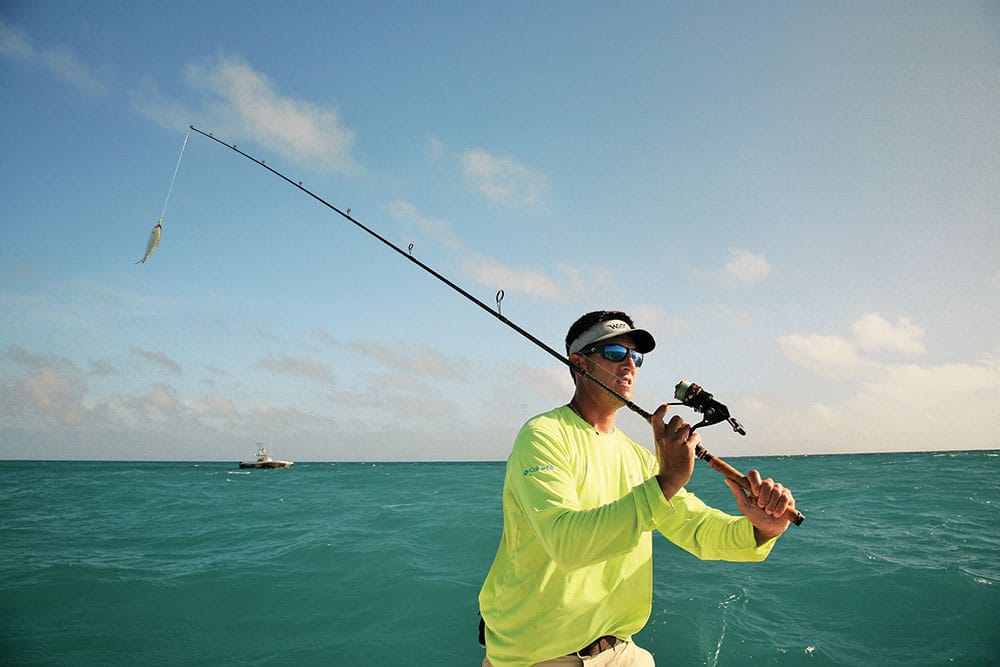
Have you ever stood by the water, fishing rod in hand, and wondered how to cast like a pro? Casting your fishing rod correctly can make all the difference between a quiet day and a great catch.
Whether you’re a beginner or just need a quick refresher, mastering this skill will boost your confidence and increase your chances of success. Keep reading, and you’ll learn simple, step-by-step techniques to cast your fishing rod with ease and precision.
Your next big catch is closer than you think!

Credit: www.aftco.com
Choosing The Right Fishing Rod
Picking the right fishing rod makes fishing easier and more fun. The rod you choose affects how well you can cast and catch fish.
This guide covers types of rods, matching rods to styles, and choosing the right length and power.
Types Of Fishing Rods
There are several fishing rod types, each designed for different uses. The main types include spinning rods, casting rods, fly rods, and trolling rods.
- Spinning rods:Good for beginners and light lures.
- Casting rods:Used for more control with heavier lures.
- Fly rods:Designed for fly fishing with light lines.
- Trolling rods:Made for dragging bait behind a boat.
Matching Rods To Fishing Styles
Your fishing style guides the best rod choice. Match the rod to how and where you fish for better results.
| Fishing Style | Best Rod Type |
| Freshwater casting | Casting rod |
| Light freshwater fishing | Spinning rod |
| Fly fishing in streams | Fly rod |
| Saltwater trolling | Trolling rod |
Selecting Rod Length And Power
Rod length and power affect casting distance and fish control. Choose based on the fish type and fishing place.
- Length:Longer rods cast farther but can be harder to control.
- Power:Power means rod strength. Light power is good for small fish, heavy power for big fish.
- Action:Fast action rods bend near the tip, slow action rods bend through most of the rod.
Essential Fishing Gear
Casting a fishing rod well needs the right gear. Good equipment helps you catch fish easier.
Let’s look at the key fishing gear you need. Each part plays a role in how you cast and catch.
Picking The Right Reel
The reel holds your fishing line and helps cast the bait far. Choose a reel that fits your rod.
Spinning reels are easy for beginners. Baitcasting reels give more control but need practice.
- Spinning reels: Good for light lines and small fish
- Baitcasting reels: Best for heavy lines and big fish
- Spincast reels: Simple and great for kids
Choosing The Proper Line
The fishing line connects your rod to the hook. Pick a line strong enough for your target fish.
Monofilament lines stretch a bit and are good for beginners. Braided lines are very strong and thin.
- Monofilament: Easy to handle, good for most fish
- Braided: Strong and thin, good for heavy cover
- Fluorocarbon: Almost invisible in water, sinks faster
Selecting Hooks And Baits
Hooks come in many sizes and shapes. Use one that fits your fish and bait well.
Baits attract fish to your hook. Live bait works well, but artificial baits can also catch fish.
- Hook sizes: Smaller for small fish, larger for big fish
- Live bait: Worms, minnows, or insects
- Artificial bait: Plastic worms, spinners, or flies
Basic Casting Techniques
Casting a fishing rod lets you place your bait where fish are. Learning the basics helps you fish better.
This guide explains simple casting skills for beginners. Focus on grip, stance, and smooth casting.
Grip And Stance
Hold the rod firmly but not too tight. Your thumb should rest on top of the rod handle.
Stand with feet shoulder-width apart. Face the direction you want to cast with your body balanced.
- Use your dominant hand to hold the rod
- Keep your wrist relaxed
- Bend your knees slightly for balance
- Look straight ahead toward the target
Back Cast And Forward Cast
Start with the rod tip low and pull it back smoothly. This is the back cast, moving the line behind you.
Then, bring the rod forward in a straight motion. Release the line when the rod points at your target.
- Back cast: pull rod back to about 2 o’clock position
- Pause briefly to let the line straighten
- Forward cast: push rod forward to about 10 o’clock position
- Release the line smoothly at the right moment
Timing And Smooth Release
Good timing makes your cast longer and more accurate. Wait for the line to straighten before casting forward.
Release the line gently to avoid tangles. Practice slow and steady motions to improve your cast.
- Watch the line during back cast
- Release the line when the rod points forward
- Avoid jerky or fast movements
- Practice to develop rhythm and control
Advanced Casting Tips
Casting a fishing rod well takes practice and skill. Advanced tips help you cast farther and more accurately.
These tips focus on handling wind, distance, and control for better fishing results.
Casting In Windy Conditions
Wind makes casting harder by pushing your line off course. Adjust your angle to cast into the wind.
Keep your rod low to reduce the effect of the wind on the line.
- Use heavier lures to cut through the wind
- Shorten your cast to stay accurate
- Practice timing to release your line during calm gusts
Long Distance Casting
Long casts help reach fish farther from shore. Use a longer rod for more leverage and power.
Focus on smooth, fast rod movement to build speed before releasing the line.
- Keep your wrist firm to transfer energy efficiently
- Use a straight cast path for less air resistance
- Practice timing your release for maximum distance
Accuracy And Control
Good control helps place your lure exactly where fish are. Aim carefully before your cast.
Use a smooth, controlled motion to avoid overshooting or undershooting your target.
- Focus your eyes on the target spot
- Practice slow, steady casts for better accuracy
- Adjust your grip pressure to control the rod better
Common Casting Mistakes
Casting a fishing rod takes practice and skill. Many beginners make errors that affect their catch. Learning common mistakes helps improve your casting.
Fixing these errors can make fishing easier and more fun. Watch for problems like overcasting, line tangles, and poor rod handling.
Overcasting And Undercasting
Overcasting means throwing the line too far. This wastes energy and can cause the line to tangle.
Undercasting is when the line falls short. This limits your fishing range and may scare fish away.
- Overcasting often happens from using too much force.
- Undercasting can result from weak wrist movement.
- Both mistakes reduce your control over the cast.
Line Tangles And Snags
Line tangles happen when the fishing line twists or loops on itself. This slows you down and can break the line.
Snags occur when the line catches on underwater plants or rocks. They stop your lure and may damage your gear.
- Check your reel for loose or damaged line.
- Keep the line tight when casting and retrieving.
- Avoid casting near heavy weeds or debris.
Improper Rod Handling
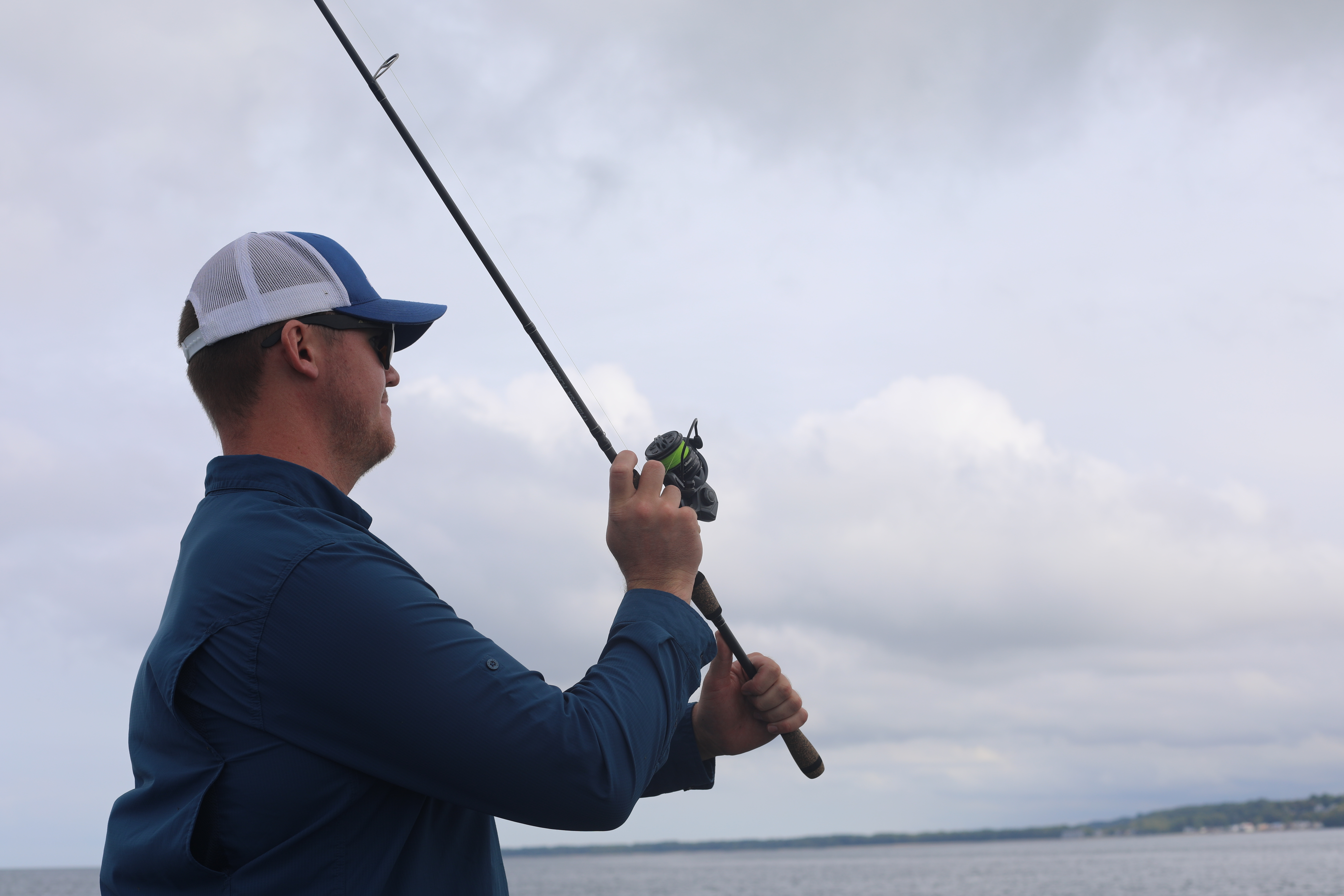
Holding the rod the wrong way reduces your casting accuracy. It also causes fatigue faster.
Using too much arm strength instead of the wrist can make your cast jerky. This lowers your chances of catching fish.
- Grip the rod firmly but not too tight.
- Use your wrist to flick the rod during the cast.
- Keep your elbow close to your body for better control.
Credit: www.fishusa.com
Practice Drills To Improve Casting
Good casting takes practice and patience. Regular drills help you develop control and accuracy with your fishing rod.
Try these exercises to build confidence and improve your fishing skills.
Dry Casting Exercises
Dry casting means practicing without water or a lure. It helps you focus on your casting motion and timing.
- Stand in an open area with your rod and reel.
- Practice the back cast and forward cast smoothly.
- Work on keeping the line straight and controlled.
- Try casting different distances by adjusting your arm movement.
- Repeat often to build muscle memory.
Target Casting
Aim at specific targets to improve accuracy. This drill trains your eye and hand coordination.
| Target Type | How to Practice | Benefit |
| Floating rings | Cast inside the ring on water | Improves precision and control |
| Markers on land | Aim for cones or sticks on ground | Builds distance accuracy |
| Small objects | Try hitting small floating balls | Sharpens focus and timing |
Casting With Different Lures
Each lure type changes how your rod feels and casts. Practice with various lures to adapt your technique.
- Light lures need gentle casts to avoid tangles.
- Heavy lures require more power and a longer cast.
- Practice smooth stops to control lure movement.
- Try casting spinnerbaits, crankbaits, and soft plastics.
- Learn how each lure changes your rhythm and timing.
Safety Tips While Casting
Casting a fishing rod requires care to avoid injuries. Following safety tips helps protect you and others.
Pay attention to your surroundings and control your equipment. Safe casting makes fishing more enjoyable.
Awareness Of Surroundings
Look around before you cast your line. Make sure no people, animals, or objects are nearby.
Check behind you as well. The fishing line and hook can swing far back during casting.
- Keep a clear area behind and beside you
- Avoid casting near trees, power lines, or buildings
- Warn others before casting if they are close
Proper Casting Distance
Cast your line only as far as needed. Too long casts increase the risk of accidents.
Practice controlling your cast to keep it within a safe range. This helps avoid tangles and injuries.
- Measure your casting range in open water areas
- Keep your cast away from other anglers
- Stop casting if your line gets tangled or stuck
Handling Equipment Safely
Hold your fishing rod firmly and use both hands when casting. This improves control and safety.
Use protective gear like sunglasses to shield your eyes from hooks or line snaps.
- Check your rod and reel for damage before use
- Keep hooks covered when not casting
- Store fishing gear safely after use

Credit: fishingbooker.com
Frequently Asked Questions
How Do You Properly Hold A Fishing Rod For Casting?
Hold the rod with your dominant hand above the reel. Grip firmly but relaxed. Keep your wrist straight to control the cast smoothly and accurately.
What Is The Best Way To Release The Fishing Line?
Release the line by opening the reel’s bail or pressing the button. Time the release when the rod tip swings forward for maximum distance and control.
How Far Should You Cast A Fishing Rod?
Cast according to your target area, usually 20 to 50 feet. Practice helps improve distance and accuracy. Avoid overcasting to maintain control and reduce tangles.
When Should You Practice Casting A Fishing Rod?
Practice casting in calm, open areas without obstacles. Regular practice improves technique, accuracy, and confidence. Early morning or late evening are ideal times for quiet practice.
Conclusion
Casting a fishing rod is simple with practice. Focus on grip and stance. Smooth movements make a better cast. Start slow, then accelerate. Release the line at the right moment. Practice helps improve your skills. Always check your equipment before fishing.
Keep your wrist flexible for better control. Enjoy the peaceful experience of fishing. It’s a relaxing outdoor activity. You’ll get better with each attempt. So grab your rod and head out. Enjoy fishing and nature’s beauty. Happy fishing!