Have you ever wondered if your heating system is really working as it should? Checking your system’s performance during the heating cycle is easier than you think—and it can save you money and keep your home comfortable.
You’ll learn simple steps to spot problems early and make sure your heater runs efficiently. By the end, you’ll feel confident knowing exactly how your system is performing and what to do if something’s off. Let’s dive in and take control of your home’s warmth together.

Credit: medium.com
Key Metrics To Monitor
Checking system performance during the heating cycle is important. It helps ensure the system works safely and efficiently.
There are several key metrics to watch closely. These measures help detect problems early and keep the system stable.
Temperature Levels
Temperature is the main factor in a heating cycle. It shows if the system heats properly and stays within safe limits.
Watch the temperature rise and fall during the cycle. Sudden drops or spikes can mean a problem with the heater or sensors.
- Check that temperature reaches the set point
- Look for steady temperature during holding phases
- Note any unusual temperature drops
Pressure Readings
Pressure levels affect the heating system’s safety and function. Too high or too low pressure can cause damage or failure.
Monitor pressure gauges and sensors closely. Pressure should stay within the recommended range through the cycle.
- Observe pressure at start, peak, and end of cycle
- Watch for pressure drops indicating leaks
- Note pressure spikes that may trigger safety valves
Energy Consumption
Energy use shows how much power the heating system needs. It helps check efficiency and spot waste.
Track energy consumption during each phase of the cycle. Unexpected changes can signal system faults or inefficiencies.
- Compare energy use against normal levels
- Identify phases with highest energy demand
- Look for sudden increases that suggest issues
Cycle Duration
The time length of the heating cycle shows system performance. It should match the designed cycle time.
Measure how long each cycle phase takes. Long or short cycles may mean problems with heating or control systems.
- Record duration of heating, holding, and cooling phases
- Compare actual time with expected cycle duration
- Note any irregular timing for maintenance review
Tools For Performance Measurement
Checking system performance during the heating cycle is important. It helps ensure the system works well and safely.
There are many tools to measure performance. These tools track temperature, pressure, and other key data.
Thermal Sensors
Thermal sensors measure temperature changes during the heating cycle. They help monitor heat levels accurately.
Common types include thermocouples and resistance temperature detectors (RTDs). They provide fast and reliable readings.
- Thermocouples: Measure wide temperature ranges quickly
- RTDs: Offer precise temperature readings
- Infrared sensors: Detect surface temperatures without contact
Data Loggers
Data loggers record temperature and other data over time. They store information for later analysis.
These devices help track performance trends during the heating cycle. They show how the system behaves in different conditions.
- Portable and easy to use
- Can record temperature, humidity, and more
- Useful for long-term monitoring
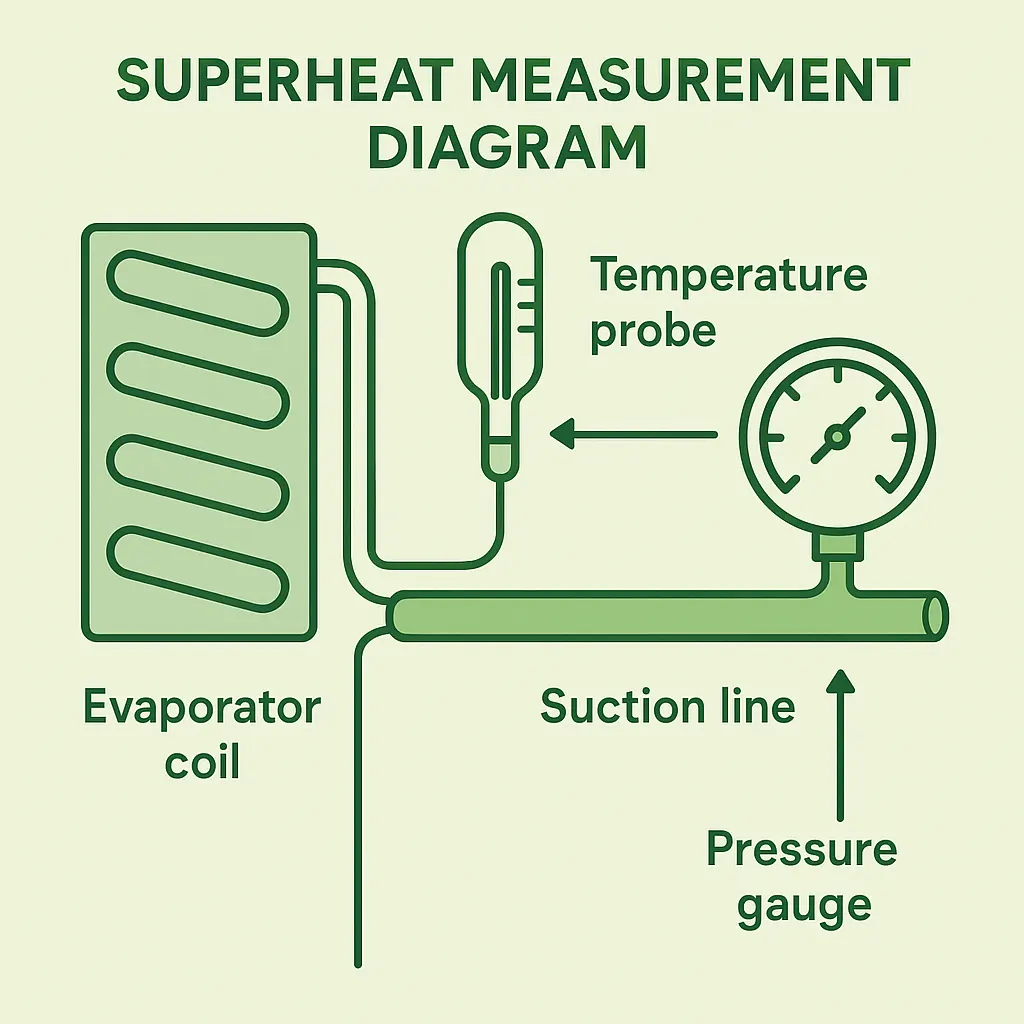
Pressure Gauges
Pressure gauges measure the pressure inside the heating system. Pressure affects how heat moves and builds up.
Using pressure gauges helps prevent dangerous pressure levels. They ensure the system runs safely and efficiently.
- Analog gauges show pressure on a dial
- Digital gauges provide exact pressure readings
- Some have alarms for high pressure
Software Solutions
Software solutions collect and analyze data from sensors and gauges. They give a clear view of the heating cycle.
These programs create charts and reports. They help identify problems and improve system performance.
- Real-time data monitoring
- Automatic alerts for issues
- Easy data storage and sharing
Interpreting Performance Data
Checking system performance during the heating cycle helps keep your system efficient. You can use data to find issues and improve function.
Understanding performance data means looking for unusual signs, comparing results with standards, and watching changes over time.
Identifying Anomalies
Anomalies are unusual results that differ from normal operation. Spotting them early can prevent bigger problems.
- Check for temperature spikes or drops
- Look for unexpected pressure changes
- Notice irregular noise or vibrations
- Watch for delays in heating time
- Compare sensor readings for consistency
Comparing Against Benchmarks
Benchmarks are standard values for your system’s heating cycle. Comparing data to these helps you see if your system works well.
| Performance Metric | Benchmark Value | Current Reading |
| Heating Time | 10 minutes | 12 minutes |
| Max Temperature | 75°C | 73°C |
| Pressure Level | 1.5 bar | 1.7 bar |
| Energy Consumption | 5 kWh | 6 kWh |
Trend Analysis
Trend analysis looks at data over time. It helps find patterns that show if the system is improving or getting worse.
Watch these trends:
- Rising energy use may mean inefficiency.
- Longer heating cycles could signal wear.
- Temperature drops might show heat loss.
- Pressure changes can point to leaks.
Common Issues During Heating
Checking system performance during the heating cycle helps find problems early. Many heating systems face common issues that affect comfort and safety.
Understanding these issues makes it easier to keep the system running smoothly. Below are some frequent problems to watch for.
Overheating Risks
Overheating can damage system parts and reduce lifespan. It may cause safety hazards like leaks or fire.
- Check temperature sensors for accuracy.
- Ensure thermostats are set correctly.
- Inspect vents and filters for blockages.
- Look for signs of wear or corrosion on pipes.
Inconsistent Heat Distribution
Some areas may feel too hot or too cold. This problem lowers comfort and wastes energy.
| Cause | Effect | Solution |
| Blocked vents | Uneven airflow | Clear or replace vents |
| Air trapped in pipes | Cold spots | Bleed the system |
| Faulty thermostat | Wrong temperature | Calibrate or replace |
System Pressure Fluctuations
Pressure changes can cause leaks or system shutdowns. Stable pressure is key for safe heating.
To monitor pressure, check these points:
- Pressure gauge readings during heating cycle
- Signs of water leaks around joints
- Operation of pressure relief valves
- Regular maintenance of expansion tanks
Optimizing Heating Cycles
Checking system performance during the heating cycle helps save energy and improve comfort.
Simple steps in adjusting settings and maintenance keep your heating system running well.
Adjusting Temperature Settings
Set the thermostat to a steady temperature to avoid overworking the system.
- Lower the temperature at night or when away.
- Use programmable thermostats for better control.
- Avoid sudden large temperature changes.
Improving Insulation
Good insulation reduces heat loss and lowers energy use during heating.
| Insulation Area | Recommended Action |
| Walls | Add or upgrade insulation material |
| Windows | Use double glazing or thermal curtains |
| Doors | Seal gaps and install weatherstripping |
| Attic | Increase insulation thickness |
Regular Maintenance Checks
Regular checks keep your heating system efficient and reduce breakdowns.
Key maintenance tasks include:
- Cleaning or replacing air filters monthly.
- Inspecting and cleaning heat exchangers.
- Checking thermostat accuracy.
- Testing system safety controls.

Credit: www.pureecoinc.com

Credit: www.pureecoinc.com
Frequently Asked Questions
How Do I Measure System Temperature During Heating?
Use a reliable thermometer or thermal sensor to monitor temperature. Check if it reaches the desired setpoint steadily without fluctuations.
What Tools Help Check Heating Cycle Performance?
Tools like thermal cameras, HVAC diagnostic tools, and system monitors help track temperature, airflow, and energy use during heating.
Why Is Airflow Important In Heating Performance?
Proper airflow ensures even heat distribution and system efficiency. Poor airflow can cause overheating or uneven room temperatures.
How Often Should I Check Heating System Performance?
Check your heating system performance at least once a heating season or if you notice irregular heating or high energy bills.
Conclusion
Checking system performance during the heating cycle helps keep your equipment running well. Watch temperature, pressure, and airflow closely. Spot problems early to avoid costly repairs. Regular checks also improve energy use and comfort. Simple tools and careful observation make a big difference.
Stay consistent and note any changes each time. Good system care means a warm, safe home all winter. Easy steps lead to better heating performance every time.