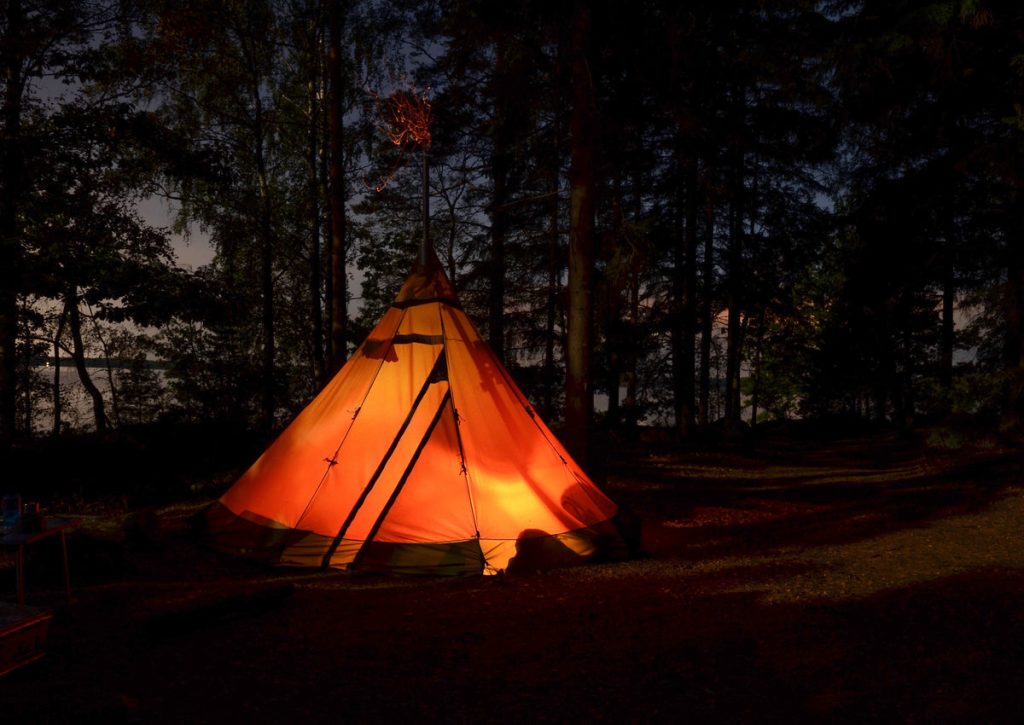
You’ve invested in a sturdy canvas tent, and now it’s time to keep it looking and performing its best. But cleaning a canvas tent isn’t like washing your regular camping gear.
If you don’t do it right, you could damage the fabric or reduce its waterproofing. So, how do you clean a canvas tent without causing harm? In this guide, you’ll discover simple, effective steps to refresh your tent and extend its life.
Keep reading, and you’ll learn exactly what to do—and what to avoid—so your canvas tent stays ready for every adventure.

Credit: www.lifeintents.com
Preparing Your Tent
Cleaning a canvas tent starts with good preparation. Taking time to prepare helps protect the fabric and frame.
Proper preparation makes the cleaning process easier and safer for your tent.
Choosing The Right Location
Select a flat, shaded area to clean your tent. Avoid direct sunlight to prevent fabric damage.
Choose a spot where water can drain easily and dirt will not stick back on the tent.
- Pick a flat surface to spread your tent
- Find shade to protect the canvas from sun
- Ensure good drainage for cleaning water
- Avoid windy places to stop dust from blowing
Gathering Cleaning Supplies
Get all cleaning tools before you start. This saves time and keeps the process smooth.
Use gentle cleaning supplies to avoid hurting the canvas material.
- Soft-bristle brush or sponge
- Mild soap or specialized canvas cleaner
- Bucket with clean water
- Spray bottle (optional)
- Towels or cloths for drying
Checking Tent For Damage
Inspect your tent before cleaning. Look for tears, holes, or broken parts.
Fixing small issues early prevents bigger problems later.
- Look for rips in the canvas fabric
- Check the seams for loose threads
- Examine zippers and poles for damage
- Repair or note areas that need fixing

Credit: hot-tent.com
Removing Loose Dirt
Cleaning a canvas tent starts with removing loose dirt. Dirt and debris can damage the fabric if left unattended.
Use gentle methods to avoid harming the canvas material. Removing loose dirt helps keep the tent in good shape.
Brushing Off Debris
Brush off leaves, twigs, and dirt from the tent surface. Use a soft-bristle brush for best results. Be gentle to protect the canvas fibers.
- Start from the top of the tent and work downwards.
- Brush in one direction to avoid embedding dirt.
- Clear all zipper areas to prevent jamming.
- Brush seams carefully to avoid damage.
Using A Vacuum For Dust
A vacuum cleaner helps remove fine dust from canvas surfaces. Use a vacuum with a brush attachment to avoid tearing the fabric.
| Vacuum Use Tips | Description |
| Use low suction | Protects fabric from damage |
| Brush attachment | Loosens and lifts dust |
| Vacuum all sides | Removes hidden dust and dirt |
| Do not press hard | Prevents fabric wear |
Spot Cleaning Stains
Cleaning stains on a canvas tent keeps it looking good and lasting longer. Spot cleaning targets small dirty areas without soaking the whole tent.
Use gentle methods to avoid damaging the canvas fabric or waterproof coating. Follow these steps to clean spots safely and effectively.
Identifying Common Stains
Knowing what type of stain you have helps pick the right cleaner. Some stains need special care to remove without harming the canvas.
- Dirt and Mud:Often found on tent sides or bottom edges.
- Food and Drink:Includes grease, juice, or coffee spots.
- Mold and Mildew:Shows as dark or green patches, caused by moisture.
- Tree Sap:Sticky and hard to remove once dried.
Applying Gentle Cleaners
Use mild soaps and avoid harsh chemicals. Harsh cleaners can break down the canvas fibers and remove waterproofing.
| Stain Type | Recommended Cleaner |
| Dirt and Mud | Warm water with mild detergent |
| Food and Drink | Dish soap mixed with water |
| Mold and Mildew | Vinegar and water solution |
| Tree Sap | Rubbing alcohol or specialized remover |
Using Soft Brushes
Soft brushes help lift stains without damaging the fabric. Avoid stiff brushes that can tear or wear down the canvas.
- Use a soft-bristle brush or sponge.
- Gently scrub the stained area in small circles.
- Rinse with clean water to remove soap residue.
- Allow the spot to air dry fully before packing.
Washing The Canvas
Cleaning a canvas tent keeps it strong and ready to use. Dirt, dust, and stains can build up over time. Washing the canvas removes these and prevents damage.
Proper cleaning helps the canvas last longer. It also keeps the fabric looking fresh and clean. Use gentle care when washing to avoid harm.
Hand Washing Techniques
Hand washing is best for canvas tents. It lets you clean without rough machines. Use a soft brush or sponge with warm water.
Gently scrub the dirty areas. Avoid scrubbing too hard to protect the fabric. Work in small sections for better results.
Avoiding Harsh Chemicals
Harsh chemicals can damage canvas material. Do not use bleach or strong detergents. These can weaken fibers and remove waterproofing.
Choose mild soap or special canvas cleaner. These clean well without causing harm. Always test cleaner on a small spot first.
Rinsing Thoroughly
Rinse the canvas well after washing. Soap left on the fabric can cause stains or damage. Use clean water to remove all soap.
- Use a hose or bucket of water
- Make sure no soap bubbles remain
- Check all areas carefully
- Let the canvas dry fully before storing
Drying And Airing Out
Cleaning a canvas tent requires proper drying and airing out. This helps keep the fabric strong and fresh.
Leaving the tent damp can cause damage. It is important to dry it well before storage.
Choosing A Drying Spot
Select a sunny and well-ventilated area to dry your canvas tent. Sunlight helps remove moisture quickly.
Make sure the ground is clean and flat. Avoid places with dirt or sharp objects that can harm the tent.
- Pick a spot with direct sunlight if possible
- Choose a place with good airflow around the tent
- Use a clean surface like grass or a tarp
- Keep the tent away from trees or bushes that drop sap or leaves
Preventing Mold And Mildew
Mold and mildew grow on damp canvas tents. Airing the tent well stops this from happening.
Make sure the tent is completely dry before folding or storing it. Check inside and outside for hidden wet spots.
- Open all tent windows and doors during drying
- Use a soft brush to clean off dirt and debris
- Store the tent in a dry, cool place
- Inspect the tent regularly for any signs of mold
Maintaining Canvas After Cleaning
Cleaning a canvas tent is only the first step. Proper maintenance keeps it strong and lasts longer. This section explains how to care for your tent after cleaning.
Following these tips will help protect your canvas from damage and wear. It keeps the fabric safe from water, dirt, and storage problems.
Applying Waterproof Treatments
Waterproofing helps your canvas resist rain and moisture. It keeps the fabric dry and prevents mold or mildew growth. Use a waterproof spray made for canvas.
Apply the treatment evenly on dry canvas. Let it dry completely before packing. Repeat every year or after heavy use for best results.
- Choose a waterproof spray designed for canvas
- Apply in a well-ventilated area
- Spray evenly and cover all surfaces
- Allow the tent to dry fully before storage
- Reapply after long use or heavy rain
Storage Tips For Longevity
Proper storage protects your canvas tent from damage. Store it in a dry, cool place away from sunlight. Moisture and heat can weaken the fabric over time.
Make sure the tent is completely dry before packing. Fold it loosely to avoid creases. Use a breathable storage bag to prevent mold and mildew.
- Dry the tent fully before storing
- Fold loosely, do not compress tightly
- Keep in a cool, dry place
- Use a breathable storage bag or container
- Check tent periodically for signs of damage
Handling Tough Cleaning Challenges
Cleaning a canvas tent can be hard, especially when tough stains or smells appear. These challenges need special care to keep the tent safe and strong.
This guide shows how to handle mold, mildew, and bad odors on your canvas tent. Follow these tips for better results and longer tent life.
Dealing With Mold And Mildew
Mold and mildew grow on canvas when it stays wet or damp for a long time. They can damage the fabric and cause health problems.
To remove mold and mildew, first dry the tent in the sun. Use a soft brush to gently clean the affected areas. Avoid harsh scrubbing that can harm the fabric.
- Mix water with mild soap or vinegar for cleaning
- Apply the solution and let it sit for 10 minutes
- Use a soft brush to scrub the spots gently
- Rinse well with clean water
- Dry the tent fully before packing it away
Removing Persistent Odors
Canvas tents can hold bad smells from smoke, dirt, or moisture. These odors can be hard to get rid of without proper cleaning.
To freshen the tent, air it out in a dry, sunny place. Use baking soda or vinegar to absorb and neutralize odors safely.
- Sprinkle baking soda on the inside and let it sit for a few hours
- Vacuum or shake out the baking soda
- Spray a mix of water and white vinegar lightly on the canvas
- Let the tent dry completely in fresh air and sunlight

Credit: blog.whiteduckoutdoors.com
Frequently Asked Questions
How Often Should I Clean My Canvas Tent?
Clean your canvas tent at least once a year. Regular cleaning prevents mold, mildew, and fabric damage. More frequent cleaning is needed after heavy use or exposure to dirt and rain.
What Is The Best Cleaning Method For Canvas Tents?
Use a soft brush and mild soap with water. Avoid harsh chemicals or bleach. Gently scrub stains and rinse thoroughly to preserve the tent’s waterproof coating.
Can I Machine Wash My Canvas Tent Safely?
No, machine washing can damage the fabric and waterproof coating. Always hand wash your canvas tent with gentle cleaning solutions to maintain its durability.
How Do I Remove Mold From A Canvas Tent?
Mix water with white vinegar or mild detergent. Gently scrub moldy areas with a soft brush. Rinse well and dry the tent completely in sunlight to prevent mold regrowth.
Conclusion
Cleaning a canvas tent keeps it strong and lasts longer. Use gentle soap and water to avoid damage. Always dry the tent fully before storing it away. Regular care stops mold and dirt buildup. Simple steps make your tent ready for every adventure.
Taking time to clean helps protect your investment. Keep your canvas tent fresh and ready to use. A clean tent means a better camping experience next time.