
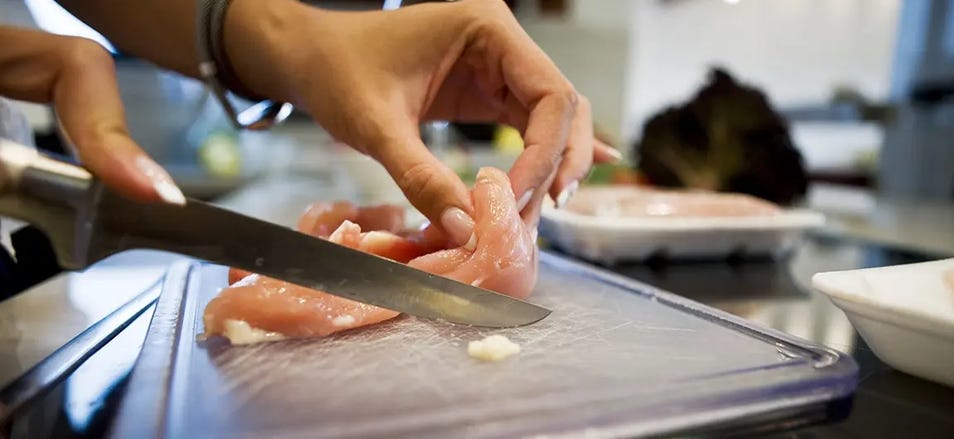
Your plastic cutting board is one of the busiest tools in your kitchen. But have you ever stopped to think about how clean it really is?
If you want to keep your food safe and your kitchen fresh, knowing how to clean your plastic cutting board properly is a must. You’ll discover simple, effective steps to remove stains, kill germs, and keep your board looking like new.
Keep reading—you’re about to learn the secrets to a cleaner, healthier kitchen!
Credit: www.lysol.com
Choosing The Right Cleaning Tools
Cleaning a plastic cutting board well keeps it safe for food. Using the right tools helps remove stains and germs easily.
Selecting good brushes and safe cleaning agents makes your board last longer and stay fresh.
Best Brushes And Sponges
Soft-bristle brushes clean the board without scratching it. They reach small cuts and grooves where bacteria hide.
Use non-abrasive sponges to avoid damaging the plastic. Sponges with a scrubber side work well for tough stains.
- Soft nylon brushes for gentle cleaning
- Sponges with a smooth and scrub side
- Dish brushes with long handles for easy grip
- Avoid steel wool or rough scrubbers that scratch
Safe Cleaning Agents
Mild dish soap is safe and effective for daily cleaning. It removes grease and food particles without harsh chemicals.
White vinegar kills bacteria naturally and helps remove stains. It is gentle on plastic and eco-friendly.
- Mild liquid dish soap for regular cleaning
- White vinegar for natural disinfecting
- Baking soda paste for scrubbing tough spots
- Avoid bleach or strong chemicals that can damage plastic
Credit: en.brilio.net
Daily Cleaning Routine
Keeping a plastic cutting board clean every day stops germs from spreading. A simple routine helps your board stay safe and fresh.
Follow easy steps right after use. This stops food from sticking and makes cleaning faster.
Immediate Rinsing Techniques
Rinse the cutting board immediately after use with warm water. This removes loose food and prevents stains.
- Hold the board under running water for at least 30 seconds.
- Use a soft brush or sponge to remove stuck pieces.
- Turn the board over to rinse both sides well.
- Shake off excess water before washing with soap.
Using Dish Soap Effectively
Apply dish soap to clean the board deeply. Soap kills germs and removes oils from food.
| Action | Details |
| Apply Soap | Use a few drops of mild dish soap on the board. |
| Scrub | Use a sponge or brush in circular motions. |
| Rinse | Wash off soap with warm water thoroughly. |
| Dry | Use a clean towel or air dry completely. |
Deep Cleaning Methods
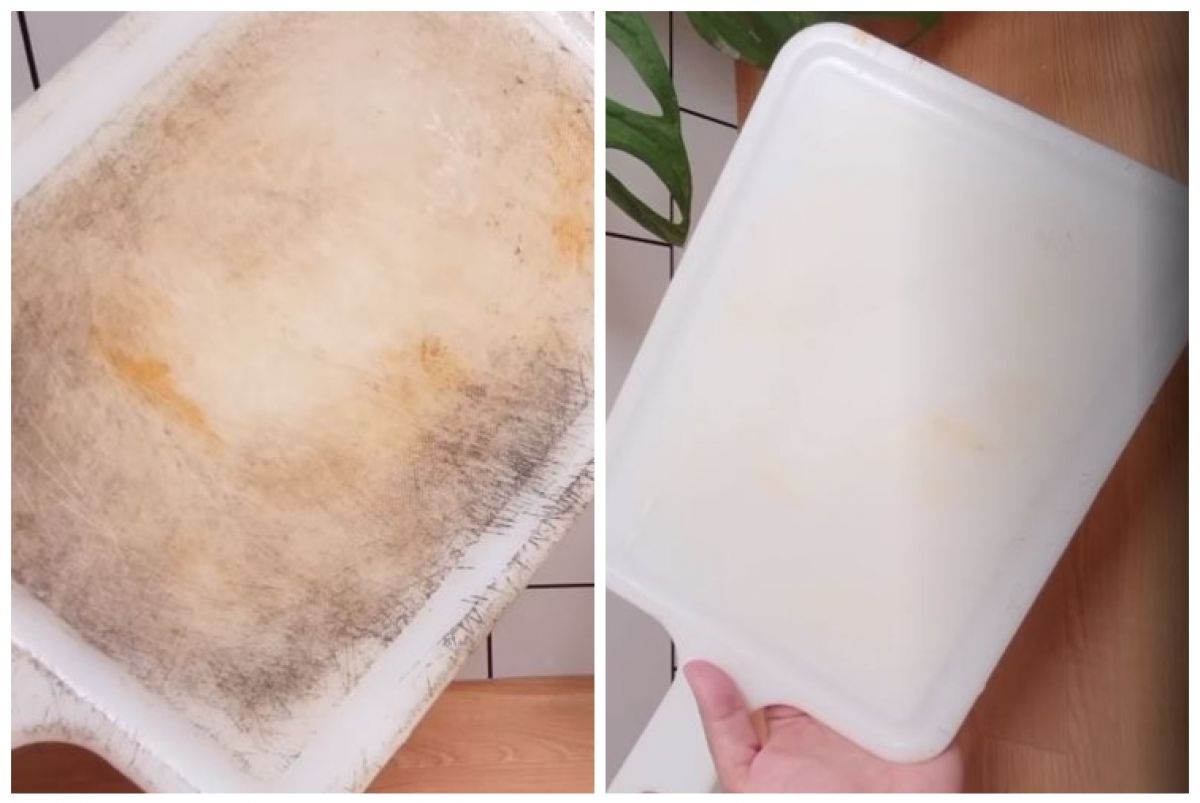
Plastic cutting boards need regular deep cleaning to remove stains and bacteria. Simple daily washing may not be enough.
Using natural and chemical methods helps keep your cutting board safe and fresh for food use.
Baking Soda And Vinegar Scrub
Baking soda and vinegar create a natural scrub to clean plastic boards. This method removes stains and odors.
- Sprinkle baking soda over the board surface.
- Pour white vinegar slowly to create fizz.
- Use a scrub brush to clean all areas well.
- Rinse the board with warm water.
- Dry with a clean towel or air dry.
Sanitizing With Bleach
Bleach is strong and kills most bacteria on plastic cutting boards. Use it carefully to avoid damage.
| Bleach Solution | Use |
| 1 tablespoon bleach + 1 gallon water | Soak board for 2 minutes |
| Rinse well with water | Remove all bleach residues |
| Air dry completely | Prevent bacteria growth |
Using Hydrogen Peroxide
Hydrogen peroxide cleans and disinfects cutting boards safely. It breaks down stains and kills germs.
Follow these steps for cleaning with hydrogen peroxide:
- Pour 3% hydrogen peroxide over the board.
- Let it sit for 5 minutes to disinfect.
- Scrub with a sponge or brush.
- Rinse thoroughly with warm water.
- Dry the board completely before use.

Credit: www.plasticchoppingboards.co.uk
Removing Stains And Odors
Plastic cutting boards can hold stains and smells from food. Cleaning them well keeps your kitchen fresh and safe.
Simple household items can help remove tough stains and odors from your cutting board. These methods are easy and natural.
Lemon And Salt Treatment
Cut a lemon in half and sprinkle salt on the cutting board. Use the lemon to scrub the surface well.
The lemon juice breaks down stains, while salt acts as a scrub. This mix also helps remove bad smells.
- Cut a lemon in half
- Sprinkle coarse salt on the board
- Scrub the board using the lemon halves
- Let it sit for 5 minutes
- Rinse with warm water and dry
Sunlight Exposure
Place your plastic cutting board outside in direct sunlight. The sun helps to kill bacteria and fade stains.
Leave the board in the sun for a few hours. This natural method helps freshen the board without chemicals.
Maintaining Cutting Board Longevity
Plastic cutting boards are useful in every kitchen. Keeping them clean helps them last longer.
Good care prevents damage and keeps your board safe for food use.
Avoiding Warping And Cracks
Plastic boards can warp or crack if not handled well. Avoid placing hot pots or pans on them.
Do not soak boards in water for a long time. Use warm soapy water and dry quickly.
- Wash with mild soap and warm water
- Dry immediately after washing
- Keep away from heat sources
- Store flat or upright to prevent bending
When To Replace Your Board
Cutting boards wear out over time. Check for deep cuts or cracks that trap bacteria.
Replace your board if it has many grooves or if it smells bad after cleaning.
- Discard boards with deep, hard-to-clean cuts
- Replace if the surface is rough or cracked
- Swap out if odors remain after washing
- Change boards used for raw meat after heavy use
Preventing Cross-contamination
Cleaning plastic cutting boards is important to stop germs from spreading. Cross-contamination happens when bacteria from one food moves to another.
Using the right cleaning and handling methods keeps food safe. This helps avoid food poisoning and sickness.
Color-coded Boards
Color-coded cutting boards help keep foods separate. Each color is used for a certain food type. This reduces the chance of germs mixing.
For example, red boards are for raw meat. Green boards are for vegetables. This system makes it easy to know which board to use.
- Red: Raw meat
- Green: Vegetables and fruits
- Blue: Fish and seafood
- Yellow: Poultry
- White: Bakery and dairy
Separate Boards For Different Foods
Use separate cutting boards for different food groups. This stops germs from raw foods reaching ready-to-eat foods. It is a simple way to keep food safe.
After cutting raw meat, clean the board well before using it for other foods. If possible, keep boards only for one type of food.
- One board for raw meat
- Another board for cooked foods
- Separate board for vegetables
- Do not mix raw and ready-to-eat foods on one board
Frequently Asked Questions
How Often Should I Clean A Plastic Cutting Board?
Clean your plastic cutting board after every use. This prevents bacteria buildup and cross-contamination. Regular cleaning ensures food safety.
What Is The Best Way To Sanitize Plastic Cutting Boards?
Use a mixture of bleach and water or vinegar to sanitize. Apply, let sit for a few minutes, then rinse thoroughly.
Can Plastic Cutting Boards Be Cleaned In A Dishwasher?
Yes, most plastic cutting boards are dishwasher safe. Use the top rack and a hot water cycle for effective cleaning.
How Do I Remove Stains From Plastic Cutting Boards?
Sprinkle baking soda on stains and scrub with a damp sponge. Rinse well and dry. Repeat if stains persist.
Conclusion
Cleaning a plastic cutting board keeps your kitchen safe and healthy. Use warm water and soap after every use. Scrub gently to remove food bits and stains. Rinse well to avoid soap taste on food. Dry it fully to stop germs from growing.
Regular cleaning helps your board last longer. Simple steps make a big difference in hygiene. Keep your cutting board fresh and ready always. Clean boards mean safer meals for you and your family. Easy care keeps your kitchen clean and happy.