Your sleeping bag is your best friend on every adventure, giving you warmth and comfort when you need it most. But after countless nights under the stars, it’s bound to get dirty, smelly, and less cozy.
So, how do you clean a sleeping bag without ruining its fluff or warmth? If you want to keep your sleeping bag fresh and ready for your next trip, you’re in the right place. Keep reading to discover simple, effective ways to clean your sleeping bag and make it feel like new again.

Credit: www.ellis-brigham.com
Choosing The Right Cleaning Method
Cleaning your sleeping bag properly keeps it fresh and lasts longer. Different cleaning methods work best depending on the dirt and material.
Choosing the right way to clean your sleeping bag helps protect its insulation and fabric. This guide explains when to spot clean or wash fully, and how to wash by hand or machine.
Spot Cleaning Vs Full Wash
Spot cleaning is good for small stains or dirt on your sleeping bag. It uses less water and keeps the insulation safe. Use a mild soap and a soft cloth to clean the dirty area gently.
Full washing is needed when your sleeping bag smells bad or is very dirty. This removes all dirt and sweat. Full wash should be done carefully to avoid damage to the materials inside.
- Spot clean for small stains and light dirt
- Full wash for strong odors or heavy dirt
- Spot cleaning saves time and protects insulation
- Full wash refreshes the entire sleeping bag
Machine Wash Or Hand Wash
Machine washing is easy and works well for durable sleeping bags. Use a front-loading washer on a gentle cycle with cold water. Avoid top loaders with agitators to protect the fabric.
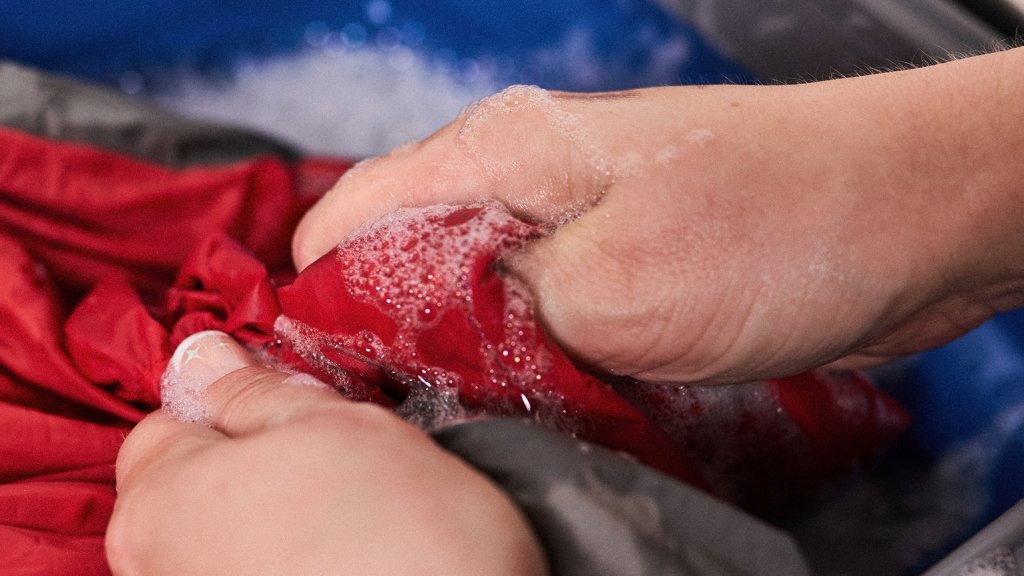
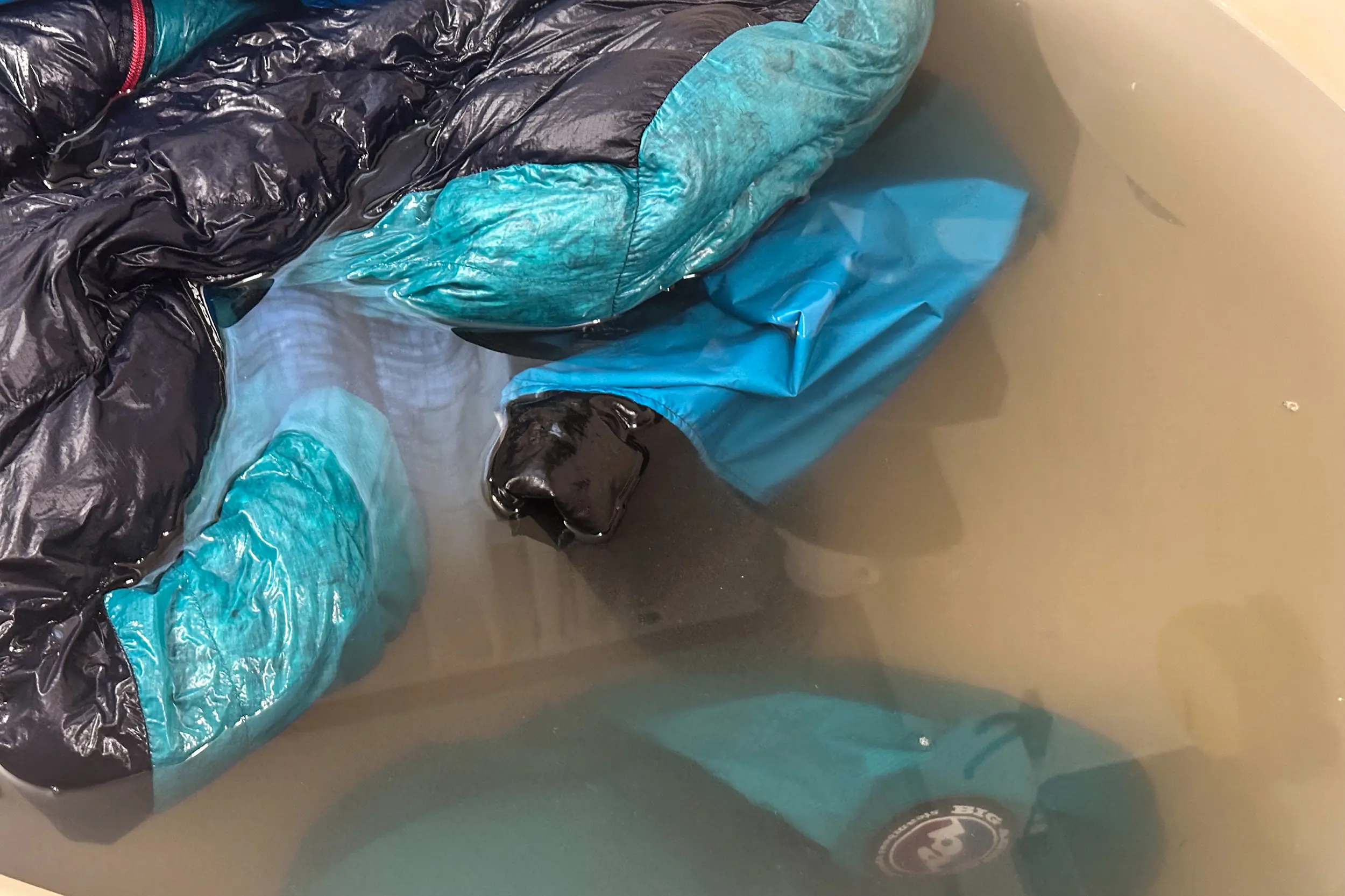
Hand washing is best for delicate or expensive sleeping bags. Fill a tub with cold water and mild soap. Gently squeeze the sleeping bag to clean it without rough rubbing or twisting.
- Machine wash: Use gentle cycle, cold water, no bleach
- Hand wash: Use mild soap, soak, and gently squeeze
- Dry both types carefully to keep insulation fluffy
- Always check the care label before washing
Preparing Your Sleeping Bag
Cleaning your sleeping bag starts with proper preparation. Taking time to ready it helps protect the fabric and filling.
Two key steps will make the cleaning process safer and more effective.
Emptying Pockets And Shaking Out Debris
Check all pockets and compartments before cleaning. Remove any items to avoid damage or stains.
- Empty every pocket completely
- Shake the sleeping bag outdoors to remove dust and dirt
- Use a soft brush to clear stubborn debris
- Check seams and zippers for caught debris
Checking Care Labels
Look at the care label sewn inside your sleeping bag. It shows cleaning instructions specific to your model.
| Care Label Symbol | Meaning |
| Washing Tub | Machine wash allowed |
| Hand in Tub | Hand wash only |
| Triangle | Use bleach |
| Circle with P | Dry clean only |
| Square with Circle | Can tumble dry |
Washing Techniques
Cleaning a sleeping bag requires special care to keep it warm and fluffy. Using the right washing techniques helps protect its material and filling.
Follow simple steps to make sure your sleeping bag stays clean and lasts longer after washing.
Using Gentle Detergents
Choose a detergent made for delicate fabrics or down-filled items. Harsh detergents can damage the insulation and fabric.
- Use a small amount of mild detergent
- Avoid bleach and fabric softeners
- Look for detergents labeled for outdoor gear
- Consider detergents specially made for down sleeping bags
Setting The Washer Correctly
Use a front-loading washing machine if possible. Top loaders with agitators can tear the fabric.
| Washer Setting | Why |
| Gentle or delicate cycle | Reduces fabric stress |
| Extra rinse | Removes all detergent |
| Low spin speed | Protects filling from clumping |
Water Temperature Tips
Use cold or warm water to avoid shrinking or damaging the sleeping bag.
- Cold water is safest for all materials
- Warm water helps remove dirt but may harm delicate insulation
- Avoid hot water as it can shrink fabric and damage filling
Credit: gearjunkie.com
Drying Your Sleeping Bag
Drying your sleeping bag properly keeps it fresh and lasts longer. Choose the right method to avoid damage and keep insulation.
Some ways dry your bag using air. Others use a dryer. Each has benefits and risks.
Air Drying Vs Tumble Drying
Air drying is gentle and saves energy. Tumble drying is faster but needs care.
- Air Drying:Hang your bag in a shaded, well-ventilated place.
- Tumble Drying:Use a low heat setting and check often.
- Time:Air drying takes longer but is safer for fabric.
- Energy Use:Tumble drying uses electricity but speeds drying.
- Risk:Air drying avoids heat damage. Tumble drying may harm insulation if too hot.
Using Dryer Balls To Fluff
Dryer balls help keep your sleeping bag fluffy and soft. They break up clumps and speed drying.
Place 2 or 3 wool or plastic dryer balls inside the dryer with your sleeping bag. They move around and separate the insulation.
| Dryer Ball Type | Benefits |
|---|---|
| Wool | Natural, soft, reduces static |
| Plastic | Durable, reusable, affordable |
Avoiding Heat Damage
Heat can ruin your sleeping bag’s material and fill. Avoid high temperatures to keep it safe.
- Use low or no heat settings on dryers.
- Do not iron or expose to direct sunlight for long.
- Check the bag often during drying to prevent overheating.
- Follow care label instructions for temperature limits.
- Store dry bags in cool, dry places to avoid mildew.
Maintaining Freshness Between Washes
Keeping your sleeping bag fresh between washes saves time and protects its material. Proper care helps avoid odors and keeps it ready for your next trip.
Simple habits and light treatments can extend the time between full cleanings. This helps maintain insulation and fabric quality.
Proper Storage Tips
How you store your sleeping bag affects its freshness and lifespan. Avoid compressing it tightly for long periods.
- Store your sleeping bag loosely in a large cotton or mesh bag.
- Keep it in a dry, cool place away from direct sunlight.
- Hang it on a wide hanger or lay it flat if space allows.
- Ensure it is completely dry before storing to prevent mold.
- Air it out after each use by leaving it unzipped in a ventilated area.
Using Laundry Sprays Or Refreshers
Laundry sprays can help reduce odors without washing your sleeping bag. Choose products made for delicate fabrics.
| Type | Use | Benefits |
| Fabric refresher spray | Light spray on outer fabric | Neutralizes odors quickly |
| Odor eliminating spray | Use sparingly on inside lining | Keeps sleeping bag smelling fresh |
| DIY baking soda spray | Mild spray made with water and baking soda | Safe and natural deodorizer |
Common Mistakes To Avoid
Cleaning a sleeping bag is important to keep it fresh and last longer. Many people make mistakes that can damage the bag or reduce its warmth. Avoiding these errors helps keep your sleeping bag in good shape.
Here are some common mistakes to avoid when cleaning your sleeping bag.
Overwashing
Washing your sleeping bag too often can harm its insulation. Each wash breaks down the filling and fabric a little bit. This makes the bag less warm and less comfortable.
Only wash your sleeping bag when it is really dirty or smells bad. Spot clean small stains instead of washing the whole bag often.
Using Harsh Chemicals
Harsh detergents and bleach can damage the fabric and insulation of a sleeping bag. These chemicals remove natural oils and can cause tearing or clumping of the filling.
Use a gentle, non-detergent cleaner made for sleeping bags or down products. Avoid bleach and fabric softeners to keep your bag safe.
Ignoring Manufacturer Guidelines
Each sleeping bag has special care instructions from the maker. Ignoring these rules can cause damage or reduce the bag’s lifespan. The wrong washing method or drying can ruin your bag.
Always read and follow the label on your sleeping bag. This helps you clean it correctly and keep it working well.

Credit: www.gearaid.com
Frequently Asked Questions
How Often Should You Clean A Sleeping Bag?
Clean your sleeping bag every 3 to 4 uses or after heavy dirt exposure. Regular cleaning maintains insulation and hygiene. Avoid over-washing to preserve the fabric and filling quality. Spot clean minor stains to extend time between full washes.
Can You Machine Wash A Sleeping Bag Safely?
Yes, use a front-loading washing machine on a gentle cycle. Use mild detergent specifically for down or synthetic fill. Avoid fabric softeners and bleach to prevent damage. Always follow the manufacturer’s washing instructions for best results.
What Is The Best Drying Method For Sleeping Bags?
Air drying is ideal to protect insulation and fabric. Lay the sleeping bag flat or hang it in a shaded, ventilated area. Avoid direct sunlight and high heat from dryers. If using a dryer, select low heat and add clean tennis balls to fluff.
How Do You Remove Odors From A Sleeping Bag?
Use a mixture of water and mild detergent for spot cleaning. Air out the sleeping bag regularly to reduce moisture and smell. For persistent odors, add a cup of white vinegar during washing. Store the bag dry to prevent mildew and odor build-up.
Conclusion
Cleaning a sleeping bag keeps it fresh and ready for trips. Always follow the care label for the best results. Use gentle soap and cool water to protect the fabric. Dry it fully before storing to avoid mold and smell.
Regular cleaning helps your sleeping bag last longer. Take your time and be gentle during washing. Clean bags make camping more comfortable and healthy. Keep these tips in mind for easy care. Your sleeping bag will thank you with every adventure.