
Is your stainless steel cooktop starting to lose its shine? Are you frustrated with stubborn stains and greasy spots that just won’t budge?
You’re not alone. Keeping your stainless steel cooktop looking pristine can feel like a never-ending battle. But here’s the good news: it doesn’t have to be that way. In this guide, you’ll uncover the secrets to making your cooktop sparkle like new with simple, effective cleaning techniques.
Imagine the satisfaction of seeing your kitchen gleam, impressing guests, and enjoying cooking in a space that feels fresh and inviting. Ready to transform your cooktop and reclaim your kitchen’s shine? Let’s dive in and discover the easy steps to achieve a spotless, stainless steel surface.
Choosing The Right Cleaner
Choosing the right cleaner for your stainless steel cooktop is important. The wrong cleaner can damage the surface or leave streaks. A good cleaner removes grease, stains, and fingerprints effectively. It also protects the finish and keeps the cooktop shiny. Understanding different options helps you pick the best product for your needs.
Commercial Vs Homemade Options
Commercial cleaners are made specifically for stainless steel. They often contain special ingredients that clean well and shine the surface. Many come in sprays or wipes for easy use. These products save time and effort but may include chemicals some prefer to avoid.
Homemade cleaners use simple ingredients found at home. Common mixtures include vinegar, baking soda, and dish soap. These options are gentle and eco-friendly. They cost less and avoid harsh chemicals. Homemade cleaners work well for light cleaning and regular upkeep.
Safe Ingredients For Stainless Steel
Choose cleaners with safe ingredients to protect your cooktop. Avoid abrasive powders or steel wool, which can scratch the surface. Look for these safe ingredients:
- White vinegar – cuts grease and removes water spots
- Baking soda – gently scrubs without scratching
- Dish soap – breaks down oils and food residue
- Mineral oil – adds shine and prevents streaks
Steer clear of bleach, ammonia, or strong acids. These can discolor or damage the stainless steel finish. Always test a small area first to ensure the cleaner is safe.
Credit: www.housedigest.com
Prepping The Cooktop Surface
Prepping the stainless steel cooktop surface is a crucial first step to ensure effective cleaning without causing damage. You want to start with a clear, debris-free area that’s ready for a gentle yet thorough wipe down. Taking the time to prep properly can make the rest of the cleaning process faster and protect the finish of your cooktop.
Removing Loose Debris
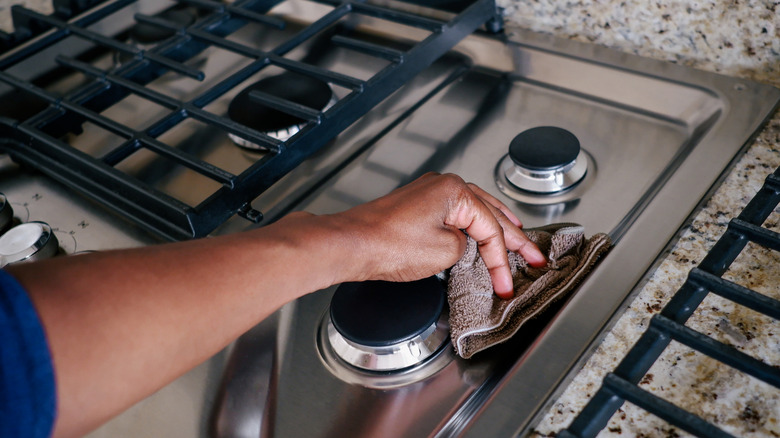
Begin by clearing any crumbs, food particles, or dust on the cooktop. Use a soft brush or a dry microfiber cloth to gently sweep away these loose bits. Avoid using anything abrasive that might scratch the surface at this stage.
Pay special attention to corners and edges where debris often collects unnoticed. Have you ever cleaned your cooktop only to find tiny particles trapped later? Removing these early stops you from grinding dirt into the steel during cleaning.
Avoiding Scratches
Stainless steel is prone to scratching, so choose your tools carefully. Soft cloths, sponges, and non-abrasive pads work best. Steer clear of steel wool or rough scrubbers that can leave permanent marks.
Think about the last time you noticed fine scratches on your cooktop—those probably came from using the wrong cleaning tool. To protect your investment, always test a small area first before applying any cleaner or scrubbing vigorously.
Step-by-step Cleaning Process
Cleaning a stainless steel cooktop keeps it shiny and working well. Follow a simple process for the best results. Each step helps remove dirt and stains without damage. Use gentle tools and the right cleaner to protect the surface.
Applying Cleaner
Choose a cleaner made for stainless steel surfaces. Spray or apply a small amount on the cooktop. Spread it evenly using a soft cloth. Avoid harsh chemicals that can scratch or dull the finish. Let the cleaner sit for a minute to break down grime.
Scrubbing Techniques
Use a non-abrasive sponge or cloth to scrub the surface. Move in the direction of the metal grain. This prevents scratches and keeps the shine. Focus on spots with grease or burnt food. For tough stains, apply a bit more cleaner and scrub gently.
Rinsing And Drying
Wipe off the cleaner with a damp cloth. Rinse the cloth often to remove all residue. Dry the cooktop immediately using a clean, soft towel. Drying prevents water spots and streaks. Finish by buffing lightly for a polished look.

Credit: bbqovencleaning.com.au
Tackling Stubborn Stains
Stubborn stains on a stainless steel cooktop can be tough to remove. These marks often ruin the sleek look of your kitchen. Targeting these stains quickly helps keep your cooktop shiny and clean. Different stains need different cleaning methods for best results.
Grease And Burnt Residue
Grease and burnt food leave sticky layers on the cooktop. Start by wiping the surface with a soft cloth and warm, soapy water. For tougher spots, use a paste made from baking soda and water. Gently rub the paste on the stains with a non-scratch sponge. Let it sit for a few minutes before wiping off. Avoid harsh scrubbing to protect the stainless steel finish.
Water Spots And Mineral Deposits
Water spots and mineral deposits often appear after cleaning or spills. Use white vinegar to dissolve these spots quickly. Spray vinegar on the affected area and let it sit for a few minutes. Wipe with a soft cloth following the grain of the steel. For heavy deposits, repeat the process or soak a cloth in vinegar and place it on the spots.
Maintaining Shine Daily
Keeping your stainless steel cooktop shining every day is easier than you think. It doesn’t require heavy scrubbing or expensive cleaners. Just a few simple habits can preserve that sleek, polished look and make your kitchen feel inviting.
Quick Wipes After Cooking
Right after cooking, grab a soft cloth or a microfiber towel. Wipe away any spills or splatters before they dry. This simple step prevents stains from setting and keeps grease from building up.
Use warm water with a drop of mild dish soap if you notice oily spots. Avoid abrasive sponges—they can scratch the surface. Have you ever noticed how a quick wipe saves you from a tough cleaning session later?
Polishing Tips
To bring back that showroom shine, polish your cooktop once or twice a week. Apply a small amount of olive oil or a dedicated stainless steel cleaner onto a soft cloth. Rub gently in the direction of the grain to avoid streaks.
Buff with a dry cloth afterward to remove any excess oil or cleaner. This not only enhances the shine but also adds a protective layer against fingerprints. Ever tried polishing your cooktop and felt like it instantly brightened the whole kitchen?
Credit: bbqovencleaning.com.au
Avoiding Common Mistakes
Avoiding common mistakes is key to keeping your stainless steel cooktop looking brand new. Many people unknowingly damage their cooktop by using the wrong products or tools. Understanding what to skip can save you time, money, and frustration.
Harsh Chemicals To Skip
Strong chemicals like bleach, ammonia, and oven cleaners can eat away the finish of your stainless steel cooktop. Using these harsh substances might seem like a quick fix, but they often cause dull spots or discoloration instead.
Stick to gentle cleaners specifically made for stainless steel or simple solutions like warm soapy water. Have you ever noticed streaks after cleaning? That’s often due to harsh chemicals reacting badly with the surface.
Tools That Can Damage The Surface
Scrubbing with steel wool, abrasive sponges, or rough brushes can leave scratches on your cooktop. Even if you’re trying to remove stubborn stains, these tools do more harm than good.
Soft microfiber cloths or non-abrasive sponges are your best friends here. If you want to protect your cooktop while cleaning, ask yourself: Is this tool gentle enough to avoid scratching?
Frequently Asked Questions
How Do You Remove Stains From A Stainless Steel Cooktop?
Use a mixture of baking soda and water to form a paste. Apply gently with a soft cloth. Rinse and dry with a microfiber towel to prevent streaks.
What Household Items Clean Stainless Steel Cooktops Safely?
White vinegar, baking soda, and mild dish soap work best. Avoid abrasive cleaners to prevent scratches and maintain the surface’s shine.
Can I Use Steel Wool On A Stainless Steel Cooktop?
No, steel wool can scratch and damage the surface. Use soft sponges or microfiber cloths for safe, effective cleaning.
How Often Should I Clean My Stainless Steel Cooktop?
Clean daily to remove spills and prevent buildup. Deep clean weekly to maintain its shine and hygiene.
Conclusion
Cleaning a stainless steel cooktop is simple with the right steps. Use gentle cleaners and soft cloths to avoid scratches. Regular wiping helps keep it shiny and neat. Avoid harsh tools that can damage the surface. Small daily efforts save time later.
Your cooktop will look fresh and last longer. A clean cooktop also makes cooking safer and more enjoyable. Remember, patience and care bring the best results. Try these tips to keep your kitchen bright and tidy.