Have you ever noticed your car headlights looking foggy or dull? It’s not just annoying—it can be dangerous.
Foggy headlights reduce how much you can see at night and make it harder for other drivers to see you. The good news is, you don’t need to spend a lot of money or take your car to a shop to fix this.
You’ll learn simple and effective ways to clean your foggy car headlights. By the end, your headlights will shine bright again, making your drives safer and your car look better. Keep reading to find out how easy it is to bring back that clear, bright light.
Causes Of Foggy Headlights
Foggy headlights reduce how well you see at night. They make driving unsafe. Knowing why headlights fog helps you fix them fast.
Several reasons cause headlights to look cloudy. Some are natural wear. Others happen because of weather or damage.
Uv Light Damage
Sunlight has ultraviolet (UV) rays that break down the plastic on headlights. This causes yellowing and cloudiness over time. UV damage is the main cause of foggy headlights.
Moisture Build-up
Headlights are sealed but can develop small leaks. Water vapor gets inside and forms condensation. This moisture makes the lens look foggy or wet inside.
Road Debris And Dirt
- Small rocks hit the headlights and cause tiny scratches.
- Dirt and dust stick to these scratches and build up.
- Over time, the surface looks dull and cloudy.
Chemical Exposure
| Type of Chemical | Effect on Headlights |
| Car cleaning solvents | Can wear down plastic surface |
| Road salt | Corrodes lens and seals |
| Acid rain | Causes discoloration and damage |
Essential Tools And Materials
Cleaning foggy car headlights improves your driving safety. You need the right tools and materials to do it well.
This guide lists the essential items for cleaning your headlights effectively at home.
Cleaning Solutions
Choose the right cleaning solution to remove fog and grime. Some work better on yellowed lenses.
- Mild soap and water for light dirt
- Vinegar and baking soda paste for mild haze
- Commercial headlight restoration kits for tough fog
Abrasive Materials
Abrasives help remove the cloudy layer on the headlight surface. Use fine materials to avoid damage.
| Material | Purpose |
| Sandpaper (800 to 2000 grit) | Smooths surface gently |
| Polishing pads or cloths | Apply polish evenly |
| Microfiber towels | Clean and dry headlights |
Protective Equipment
Wear protective gear to keep yourself safe while cleaning headlights.
- Rubber gloves to protect skin
- Safety goggles to shield eyes
- Mask to avoid inhaling dust
Additional Tools
These extra tools make the cleaning process easier and more effective:
- Painter’s tape to protect car paint
- Spray bottle for water or cleaning solution
- Bucket for mixing cleaning liquids
- Electric drill with polishing attachment (optional)
Preparation Steps
Cleaning foggy car headlights starts with good preparation. You need the right tools and a safe workspace.
These preparation steps help you clean headlights easily and safely.
Gathering Supplies
Collect all materials before you start. Having everything ready saves time and avoids interruptions.
- Car wash soap and water
- Microfiber cloths
- Masking tape
- Sandpaper (various grits)
- Plastic polish or headlight restoration kit
- Spray bottle with water
- Gloves to protect your hands
Securing The Work Area
Set up your workspace to avoid accidents. A clean, well-lit area helps you work better.
| Safety Measures | Purpose |
|---|---|
| Park car on flat surface | Prevents vehicle movement |
| Use masking tape around headlights | Protects paint from scratches |
| Work in shaded area | Avoids quick drying of products |
| Keep water nearby | Keeps sandpaper wet for smooth sanding |
Credit: www.wd40.com
Cleaning Methods
Foggy headlights reduce visibility and make driving unsafe. Cleaning them regularly helps keep your car lights bright.
There are simple ways to clean foggy headlights using common household items and special kits. Each method works well if done carefully.
Using Toothpaste
Toothpaste works as a mild abrasive to remove fog and grime from headlights. Use plain white toothpaste without gel.
- Apply a small amount of toothpaste on a soft cloth.
- Rub the headlight in circular motions for a few minutes.
- Rinse with water and dry with a clean cloth.
- Repeat if needed for better clarity.
Baking Soda And Vinegar
Baking soda and vinegar create a natural cleaning paste that can clear foggy headlights safely.
| Ingredient | Amount |
| Baking Soda | 2 tablespoons |
| White Vinegar | 1 tablespoon |
| Water | 1 cup (for rinsing) |
Mix baking soda and vinegar to form a paste. Apply it on the headlights and scrub gently. Rinse with water and wipe dry.
Commercial Headlight Restoration Kits
Restoration kits include special cleaners and sanding pads made for headlights. They often give the best results.
- Read the instructions carefully before starting.
- Clean the headlights with soap and water.
- Use the sanding pads as directed to remove fog.
- Apply the polishing compound to restore shine.
- Seal the headlights with the provided protectant.
Polishing And Sealing
Foggy headlights reduce visibility and make driving unsafe. Polishing and sealing help restore clarity and protect the lenses from future damage.
These two steps work together to clean and maintain your car headlights effectively.
Application Of Polish
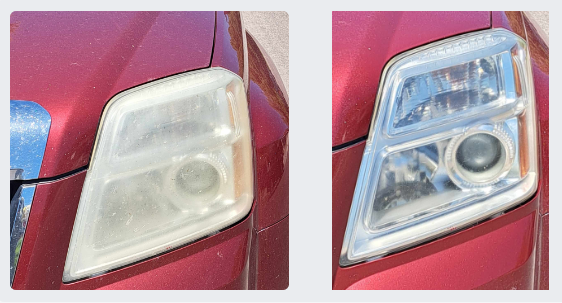
Polishing removes the cloudy layer on the headlights. It smooths the surface and clears away dirt and oxidation. Use a soft cloth or a polishing tool to apply polish evenly.
- Clean the headlights with soap and water first.
- Apply a small amount of polish to a cloth or pad.
- Rub the polish onto the headlight in circular motions.
- Keep polishing until the foggy layer disappears.
- Wipe off any excess polish with a clean cloth.
Importance Of Sealing
Sealing protects headlights after polishing. It prevents dirt and moisture from building up again. Sealing also keeps the headlights clear for a longer time.
| Benefit | Description |
| Protection | Shields headlights from UV rays and oxidation |
| Longevity | Keeps headlights clear for months |
| Cost-Effective | Reduces need for frequent cleaning or replacement |
| Improved Visibility | Makes night driving safer with brighter lights |

Credit: www.youtube.com
Preventive Measures
Foggy car headlights reduce visibility and can be dangerous. Keeping them clear helps you drive safely. Preventive care stops fogging before it starts.
Simple steps and products can protect your headlights. Regular care makes them last longer and shine brighter.
Regular Maintenance
Cleaning headlights often removes dirt and grime. This prevents fog and yellowing from building up. Use mild soap and water or a special headlight cleaner.
- Wash headlights every two weeks
- Use a soft cloth to avoid scratches
- Apply a UV protectant after cleaning
- Check headlights for cracks or damage
- Polish headlights if they look dull
Use Of Protective Films
Protective films block UV rays and road debris. They keep headlights clear and safe from damage. The films are thin and easy to apply.
| Feature | Benefit |
| UV Protection | Prevents yellowing and fogging |
| Scratch Resistance | Stops damage from small stones |
| Water Repellent | Reduces water spots and dirt build-up |
| Easy to Clean | Simplifies regular maintenance |
Common Mistakes To Avoid
Cleaning foggy car headlights can improve your driving safety. Many people make mistakes that can damage the headlights or reduce their brightness.
Knowing what to avoid helps you clean headlights safely and effectively. Here are some common errors to watch out for.
Using Harsh Chemicals
Some cleaners contain strong chemicals that can harm the plastic lens. These chemicals may cause cracks or cloudiness over time.
Always check the cleaner’s label. Use products made specifically for headlights or mild household items like soap and water.
Skipping Surface Preparation
Not cleaning dirt and grime before polishing can make the problem worse. Dirt can scratch the headlight surface during cleaning.
Wash the headlights with soap and water first. Dry them completely before applying any polish or cleaner.
Using Abrasive Materials
Using rough cloths or hard brushes can scratch the headlight lens. These scratches reduce light output and make fogging worse.
Choose soft microfiber cloths or sponges for cleaning. Avoid steel wool or rough pads that damage the plastic.
Not Protecting After Cleaning
Cleaning removes the fog but leaves the plastic unprotected. UV rays from the sun quickly cause fogging again.
Apply a UV sealant or protectant after cleaning. This layer helps keep headlights clear longer and prevents yellowing.
Ignoring Manufacturer Instructions
Every headlight and cleaning product may need different care. Ignoring instructions can reduce results or cause damage.
Read and follow the manufacturer’s guide for your car and cleaning products. Use recommended tools and methods only.

Credit: www.youtube.com
Frequently Asked Questions
How Can I Remove Fog From Car Headlights Effectively?
To remove fog, clean headlights with toothpaste or baking soda paste. Rub gently, rinse, and dry. This restores clarity and improves visibility safely.
Why Do Car Headlights Get Foggy Over Time?
Headlights fog due to UV exposure, oxidation, and dirt buildup. Plastic lenses degrade, causing yellowing or cloudiness that reduces light output.
Is It Safe To Use Household Items For Cleaning Headlights?
Yes, household items like toothpaste or baking soda are safe for mild fogging. They gently polish lenses without harsh chemicals or damage.
How Often Should I Clean Foggy Headlights?
Clean headlights every 6 months or when visibility decreases. Regular cleaning maintains brightness and improves night driving safety.
Conclusion
Cleaning foggy car headlights is simple and saves money. Use gentle methods like toothpaste or baking soda for good results. Regular cleaning keeps headlights bright and improves safety. Avoid harsh chemicals that can damage the plastic lens. Clear headlights help you see better at night and in bad weather.
Try these easy steps to keep your lights shining well. Your car will look newer and drive safer too. Don’t wait for foggy headlights to get worse—clean them today.