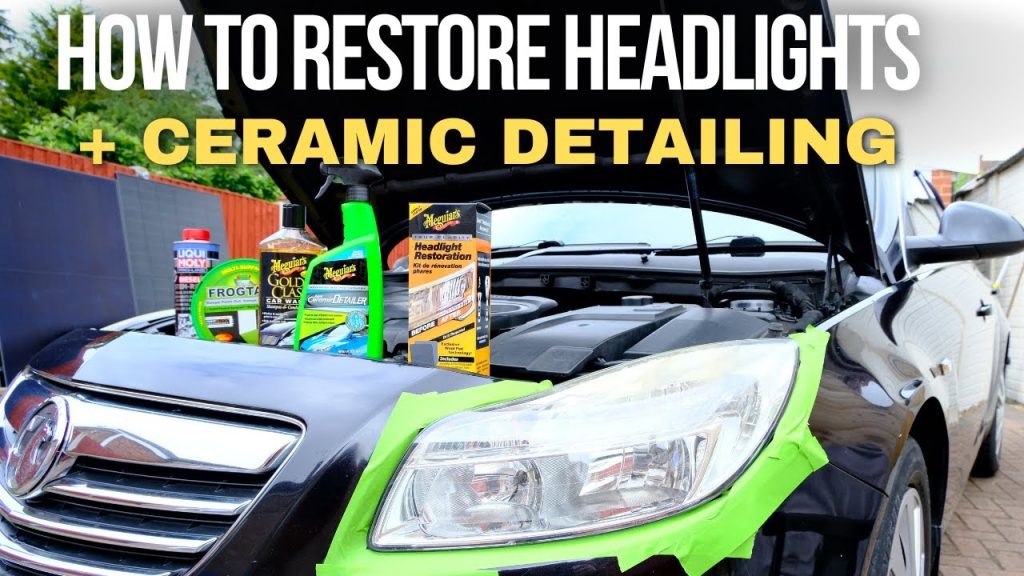
Are your car’s headlights looking dull or cloudy? This can make driving at night harder and even unsafe.
You might think cleaning them is difficult or expensive, but it’s easier than you expect. You’ll discover simple, effective ways to restore your headlights to their clear, bright best. Keep reading, and you’ll learn how to improve your car’s appearance and boost your safety on the road—without spending a lot of time or money.
Credit: www.msn.com
Why Headlight Cleaning Matters
Clean headlights help keep you safe while driving. Dirt and grime build-up can block light from shining properly.
Regular cleaning keeps headlights clear and working well. This improves your driving experience and your car’s look.
Safety Benefits
Clear headlights let you see the road better. They also make your car more visible to others. This reduces chances of accidents.
- Clean headlights improve night driving safety
- Other drivers can spot your car more easily
- Better lighting helps avoid road hazards
Improved Visibility
Dirty headlights reduce light output. This makes it hard to see signs, pedestrians, and obstacles.
| Condition | Visibility Level |
|---|---|
| Clean Headlights | High |
| Cloudy or Dirty Headlights | Low |
Enhancing Car Appearance
Clean headlights make your car look newer and well cared for. Cloudy headlights can make an old car appear worn out.
Quick Tips to Keep Headlights Clean
- Wash headlights with soap and water regularly
- Use a soft cloth or sponge to avoid scratches
- Apply headlight protectant to prevent yellowing
Common Causes Of Headlight Cloudiness
Cloudy headlights reduce your visibility while driving at night. Understanding what causes this cloudiness helps you clean them properly. Three main causes make headlights look foggy or dull.
These causes include UV exposure, oxidation, and road debris. Each factor affects the headlights differently and needs specific care.
Uv Exposure
Sunlight contains ultraviolet rays that wear down the plastic on headlights. Over time, this exposure causes the lens to turn yellow or cloudy. The clear coat on the headlights breaks down from the sun’s rays.
Oxidation
Oxidation happens when the plastic reacts with oxygen in the air. This chemical reaction causes a hazy layer to form on the headlight surface. It makes the headlights look dull and reduces light output.
- Exposure to oxygen causes oxidation
- Oxidation creates a cloudy film
- It lowers headlight brightness
Road Debris And Dirt
| Type | Effect on Headlights |
| Road Salt | Corrodes plastic and causes stains |
| Small Rocks | Scratch the headlight surface |
| Dirt and Mud | Block light and create a dull look |
Road debris hits the headlights while driving. Dirt sticks to the lens and builds up over time. These particles make the headlights look cloudy and reduce their effectiveness.
Tools And Materials Needed
Cleaning car headlights improves visibility and car appearance. You need the right tools and materials for best results.
This guide covers common household items, commercial products, and protective gear needed to clean headlights safely.
Household Items
Many household items can clean headlights without spending much money. These items are easy to find and often already at home.
- Toothpaste (non-gel) works as a mild abrasive to remove grime.
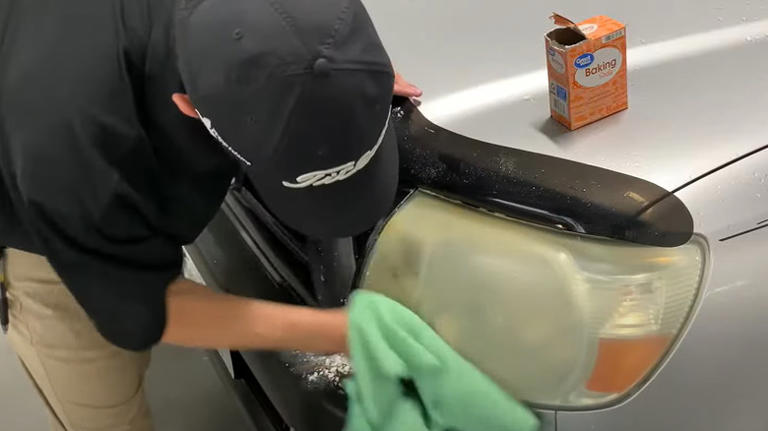
- Baking soda mixed with water creates a gentle cleaning paste.
- White vinegar helps to dissolve dirt and oxidation.
- Soft microfiber cloths prevent scratching the headlight surface.
- Masking tape protects the car paint around the headlights.
- A spray bottle with water helps rinse the headlights.
Commercial Cleaning Products
Specialized products clean headlights faster and may give longer-lasting results. These are available at auto stores or online.
- Headlight restoration kits include sandpaper, polish, and sealant.
- Plastic polish removes oxidation and scratches effectively.
- UV sealants protect headlights from future sun damage.
- Spray cleaners designed for headlights remove dirt quickly.
- Microfiber towels are often included or recommended with these products.
Protective Gear
Protective gear keeps you safe and prevents damage during cleaning. It is important to use these items to avoid injury or irritation.
- Rubber gloves protect your hands from chemicals and abrasives.
- Safety goggles shield your eyes from splashes or dust.
- A mask helps avoid inhaling fine particles during sanding.
- Old clothes or apron keep your outfit clean from stains.

Credit: www.youtube.com
Step-by-step Cleaning Process
Cleaning your car’s headlights is important for clear visibility. Dirt and grime can make headlights look cloudy and dim.
This guide shows you how to clean headlights with easy steps. Follow each part to get bright, clear lights.
Preparing The Headlights
Start by parking your car in a shaded area. This keeps cleaning products from drying too fast on the headlights.
Clean the surface with soap and water. Remove dirt and bugs before applying any cleaner.
- Use a soft cloth or sponge
- Rinse with clean water
- Dry with a microfiber towel
Applying Cleaning Solution
Choose a headlight cleaning product or make a paste with baking soda and water. Apply it evenly to the headlights.
Use a soft cloth or sponge to spread the solution. Cover the entire headlight surface.
- Commercial headlight cleaner
- Baking soda and water paste
- Toothpaste with baking soda
Scrubbing And Polishing
Gently scrub the headlights in small circular motions. This removes grime and oxidized layers.
After scrubbing, polish the headlights with a clean cloth. This helps restore their shine and clarity.
- Use a soft brush or cloth
- Apply light pressure
- Polish until headlights look clear
Rinsing And Drying
Rinse the headlights with clean water to remove all cleaning solution. Make sure no residue remains.
Dry the headlights with a microfiber towel. This prevents water spots and streaks.
- Use cool or lukewarm water
- Pat dry, do not rub hard
- Check for any missed spots
Tips For Maintaining Clear Headlights
Clear headlights help you see better at night. They also make your car look newer.
Keeping headlights clean is easy with simple habits. You can avoid foggy or yellow lights.
Regular Cleaning Schedule
Clean your headlights every two weeks. Use soap, water, and a soft cloth to wipe dirt away.
If your headlights get very dirty, use a special headlight cleaner. Avoid using rough materials that can scratch.
- Wash headlights with mild soap and water
- Dry them with a soft, clean cloth
- Check for cloudiness or damage monthly
- Use a headlight cleaning kit if needed
Protective Coatings
Applying a protective coating helps keep headlights clear longer. It stops dirt and UV rays from causing damage.
You can use a clear sealant or wax made for headlights. Reapply every few months for best results.
- Choose a UV-resistant headlight sealant
- Apply coating after cleaning and drying
- Follow product instructions for best use
- Reapply coating every 3 to 6 months
Avoiding Harsh Conditions
Harsh weather and chemicals can damage headlights. Avoid parking under direct sun for long hours.
Try to keep your car away from road salt and harsh cleaners. These can cause yellowing and cracks.
- Park in the shade or garage when possible
- Avoid using strong chemicals on headlights
- Rinse headlights after driving on salted roads
- Cover headlights if you wash your car with strong detergents
When To Seek Professional Help
Cleaning headlights at home works for minor cloudiness. Some problems need expert care to fix well.
Knowing when to get professional help keeps your headlights safe and clear.
Severe Damage
Deep cracks or broken covers need expert repair. DIY cleaning cannot fix serious damage.
Driving with damaged headlights is unsafe and may break laws. Professionals can assess and fix these issues.
Headlight Replacement
Sometimes cleaning is not enough if headlights are very old or faded. Replacing them improves light quality.
Experts know how to match and install new headlights properly. This keeps your car safe and looking good.
Advanced Restoration Services
Some headlights need special tools and products to restore shine. Professionals offer advanced cleaning and polishing.
These services remove tough yellowing and scratches better than home methods. They protect headlights longer.

Credit: www.carsales.com.au
Frequently Asked Questions
How Often Should You Clean Car Headlights?
Clean headlights every 3 to 6 months to maintain brightness. Regular cleaning prevents dirt buildup and improves night visibility. Frequent cleaning also prolongs headlight lifespan and enhances vehicle appearance.
What Materials Are Best For Cleaning Headlights?
Use mild soap, water, microfiber cloth, and toothpaste or headlight restoration kits. Avoid abrasive cleaners that can damage lenses. Proper materials ensure safe, effective cleaning without scratching or clouding headlights.
Can Diy Cleaning Restore Foggy Headlights?
Yes, DIY methods like toothpaste or baking soda can remove mild fog. For severe cloudiness, consider professional restoration. Regular cleaning delays fog build-up and improves headlight clarity and safety.
Is It Necessary To Protect Headlights After Cleaning?
Yes, applying a UV sealant after cleaning protects headlights from sun damage. This sealant prevents yellowing and cloudiness, extending clarity and improving nighttime driving safety.
Conclusion
Cleaning car headlights can be simple with the right steps. Regular maintenance helps maintain clear visibility. Use household items like toothpaste or baking soda. They effectively remove dirt and grime. Remember to rinse thoroughly after cleaning. Dry with a soft cloth to prevent streaks.
For stubborn stains, consider a commercial cleaner. Consistent care prolongs headlight life and improves safety. Bright headlights ensure better driving at night. Keep your headlights clean and clear. Enjoy safer and brighter journeys.