Your sleeping bag is your trusted companion on every adventure, keeping you warm and cozy through the night. But have you ever stopped to think about how to clean it properly?
If you want your sleeping bag to last longer and stay fresh, knowing the right cleaning methods is key. You’ll discover simple, effective ways to clean your sleeping bag without damaging it. Keep reading to protect your gear and enjoy every trip with a sleeping bag that feels just like new.

Credit: www.gearaid.com
Choosing The Right Cleaning Method
Cleaning your sleeping bag correctly keeps it fresh and lasts longer. Different stains and dirt levels need different cleaning methods. Picking the right way helps avoid damage.
This guide covers three main cleaning methods. Each one suits a different need and type of dirt on your sleeping bag.
Spot Cleaning For Minor Stains
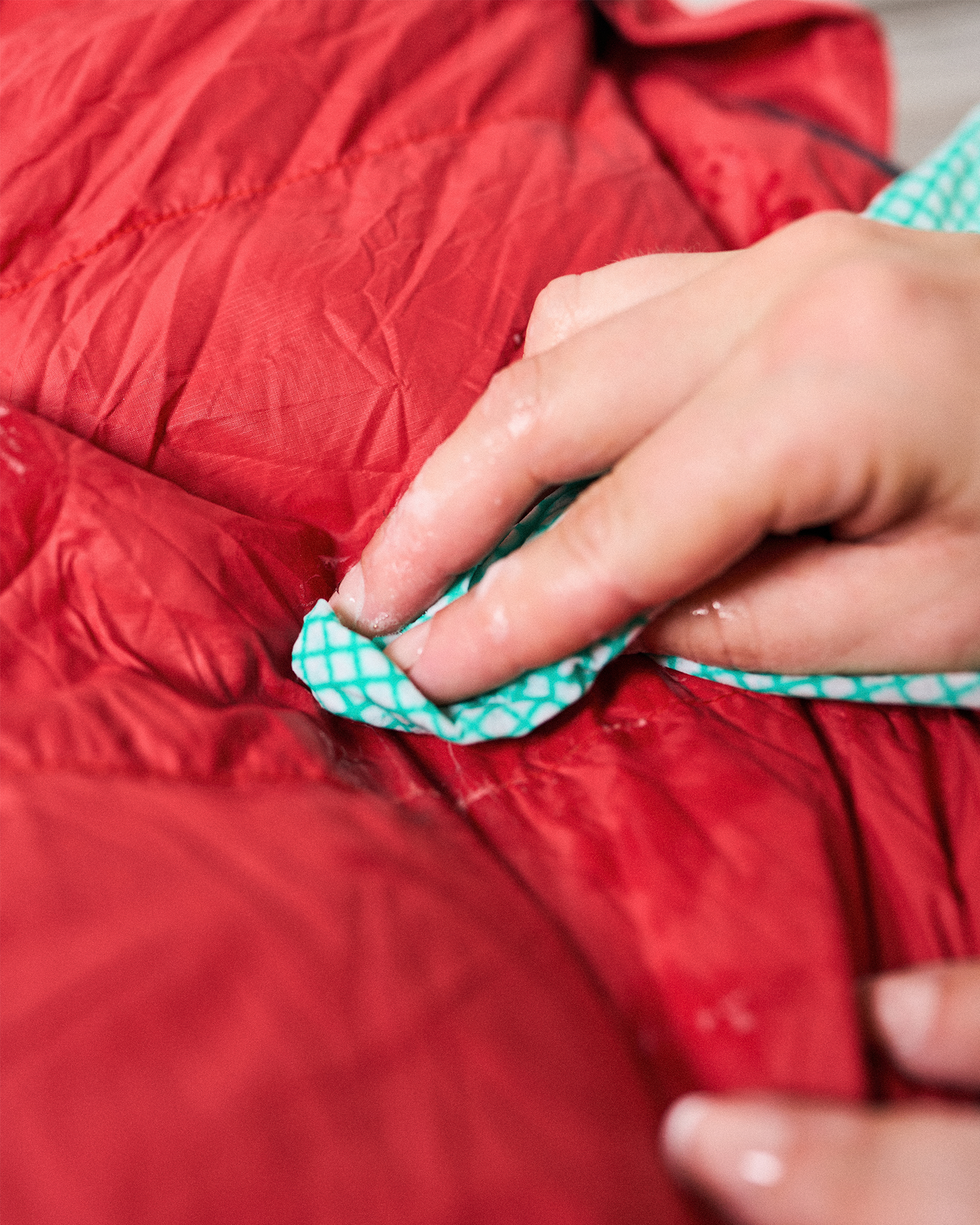
Spot cleaning is best for small stains or dirt patches. It stops stains from spreading and keeps the bag fresh without full washing.
- Use a soft cloth or sponge with mild soap.
- Gently rub the stained area without soaking it.
- Rinse with clean water using a damp cloth.
- Let the spot air dry completely before storing.
Machine Washing Guidelines
Machine washing is good for heavily soiled sleeping bags. Use a gentle cycle and the right detergent for best results.
| Step | Details |
| Detergent | Use mild, non-detergent soap made for outdoor gear. |
| Washing Machine | Choose front-loading or top-loading without agitator. |
| Water Temperature | Cold or warm water, never hot. |
| Spin Cycle | Low speed to avoid damage. |
| Drying | Air dry or tumble dry on low with clean tennis balls. |
Hand Washing Techniques
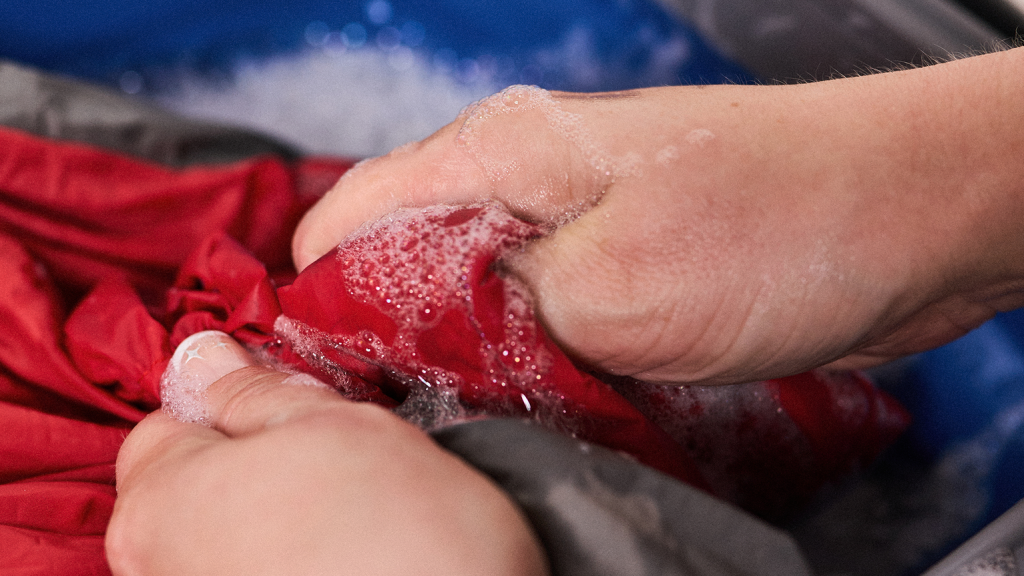
Hand washing is gentle and works well for delicate sleeping bags. It uses less water and stops damage from machine agitation.
Follow these hand washing tips:
- Fill a large tub with lukewarm water and mild soap.
- Submerge the sleeping bag and gently squeeze the fabric.
- Do not wring or twist to avoid damage.
- Rinse thoroughly with clean water until soap is gone.
- Press water out gently and air dry flat or hang.
Credit: gearjunkie.com
Essential Cleaning Supplies
Cleaning a sleeping bag keeps it fresh and lasts longer. To clean it properly, you need some essential supplies.
These supplies help remove dirt and keep the sleeping bag in good shape. Let’s explore what you need.
Best Detergents For Sleeping Bags
Using the right detergent is important. Special detergents are designed for sleeping bags.
- Non-detergent soaps are gentle and safe.
- Down-specific detergents protect down feathers.
- Eco-friendly options are good for the environment.
Tools And Accessories Needed
A few tools make cleaning easier. These tools ensure that your sleeping bag is cleaned thoroughly.
- Large front-loading washer prevents damage.
- Drying rack helps air out the bag.
- Soft-bristle brush removes surface dirt.
Step-by-step Washing Process
Cleaning your sleeping bag properly keeps it fresh and extends its life. Dirt and sweat can build up inside it. Washing the bag with care protects its insulation and fabric.
This guide shows you how to clean your sleeping bag in a few easy steps. Follow these instructions to keep your gear in good shape.
Preparing The Sleeping Bag
Before washing, check your sleeping bag for any damage or stains. Close all zippers and fasten any Velcro straps to prevent snags.
- Empty all pockets and shake out dirt
- Inspect for tears or holes to repair
- Check the washing label for special instructions
- Close zippers and secure straps
- Spot clean any visible stains first
Washing Instructions
Use a front-loading washing machine or wash by hand in a bathtub. Avoid top loaders with agitators to protect the bag’s filling.
| Washing Method | Recommended Detergent | Water Temperature |
| Machine Wash (Front-load) | Gentle, non-detergent soap | Cold or warm (30°C/86°F) |
| Hand Wash | Mild soap or specialized cleaner | Warm (30°C/86°F) |
| Do Not Use | Bleach or fabric softener | N/A |
Set the washing cycle to gentle or delicate. Rinse the bag twice to remove all soap. Do not wring or twist the sleeping bag.
Rinsing Thoroughly
Rinsing well removes soap residue that can damage the insulation. Use clean water and repeat rinsing if needed.
- Drain the washing water completely
- Refill with clean, cold water
- Gently agitate the bag by hand
- Drain and repeat rinsing at least twice
- Press out excess water without twisting
Drying Tips To Preserve Insulation
Drying your sleeping bag properly keeps it warm and comfy. Bad drying can harm the insulation inside.
This guide shows smart ways to dry your sleeping bag. Use these tips to keep it fluffy and warm.
Air Drying Vs. Machine Drying
Air drying is gentle and safe for sleeping bags. It takes longer but protects the insulation well.
Machine drying is faster but may cause damage if done wrong. Use low heat and check often to avoid problems.
- Air drying: Hang in shade with good airflow
- Machine drying: Use low heat and a large dryer
- Do not use high heat to prevent melting or clumping
Using Dryer Balls For Fluffiness
Dryer balls help keep insulation soft and full. They bounce around and separate the filling inside the bag.
Use clean wool or plastic dryer balls. Add 2 or 3 balls to the dryer with your sleeping bag for best results.
- Helps prevent insulation from clumping
- Speeds up drying time by improving air flow
- Makes the sleeping bag soft and fluffy
Avoiding Common Drying Mistakes
Drying mistakes can ruin your sleeping bag’s warmth. Avoid using high heat or leaving it wet for too long.
Do not squeeze or wring the bag. This can damage the insulation and fabric. Also, avoid direct sunlight for long periods.
- Never use high heat in the dryer
- Do not dry in direct sunlight for hours
- Avoid wringing or twisting the sleeping bag
- Check the bag regularly during drying
- Store dry to prevent mildew and odor
Storage Tips For Long-term Freshness
Keeping your sleeping bag fresh for a long time needs care. Proper storage stops bad smells and damage. It helps keep the insulation fluffy and warm.
Learn simple ways to fold and store your sleeping bag. Also, see where and how to keep it safe for months or years.
Proper Folding And Packing
Folding your sleeping bag right prevents creases and damage. Avoid tight packing for long storage to keep loft and warmth.
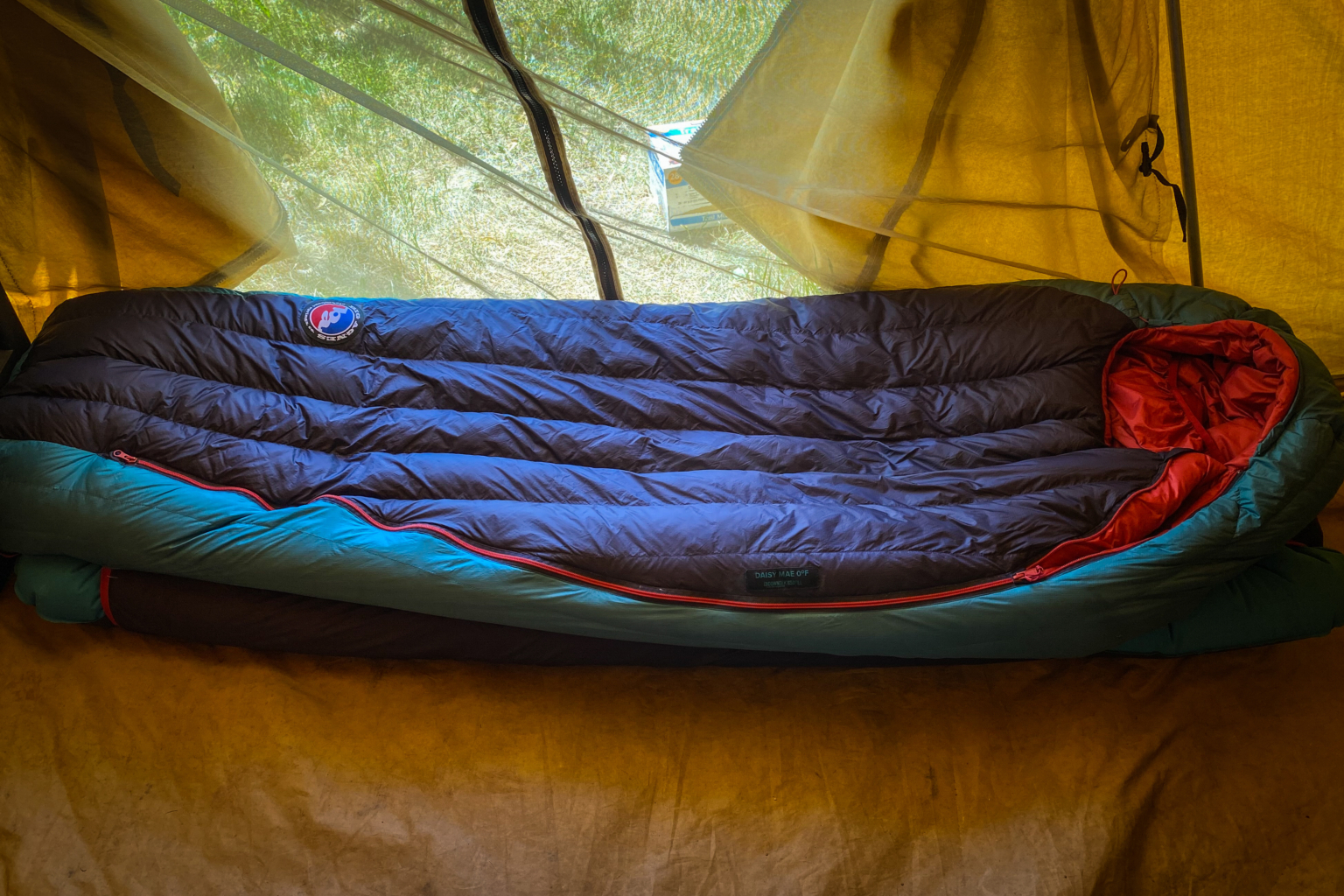
- Lay the sleeping bag flat and smooth out wrinkles.
- Fold it loosely into thirds or roll it gently.
- Use a large cotton storage sack, not the small stuff sack.
- Do not compress the bag tightly for long periods.
- Keep the bag dry before folding to avoid mold and odors.
Ideal Storage Conditions
Where you keep your sleeping bag matters. Humidity, heat, and dirt can ruin the fabric and insulation over time.
| Condition | Recommended Level | Reason |
| Temperature | Cool (below 70°F / 21°C) | Prevents material breakdown |
| Humidity | Low (40%-60%) | Stops mold and mildew growth |
| Light Exposure | Minimal, store in dark place | Protects fabric from fading |
| Airflow | Good ventilation | Prevents dampness and odors |
Maintaining Sleeping Bag Longevity
Cleaning and caring for your sleeping bag helps it last longer. Proper maintenance keeps it warm and comfortable for many trips.
Follow simple steps to protect your sleeping bag from damage and odors. This guide covers cleaning, repairs, and moisture care.
Regular Cleaning Frequency
Cleaning your sleeping bag regularly keeps it fresh and functional. Avoid washing it too often to protect the insulation.
- Clean your sleeping bag after every 3 to 4 uses.
- Spot clean small stains or dirt immediately.
- Use gentle detergent made for outdoor gear.
- Air out your bag after every trip to reduce odors.
Repairing Minor Damages
Fix small tears or holes quickly to stop them from getting worse. Use repair kits made for fabric and zippers.
| Damage Type | Repair Method | Tip |
| Small tear | Fabric patch or sewing | Use matching thread |
| Broken zipper | Replace zipper slider | Check zipper alignment |
| Loose stitching | Sew loose seams | Use strong thread |
Protecting From Moisture And Odors
Keep your sleeping bag dry to avoid mold and smells. Store it loosely in a dry place when not in use.
- Use a breathable storage sack, not a tight compression bag.
- Dry your bag completely before storing it.
- Air out your bag after every trip to prevent odors.
- Use natural odor absorbers like cedar blocks near storage.
Credit: www.ellis-brigham.com
Frequently Asked Questions
How Often Should You Clean Sleeping Bags?
Clean your sleeping bag after every 3-4 uses or when visibly dirty. Frequent cleaning can damage the insulation and fabric. Spot clean minor stains and air out the bag regularly to maintain freshness and prolong its life.
Can You Machine Wash All Sleeping Bags?
Not all sleeping bags are machine washable. Check the manufacturer’s label first. Use a front-loading machine with gentle cycle and cold water. Use mild detergent designed for delicate fabrics. Avoid fabric softeners and bleach to protect insulation and fabric integrity.
What Is The Best Way To Dry A Sleeping Bag?
Air drying is best for sleeping bags to prevent damage. Lay it flat or hang it in a shaded, well-ventilated area. Avoid direct sunlight and high heat sources. Use a large dryer on low heat with tennis balls to fluff synthetic insulation if necessary.
How Do You Remove Odors From Sleeping Bags?
To remove odors, hang your sleeping bag outside to air out. Use baking soda or specialized gear cleaners for deep cleaning. Avoid harsh chemicals that can degrade materials. Proper storage in a dry, breathable bag also helps prevent odor buildup.
Conclusion
Cleaning your sleeping bag keeps it fresh and ready for use. Regular care helps keep the material soft and warm. Use gentle soap and cold water to protect the fabric. Dry it fully to avoid mold and bad smells. Store your sleeping bag loosely in a dry place.
Clean bags last longer and feel better on trips. Simple steps make a big difference in bag care. Take time to clean your bag well. Your next adventure will be more comfortable and clean.