Cutting backer board might seem tricky at first, but once you know the right steps, it becomes simple and even satisfying. If you’re planning a tiling project or need a sturdy base for your walls or floors, understanding how to cut backer board correctly will save you time and frustration.
In this guide, you’ll learn easy techniques and tips to make clean, precise cuts every time. Ready to take your DIY skills to the next level? Let’s dive in and get your backer board cut just right.
Choosing The Right Tools
Cutting backer board is an important step in many building projects. Using the right tools makes the job easier and safer. This guide helps you choose tools that work best for cutting backer board.
Different tools suit different needs. You will learn about hand tools and power tools, which blades to use, and safety gear to protect yourself.
Hand Tools Vs Power Tools
Hand tools are simple and easy to control. They work well for small cuts or thin backer board. Power tools cut faster and handle bigger jobs. They need more skill to use safely.
- Hand Tools:Utility knives, scoring knives, and saws.
- Power Tools:Circular saws, jigsaws, and rotary tools.
- Choose hand tools for light work and power tools for heavy or fast cutting.
Essential Cutting Blades
Select blades made for hard, dense materials like cement board. Blades with carbide tips last longer and cut cleaner. Avoid dull or damaged blades to keep cuts smooth and safe.
- Carbide-tipped scoring blades for hand tools
- Diamond-grit blades for power saws
- Fine-tooth blades reduce chipping and dust
Safety Gear To Use
Cutting backer board creates dust and sharp edges. Wear safety gear to protect your eyes, lungs, and hands. Good gear keeps you safe and comfortable.
- Safety glasses or goggles
- Dust mask or respirator
- Gloves to protect your hands
- Hearing protection if using power tools

Credit: www.simplydesigning.net
Preparing The Backer Board
Cutting backer board correctly starts with good preparation. This step helps you get clean, accurate cuts.
Prepare your workspace and gather tools before cutting. This makes the job faster and safer.
Measuring And Marking
Measure the backer board carefully. Use a tape measure and a pencil to mark where you need to cut.
Mark straight lines with a ruler or a straight edge. Clear marks help you follow the cut line easily.
- Measure twice to avoid mistakes
- Use a pencil for light, erasable marks
- Draw straight lines with a ruler or square
- Mark both sides if needed for accuracy
Securing The Board
Hold the backer board firmly before cutting. Secure it to your work surface to stop it from moving.
Use clamps or heavy objects to keep the board steady. This helps prevent uneven cuts and accidents.
- Place the board on a flat, stable surface
- Use clamps to hold the board in place
- Check that the board does not shift during cutting
- Keep your hands clear of the cutting line
Cutting Techniques
Cutting backer board is a common task in tiling projects. It helps to get the right size before installation.
There are several ways to cut backer board. Each way works best for different tools and situations.
Scoring And Snapping
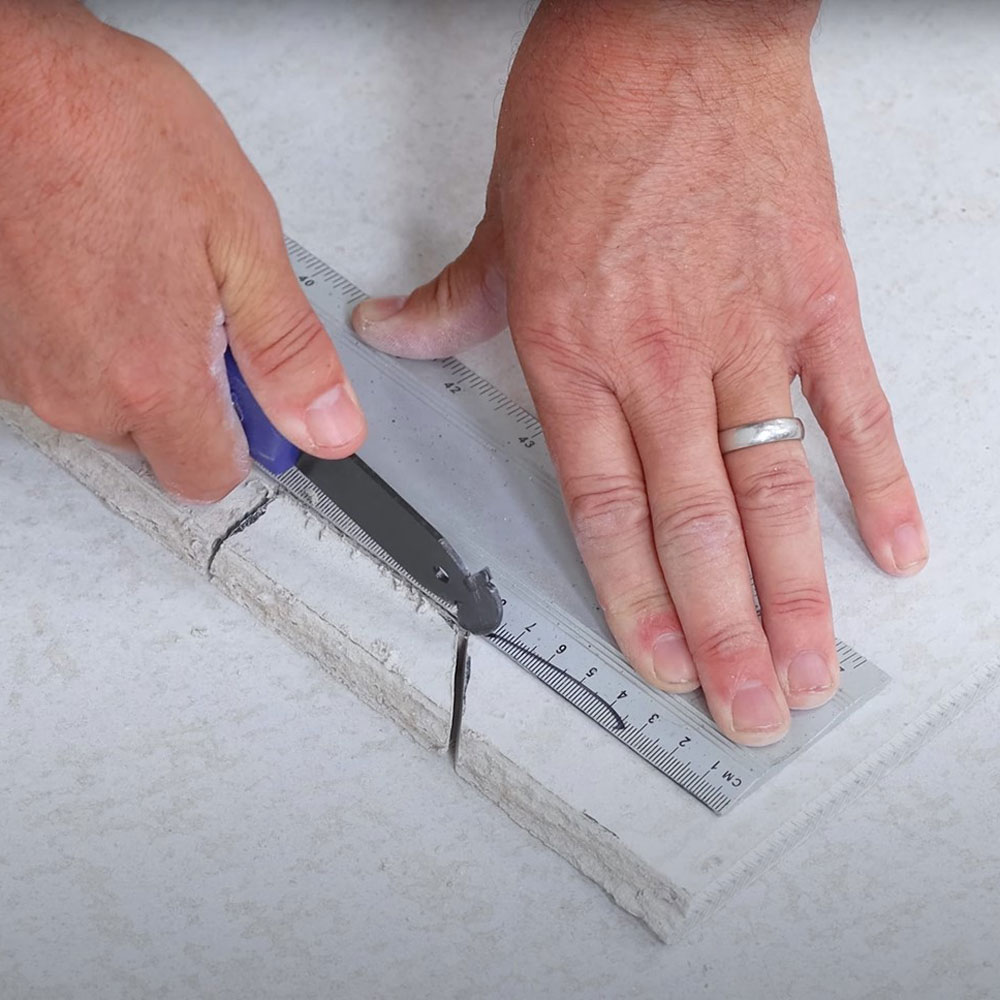
Scoring and snapping is a simple way to cut backer board. You use a utility knife to score the surface deeply.
After scoring, snap the board along the cut line. This creates a clean break without dust or noise.
- Mark the cutting line clearly
- Use a straight edge to guide the knife
- Score the board several times to cut deep
- Lift and snap the board carefully
Using A Jigsaw
A jigsaw helps cut curved or irregular shapes in backer board. It uses a small blade that moves up and down.
Choose a blade made for cement board or metal to avoid dulling. Cut slowly for smooth edges.
- Secure the board on a flat surface
- Draw the shape or line to cut
- Start cutting with steady speed
- Wear a mask to avoid dust
Employing A Circular Saw
A circular saw is good for long straight cuts on backer board. It uses a spinning blade to cut quickly.
Use a diamond blade or carbide-tipped blade made for backer board. Cut slowly to reduce dust and chip-out.
- Measure and mark the cutting line
- Clamp the board firmly
- Wear safety goggles and a mask
- Guide the saw along the line steadily
Handling Common Challenges
Cutting backer board can be tricky if you do not prepare well. Common problems include dust, tough materials, and cracks. Knowing how to manage these helps you get clean cuts.
This guide covers tips for avoiding dust and debris, dealing with hard materials, and preventing board cracks.
Avoiding Dust And Debris
Cutting backer board creates dust that can harm your lungs and make a mess. Use tools and safety gear to keep the area clean and safe.
- Wear a dust mask or respirator.
- Use a utility knife for straight cuts to reduce dust.
- Cut outside or in a well-ventilated area.
- Use a vacuum or dust extractor near the cutting tool.
- Clean the workspace regularly during the job.
Dealing With Tough Materials
Some backer boards have fiberglass or cement that is hard to cut. Use the right blades and tools to make cutting easier and safer.
| Tool | Best Use |
| Carbide-tipped scoring knife | Scoring thin boards |
| Diamond blade saw | Cutting thick or cement boards |
| Jigsaw with fine-tooth blade | Curved or detailed cuts |
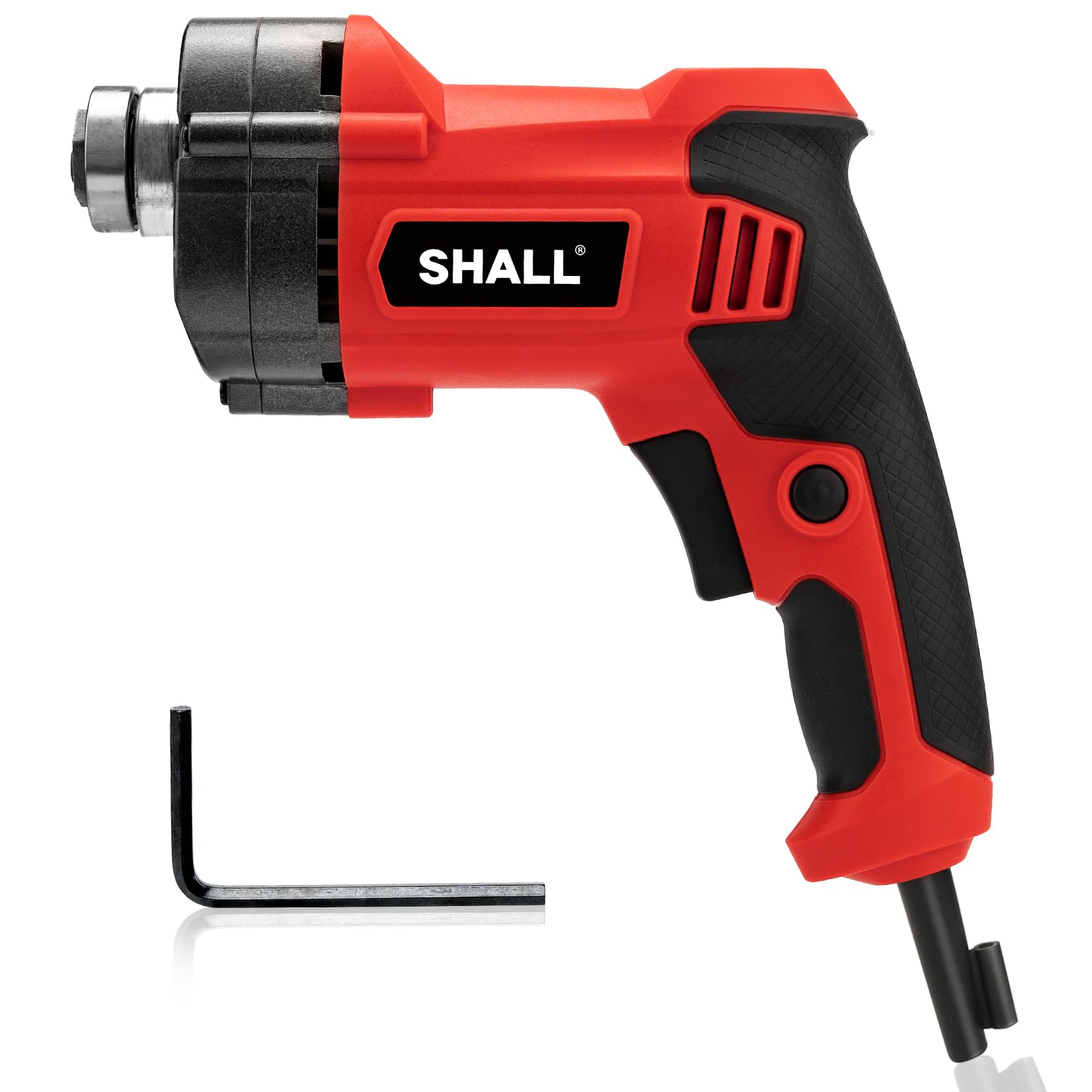
| Angle grinder with diamond wheel | Fast cuts on hard materials |
Preventing Board Cracks
Backer boards crack if you cut too fast or use too much force. Gentle handling and good techniques help keep the board intact.
Follow these tips to avoid cracks:
- Score the board deeply before snapping.
- Support both sides of the board while cutting.
- Use slow, steady pressure with cutting tools.
- Do not over-tighten screws near cut edges.
- Store boards flat and dry before use.
Finishing Touches
Cutting backer board is only part of the job. The finishing touches make sure your project looks good and fits well.
Take time to smooth edges and check alignment before installation. This helps avoid problems later.
Smoothing Edges
After cutting the backer board, rough edges can cause issues. Smoothing them ensures a clean finish and easier installation.
- Use a sanding block or sanding sponge to smooth edges.
- Wear a dust mask to avoid inhaling particles.
- Sand until edges feel even and safe to touch.
- Clean the dust off with a damp cloth before fitting.
Checking Fit And Alignment
Proper fit and alignment prevent gaps and uneven surfaces. Measure twice and place the board carefully.
| Check | How to Do It | Why It Matters |
|---|---|---|
| Fit | Place the board in the space and see if it fits snugly. | Prevents gaps and ensures stability. |
| Alignment | Use a level or straight edge to check the board’s position. | Keeps tiles even and walls smooth. |
| Edges | Look for edges that stick out or are uneven. | Avoids problems with tile or grout later. |

Credit: www.tilemountain.co.uk
Maintenance And Cleanup
Cutting backer board creates dust and debris that can damage tools and workspace. Proper cleanup helps keep your tools sharp and your area safe.
Taking time to care for your equipment and clean up after cutting will improve your next project’s results.
Tool Care After Cutting
Backer board dust can dull blades and clog tools. Clean and maintain your equipment right after use.
- Remove dust from blades and saw parts with a brush or compressed air.
- Wipe tools with a damp cloth to clear fine dust.
- Check blades for any chips or dull edges and replace if needed.
- Lubricate moving parts to prevent rust and keep smooth operation.
- Store tools in a dry place to avoid moisture damage.
Cleaning Work Area
Cleaning your workspace after cutting backer board helps prevent accidents and keeps your tools ready.
| Cleaning Task | Recommended Method |
| Sweep large debris | Use a broom or dustpan |
| Remove fine dust | Vacuum with HEPA filter |
| Wipe surfaces | Damp cloth or mop |
| Dispose of waste | Seal dust in bags before trash |
Credit: www.amazon.ca
Frequently Asked Questions
What Tools Do I Need To Cut Backer Board?
To cut backer board, you need a utility knife, scoring tool, circular saw, or carbide-tipped blade. For straight cuts, use a utility knife and straightedge. For curved cuts, a jigsaw may be helpful. Always wear safety goggles and a dust mask for protection.
Can I Cut Backer Board With A Utility Knife?
Yes, you can cut backer board with a utility knife. Score the board deeply along a straight line using a straightedge. Snap the board along the scored line. This method works best for straight cuts and small projects.
What’s The Best Saw For Cutting Backer Board?
A circular saw with a carbide-tipped blade is best for cutting backer board. It provides clean and precise cuts. Ensure the blade is suitable for cement board. Always wear protective gear to avoid inhaling dust and debris.
How Do I Cut Curves In Backer Board?
To cut curves in backer board, use a jigsaw with a carbide-grit blade. Mark the curve with a pencil. Carefully guide the jigsaw along the marked line. This method provides flexibility for intricate cuts while maintaining precision.
Conclusion
Cutting backer board is easier with the right tools and steps. Measure carefully and mark your cuts clearly. Use a utility knife or saw depending on the material. Take your time to avoid mistakes and injury. Clean up edges for a smooth fit.
Practicing these tips helps you handle backer board confidently. Ready to improve your project with neat cuts? Keep these simple tips in mind each time you work.