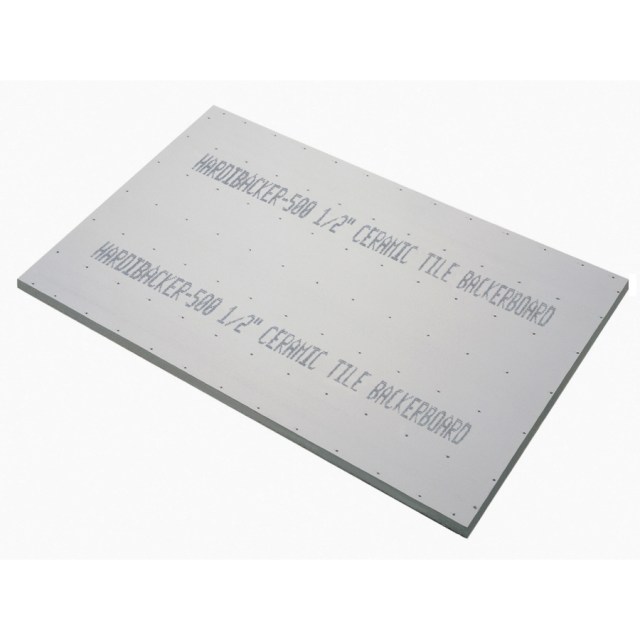
Cutting Hardie Backer Board might seem tricky at first, but with the right tips, you can do it quickly and cleanly. Whether you’re working on a bathroom remodel or a tile project, knowing how to cut this material properly saves you time and frustration.
In this guide, you’ll discover simple methods and tools that make the job easier. By the end, you’ll feel confident handling Hardie Backer Board like a pro—ready to get your project done right. Keep reading to learn exactly how to cut it without hassle or mess.
Tools Needed
Cutting Hardie backer board requires the right tools to make clean and accurate cuts. Using proper tools helps avoid damage to the board and keeps the work safe.
This guide explains the cutting tool options and safety equipment you need for the job.
Cutting Tools Options
You can use different tools to cut Hardie backer board. Each tool has benefits depending on the cut type and size.
- Utility Knife:Good for scoring thin boards before snapping them.
- Carbide-Tipped Saw Blade:Fits circular saws for straight cuts on thicker boards.
- Jigsaw:Useful for curved or detailed cuts.
- Angle Grinder:Handy for quick cuts but requires steady control.
- RotoZip Tool:Ideal for cutting holes or small shapes.
Safety Equipment
Cutting Hardie backer board produces dust that can harm your lungs and eyes. Wearing safety gear is very important.
Use equipment that protects you from dust and flying debris during cutting.
- Dust Mask or Respirator to avoid breathing dust
- Safety Glasses to protect your eyes
- Work Gloves to protect your hands
- Hearing Protection if using loud power tools
- Long Sleeve Shirt and Pants to protect skin
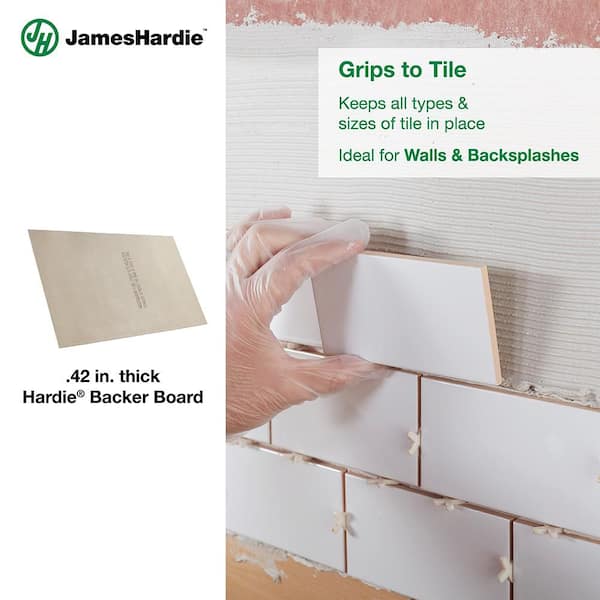
Credit: www.homedepot.com
Preparing The Board
Cutting Hardie Backer Board requires careful preparation. This helps ensure clean, accurate cuts and safe handling.
First, you need to measure and mark the board correctly. Then, support the board properly to avoid damage during cutting.
Measuring And Marking
Use a tape measure to find the exact size you want to cut. Mark the cut line clearly with a pencil or chalk.
- Measure twice to avoid mistakes
- Mark a straight line using a ruler or straight edge
- Use a bright color for clear visibility
- Double-check your marks before cutting
Supporting The Board
Place the board on a stable surface before cutting. Support both sides of the cut line to prevent breaking or chipping.
| Support Type | Description |
| Sawhorses | Hold the board at a comfortable height and keep it steady |
| Work Table | A flat, solid surface to lay the board flat |
| Additional Bracing | Use clamps or extra boards to stabilize edges |
Cutting Techniques
Hardie backer board is a cement-based board used under tiles. Cutting it properly helps make clean, accurate cuts for your project.
This guide explains easy ways to cut Hardie backer board. Choose the right tool and technique for your needs.
Scoring And Snap Method
Scoring and snapping is a simple way to cut Hardie backer board. It works like cutting drywall but needs a stronger score line.
Use a carbide-tipped scoring knife to score the board deeply. After scoring, snap the board along the line by hand or on a table edge.
- Measure and mark your cut line clearly.
- Use a straightedge to guide your scoring knife.
- Score firmly along the line several times.
- Snap the board by applying pressure on both sides.
- Smooth rough edges with sandpaper if needed.
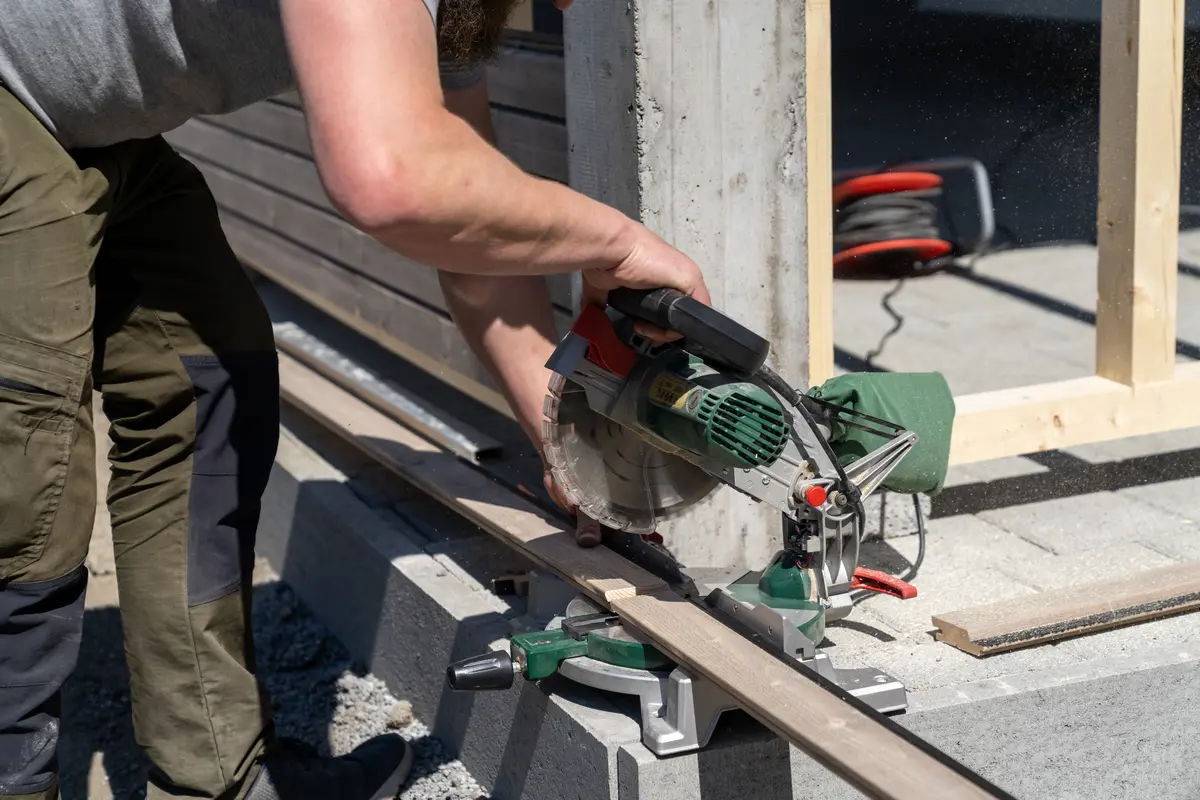
Using A Circular Saw
A circular saw makes fast, straight cuts in Hardie backer board. Use a carbide blade made for cement or masonry.
Cut slowly to avoid breaking the board. Wear a dust mask because cutting creates a lot of dust.
- Set the blade depth slightly deeper than board thickness.
- Clamp the board to keep it steady.
- Wear eye protection and a dust mask.
- Guide the saw along a straightedge for accurate cuts.
- Cut at a steady, moderate speed to reduce dust and chipping.
Employing A Jigsaw
A jigsaw cuts curved or irregular shapes in Hardie backer board. Use a carbide-grit blade for the best results.
This tool works well for smaller cuts or cutouts for pipes and outlets.
- Mark your cutting line clearly on the board.
- Clamp the board to prevent movement.
- Use a slow speed to keep control and reduce dust.
- Follow the marked line carefully for clean edges.
- Wear safety goggles and a dust mask.
Using A Utility Knife
A utility knife works for small cuts or trimming edges on Hardie backer board. It is not for full cuts on thick boards.
Score the board several times with a sharp blade to get a deep cut. Then snap the board along the line.
- Use a fresh, sharp utility blade for clean scoring.
- Score along a straightedge to keep the line straight.
- Apply strong, even pressure while scoring.
- Snap the board carefully after scoring.
- Replace the blade if it becomes dull.
Handling Edges And Dust
Cutting Hardie Backer Board creates rough edges and a lot of dust. Proper handling helps keep your work clean and safe.
This guide explains how to smooth edges and control dust while cutting Hardie Backer Board.
Smoothing Cut Edges
After cutting, the edges of Hardie Backer Board can be sharp and rough. Smoothing these edges prevents injuries and helps with installation.
Use a sanding block or a rasp to gently smooth the cut edges. Work slowly to avoid damaging the board surface.
- Wear gloves to protect your hands
- Sand edges with medium-grit sandpaper
- Remove dust with a soft brush or cloth
Dust Control Tips
Cutting Hardie Backer Board produces fine dust that can harm your lungs. Controlling dust keeps your workspace safer and cleaner.
Use a dust mask and cut outdoors if possible. Wetting the board before cutting helps reduce dust in the air.
- Wear a N95 dust mask or respirator
- Use a circular saw with a dust collection attachment
- Wet the cutting line with water before cutting
- Cut in a well-ventilated area or outside
- Clean up dust with a vacuum or damp cloth
Common Mistakes To Avoid
Cutting Hardie Backer Board needs care and the right tools. Many people make simple errors that cause damage or waste material.
Knowing these common mistakes helps you cut the board safely and correctly the first time.
Using The Wrong Tools
Using tools not meant for Hardie Backer Board can cause rough cuts or cracks. Avoid using dull blades or metal cutting saws.
Use a carbide-tipped scoring knife or a fine-toothed saw for clean cuts.
Not Measuring Twice
Cutting without double-checking measurements leads to mistakes. This wastes material and time.
Always measure the board carefully and mark your lines clearly before cutting.
Cutting Too Fast
Rushing the cutting process can cause uneven edges and break the board. Slow, steady cuts give better results.
Let the blade do the work without forcing it through the board.
Ignoring Safety Gear
Hardie Backer Board dust can harm your lungs and eyes. Not wearing safety gear is risky.
- Wear a dust mask or respirator
- Use safety goggles
- Wear gloves to protect your hands
Keep your work area ventilated to reduce dust exposure.
Not Supporting The Board Properly
Cutting Hardie Backer Board without support under it can cause cracking or breaking.
Place the board on a flat, stable surface and support both sides of the cut line.
Overcutting Beyond The Marked Line
Cutting too far past the line ruins the board and affects fitting. Stay exactly on your marked line.
Use straight edges or guides to help keep your cuts precise.
Credit: veteranscontractingllc.com
Maintenance Of Tools
Keeping your tools in good shape helps you cut Hardie Backer Board safely. Proper maintenance makes your tools last longer.
Clean and check your tools often. This stops problems before they start and keeps your work smooth.
Cleaning After Use
Remove dust and debris from blades and saws after every cut. Use a brush or compressed air to clean hard-to-reach areas.
Blade Sharpening
Dull blades cause rough cuts and extra effort. Sharpen blades regularly to keep them sharp and efficient.
- Use a diamond file or sharpening stone
- Follow the blade manufacturer’s angle guide
- Wear safety gloves while sharpening
- Check blade condition before each use
Lubrication And Rust Prevention
Lubricate moving parts of power tools to reduce wear. Wipe metal parts with oil to stop rust buildup.
| Tool Part | Maintenance Tip |
| Saw blade | Clean and oil after use |
| Motor parts | Apply lubricant monthly |
| Handles and grips | Wipe with dry cloth |
| Storage area | Keep dry and dust-free |
Storage Practices
Store tools in a dry, cool place. Use protective cases for blades to avoid damage and accidents.

Credit: veteranscontractingllc.com
Frequently Asked Questions
How Do You Score And Snap Hardie Backer Board?
To score and snap Hardie Backer board, use a carbide-tipped utility knife. Score the surface deeply along a straight edge. Then, snap the board by applying firm pressure downward. This method is quick and clean for straight cuts.
What Tools Cut Hardie Backer Board Best?
The best tools to cut Hardie Backer board are a circular saw with a diamond blade or a carbide-tipped scoring knife. These tools ensure clean, precise cuts without damaging the board or creating excessive dust.
Can You Cut Hardie Backer Board With A Jigsaw?
Yes, you can cut Hardie Backer board with a jigsaw. Use a carbide-grit blade and cut slowly to avoid chipping. This method is ideal for making curved or detailed cuts.
How Do You Minimize Dust When Cutting Hardie Backer?
To reduce dust, cut Hardie Backer board outdoors or in a well-ventilated area. Use a wet saw or a dust collection system. Wearing a mask and goggles is essential for safety.
Conclusion
Cutting Hardie backer board is simple with the right tools. Score the board deeply, then snap it cleanly. Use a carbide-tipped blade for smooth cuts. Always wear safety gear to protect yourself. Practice on scrap pieces to gain confidence. This method saves time and keeps edges neat.
Following these steps helps your project look professional. Ready to cut your board safely and easily?