Are you planning to work with Hardie board but unsure how to cut it properly? Cutting Hardie board might seem tricky at first, but with the right tools and techniques, you can achieve clean, precise cuts without hassle.
In this guide, you’ll discover simple steps that make the process easier and safer. Keep reading to learn how to cut your Hardie board like a pro, saving time and avoiding common mistakes along the way.
Credit: bestexteriorsinc.com
Tools For Cutting Hardie Board
Cutting Hardie board requires the right tools to get clean and accurate cuts. Using proper tools helps reduce dust and avoid damage to the board.
This guide explains the difference between manual and power tools, and highlights the best blades and accessories to use.
Manual Vs Power Tools
Manual tools are simple and easy to control, but they need more effort. Power tools cut faster and handle tougher jobs with less work.
- Manual Tools:Utility knives and handsaws are common. They work well for small cuts and trimming.
- Power Tools:Circular saws and jigsaws are popular. They offer faster, smoother cuts for large sheets.
- Power tools create more dust, so always wear safety gear.
Best Blades And Accessories
Select blades designed for fiber cement board. These blades cut cleanly and last longer.
| Blade Type | Use | Notes |
| Carbide-Tipped Saw Blade | Circular saws for straight cuts | Durable and reduces chipping |
| Diamond-Tipped Blade | Power saws for heavy cutting | Long-lasting but more expensive |
| Fiber Cement Scoring Blade | Manual scoring knives | Good for light scoring and snapping |
| Dust Shroud Attachment | Power tools | Controls dust for safer cutting |
Safety Measures
Cutting Hardie board requires careful attention to safety. Dust and debris can harm your health. Wearing the right gear protects you from injury.
Follow safety steps to reduce risks. Use tools and methods that keep dust low and protect your skin and lungs.
Protective Gear Essentials
Wear protective gear to stay safe while cutting Hardie board. This gear shields your body from dust and sharp edges.
- Dust mask or respirator to avoid breathing harmful dust
- Safety goggles to protect your eyes from debris
- Heavy-duty gloves to prevent cuts on your hands
- Long-sleeve shirt and long pants to protect your skin
- Hearing protection if using loud power tools
Dust Control Techniques
Hardie board dust contains silica, which can cause lung problems. Control dust to keep your workspace clean and safe.
| Method | Description | Benefit |
| Wet Cutting | Use water to dampen the board while cutting | Reduces dust in the air |
| Vacuum Attachment | Attach a vacuum to the saw to catch dust | Keeps dust near the tool |
| Outdoor Cutting | Cut boards outside in open air | Prevents dust buildup indoors |
| Regular Cleanup | Sweep and vacuum work area often | Removes settled dust quickly |
Preparation Steps
Cutting Hardie board requires careful preparation to ensure clean and accurate cuts. Before you start, set up your workspace and gather all necessary tools.
Proper measuring and marking help you avoid mistakes. A well-organized cutting area improves safety and efficiency.
Measuring And Marking
Measure the Hardie board precisely using a tape measure. Mark the cut lines clearly with a pencil or chalk. Use a straight edge or ruler to keep lines straight and easy to follow.
- Wear safety glasses to protect your eyes from dust.
- Use a carpenter’s square for right-angle marks.
- Double-check measurements before marking.
- Mark both sides of the board for better guidance.
Setting Up A Cutting Area
Choose a flat, stable surface to place the Hardie board. Ensure the area has good lighting and enough space to work comfortably. Keep your tools nearby for easy access.
| Tool | Purpose | Safety Tip |
| Worktable or Sawhorses | Support the board | Make sure they are stable |
| Clamps | Hold the board steady | Check tightness but avoid damage |
| Dust Mask | Protect lungs from dust | Wear at all times while cutting |
| Hearing Protection | Protect ears from loud noise | Use with power saws |
Credit: bestexteriorsinc.com
Cutting Techniques
Cutting Hardie board requires care to avoid damage. Using the right tools helps make clean cuts.
There are several ways to cut Hardie board. Each method suits different needs and tools.
Scoring And Snap Method
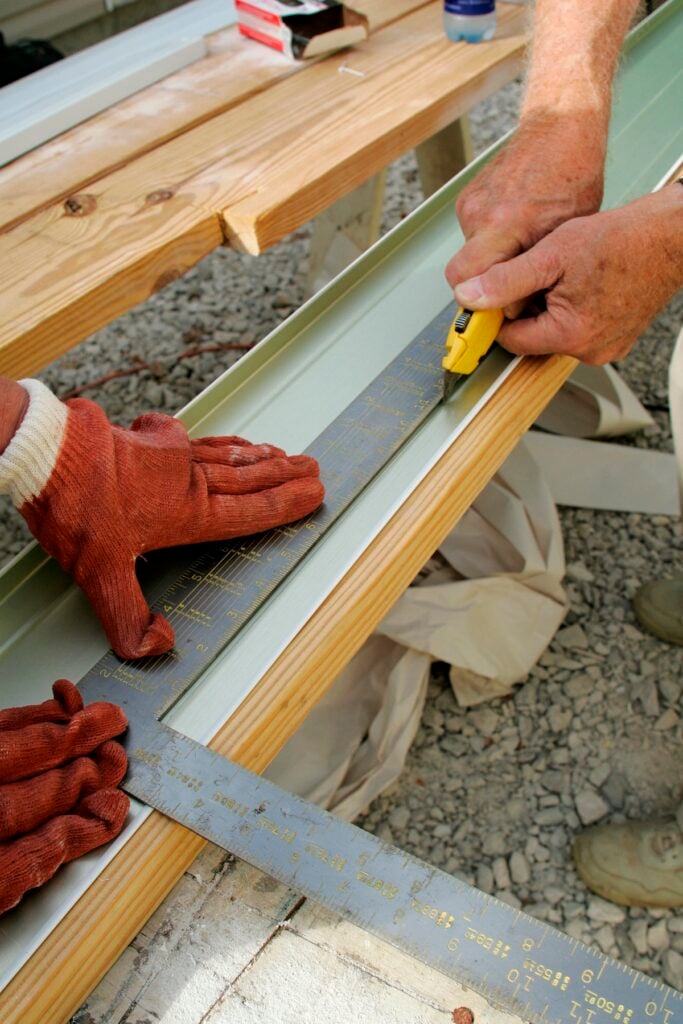
This method uses a utility knife to score the board deeply. Then you snap the board along the scored line.
It works well for straight cuts and smaller pieces. The board breaks cleanly if scored enough.
- Use a straight edge as a guide
- Score the board several times with a sharp knife
- Snap the board by bending it downwards
- Sand edges if needed for smoothness
Using A Circular Saw
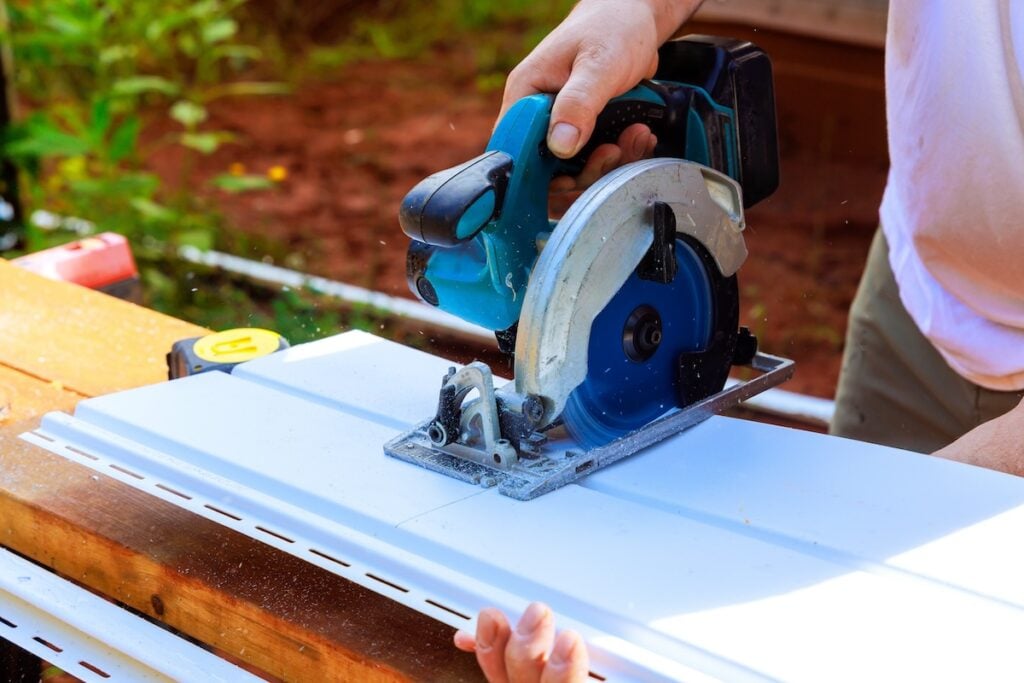
A circular saw with a diamond blade cuts Hardie board fast. It makes straight, clean cuts.
Wear a dust mask and goggles. Cutting Hardie board creates fine dust that is harmful.
- Set the saw blade depth slightly deeper than board thickness
- Use a straight edge to guide the saw
- Cut slowly to avoid chipping
- Clean up dust after cutting
Jigsaw Applications
A jigsaw works well for curved or detailed cuts on Hardie board. It is slower but flexible.
Use a carbide-grit blade for best results. Keep the board steady while cutting to avoid mistakes.
- Clamp the board firmly to a workbench
- Use a slow speed to reduce dust and chipping
- Follow the cutting line carefully
- Sand edges after cutting if rough
Tips For Clean Edges
Cutting Hardie board cleanly helps keep your project looking sharp. Edges that are smooth and even make installation easier. You can avoid damage by using the right tools and techniques.
Here are some tips to get clean edges on your Hardie board cuts. Follow these to reduce chipping and finish your cuts nicely.
Reducing Chipping
Chipping happens when the board breaks or splinters on the cut edge. To reduce this, use sharp blades and proper cutting methods. Support the board well to avoid stress during cutting.
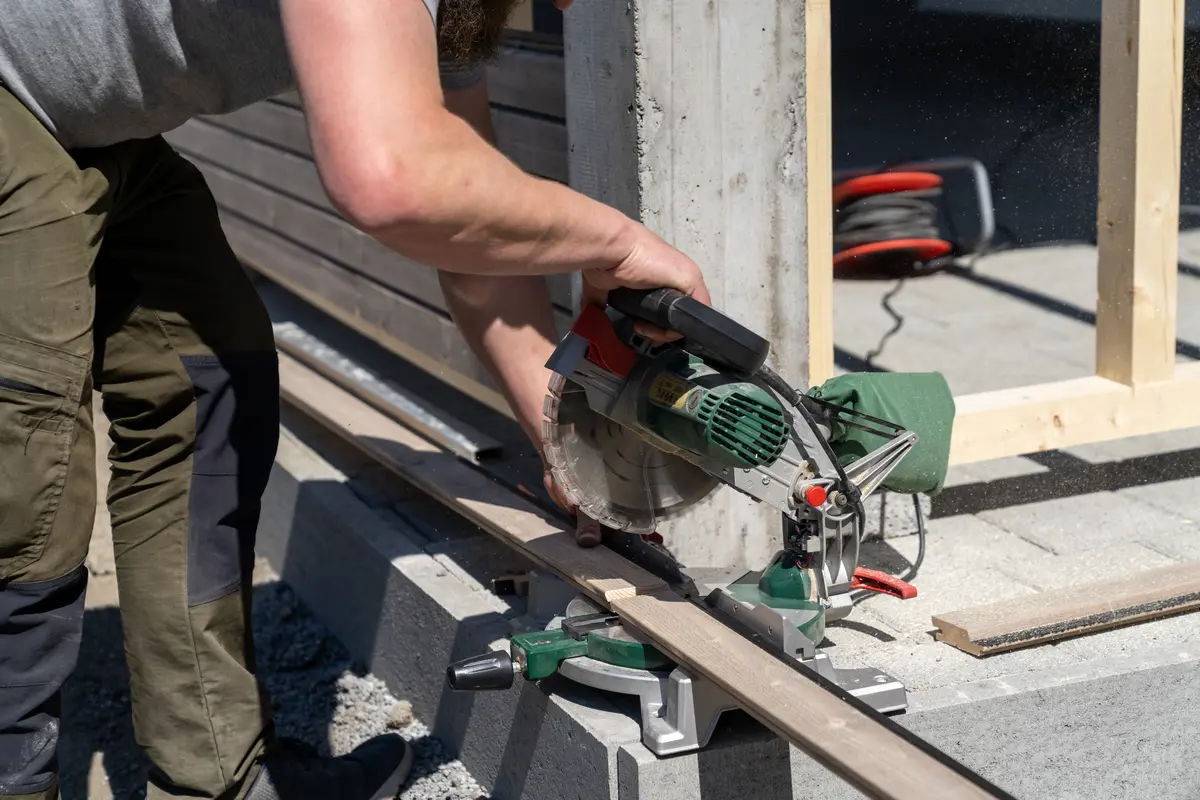
- Use a diamond blade or carbide-tipped blade on your saw.
- Score the cut line with a utility knife before cutting.
- Cut slowly and steadily to avoid tearing the board.
- Clamp the board firmly on a stable surface to prevent movement.
- Cut with the good face of the board facing down.
Sanding And Finishing
After cutting, sanding smooths the edges and removes small chips. Use fine-grit sandpaper and a sanding block for the best results. Finish by cleaning dust from the edges.
| Tool | Purpose | Tip |
|---|---|---|
| Fine-grit sandpaper (120-150) | Smooth edges | Sand gently in one direction |
| Sanding block | Even sanding | Keeps pressure uniform |
| Brush or air blower | Clean dust | Remove all sanding residue |
Common Mistakes To Avoid
Cutting Hardie board can be tricky if you do not prepare well. Many people make simple mistakes that cause damage or waste material.
Knowing what to avoid helps you cut the board safely and neatly. This guide highlights common errors and how to prevent them.
Using The Wrong Saw Blade
Not all saw blades work well on Hardie board. Using the wrong blade can cause rough edges and more dust.
Use a carbide-tipped blade designed for fiber cement. It cuts cleaner and lasts longer.
Cutting Without Proper Safety Gear
Hardie board creates harmful dust that can irritate your lungs and eyes. Many skip safety gear and risk health issues.
Always wear a dust mask, goggles, and gloves before cutting. This protects you from dust and sharp edges.
Not Supporting The Board Correctly
Hardie board is heavy and can crack if not supported well during cutting. People often cut while the board is unstable.
Place the board on a flat, stable surface with enough support to stop movement. This prevents cracks and uneven cuts.
Rushing The Cutting Process
Cutting too fast can cause the saw to bind or create rough edges. Many try to finish quickly and make mistakes.
Cut slowly and steadily to get a clean line. Patience improves accuracy and reduces damage.
Ignoring The Cut Line Markings
Some cut without marking the board first. This leads to crooked or uneven cuts that waste material.
Always measure and mark your cut lines clearly before you start. Use a pencil and straight edge for accuracy.
Not Cleaning The Board After Cutting
Hardie board dust can stay on the surface and cause issues with paint or sealant later. Many skip cleaning the cut edges.
Brush off dust and wipe the cut edges with a damp cloth. This helps the finish stick better and lasts longer.
Maintaining Your Tools
Keeping your tools in good shape helps you cut Hardie board safely and smoothly. Proper care stops damage and keeps blades sharp for longer.
Regular maintenance saves money and effort. It also improves the quality of your work on every project.
Blade Care
Clean your blades after each use to remove dust and debris. Dirt can wear down the teeth and reduce cutting power.
- Wipe blades with a dry cloth to clear off dust.
- Use a soft brush to clean between blade teeth.
- Apply a light oil to prevent rust and keep blades smooth.
- Sharpen blades regularly or replace them if dull.
Tool Storage Tips
Store your cutting tools in a dry, safe place to avoid damage and rust. Proper storage keeps tools ready for your next job.
| Storage Tip | Reason |
| Use a toolbox or rack | Prevents blades from knocking and dulling |
| Keep tools dry | Stops rust and corrosion |
| Cover blades with a guard | Protects sharp edges and prevents injury |
| Organize by type and size | Makes tools easy to find and reduces damage |
Credit: veteranscontractingllc.com
Frequently Asked Questions
What Tools Do You Need To Cut Hardie Board?
To cut Hardie Board, you’ll need a circular saw with a carbide-tipped blade. A dust mask is essential for protection. You might also consider a utility knife for scoring. Ensure you have a stable work surface and proper safety gear.
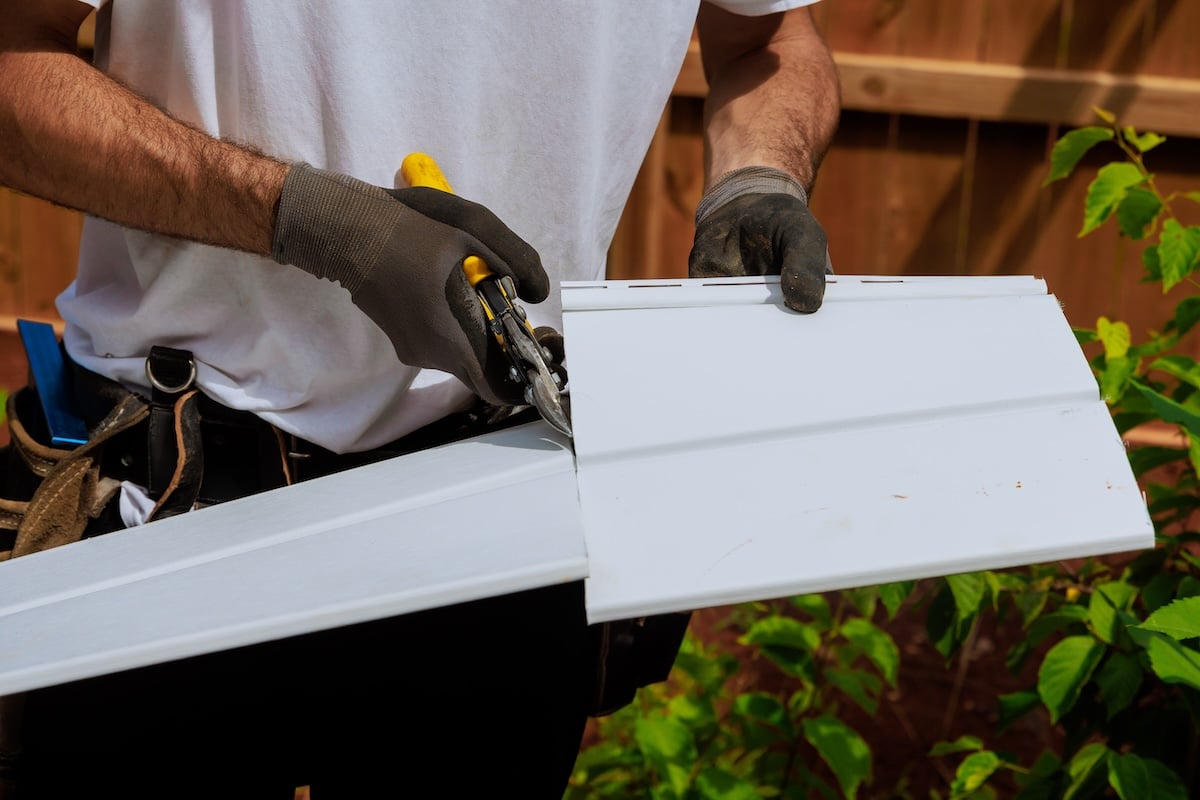
A shear tool can be useful for precise cuts.
Can You Use A Utility Knife On Hardie Board?
Yes, a utility knife can score Hardie Board effectively. It’s best for straight cuts and edges. Always use a sharp blade and score multiple times for clean breaks. However, for thicker cuts, a circular saw may be more efficient. Always wear safety gear when working.
Is Cutting Hardie Board Dangerous?
Cutting Hardie Board can produce harmful dust. Always wear a dust mask and safety goggles. Ensure proper ventilation to minimize dust inhalation. Using a saw with a dust-collecting feature is recommended. Always follow safety guidelines to protect yourself from potential hazards during the cutting process.
How Do You Ensure Clean Cuts On Hardie Board?
For clean cuts, use a carbide-tipped saw blade. Ensure the blade is sharp and make steady, controlled cuts. Support the board properly to prevent chipping. A shear tool can also provide precise, clean cuts. Always double-check your measurements before cutting to avoid mistakes.
Conclusion
Cutting Hardie board is easier with the right tools and steps. Always measure twice to avoid mistakes. Use a score-and-snap method for straight cuts. Wear safety gear to protect yourself from dust. Take your time and work carefully. This helps you get clean, smooth edges every time.
Practice makes perfect, so don’t rush. Follow these tips, and your project will look great. Hardie board cutting is simple when you know how.