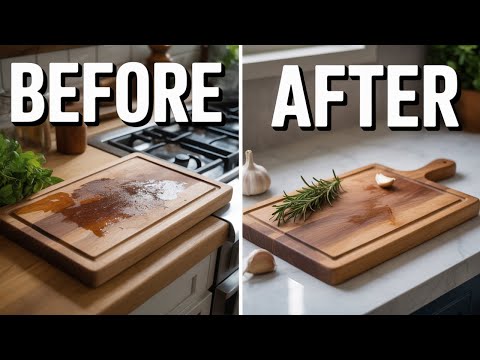
Your wooden cutting board is more than just a kitchen tool—it’s where you prepare meals for yourself and your loved ones. But do you know how to keep it truly clean and safe from harmful bacteria?
Disinfecting a wooden cutting board properly isn’t as simple as just rinsing it with water. If you miss a step, germs can linger and cause foodborne illnesses. You’ll discover easy and effective ways to disinfect your wooden cutting board, so you can cook with confidence every time.
Keep reading to protect your health and extend the life of your favorite kitchen essential.
Credit: choppingboards.in
Choosing The Right Cleaning Supplies
Cleaning a wooden cutting board needs the right supplies to keep it safe. Using harsh chemicals can damage the wood.
Pick cleaners that remove germs but protect the board’s surface. Tools also make cleaning easier and more effective.
Safe Cleaners For Wood
Use gentle cleaners that kill bacteria without hurting the wood. Avoid bleach or strong detergents. Natural options work well and are safe.
- White vinegar: a natural disinfectant
- Lemon juice: helps remove odors and stains
- Baking soda: acts as a mild abrasive and cleaner
- Mild dish soap: cleans without stripping wood oils
- Hydrogen peroxide: disinfects without harsh chemicals
Tools That Help
Choose tools that clean well and do not scratch or damage the wood. Soft brushes and cloths work best.
| Tool | Use |
| Soft scrub brush | Remove food particles without scratching |
| Non-abrasive sponge | Clean surface gently |
| Microfiber cloth | Dry and polish the board |
| Sandpaper (fine grit) | Fix deep stains or rough spots |
Daily Cleaning Routine
Keeping a wooden cutting board clean is important for food safety. Daily cleaning helps stop germs from growing on the wood.
Using simple steps after each use keeps your cutting board safe and ready for the next meal.
Washing After Use
Wash the cutting board right after you use it. Use warm water and soap to remove food bits and bacteria.
Scrub the surface with a sponge or brush. Avoid soaking the board in water for a long time to protect the wood.
- Rinse the board with warm water
- Apply mild dish soap
- Scrub all sides carefully
- Rinse soap off completely
- Dry the board quickly
Drying Techniques
Dry the cutting board well after washing. Moisture can cause wood to warp or grow mold.
Use a clean towel to wipe the board. Then, stand it up or place it where air can flow around it.
- Wipe with a dry cloth or paper towel
- Stand board on its edge to air dry
- Keep in a well-ventilated area
- Avoid stacking boards while wet
Deep Disinfection Methods
Wooden cutting boards need deep cleaning to remove germs. Surface cleaning is not enough to kill all bacteria. Using natural disinfectants can keep your board safe.
Deep disinfection methods use household items that are safe and effective. They help maintain the wood’s quality while removing harmful microbes.
Using Vinegar And Lemon
White vinegar is a natural disinfectant. Lemon adds extra cleaning power with its acidity and fresh scent. Together, they kill bacteria and remove stains.
- Spray white vinegar over the board.
- Let it sit for five minutes to disinfect.
- Rub the surface with half a lemon.
- Leave lemon juice on the board for five more minutes.
- Rinse with warm water and dry well.
Applying Hydrogen Peroxide
Hydrogen peroxide kills germs quickly. It reaches deep into the wood pores. Use food-grade 3% hydrogen peroxide for safety.
- Pour hydrogen peroxide on the cutting board.
- Spread it evenly with a clean cloth.
- Let it sit for ten minutes without rinsing.
- Wipe the board clean with a damp cloth.
- Allow the board to dry completely before use.
Salt Scrubbing Approach
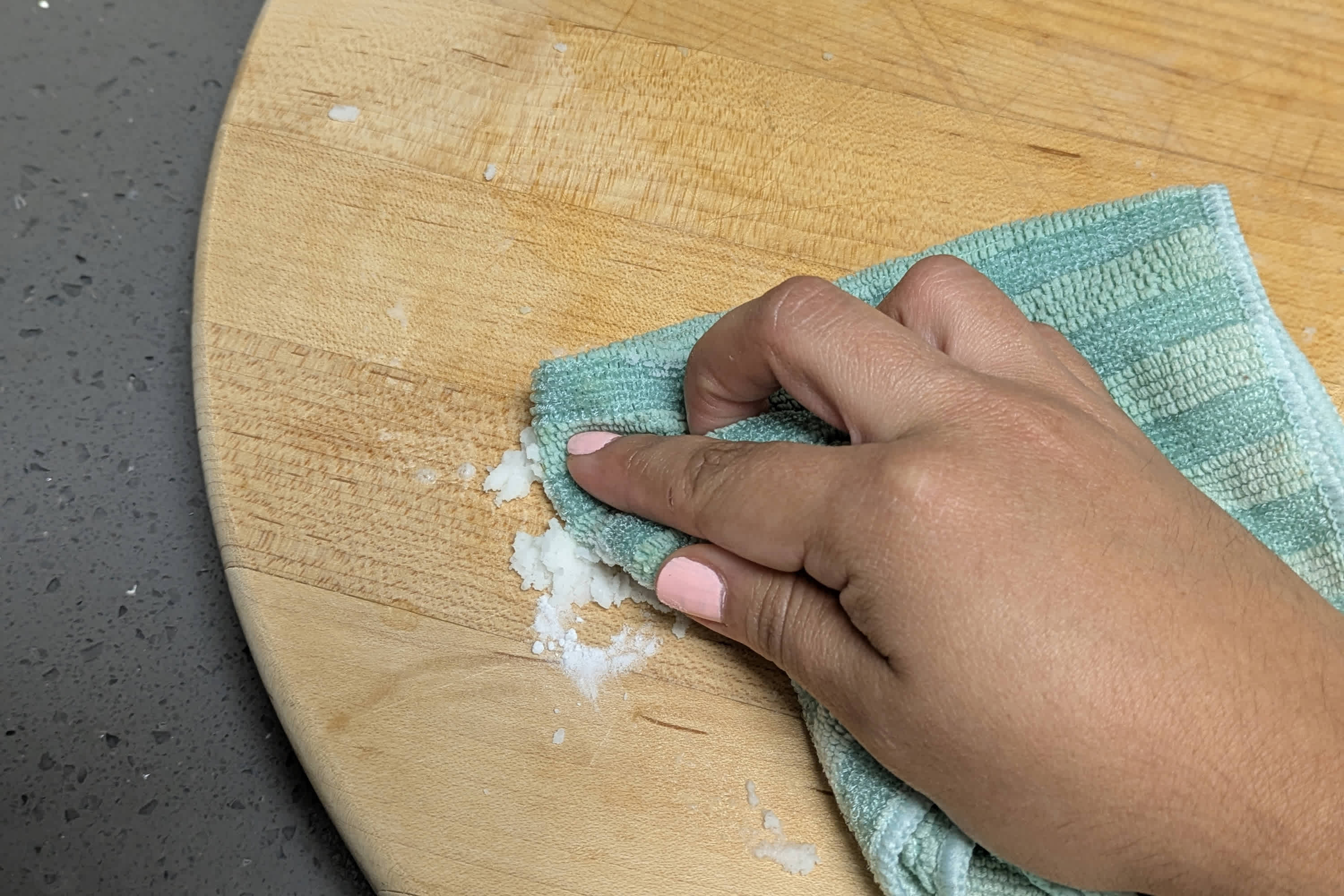
Salt scrubbing removes dirt and bacteria. It also freshens the board. Coarse salt works best for scrubbing action.
| Materials Needed | Purpose |
| Coarse Salt | Scrubs surface and absorbs moisture |
| Lemon Half | Releases juice to clean and deodorize |
| Warm Water | Rinses away salt and debris |
Sprinkle salt on the board. Rub it with a lemon half in circular motions. Let it sit for a few minutes. Rinse with warm water and dry well.
Credit: www.thekitchn.com
Preventing Bacteria Build-up
Wooden cutting boards need proper care to stay clean and safe. Bacteria can grow if the board is not cleaned well. Taking simple steps helps keep your board fresh.
Disinfecting your wooden cutting board prevents harmful germs from building up. Let’s look at two important habits to keep your board safe.
Regular Oiling
Oiling your wooden cutting board keeps it from cracking and drying out. A well-oiled board is harder for bacteria to hide in small cracks. Use food-safe mineral oil or beeswax oil.
- Apply oil once a month or when the board looks dry.
- Use a clean cloth to rub oil evenly over the surface.
- Let the oil soak in overnight before wiping off excess.
- Do not use cooking oils as they can go rancid.
Avoiding Soaking
Soaking a wooden cutting board in water can cause it to swell and crack. This damage creates spaces for bacteria to grow. Always dry your board quickly after washing.
| Do | Don’t |
|---|---|
| Wash with warm, soapy water | Soak in water for long periods |
| Dry immediately with a clean towel | Put board in dishwasher |
| Store in a dry, upright position | Leave wet on the counter |
Signs To Replace Your Cutting Board
Wooden cutting boards can last a long time with care. But some signs show it is time to get a new one. Knowing these signs helps keep your kitchen safe.
Look closely at your cutting board often. Check for damage and smells that do not go away. These can cause germs to grow.
Cracks And Gouges
Cracks and deep gouges in your wooden cutting board are a problem. They trap food bits and bacteria. Even cleaning may not remove all germs.
- Check for splits or cracks larger than a millimeter.
- Look for deep cuts where knives often hit.
- Notice if the surface feels rough or uneven.
- Replace if cleaning does not restore a smooth surface.
Persistent Odors
Bad smells that stay on your wooden cutting board are a warning. They show bacteria or mold inside the wood. These odors can’t be washed away easily.
| Odor Type | Possible Cause | Action |
| Strong sour smell | Bacteria buildup | Replace board |
| Musty or damp smell | Moisture trapped in wood | Dry thoroughly or replace |
| Smell of old food | Food particles in cracks | Replace if cleaning fails |

Credit: branchbasics.com
Frequently Asked Questions
How Do I Clean A Wooden Cutting Board?
Clean it with hot, soapy water after each use. Rinse thoroughly and dry with a clean towel. Avoid soaking or using a dishwasher as it can damage the wood.
Can Vinegar Disinfect A Wooden Cutting Board?
Yes, vinegar can disinfect. Spray white vinegar on the board and let it sit for 10 minutes. Rinse with hot water and dry thoroughly.
How Often Should I Disinfect My Cutting Board?
Disinfect your cutting board weekly or after cutting raw meat. Regular disinfection prevents bacterial growth and maintains hygiene.
Is Bleach Safe For Wooden Cutting Boards?
Use bleach sparingly on wooden boards. Mix one tablespoon of bleach with one gallon of water, apply, and rinse well.
Conclusion
Cleaning a wooden cutting board keeps your kitchen safe and healthy. Use soap, hot water, and gentle scrubbing after every use. Disinfect with natural solutions like vinegar or diluted bleach. Dry the board well to stop bacteria growth. Regular oiling helps wood last longer and stay strong.
Small steps make a big difference in food safety. Keep your cutting board clean, and enjoy cooking worry-free. Simple habits protect your family from germs every day.