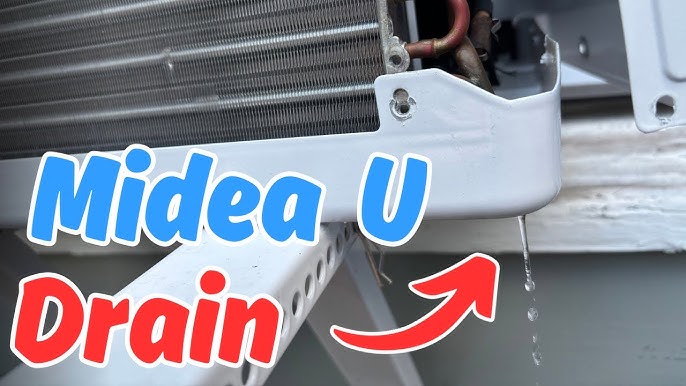
Is your window air conditioner leaking water inside your room? You’re not alone.
When your AC isn’t draining properly, it can cause messes and even damage your walls or floors. But don’t worry—draining your window air conditioner is easier than you think. You’ll learn simple, step-by-step tips to fix the problem quickly. Keep reading, and you’ll save yourself time, hassle, and a costly repair.
Your cool, dry room is just a few steps away.
Why Drain Your Window Ac
Window air conditioners collect water as they cool the air. This water needs to be drained to keep the unit working well. Draining stops problems caused by trapped water inside the AC.
Letting water build up inside your AC can cause damage and reduce its cooling power. Draining helps keep your AC safe and efficient.
Prevent Water Damage
Water inside your window AC can leak and damage your walls or furniture. Draining removes this water and stops leaks. This keeps your home safe from water stains and mold on walls.
Regular draining also protects the AC unit from internal damage. Water buildup can cause rust and wear out parts faster.
Improve Cooling Efficiency
Water buildup in the AC can block airflow and reduce cooling power. Draining the water lets air flow freely and cool your room better. A dry unit works faster and uses less energy.
Keeping your AC drained helps it run smoothly. This saves money on electricity and keeps your room comfortable.
Avoid Mold Growth
Standing water inside the AC creates a wet place for mold to grow. Mold can cause bad smells and harm your health. Draining removes the water and stops mold from growing.
Cleaning and draining your AC regularly keeps the air fresh and safe to breathe. It also helps the AC last longer without problems.

Credit: www.reddit.com
Tools You’ll Need
Draining a window air conditioner is simple with the right tools. Using proper equipment helps you work safely and efficiently.
This guide covers the basic tools and safety gear you need before starting the draining process.
Basic Tools
These tools help you open and drain the air conditioner easily. Having them ready saves time and effort.
- Screwdriver (flathead and Phillips)
- Drain pan or shallow container
- Wet/dry vacuum cleaner
- Soft cloth or rag
- Small bucket
- Flashlight
Safety Gear
Wearing safety gear protects you during the draining process. It stops injuries and keeps you clean.
| Item | Purpose |
| Gloves | Protect your hands from sharp edges and dirt |
| Safety glasses | Shield your eyes from debris or water splashes |
| Old clothes | Keep your body dry and clean from water and dust |
Locating The Drain Hole
Draining a window air conditioner helps prevent water build-up inside the unit. The drain hole lets water escape safely.
Finding the drain hole is important before you start draining the air conditioner. It is usually easy to spot.
Check The Unit’s Exterior
Look closely at the outside of your air conditioner. The drain hole is often near the bottom edge.
You may see a small hole or a rubber plug. This hole allows water to drip out and keep the unit dry.
- The drain hole is usually on the back or side panel.
- It may have a small plastic or rubber cover.
- Water drips out during use or cleaning.
Consult The Manual
Check the user manual for your window air conditioner. It shows the exact location of the drain hole.
The manual also explains how to open or clear the drain hole safely. This helps avoid water leaks inside your home.
Step-by-step Drain Process
Draining a window air conditioner is important to keep it working well. Removing water helps prevent leaks and damage. Follow these steps carefully to drain your unit safely and correctly.
Each part of the process is simple. You just need to take your time and handle the unit with care. Below are clear instructions to guide you.
Turn Off And Unplug
Before you start, switch off the air conditioner. Then, unplug it from the power outlet. This stops electricity flow and keeps you safe while working on the unit.
Remove The Unit
Carefully take the air conditioner out of the window. Ask for help if the unit is heavy. Place it on a flat surface where you can work comfortably.
- Loosen the screws holding the unit in place.
- Slide the unit out slowly to avoid spills.
- Set it down gently to prevent damage.
Position For Draining
Set the air conditioner on its side. This helps water flow out easily from the drain hole. Make sure the drain hole points downward.
| Position | Purpose |
|---|---|
| Unit on side | Allows water to flow out |
| Drain hole facing down | Prevents water from staying inside |
Clear The Drain Hole
Find the drain hole under the air conditioner. Use a small tool like a pipe cleaner to clear any blockages. This lets water drain freely and stops buildup.
- Locate the drain hole on the bottom or side.
- Insert a thin tool gently to remove dirt.
- Check if water drains smoothly after clearing.
Dealing With Clogged Drainage
Window air conditioners need to drain water properly. Sometimes the drainage can get clogged. This causes water to build up inside the unit.
Clearing the drain is important to keep your air conditioner working well. You can fix clogs with simple tools and steps.
Use A Wire Or Tube
Use a thin wire or flexible tube to clear the drain hole. Gently push it inside to remove dirt or debris blocking the water.
Be careful not to damage the drain pipe. Move the wire or tube slowly and back it out after a few seconds.
- Find the drain hole on the outside part of the unit
- Insert a wire or pipe cleaner gently
- Push and pull to break the clog
- Remove the wire and check if water flows freely
Flush With Water
After removing the clog, flush the drain with water. This helps clear small particles and ensures smooth drainage.
Use a cup or small hose to pour water into the drain opening. Watch for water flowing out easily from the drain exit.
- Use clean water, not too hot or cold
- Pour slowly to avoid spills
- Repeat flushing if water drains slowly
- Check for leaks around the drain area
Maintaining Proper Drainage
Proper drainage is important to keep your window air conditioner working well. Water can build up inside if the drainage system is blocked or dirty. This can cause leaks and damage to the unit.
Regular care helps prevent these problems. Cleaning and checking the drainage parts keeps water flowing out smoothly. Here are two key ways to maintain proper drainage for your air conditioner.
Regular Cleaning
Cleaning your air conditioner often helps keep the drain clear. Dirt and debris can clog the drain hole and drip pan. This causes water to collect inside the unit instead of draining out.
- Turn off and unplug the unit before cleaning.
- Remove the front panel and clean the filters.
- Use a soft brush or cloth to clear the drain hole.
- Check and clean the drip pan to remove any standing water or dirt.
- Make sure the drain hose is not bent or blocked.
Seasonal Checks
Seasonal checks help find problems before they get worse. At the start and end of the cooling season, inspect the drainage system carefully. Look for cracks, blockages, or leaks.
| Check Item | What to Look For | Action Needed |
|---|---|---|
| Drain Hole | Clear and open | Remove blockages |
| Drip Pan | No cracks or standing water | Clean or replace if damaged |
| Drain Hose | No kinks or clogs | Straighten or clear hose |
| Exterior Seal | Seal around unit intact | Repair gaps to prevent leaks |
Common Mistakes To Avoid
Draining a window air conditioner is important to keep it working well. Many people make errors that cause problems. Avoiding these mistakes helps your AC last longer.
Below are common mistakes to watch out for when draining your window air conditioner.
Ignoring Drainage Issues
Some people ignore water buildup inside the unit. This can cause leaks or damage to the AC. Water must drain properly to avoid mold and rust.
Check the drainage holes and pipes often. Clean any blockages to keep water flowing out easily.
- Blocked drainage holes cause water overflow
- Standing water leads to mold growth
- Ignoring leaks can damage walls and floors
Improper Handling
Handling the air conditioner carelessly can break parts. Rough moves can damage the drain pan or pipes. This causes water to leak inside.
Always lift and move the unit gently. Use proper tools to clean or drain it. Avoid forcing parts that seem stuck.
- Do not tilt the unit too much during cleaning
- Use soft brushes or cloths to clean the drain pan
- Never use sharp objects to clear clogs

Credit: northnjhvac.com

Credit: northnjhvac.com
Frequently Asked Questions
How Often Should You Drain A Window Air Conditioner?
You should drain your window air conditioner regularly during the cooling season. Check and empty the drain pan every few weeks. This prevents water buildup and potential leaks. Proper drainage keeps the unit efficient and extends its lifespan.
What Tools Do I Need To Drain A Window Ac?
You generally need a small bucket or container and a screwdriver. The screwdriver helps remove the unit’s access panel. The container collects water from the drain hole. Some models may require a hose for continuous drainage.
Can I Use A Hose To Drain My Window Ac?
Yes, many window AC units support hose drainage. Attach a garden hose to the drain outlet. This allows water to drain continuously outside. Ensure the hose is positioned properly to avoid water pooling near the unit.
What Causes Water To Accumulate In A Window Ac?
Water buildup usually occurs due to clogged or blocked drainage holes. Poor installation or a dirty filter can also cause drainage issues. Regular cleaning and maintenance help prevent water accumulation and ensure smooth operation.
Conclusion
Draining a window air conditioner helps it work better and last longer. Clear water buildup stops leaks and bad smells. Regular draining keeps your room cool and comfortable. Take time to check the drain hole and clean it often. Small steps make a big difference in your air conditioner’s health.
Keep your unit dry and enjoy fresh air all season. Simple care goes a long way.