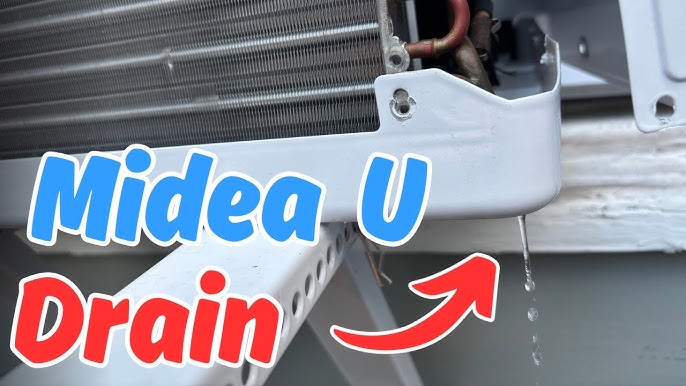
Are you wondering how to drain your window air conditioner quickly and easily? Properly draining your unit is key to keeping it running smoothly and preventing water damage in your home.
If you don’t know where to start, don’t worry—you’re about to learn simple steps that anyone can follow. By the end of this article, you’ll have the confidence to handle your AC’s drainage like a pro, saving yourself time, money, and hassle.
Keep reading to find out exactly what you need to do!
Tools And Materials Needed
To drain a window air conditioner, certain tools and materialsare needed. These ensure the job is done safely and correctly.
- Screwdriver:For removing the unit’s cover.
- Drain pan or bucket:To catch water draining out.
- Towels or rags:To clean any spills or leaks.
- Garden hose (optional):Helpful for flushing out the drain line.
- Wet/dry vacuum (optional):To clear clogged drain holes.
- Gloves:To protect your hands during the task.
- Flashlight:To see inside dark parts of the unit.
Having these items ready makes draining easier and safer.
Safety Precautions
Always unplug the air conditionerbefore starting any work. Water and electricity are a dangerous mix. Use gloves to protect your hands from sharp edges inside the unit. Make sure the unit is coolbefore touching it to avoid burns. Place a towel or bucket under the unit to catch any water. Work in a dry area to prevent slipping. Keep children and pets away during the process. Double-check that the drain hole is clear to avoid water backup. If unsure, ask for help or check the user manual.
Removing The Air Conditioner
Before detaching the unit, unplug the air conditionerfrom the power source. This stops any electrical hazard and keeps you safe.
Next, carefully remove the screws or clipsholding the unit to the window frame. Keep these in a safe place for later use.
Gently lift the air conditioner from the window. Use two hands to hold it steady and avoid dropping it.
- Support the unit as you slide it out of the window.
- Place it on a flat surface to avoid damage.
- Check for any water drainage openings before moving.

Credit: www.reddit.com
Accessing The Drainage Area
The drain panis a small tray at the bottom of the window air conditioner. It collects water that the unit removes from the air. To find it, look under the front panel or near the back of the unit. It is often shallow and made of plastic or metal.
Check the drain panfor any dirt or debris. These can block water from flowing out. If blocked, water may leak inside your home.
- Remove any visible dirt or leaves.
- Use a soft cloth or brush to clean the pan gently.
- Make sure the drain hole is clear and open.
- If needed, use a small wire or pipe cleaner to clear the hole.
Draining The Water
Many window air conditioners have a drain plugat the bottom. Removing this plug allows the water to flow out easily. Place a bucket or tray under the plug to catch the water. Let it drain completely before replacing the plug.
For models without a drain plug, manual draining works well. Tilt the unit carefully toward a drain point or outside. Water will flow out of the drain holes or vents. Be gentle to avoid damaging the unit or spilling water indoors.
- Turn off and unplug the air conditioner first.
- Locate the drain plug or holes at the base.
- Use a container to catch draining water.
- Remove the plug or tilt the unit slowly.
- Allow all water to drain fully.
- Replace the plug securely after draining.
Cleaning The Drainage System
Clear the drain holeto stop water buildup. Use a small brush or a pipe cleaner to remove dirt and debris. Sometimes, a thin wire helps clear blockages. Check that water flows out easily.
The drain pancollects water from the air conditioner. Clean it regularly to prevent mold and bad smells. Wipe the pan with a cloth and mild soap. Make sure it is dry before placing it back.
Reinstalling The Air Conditioner
Make sure the air conditioner fits snugly in the window frame. Use the brackets or screws that came with the unit. Tighten all fasteners to avoid movement during use.
Seal gaps around the unit with weatherstripping or foam. This stops air leaks and keeps insects out. Check the sides and bottom carefully.
- Turn the air conditioner on after securing it.
- Look for water leaks around the edges.
- Listen for unusual noises that might mean loose parts.
- Watch for dripping inside the room.
Fix any leaks by tightening screws or resealing gaps. Proper sealing keeps the unit working well and your room dry.

Credit: northnjhvac.com
Tips For Regular Maintenance
Regular maintenancehelps your window air conditioner work well longer. Scheduling routine checks keeps parts clean and clear. Dirt and dust can block air flow and drain paths.
Use a calendar or reminder to plan these checks every few weeks. Check for water leaks or blockages around the drain area. Clear any debris or buildup to avoid water damage.
- Clean filtersto improve air flow.
- Inspect drain holesfor clogs.
- Test the unitto ensure proper drainage.
Using protective covers during off-season prevents dust and moisture from harming the unit. Covers keep the inside clean and stop rust or mold from forming.

Credit: northnjhvac.com
Frequently Asked Questions
How Often Should I Drain My Window Air Conditioner?
You should drain your window air conditioner at least once a week during heavy use. Regular draining prevents water buildup and mold growth, ensuring optimal performance and air quality.
What Tools Do I Need To Drain A Window Ac?
You only need a screwdriver and a shallow pan or bucket. The screwdriver helps remove the drain plug or panel, while the pan collects the draining water safely.
Can I Drain A Window Ac Without Removing It?
Yes, many window AC units have an accessible drain plug. Simply locate the plug on the unit’s exterior and let the water drain without uninstalling the unit.
Why Is Draining Important For Window Air Conditioners?
Draining removes excess water that accumulates from condensation. This prevents leaks, damage to the unit, and mold growth inside the air conditioner and your home.
Conclusion
Draining a window air conditioner keeps it working well and safe. Water buildup can cause damage and bad smells. Regular draining stops these problems. It also helps the air conditioner cool better. Follow simple steps to drain water easily. Check the drain hole and clean it if needed.
Keep your unit dry and efficient. This small task saves money and hassle later. Take care of your air conditioner to enjoy cool air all summer. Easy maintenance makes a big difference.