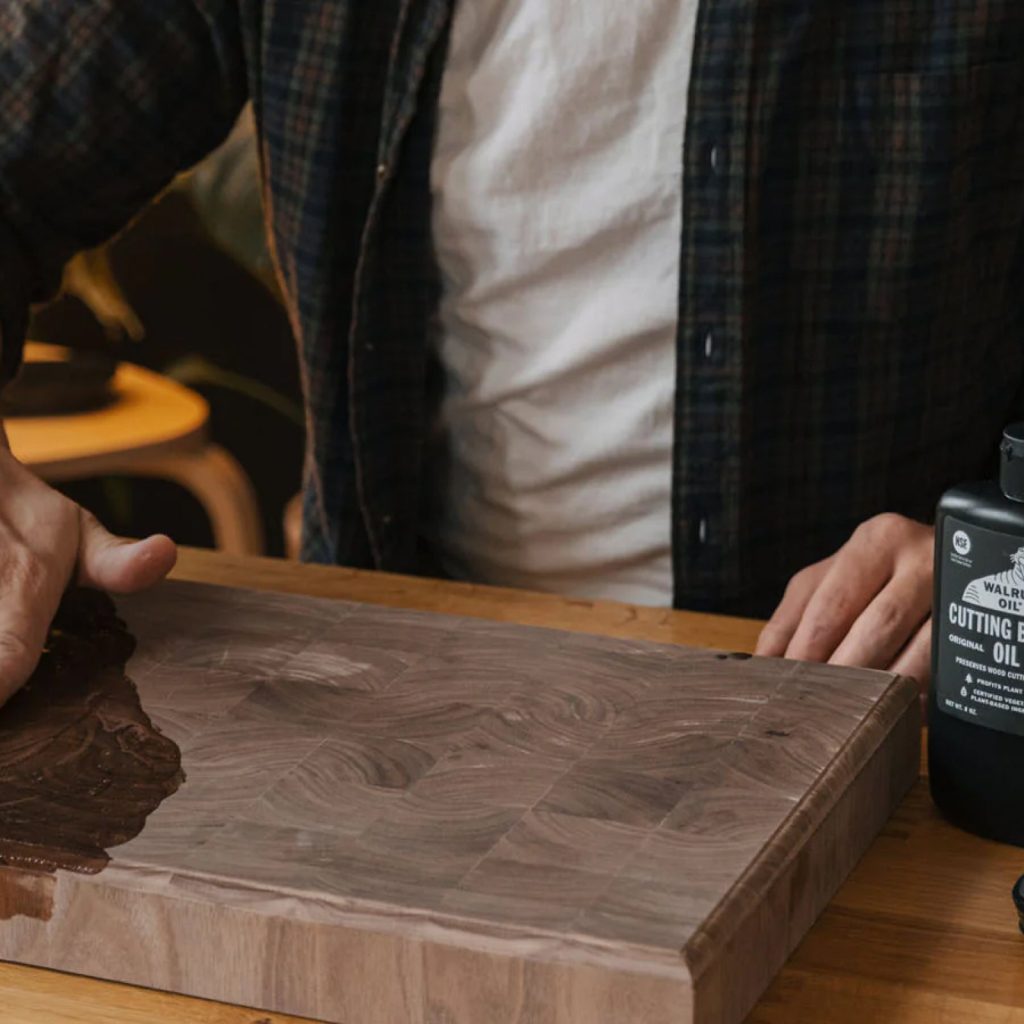
You’ve just crafted a beautiful cutting board, but how do you finish it so it lasts long and stays safe for your kitchen? The right finish not only protects your board but also brings out its natural beauty.
If you’ve ever wondered which oils or sealants to use, or how to apply them properly, you’re in the right place. By the end of this article, you’ll know exactly how to finish your cutting board like a pro, ensuring it looks great and performs well for years to come.
Let’s dive in and make your cutting board shine!
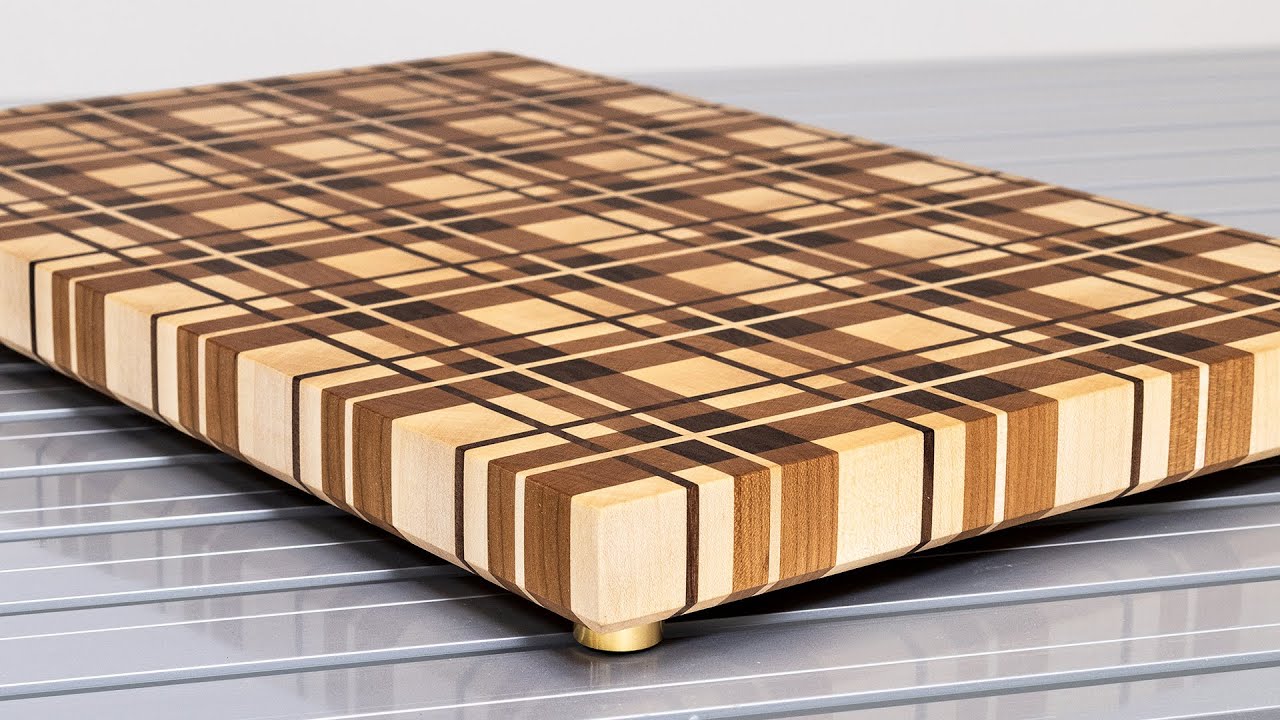
Credit: www.youtube.com
Choosing The Right Finish
Finishing a cutting board protects it from damage and keeps it safe to use. The right finish also makes the board look nice and last longer.
Choosing a finish means picking one that is safe for food and easy to maintain. This guide covers popular options.
Food-safe Oils
Food-safe oils soak into the wood and protect it from drying out. They keep the board from cracking and warping.
Common oils include mineral oil, walnut oil, and coconut oil. Mineral oil is popular because it does not go rancid.
- Mineral oil: clear, odorless, and easy to apply
- Walnut oil: natural but may cause allergies
- Coconut oil: smells nice but can go rancid
Waxes And Sealants
Waxes and sealants add a protective layer on the surface of the cutting board. They help resist water and stains.
Beeswax mixed with oils is common. It gives a smooth, shiny finish. Some sealants are food-safe and water-resistant.
- Beeswax: natural, adds shine, easy to reapply
- Carnauba wax: harder wax, more durable finish
- Food-safe sealants: protect without harmful chemicals
Comparing Finishing Options
| Finish Type | Protection | Maintenance | Food Safety |
|---|---|---|---|
| Mineral Oil | Good for moisture | Needs regular reapplication | Safe |
| Walnut Oil | Good but may cause allergies | Reapply as needed | Safe for most |
| Beeswax | Water-resistant surface | Reapply occasionally | Safe |
| Carnauba Wax | Very durable finish | Less frequent reapplication | Safe |
| Food-Safe Sealants | Strong protection | Long-lasting | Safe if labeled |
Preparing The Surface
Finishing a cutting board starts with preparing its surface carefully. A smooth, clean surface helps protect the wood and makes it safe for food use.
This process includes sanding, removing dust, and fixing any flaws. Each step ensures the board looks good and lasts longer.
Sanding Techniques
Sanding smooths the wood and removes any rough spots. Use different grit sandpapers from coarse to fine for best results.
- Start with 80-grit sandpaper to remove large imperfections.
- Move to 120-grit to smooth the surface further.
- Finish with 220-grit for a fine, smooth finish.
Removing Dust And Debris
Dust and debris can stop finish from sticking well. Clean the board carefully after sanding to get a perfect finish.
Use these methods to clean the surface:
| Method | Description |
|---|---|
| Brush | Use a soft brush to sweep off loose dust. |
| Vacuum | Vacuum the surface to pick up fine particles. |
| Damp Cloth | Wipe with a damp cloth to remove remaining dust. |
Repairing Imperfections
Check the board for cracks, holes, or dents. Fixing these flaws makes the board strong and safe to use.
- Fill small cracks with wood filler that matches the board color.
- Let the filler dry completely before sanding again.
- Sand the repaired areas smooth to blend with the rest.
Applying Oil Finishes
Oiling a cutting board helps protect the wood and keeps it looking fresh. It also stops the board from drying out and cracking.
Using the right oil and applying it correctly will make your cutting board last longer and stay safe for food use.
Selecting The Best Oil
Choose oils that are safe for food contact and soak well into wood. Some oils work better than others for cutting boards.
Common good choices include mineral oil, walnut oil, and coconut oil. Avoid oils that can go rancid like vegetable or olive oil.
- Mineral oil is cheap and easy to find
- Walnut oil adds a nice smell and finish
- Coconut oil is natural and resists water
- Avoid drying oils like linseed or tung oil
Proper Application Methods
Start by cleaning the board and drying it fully. Use a soft cloth or paper towel to apply oil evenly.
Rub the oil into the board in small circles. Cover all surfaces, including edges and sides for full protection.
- Apply a generous amount of oil
- Use circular motions to work oil into wood
- Don’t forget the board’s edges and ends
- Wipe off any extra oil after 15 minutes
Drying And Reapplying
Let the oil soak and dry for several hours or overnight. This allows the wood to absorb the oil fully.
Apply more coats for a better finish. Usually two or three coats give good protection and look nice.
- Let each coat dry before adding the next
- Check the board for dry spots and reapply oil
- Final coat should be wiped off well to avoid stickiness
- Regular oiling keeps the board in top shape

Credit: m.youtube.com
Using Waxes And Sealants
Finishing a cutting board with waxes and sealants protects the wood. It keeps the surface smooth and water-resistant. This process helps the board last longer and stay safe for food use.
Choosing the right finish and applying it correctly are important steps. Proper maintenance will keep the cutting board looking and working well for years.
Types Of Wax
Different waxes offer various benefits for cutting boards. Some seal the wood better, while others add shine and softness. Common wax types include beeswax, carnauba wax, and paraffin wax.
- Beeswax:Natural and food-safe, it creates a soft, protective layer.
- Carnauba Wax:Harder and glossier, it offers strong water resistance.
- Paraffin Wax:Often mixed with other waxes to improve texture and durability.
Application Tips
Applying wax and sealants correctly ensures the best finish. Clean and dry the board before starting. Use a soft cloth or brush to spread the wax evenly. Let the wax soak in for at least 20 minutes.
- Warm the wax slightly for easier application.
- Rub the wax in small circles across the wood grain.
- Remove excess wax with a clean cloth after drying.
- Buff the surface to a smooth shine.
Maintaining The Finish
Keep your cutting board in good shape by maintaining its wax finish. Regular care helps prevent cracks and dryness. Reapply wax every few weeks or after washing.
| Maintenance Task | Frequency |
|---|---|
| Clean with mild soap and water | After each use |
| Dry completely before storing | After each use |
| Reapply wax or sealant | Every 3 to 4 weeks |
| Buff with a soft cloth | After waxing |
Caring For Your Finished Board
After finishing your cutting board, proper care keeps it safe and beautiful. Regular attention helps avoid cracks and stains. Learning simple care tips extends your board’s life.
Focus on cleaning, reapplying finish, and preventing damage. Each step matters for a strong and lasting board.
Cleaning Tips
Clean your cutting board right after use. Do not soak it in water or put it in the dishwasher. Use warm, soapy water and a soft sponge.
- Wash with mild soap and warm water
- Rinse well to remove all soap
- Dry with a clean towel immediately
- Air dry standing up to avoid moisture build-up
- Use lemon and salt to remove odors and stains
Reapplying Finish
Reapply finish regularly to keep the wood protected. Use food-safe oils or waxes made for cutting boards. Apply a thin coat and let it soak overnight.
| Type of Finish | How Often to Apply | Benefits |
| Mineral Oil | Monthly | Prevents drying and cracking |
| Beeswax Blend | Every 2-3 months | Adds water resistance and shine |
| Cutting Board Conditioner | Every 1-2 months | Protects and nourishes wood |
Avoiding Damage
Protect your board by using it carefully. Avoid heat and sharp impacts that can harm the wood. Follow these tips to keep it in good shape.
- Do not cut on the board with very hard knives
- Keep the board away from direct heat or sunlight
- Never soak the board in water for long periods
- Use separate boards for raw meat and vegetables
- Store the board in a dry, well-ventilated place

Credit: www.amazon.ca
Common Mistakes To Avoid
Finishing a cutting board well is key to its durability and safety. Many people make simple mistakes that harm the wood or reduce its lifespan.
Knowing what to avoid helps keep your cutting board strong and food-safe for years.
Over-oiling
Applying too much oil can leave a sticky surface. The wood may not absorb the excess oil, causing it to stay wet for a long time.
This can attract dirt and bacteria, making the board unsafe for food use. Oil should soak in, not pool on top.
- Use a small amount of oil per application
- Wipe off any extra oil after 10 minutes
- Allow the board to absorb oil fully before using
Using Harsh Chemicals
Harsh cleaners or solvents can damage the wood fibers. They may also leave harmful residues that affect food safety.
Stick to mild soap and water for cleaning before finishing. Avoid bleach, ammonia, or strong detergents on your cutting board.
- Use gentle dish soap for cleaning
- Rinse well to remove all soap
- Never use bleach or strong chemicals on wood
Ignoring Drying Times
Not waiting long enough for the finish to dry can ruin your cutting board. The oil or finish needs time to cure and protect the wood.
Using the board too soon can smear the finish or trap moisture inside. This weakens the wood and invites bacteria growth.
- Follow the product instructions for drying times
- Let the board dry completely before use
- Allow multiple coats to dry fully if applied
Frequently Asked Questions
What Is The Best Finish For A Cutting Board?
The best finish for a cutting board is food-grade mineral oil. It penetrates the wood, preventing drying and cracking. Apply a generous amount, let it soak in, and wipe off excess. Regular maintenance ensures longevity and keeps the surface safe for food preparation.
How Often Should I Oil My Cutting Board?
Oil your cutting board every three to four weeks. This frequency helps maintain its condition and prevents drying. If the board looks dry or worn, apply oil more frequently. Proper care extends the board’s life and ensures a safe food preparation surface.
Can I Use Olive Oil On A Cutting Board?
Avoid using olive oil on cutting boards. Olive oil can turn rancid, leaving an unpleasant odor. Instead, opt for food-grade mineral oil. Mineral oil doesn’t spoil and effectively protects the wood. Regular application keeps your cutting board in optimal condition and safe for food use.
How Do I Remove Stains From A Cutting Board?
To remove stains, sprinkle coarse salt and rub with a lemon half. The acid in the lemon helps lift stains, while salt acts as an abrasive. Rinse thoroughly and dry. Regular cleaning prevents stubborn stains and maintains the board’s appearance.
Conclusion
Finishing a cutting board protects it and keeps it looking good. Use food-safe oils or wax to seal the wood. Apply the finish evenly and let it dry well. Regular care helps your board last longer and stay clean. A well-finished board feels smooth and resists water.
Simple steps make a big difference in durability. Enjoy your cutting board for many meals ahead.