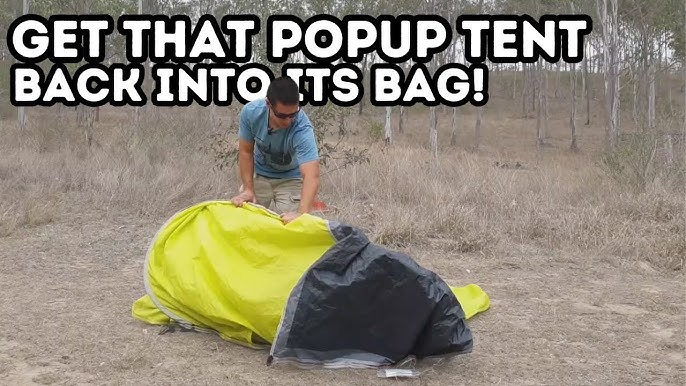
Folding a tent might seem tricky at first, but once you know the simple steps, it becomes quick and stress-free. You’ve spent time setting up your tent, and now it’s time to pack it away properly.
Doing it right saves you space, keeps your gear safe, and makes your next trip easier. Keep reading, and you’ll discover easy tips that make folding your tent something you’ll actually look forward to. Ready to master this skill? Let’s dive in!

Credit: www.amazon.com
Choosing The Right Spot
Picking the perfect place to set up your tent is important for a comfortable night. The spot affects your safety and how well you rest.
Look for a location that keeps you dry and free from sharp objects or debris. This helps protect your tent floor and sleeping area.
Clear Ground Space
Choose ground that is flat and clear of rocks, roots, and sticks. This makes it easier to fold and pack your tent later.
- Inspect the area carefully before setting up.
- Remove any sharp or hard objects that could damage your tent.
- Pick a spot that is level to avoid discomfort while sleeping.
- Avoid slopes to prevent rolling or sliding inside the tent.
Avoiding Moisture And Debris
Staying away from wet or dirty ground keeps your tent clean and dry. Moisture can cause damage and make folding your tent harder.
| Area Type | Why to Avoid | Better Choice |
|---|---|---|
| Near puddles or streams | Can cause dampness and flooding | Higher ground with good drainage |
| Under dense trees | Falling leaves and debris may dirty the tent | Open area with some shade |
| On thick grass or moss | Holds moisture and insects | Dry soil or sandy patches |

Credit: www.youtube.com
Preparing The Tent
Folding a tent properly starts with good preparation. This helps keep the tent clean and lasts longer.
Take your time to prepare the tent before folding. This makes packing easier and faster.
Remove Stakes And Poles
Start by taking out all stakes from the ground. Pull them out carefully to avoid damage.
Next, remove all poles from the tent. Lay them flat in one place to keep them safe.
- Check that no stakes remain in the ground
- Handle poles gently to avoid bending
- Keep stakes and poles together for easy packing
Clean And Dry The Tent
Before folding, clean the tent to remove dirt and debris. Use a soft brush or cloth for this.
Make sure the tent is dry. Folding a wet tent can cause mold and bad smells.
- Shake off loose dirt outside
- Wipe down the tent fabric gently
- Air dry the tent fully before packing
Folding The Tent Body
Folding a tent body correctly helps keep it clean and easy to store. It also prevents damage to the fabric and poles.
Follow these simple steps to fold your tent body neatly and compactly after use.
Lay Tent Flat
First, find a clean, flat surface to lay your tent. Spread the tent body fully and smooth out the fabric. Make sure all poles and stakes are removed.
Fold Lengthwise
Fold the tent lengthwise to make it narrower. Align the edges carefully and fold evenly. Folding lengthwise helps reduce the tent’s width for easier packing.
- Fold one side toward the center of the tent.
- Fold the other side over the first fold.
- Make sure the tent is smooth and flat after each fold.
- Keep the folds tight to save space.
Smooth Out Wrinkles
After folding, smooth out any wrinkles or air pockets. Wrinkles can cause wear over time. Press down gently to flatten the fabric.
| Wrinkle Issue | Fix |
|---|---|
| Large air pockets | Press gently to push air out |
| Uneven folds | Refold to align edges |
| Creases in fabric | Smooth with hands before folding |

Credit: www.youtube.com
Rolling Vs. Folding Techniques
Folding or rolling a tent affects how easy it is to carry and store. Both ways help keep the tent clean and dry. Choosing the right method depends on your tent type and how you plan to use it.
Understanding the benefits of rolling and knowing when to fold helps protect your tent. It also saves space and time during packing and unpacking.
Benefits Of Rolling
Rolling a tent keeps it tight and compact. It reduces wrinkles and prevents damage to the fabric. Rolling also helps keep dirt and moisture out.
- Roll tents from one end to the other smoothly
- Keep the tent poles and stakes separate
- Use straps or ties to hold the roll tightly
- Rolling avoids sharp folds that can weaken fabric
- It makes the tent easier to fit into bags
When To Fold Instead
Folding is better for certain tents or when space is not a problem. It is good for square or rectangular tents. Folding works well if you want to keep the tent flat.
| Folding | Rolling |
| Good for flat storage | Keeps tent compact and tight |
| May cause creases | Less fabric stress |
| Easier for some tent shapes | Better for long trips and backpacks |
| Needs more space | Saves space in bags |
Packing The Tent Bag
Packing your tent bag correctly makes it easier to carry. A well-packed tent saves space in your backpack. It also protects the tent from damage.
Two important steps are rolling the tent tightly and securing it with straps or ties. These help keep the tent compact and safe.
Tight Rolling For Compactness
Start by laying the tent flat and folding it neatly. Remove any air pockets by pressing the fabric. Roll the tent from one end to the other tightly to reduce its size.
- Spread the tent on a clean surface.
- Fold the tent sides evenly toward the center.
- Press out trapped air gently.
- Roll the tent tightly from one end.
- Keep the roll firm and even.
Securing With Straps Or Ties
After rolling, use straps or ties to hold the tent firmly. This prevents it from unrolling and keeps it compact. You can use straps that come with the tent or add your own.
| Type | Use | Tip |
| Velcro Straps | Easy and quick fastening | Wrap tightly without crushing the tent |
| Buckle Straps | Strong hold for long trips | Check buckles for secure locking |
| Rope or Cord | Adjustable and versatile | Tie knots firmly but avoid damage |
Tips For Maintaining Tent Shape
Folding a tent correctly helps keep its shape and lengthens its life. Proper care stops damage to the fabric and poles.
Use simple steps to fold your tent neatly and protect its structure for your next trip.
Avoiding Excessive Compression
Do not pack your tent too tightly in its bag. Excessive compression can damage the fabric and poles.
Loosely rolling or folding the tent keeps the material from stretching or breaking.
- Fold the tent along natural seams to reduce stress.
- Keep poles separate and avoid bending them forcefully.
- Use a tent bag that fits the tent size without extra tightness.
Storage Recommendations
Store your tent in a cool, dry place to avoid mold and mildew. Avoid direct sunlight during storage.
Use a larger storage bag or hang the tent loosely instead of keeping it compressed in a small bag.
- Clean and dry the tent fully before storing.
- Store tent poles separately in a tube or bag.
- Keep the tent away from sharp objects or heavy weights.
- Check the tent every few months for any damage or moisture.
Frequently Asked Questions
How Do You Fold A Pop-up Tent?
To fold a pop-up tent, start by collapsing it into a flat shape. Hold the edges and twist them into a figure-eight. Bring the loops together, forming a compact circle. Secure with straps or the tent bag. Ensure it’s fully dry before storing.
What Is The Best Way To Pack A Tent?
Start by cleaning and drying your tent thoroughly. Fold it neatly, keeping poles and pegs separate. Roll tightly to remove air. Pack in its original bag or a compression sack. Ensure all components are included to avoid missing pieces during your next adventure.
Can I Fold A Tent By Myself?
Yes, you can fold a tent by yourself. Begin by removing all stakes and poles. Follow the folding instructions specific to your tent model. Use your body weight to help compress the fabric. With practice, solo tent folding becomes quick and efficient.
How Do You Fold A Dome Tent?
To fold a dome tent, start by removing all poles and stakes. Lay the tent flat, folding it into thirds lengthwise. Roll tightly from one end, compressing air as you go. Secure with straps or the tent bag. Ensure it’s dry before storing to prevent mold.
Conclusion
Folding a tent does not have to be hard. Follow the steps carefully and take your time. Keep the tent clean and dry before folding. Make sure to fold it neatly to save space. Practice makes folding quicker and easier.
A well-folded tent lasts longer and is easier to carry. Enjoy your camping without worrying about packing. Simple habits keep your gear ready for the next trip. Try folding your tent today and see the difference!