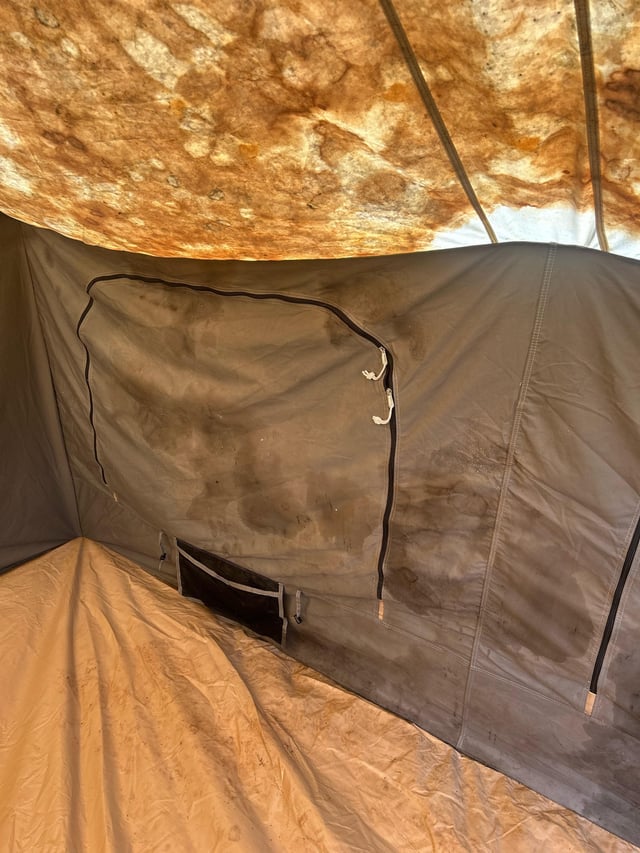
Mold in your tent can turn a fun camping trip into a frustrating mess. If you’ve ever unzipped your tent only to find dark spots and a musty smell, you know how important it is to get rid of mold quickly.
You don’t want mold damaging your gear or making your outdoor experience uncomfortable. You’ll discover simple, effective ways to remove mold from your tent and keep it fresh for your next adventure. Keep reading to learn how to protect your tent and enjoy the great outdoors without worry.

Credit: hot-tent.com
Identify Mold In Your Tent
Mold can grow inside a tent if it stays damp or dirty. It looks like spots or patches that are black, green, or white. Finding mold early helps keep your tent clean and safe.
Knowing where mold hides and why it is dangerous helps you protect your health and gear. Check your tent carefully after use or storage.
Common Mold Spots
Mold grows best in dark, moist, and warm places inside your tent. Look closely in these areas:
- Inside tent corners and seams
- Near zippers and vents
- On the tent floor, especially if wet
- Inside storage pockets
- Underneath any sleeping mats or gear left inside
Health Risks Of Mold
| Health Issue | Symptoms |
| Allergic Reactions | Sneezing, runny nose, itchy eyes |
| Asthma Attacks | Shortness of breath, coughing, wheezing |
| Skin Irritation | Rashes, redness, itching |
| Respiratory Problems | Chest tightness, difficulty breathing |
Mold spores can cause these health problems when you breathe them in or touch them. People with allergies or weak immune systems are at higher risk.
Prepare Your Tent For Cleaning
Removing mold from a tent requires careful preparation. Start by getting your tent ready for a thorough cleaning.
Preparing the tent properly helps protect the fabric and ensures the mold is fully removed.
Choose A Well-ventilated Area
Pick a place with good airflow to clean your tent. This helps dry the tent faster and prevents mold spores from spreading indoors.
Outdoor spaces like a backyard or garage with open doors work best. Avoid cleaning inside small, closed rooms.
Gather Cleaning Supplies
Collect all materials needed before starting. Having everything ready saves time and keeps the process smooth.
- Soft brush or sponge
- Mild detergent or soap
- White vinegar or specialized mold cleaner
- Bucket with warm water
- Gloves to protect your hands
- Old towels for drying
- Spray bottle for applying cleaner
Safe Mold Removal Methods
Removing mold from a tent is essential to keep it clean and safe. Mold can cause health issues and damage your camping gear.
It’s important to use safe methods that won’t harm the fabric of your tent. Below are some effective techniques to remove mold safely.
Use Mild Detergents
Mild detergents can help clean mold without damaging the tent fabric. Always dilute the detergent in water before applying it.
- Mix a small amount of detergent with warm water.
- Use a soft brush to scrub the affected area gently.
- Rinse thoroughly to remove detergent residue.
Apply Vinegar Solutions
Vinegar is a natural mold killer and is safe for most materials. It can be used alone or mixed with water.
To make a vinegar solution:
- Mix equal parts of vinegar and water in a spray bottle.
- Spray the solution on moldy areas and let it sit for an hour.
- Wipe off with a damp cloth and let the tent dry in the sun.
Try Baking Soda Paste
Baking soda is another safe option for removing mold. It is gentle and helps eliminate odors.
To use baking soda:
- Mix baking soda with water to form a paste.
- Apply the paste to moldy spots using a soft cloth.
- Allow it to dry before brushing off the residue.
- Rinse and dry the area thoroughly.

Credit: www.reddit.com
Deep Cleaning Techniques
Removing mold from a tent requires careful cleaning. Deep cleaning helps stop mold from coming back.
Using the right methods protects your tent fabric and keeps it safe for camping.
Hand Washing Vs. Machine Washing
Hand washing your tent helps control cleaning better. It is gentle and reduces damage.
Machine washing can be faster but may hurt the fabric. Use a gentle cycle with cold water.
- Use mild soap or a tent cleaner for both methods
- Scrub mold spots softly with a brush or sponge
- Avoid bleach or strong chemicals that weaken fabric
- Dry the tent fully in the sun after washing
Rinse Thoroughly
Rinsing removes soap and mold residues that attract moisture. It helps stop mold growth.
| Rinse Method | Details |
| Hand Rinse | Use clean water to rinse all soap. Repeat until no suds remain. |
| Machine Rinse | Run extra rinse cycles on gentle setting for thorough cleaning. |
| Final Check | Check fabric for soap or mold spots before drying. |
Drying And Preventing Mold
Mold grows fast in damp tents. Drying your tent well stops mold from starting. Proper drying also keeps your tent clean and safe.
Storing your tent right helps avoid mold growth. Use smart storage tips to keep your tent dry and fresh for your next trip.
Proper Drying Methods
After camping, dry your tent completely before packing. Wet tents trap moisture, which helps mold grow. Follow these drying tips:
- Set up your tent in a sunny, breezy area.
- Open all doors and windows to air it out well.
- Use a towel to soak up extra water inside.
- Hang the tent if possible to let air flow under it.
- Check seams and corners for hidden damp spots.
Storage Tips To Avoid Mold
Store your tent where it stays dry and cool. Avoid tight bags that trap moisture inside. Try these storage ideas:
| Storage Tip | Why It Helps |
| Use a breathable bag or loose sack | Allows air circulation to prevent dampness |
| Keep tent in a dry, cool place | Stops warm, moist air from causing mold |
| Store tent loosely folded | Prevents creases where water can collect |
| Check tent every few months | Detects mold early before it spreads |
| Use moisture absorbers nearby | Reduces humidity inside storage area |
When To Replace Your Tent
Mold on a tent can cause damage that is hard to fix. Sometimes cleaning is not enough.
You should know when it is time to get a new tent. This keeps you safe and comfortable.
Signs Of Severe Mold Damage
Look for these signs to decide if your tent needs replacing:
- Large mold patches that do not go away after cleaning
- Discoloration or stains that spread across the fabric
- Musty smell that stays even after airing out
- Fabric feels weak or thin in moldy areas
- Rips or holes caused by mold eating the material
Health Considerations
Mold can affect your health, especially if you camp often. It can cause:
| Health Issue | Possible Symptoms |
| Allergic Reactions | Sneezing, itchy eyes, runny nose |
| Respiratory Problems | Coughing, wheezing, shortness of breath |
| Skin Irritation | Rashes, redness, itching |
| Asthma Attacks | Increased asthma symptoms |
If you or anyone in your group has these symptoms, do not use a moldy tent. Replace it to protect your health.

Credit: www.reddit.com
Frequently Asked Questions
How Do You Safely Remove Mold From A Tent?
To remove mold safely, first, set up the tent outside. Use a mixture of water and mild soap or vinegar. Gently scrub the moldy areas with a soft brush. Rinse thoroughly and dry the tent completely in sunlight to prevent mold regrowth.
What Household Products Work Best For Tent Mold Removal?
White vinegar and mild soap are effective for tent mold removal. Vinegar kills mold spores naturally without harsh chemicals. Avoid bleach as it can damage tent fabric. Always test a small area first to ensure no discoloration occurs before full application.
How Can I Prevent Mold From Growing In My Tent?
Store your tent dry and clean in a breathable bag. Avoid packing it while damp or wet. Air the tent out after each use. Use moisture absorbers in storage areas to reduce humidity and prevent mold growth before it starts.
Is It Safe To Use Bleach On Moldy Tents?
Using bleach on tents is not recommended. It can weaken and discolor the fabric. Instead, opt for natural cleaners like vinegar or specialized tent cleaners. Always follow manufacturer guidelines for cleaning to preserve tent durability and water resistance.
Conclusion
Mold in your tent can cause damage and bad smells. Cleaning it quickly keeps your tent safe and fresh. Use gentle cleaners and soft brushes to remove mold spots. Always dry your tent well before storing it away. Good care helps your tent last many camping trips.
Remember, a clean tent means a better outdoor experience. Keep mold out, and enjoy your adventures without worry. Simple steps make a big difference in tent care.