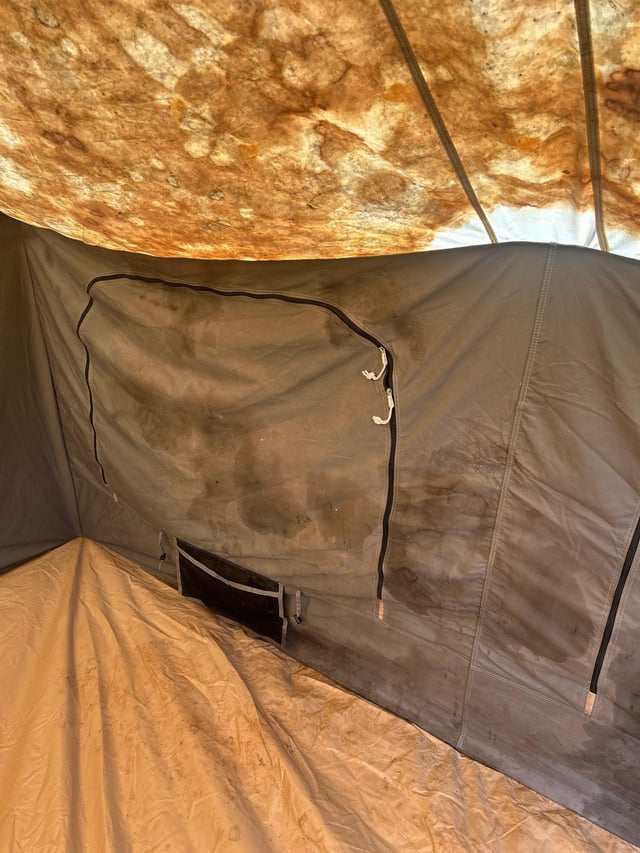
Imagine this: you’ve planned a perfect getaway into nature. Your tent is ready, the weather is ideal, and adventure is calling.
But when you unzip your tent, a musty, unpleasant smell greets you. Mold. It can ruin your plans and put a damper on your outdoor experience. But don’t worry. You’re not alone, and there’s a solution. Getting mold out of a tent is not just about removing the unsightly patches; it’s about preserving your gear and ensuring your health.
Mold can trigger allergies and respiratory issues, making it crucial to tackle the problem head-on. By the end of this article, you’ll know exactly how to banish mold from your tent and keep it at bay for future camping trips. Dive in, and let’s make sure your next adventure is mold-free and full of fresh air.
Causes Of Mold In Tents
Mold grows in tents when the environment is right. It can damage the fabric and cause bad smells.
Understanding what causes mold helps you prevent it and keep your tent clean and fresh.
Moisture And Humidity
Mold needs moisture to grow. If your tent stays wet or damp, mold will start to form.
High humidity makes the air inside the tent moist. This creates a perfect place for mold spores to grow.
- Rain or dew can leave the tent wet
- Wet gear inside the tent adds moisture
- Camping in humid places increases dampness
Improper Storage
Storing a tent while it is still wet causes mold. The damp fabric traps moisture inside.
Keeping a tent in a dark, damp place also helps mold grow on the fabric and seams.
- Folding a wet tent tightly holds moisture
- Storing in plastic bags traps humidity
- Leaving the tent in basements or garages with poor air flow
Poor Ventilation
Without good airflow, moisture stays inside the tent. This creates a humid space where mold grows fast.
Closed tent windows and vents block fresh air and trap dampness, increasing mold risk.
- Keep vents open when possible
- Avoid sealing the tent completely
- Air out the tent after use

Credit: www.reddit.com
Identifying Mold On Tent Fabric
Mold on a tent fabric can cause damage and health issues. It is important to spot mold early. Knowing how to identify mold helps keep your tent safe and clean.
This guide explains how to recognize mold by looking at visual signs and checking for smell and texture changes in the fabric.
Visual Signs
Mold often shows up as spots or patches on the fabric. These can be different colors like black, green, or white. The affected areas may look fuzzy or slimy.
- Small black or green spots
- White or gray fuzzy patches
- Discolored or stained fabric areas
- Dark, damp-looking patches
Smell And Texture
Mold changes the tent fabric’s smell and feel. A musty or damp odor often comes with mold growth. The texture may become slimy or rough.
| Sense | Signs of Mold |
| Smell | Musty, damp, or earthy odor |
| Texture | Sticky, slimy, or rough fabric surface |
Essential Cleaning Supplies
Removing mold from a tent needs the right cleaning supplies. Using gentle products helps protect the fabric.
Clean tools and natural cleaners work well to get rid of mold safely. Prepare your supplies before you start.
Mild Detergents
Mild detergents clean mold without harming the tent fabric. They break down dirt and mold spores gently.
Choose detergents without bleach or harsh chemicals. These keep the tent material strong and safe.
White Vinegar And Baking Soda
White vinegar kills mold and stops it from growing back. Baking soda removes odors and cleans stains.
Mix vinegar with water or sprinkle baking soda on mold spots. Both are natural and safe for tents.
- Use white vinegar diluted with water for spraying
- Apply baking soda paste for tough stains
- Rinse well after cleaning
Soft Brushes And Cloths
Soft brushes help scrub mold without damaging the tent fabric. Use gentle strokes to avoid tears.
Cloths absorb mold residue and clean surfaces. Microfiber cloths work best for wiping and drying.
- Choose brushes with soft bristles
- Use clean, dry cloths for wiping
- Replace cloths if mold transfers

Credit: www.reddit.com
Step-by-step Mold Removal
Mold can damage your tent and cause health problems. Cleaning it out quickly helps keep your tent safe and fresh.
This guide shows you how to remove mold from your tent using easy steps.
Setting Up A Cleaning Area
Choose a well-ventilated space outdoors or in a garage. Lay down a tarp or plastic sheet to protect the ground and catch mold debris.
Wear gloves and a mask to avoid breathing mold spores. Keep your cleaning tools nearby for easy access.
Applying Cleaning Solutions
Use a gentle cleaning solution to kill mold without harming the tent fabric. Common options include diluted vinegar, mild soap, or a specialized tent cleaner.
- Mix one part white vinegar with three parts water.
- Or use a small amount of dish soap with warm water.
- Test the solution on a small tent area first.
Scrubbing And Rinsing
Use a soft brush or sponge to gently scrub the mold spots. Avoid harsh scrubbing that could damage the fabric.
| Action | Details |
| Scrub | Gently scrub affected areas with cleaning solution |
| Rinse | Use clean water to rinse all soap and mold away |
| Repeat | Repeat scrubbing if mold remains after first rinse |
Drying The Tent Properly
Dry the tent fully to stop mold from coming back. Hang it in direct sunlight or a warm, airy place.
- Set up the tent on a clothesline or hang it over a railing.
- Allow at least 24 hours for the tent to dry completely.
- Store the tent only after it is fully dry.
Preventing Mold Growth
Mold can damage your tent and cause bad smells. Preventing mold helps keep your tent safe and clean.
Good care stops mold from growing. You need to dry, store, and maintain your tent properly.
Proper Tent Drying
Always dry your tent fully before packing it away. Wet fabric holds moisture and lets mold grow.
Set up the tent in a sunny, open place. Let air flow inside and outside the tent for fast drying.
- Dry the tent rainfly and floor separately
- Open all windows and doors to increase airflow
- Check seams and pockets for hidden damp spots
- Use a clean towel to wipe wet areas if needed
Effective Storage Techniques
Store your tent in a dry, cool place to stop mold spores from growing. Avoid tight bags that trap moisture.
Use a large, breathable storage bag or hang the tent. Keep it away from damp basements and direct sunlight.
- Do not store the tent in its small stuff sack long-term
- Choose a mesh or cotton bag for air circulation
- Keep the tent off the ground on shelves or hooks
- Check the storage area for humidity and mold signs
Regular Maintenance Tips
Clean your tent after every trip. Remove dirt and debris to prevent mold food sources.
Inspect the tent often for small mold spots. Clean them quickly to stop spread.
- Use mild soap and water for cleaning
- Dry the tent completely before storing
- Fix tears and holes to keep moisture out
- Store tent loosely to avoid crushing fabric

Credit: hot-tent.com
When To Seek Professional Help
Mold can grow in tents if they stay damp for too long. Small mold spots can often be cleaned at home. Sometimes, the mold is too big or risky to handle alone.
Knowing when to get expert help keeps you safe and saves your tent. Professionals have tools and knowledge to remove tough mold.
Severe Mold Infestations
If mold covers large areas of your tent, it is a severe infestation. Strong mold can damage the fabric and make the tent unsafe to use.
Cleaning big mold patches requires special equipment and chemicals. Trying to clean severe mold yourself can spread spores or ruin the tent.
- Mold covers more than 10% of the tent surface
- Black or thick mold layers are present
- Musty smell stays after cleaning attempts
Health Concerns
Mold can cause breathing problems and allergic reactions. People with asthma or weak immune systems face higher risks.
Seek professional help if you feel sick after exposure. Experts can remove mold safely and protect your health.
- Coughing, sneezing, or itchy eyes after using the tent
- Wheezing or trouble breathing near the tent
- Skin rashes or irritation from mold contact
Restoration Services
Restoration professionals clean and restore tents with mold damage. They use safe methods to save your tent’s material and function.
These services often include mold removal, fabric treatment, and odor removal. They can extend the life of your tent after mold problems.
- Deep cleaning with mold-killing solutions
- Fabric repair and waterproofing
- Removing mold odors completely
Frequently Asked Questions
How Do You Clean Mold From A Tent Safely?
To clean mold safely, use a mixture of water and mild soap. Gently scrub the affected areas with a soft brush. Avoid harsh chemicals that damage tent fabric. Always dry the tent completely in sunlight to prevent mold regrowth.
What Household Items Remove Mold From Tents Effectively?
White vinegar and baking soda work well to remove tent mold. Apply vinegar to the mold, let it sit for 30 minutes, then scrub gently. Rinse with water and air dry the tent fully to stop mold growth.
Can Mold Damage The Tent Fabric Permanently?
Yes, mold can weaken and discolor tent fabric if untreated. Prolonged mold exposure breaks down fabric fibers, reducing durability. Prompt cleaning and drying help preserve your tent’s strength and appearance.
How Do You Prevent Mold From Growing In Tents?
Keep your tent dry and store it in a cool, ventilated space. Always dry the tent thoroughly before packing. Use waterproof sprays to protect fabric. Regularly inspect and clean the tent to stop mold early.
Conclusion
Mold in a tent can cause damage and bad smells. Cleaning it quickly keeps your tent safe and fresh. Use gentle cleaners and soft brushes to remove mold. Dry your tent well after cleaning to stop mold growth. Store your tent in a dry place to avoid mold return.
Regular checks help catch mold early. A clean tent makes camping more enjoyable and healthy. Keep these steps in mind for mold-free camping gear.