
Are you tired of seeing your trees covered in those annoying tent-like webs? Tent caterpillars can quickly take over your garden, damaging leaves and ruining the beauty of your yard.
If you want to protect your trees and keep your outdoor space healthy, you need to act fast. You’ll discover simple and effective ways to get rid of tent caterpillars for good. Keep reading to find out how to reclaim your garden and stop these pests from coming back.

Credit: www.pubs.ext.vt.edu
Identifying Tent Caterpillars
Tent caterpillars are common pests in many regions. They build silken tents in trees and shrubs.
Recognizing their appearance and behavior helps control them early. Knowing their favorite host trees guides inspection.
Appearance And Behavior
Tent caterpillars have hairy bodies with distinct markings. They are usually brown or black with white stripes.
- Their tents are made of white silk and appear in tree branches.
- Caterpillars feed in groups during the day.
- They move slowly and curl up when disturbed.
- The larvae grow up to two inches long before pupating.
Common Host Trees
| Tree Species | Description |
|---|---|
| Cherry | Often attacked, especially wild cherry trees. |
| Apple | Common host for many tent caterpillar species. |
| Crabapple | Frequently infested due to tender leaves. |
| Maple | Occasionally affected, especially sugar maple. |
| Oak | Host for some tent caterpillar varieties. |

Credit: ca.news.yahoo.com
Natural Predators And Controls
Tent caterpillars can cause damage to trees. Natural predators and controls are effective in managing them.
These methods are eco-friendly and help maintain the balance in your garden.
Birds And Insects That Help
Birds and insects play a big role in controlling tent caterpillar populations. They naturally hunt and reduce the number of caterpillars.
- Robins and sparrows eat caterpillars
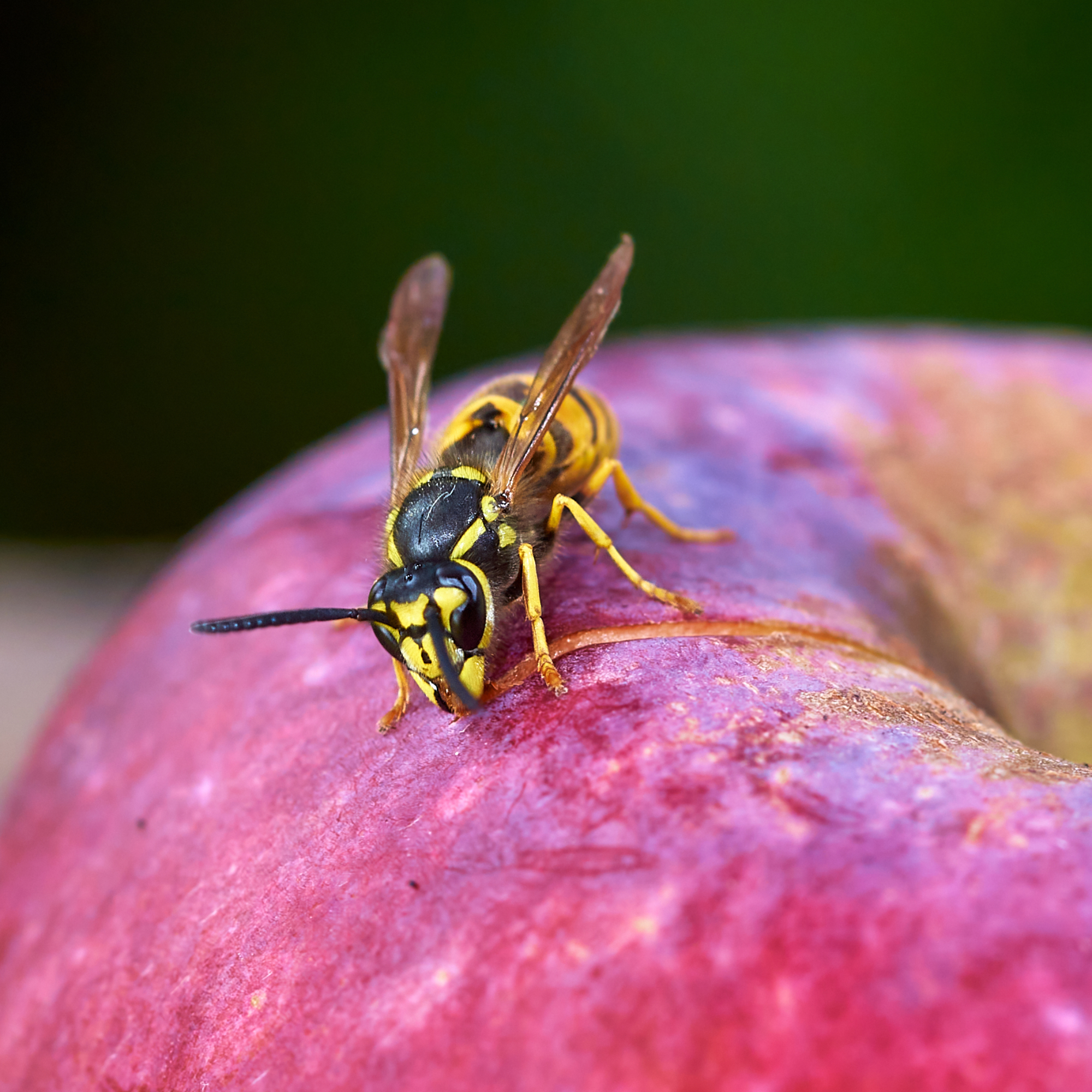
- Wasps and beetles prey on caterpillars
- Ants disrupt caterpillar nests
Beneficial Nematodes
Beneficial nematodes are microscopic worms. They attack the larvae of tent caterpillars.
| Predator | Action |
| Birds | Consume caterpillars |
| Insects | Hunt caterpillars |
| Nematodes | Infect larvae |
Manual Removal Techniques
Tent caterpillars can harm trees by eating their leaves. Removing them by hand is safe and effective.
Manual removal helps stop caterpillars without using chemicals. It works best in small infestations.
Removing Egg Masses
Egg masses look like brown or gray blobs on tree branches. Removing them stops caterpillars before they hatch.
Use a scraper or knife to gently remove egg masses. Collect them in a bag to avoid spreading eggs to other trees.
- Find egg masses on small branches and twigs
- Scrape eggs into a container or bag
- Dispose of egg masses by crushing or burning
- Wear gloves to protect your hands
Destroying Tents And Larvae
Tent caterpillars build silk tents in tree forks. Destroying tents stops larvae from feeding and growing.
Use a stick or your hands to pull down tents. Place them in soapy water to kill the larvae inside.
- Locate tents in tree branches early in spring
- Wear gloves to avoid irritation
- Remove tents carefully to avoid dropping larvae
- Soak tents in water with dish soap for at least 24 hours
- Repeat removal every few days for new tents
Chemical Treatments
Tent caterpillars can damage trees and plants quickly. Chemical treatments help control their spread. Using insecticides is one way to get rid of them.
It is important to choose the right chemicals and apply them safely. This keeps your plants healthy and protects the environment.
Insecticides That Work
Several insecticides can kill tent caterpillars effectively. Bacillus thuringiensis (Bt) is a natural option that targets caterpillars only. It is safe for humans, pets, and beneficial insects.
Other chemical insecticides include those with active ingredients like spinosad, carbaryl, and permethrin. These work well but may affect more insects around your plants.
- Bacillus thuringiensis (Bt):Safe and specific to caterpillars
- Spinosad:Effective and derived from natural bacteria
- Carbaryl:Broad-spectrum insecticide
- Permethrin:Synthetic chemical with strong action
Safe Application Tips
Read the label on any insecticide before use. Follow the instructions carefully to avoid harm. Wear protective clothing like gloves and masks.
Apply insecticides in early morning or late evening. This reduces harm to bees and other pollinators. Avoid spraying on windy days to prevent drift.
- Wear gloves, long sleeves, and eye protection
- Apply during calm weather, avoid windy conditions
- Spray in early morning or late evening
- Keep children and pets away during application
- Do not overuse chemicals; follow recommended doses
Preventive Measures
Tent caterpillars can damage trees by eating their leaves. Taking steps early helps keep them away.
Preventive measures protect trees and reduce the need for harsh treatments later.
Tree Care And Maintenance
Healthy trees are less likely to attract tent caterpillars. Water trees during dry times to keep them strong.
Prune dead or weak branches to improve air flow and sunlight. This makes the tree less inviting for pests.
- Water trees regularly, especially in summer
- Remove dead branches and twigs
- Keep trees clean by removing fallen leaves
- Use mulch to keep roots moist and cool
Using Barriers And Traps
Barriers stop caterpillars from reaching tree branches. Wrap sticky bands around the tree trunk to catch them.
Use traps to catch adult moths before they lay eggs. Place traps near trees in early spring.
- Wrap sticky bands on trunks to trap crawling caterpillars
- Set pheromone traps to attract and catch moths
- Check and replace traps regularly for best results
Credit: www.gardeningknowhow.com
When To Seek Professional Help
Tent caterpillars can damage trees and plants quickly. Sometimes, the infestation becomes too large to handle alone.
Knowing when to call a pest control expert can save your trees and keep your yard healthy.
Signs Of Severe Infestation
Severe tent caterpillar infestations show clear signs on trees and plants. Leaves may look eaten or covered with webs.
You might see many tents in the branches or caterpillars crawling on tree trunks and leaves.
- Large, thick webs in tree branches
- Many caterpillars visible on leaves and bark
- Leaves mostly eaten or missing
- Tree branches looking bare or damaged
- Defoliation happening quickly across the tree
Choosing Pest Control Services
Select a pest control service with experience in handling tent caterpillars. They should use safe and effective treatment methods.
Check if the company offers an inspection before starting treatment. This step helps them plan the best way to remove pests.
- Look for licensed and insured pest control companies
- Ask about their methods for caterpillar control
- Choose services with good reviews and references
- Confirm they use environmentally friendly products
- Request follow-up visits to prevent return infestations
Frequently Asked Questions
What Are The Best Natural Ways To Kill Tent Caterpillars?
Natural methods include handpicking egg masses, introducing beneficial insects, and spraying neem oil. These reduce caterpillar numbers without harming plants or pets.
How Can I Prevent Tent Caterpillars From Returning?
Regularly inspect trees for egg masses in late winter. Remove and destroy them to stop new infestations before caterpillars hatch.
Which Insecticides Work Effectively Against Tent Caterpillars?
Bacillus thuringiensis (Bt) is a safe, effective insecticide. It targets caterpillars specifically and causes minimal harm to other wildlife.
When Is The Best Time To Remove Tent Caterpillars?
Early spring, just after eggs hatch, is ideal. Removing caterpillars before they create webs limits damage to trees.
Conclusion
Controlling tent caterpillars takes patience and regular care. Remove their nests early before they spread. Use natural methods like handpicking or safe sprays. Keep trees healthy to resist damage better. Watch your trees often to catch problems fast. Small actions can stop big infestations.
Protect your garden and enjoy healthy plants. Stay consistent and your efforts will pay off.