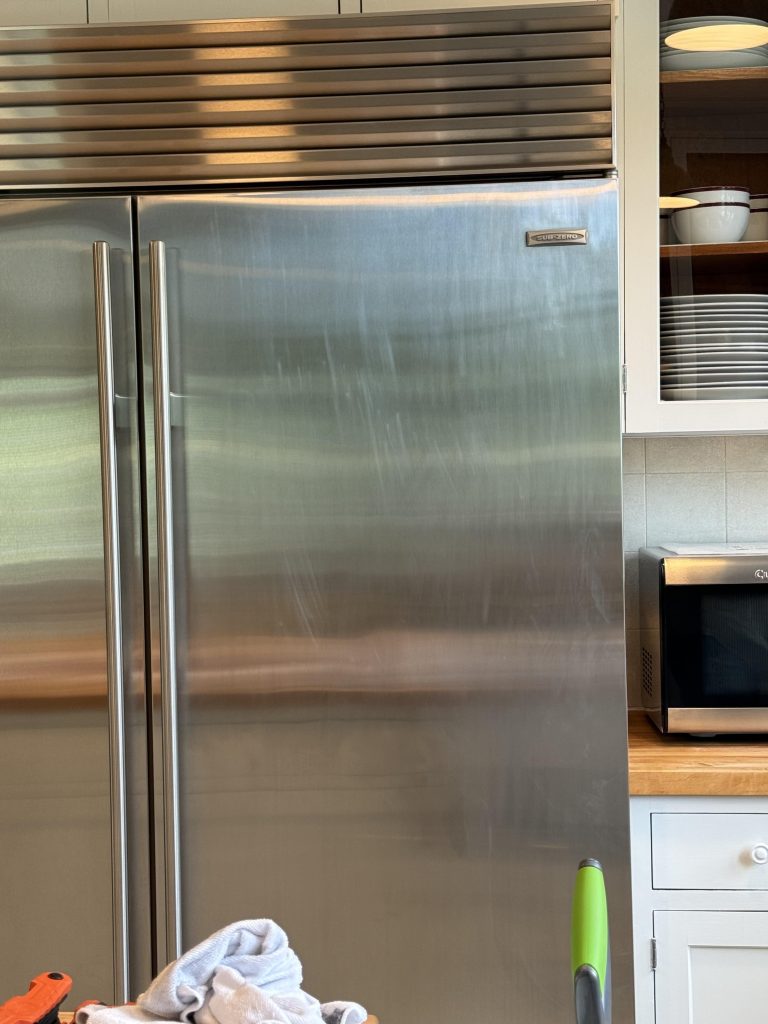
Your stainless steel refrigerator is a sleek and stylish centerpiece in your kitchen, but those pesky scratches can really dull its shine. You might be wondering if there’s a way to restore your fridge’s flawless finish without breaking the bank on professional services.
Good news! You can easily get those scratches out yourself with a few simple techniques. Imagine the satisfaction of transforming your refrigerator back to its pristine glory, all by yourself. In this guide, you’ll discover effective methods to erase those scratches, making your fridge look brand new again.
Curious to learn how? Keep reading to uncover the secrets to a scratch-free stainless steel refrigerator!
Common Causes Of Scratches
Scratches on your stainless steel refrigerator can be frustrating and often seem to appear out of nowhere. Understanding what causes these marks can help you avoid them and maintain that sleek, shiny look. Identifying the common culprits gives you a better chance to protect your appliance before damage occurs.
Using Abrasive Cleaning Tools
Scratches often come from scrubbing with rough sponges or steel wool. These tools might remove dirt effectively but can leave fine lines on the surface. Have you ever tried cleaning stubborn spots with a scrubbing pad only to notice more scratches afterward?
Switching to soft microfiber cloths can make a big difference in preventing damage.
Contact With Sharp Objects
Kitchen utensils, keys, or even rings can accidentally scrape against the refrigerator. These small, sharp edges create visible scratches over time. Think about how often you lean or brush past your fridge with something that could catch the surface.
Being mindful of what touches your fridge can reduce these unwanted marks.
Improper Handling During Moving
Moving your refrigerator without proper padding or care often leads to scratches. Dragging it across rough floors or bumping corners against walls causes damage. Have you ever noticed new scratches after a recent move or rearrangement in your kitchen?
Using protective covers or blankets can save your fridge’s finish during transport.
Wear And Tear From Daily Use
Simple, everyday activities like opening and closing doors or placing magnets can slowly wear down the surface. Even repeated finger smudges and small impacts add up over time. Ask yourself if you’ve noticed gradual dullness or fine lines appearing after months of use.
Regular gentle cleaning helps maintain the surface and reduce visible scratches.

Credit: www.youtube.com
Types Of Scratches On Stainless Steel
Scratches on stainless steel refrigerators come in different forms, and knowing the type you’re dealing with can make a big difference in how you fix them. Some scratches are light and barely noticeable, while others are deeper and more stubborn. Understanding these variations helps you choose the right approach and avoid causing more damage.
Surface Scratches
Surface scratches are the most common type. They usually appear as fine lines that affect only the top layer of the steel. These scratches often happen from cleaning with abrasive materials or minor bumps.
You can often remove surface scratches with gentle polishing or using a specialized stainless steel cleaner. These scratches don’t affect the structural integrity of your fridge but can ruin its sleek look.
Deep Scratches
Deep scratches cut into the metal itself and can be more challenging to repair. They often happen from sharp objects like keys, tools, or accidental impacts. These scratches might feel rough to the touch and are more visible under light.
Fixing deep scratches usually requires sanding and buffing or professional repair kits. Ignoring them can lead to rust spots or further damage over time, especially if your refrigerator is in a humid environment.
Scratch Patterns
Sometimes, scratches appear in patterns rather than isolated lines. These can result from repetitive actions like dragging items across the surface or improper cleaning techniques. Patterns may look like swirls or crosshatch marks.
Addressing patterned scratches often means changing how you clean and care for your fridge. Using soft cloths and cleaning with the grain of the steel can prevent these from worsening.
Oxidized Scratches
Oxidized scratches happen when the protective layer on stainless steel is damaged, exposing the metal underneath to moisture and air. This exposure can cause discoloration or rust spots around the scratch.
Fixing oxidized scratches requires both removing the rust and restoring the protective finish. If you notice any brown or reddish marks, it’s important to act quickly to avoid permanent damage.
Materials Needed For Scratch Removal
Removing scratches from a stainless steel refrigerator requires the right materials. Using improper items can cause more damage. Gathering all needed supplies before starting makes the process smoother and faster.
Each material plays a specific role in scratch removal. Some help to clean the surface, while others help to buff out the scratches. Choose gentle products to protect the stainless steel finish.
Soft Microfiber Cloths
Soft microfiber cloths prevent additional scratches. They absorb cleaning solutions well. Use separate cloths for cleaning and buffing to avoid spreading dirt.
Non-abrasive Cleaners
Non-abrasive cleaners remove dirt without harming the steel. Look for mild dish soap or specialized stainless steel cleaners. Avoid harsh chemicals that can dull the surface.
Stainless Steel Scratch Removal Kits
Scratch removal kits contain fine abrasives and polishing compounds. They are designed specifically for stainless steel surfaces. Follow the instructions carefully for best results.
Baking Soda
Baking soda acts as a gentle abrasive. It helps to lift light scratches without damaging the finish. Make a paste with water for easy application.
Olive Oil Or Baby Oil
Oils can help to mask minor scratches. They add shine and smooth the surface. Apply a small amount with a soft cloth and buff gently.
Cleaning Before Repair
Before you attempt to fix scratches on your stainless steel refrigerator, cleaning the surface is crucial. Dirt, grease, and fingerprints can interfere with the repair process and may even make scratches look worse. Taking the time to properly clean ensures that any repair product you use will work effectively and adhere well to the surface.
Gathering The Right Cleaning Supplies
Start by collecting gentle cleaning materials. You’ll want a soft microfiber cloth, warm water, and a mild dish soap or stainless steel cleaner. Avoid abrasive pads or harsh chemicals that can cause more damage to the finish.
Cleaning The Surface Thoroughly
Mix a few drops of dish soap in warm water. Dampen your microfiber cloth with the solution and wipe down the scratched area gently. This removes oils and grime that hide in scratches and could prevent repair products from working.
Rinsing And Drying Properly
After cleaning, wipe the area with a cloth dampened in plain water to remove soap residue. Then, dry the surface completely with a dry microfiber cloth. Moisture left on the metal can affect repair results and leave water spots.
Checking The Surface For Remaining Dirt
Look closely at the area under good lighting. If you still see smudges or dust, repeat cleaning. Only move forward when the surface is perfectly clean and dry, so your repair efforts aren’t wasted.
Using A Stainless Steel Scratch Repair Kit
Using a stainless steel scratch repair kit is a simple way to fix scratches on your refrigerator. These kits come with special tools and compounds designed to blend scratches with the metal surface. The repair process is fast and can restore the fridge’s look without professional help.
The kits work by gently sanding the scratched area and then polishing it. This removes small marks and smooths the surface. The compounds in the kit fill in deeper scratches, making them less visible. Using the kit correctly can keep your stainless steel looking new for longer.
Choosing The Right Scratch Repair Kit
Look for a kit made for stainless steel appliances. Check if it includes a sanding pad and a polishing compound. Kits with clear instructions are easier to use. Avoid kits meant for other metals or surfaces.
Preparing The Surface
- Clean the scratched area with mild soap and water.
- Dry it completely before starting the repair.
- Remove any dirt or grease to help the kit work better.
Applying The Repair Kit
- Use the sanding pad to rub the scratch gently.
- Follow the grain of the stainless steel for best results.
- Apply the polishing compound with a soft cloth.
- Buff the area until the scratch blends in.
- Repeat if needed for deeper scratches.
Finishing Touches
Wipe the area with a clean cloth to remove residue. Use a stainless steel cleaner for a shiny finish. Avoid harsh chemicals that could damage the surface. Regular maintenance helps prevent new scratches.

Credit: medium.com
Homemade Remedies For Light Scratches
Light scratches on your stainless steel refrigerator can be frustrating, but you don’t always need expensive products to fix them. Simple household ingredients often do the trick and save you money. These homemade remedies are easy to try and gentle enough to avoid damaging the surface further.
Baking Soda Paste
Baking soda is a mild abrasive that can help buff out scratches without harming the stainless steel finish. Mix a small amount of baking soda with water to create a thick paste. Apply it to the scratched area using a soft cloth, then gently rub in the direction of the grain.
After a few minutes, wipe the paste away with a damp cloth and dry the surface. You might need to repeat this a couple of times for better results. Have you ever noticed how something as simple as baking soda can work wonders beyond just cleaning?
Toothpaste Method
Plain white toothpaste, not the gel kind, works similarly to baking soda paste. It contains mild abrasives that smooth out minor scratches. Dab a small amount onto a soft cloth and rub it lightly into the scratch following the grain of the steel.
Once you’re done, clean off the toothpaste with a warm damp cloth and dry the area thoroughly. This method is quick and effective, especially when you don’t have baking soda on hand. Would you have guessed that your toothpaste could double as a scratch remover?
Olive Oil Application
Olive oil won’t remove scratches, but it can disguise them by filling in the grooves and adding shine. After cleaning the scratched area, apply a few drops of olive oil to a soft cloth and rub it into the scratch in a circular motion. This helps reduce the visibility of minor imperfections.
Buff the area with a dry cloth to remove excess oil and reveal a smoother, more uniform surface. This trick also nourishes the stainless steel and prevents future dullness. Have you tried olive oil on your appliances before to restore their luster?
Removing Deeper Scratches
Removing deeper scratches from a stainless steel refrigerator requires more effort than light scratch removal. These scratches penetrate the surface and need careful treatment to restore the smooth finish. Proper techniques help avoid further damage and bring back the appliance’s shine.
Sanding Techniques
Sanding is effective for smoothing deep scratches on stainless steel. Use fine-grit sandpaper, such as 600 to 1000 grit, to gently sand the scratched area. Always sand in the direction of the metal grain. Avoid circular motions, which can create new scratches. Start with light pressure and increase it gradually if needed.
Clean the surface after sanding to remove dust. Repeat sanding steps if the scratch remains visible. Patience is key in this process.
Polishing And Buffing
Polishing restores the shine after sanding. Use a stainless steel polish or a mild abrasive paste. Apply a small amount to a soft cloth and rub it over the sanded area. Move the cloth along the grain for best results. Buffing with a clean microfiber cloth enhances the finish and blends the repair.
For deeper scratches, electric polishers with soft pads work well. Use low speed to control the process and avoid overheating the metal. Finish with a clean cloth wipe to reveal a smooth, polished surface.
Preventing Future Scratches
Preventing scratches on your stainless steel refrigerator is just as important as removing the existing ones. Taking simple, mindful steps can keep that sleek surface looking brand new for years. What small changes can you make today to protect your investment tomorrow?
Proper Cleaning Tools
Using the right tools makes a big difference in avoiding scratches. Always choose a soft microfiber cloth instead of abrasive sponges or rough towels. These gentle cloths clean effectively without damaging the surface.
When cleaning, avoid steel wool or scrub brushes that can leave permanent marks. Instead, opt for mild detergents or specially formulated stainless steel cleaners. Have you checked what’s in your cleaning kit lately?
Protective Coatings
Adding a protective layer to your refrigerator can prevent scratches from everyday use. There are clear films and sprays designed specifically for stainless steel surfaces. These coatings act like a shield against minor scrapes and fingerprints.
Applying a high-quality stainless steel polish not only enhances shine but also fills in microscopic grooves where dirt and scratches can settle. Think about how much longer your fridge could look flawless with just a little extra protection.
When To Call A Professional
Knowing when to call a professional for scratch removal on your stainless steel refrigerator can save you time, money, and frustration. Not every scratch needs expert attention, but some situations demand specialized care to avoid further damage.
Have you ever tried removing a scratch yourself, only to make it worse? That’s a clear sign it might be time to bring in a pro. Understanding the right moment to seek help ensures your fridge stays looking great without risking costly repairs.
Deep Or Large Scratches
If the scratches on your refrigerator are deep enough to catch your fingernail or cover a large area, it’s best to call a professional. These kinds of scratches often require sanding or buffing techniques that need specialized tools and experience.
Attempting to fix deep scratches on your own can leave uneven surfaces or dull spots, making the problem more noticeable. Professionals know how to restore the finish carefully and evenly.
Scratches On Special Finishes
Some stainless steel refrigerators have unique finishes like matte or fingerprint-resistant coatings. If your appliance has this type of finish, DIY methods might strip or damage it further.
Professionals have the right products and methods tailored to these special finishes. They can restore the look without compromising the protective layer.
When Home Remedies Fail
You might have tried popular home remedies like baking soda, toothpaste, or stainless steel polish with little success. If the scratch remains visible or gets worse, it’s a clear sign to call in an expert.
Don’t let stubborn scratches frustrate you or tempt you to use harsher chemicals that could harm your fridge. Professionals can assess and apply stronger, safe techniques.
Worried About Warranty Or Resale Value?
If your refrigerator is still under warranty, or you’re planning to sell it, improper scratch removal could void coverage or reduce its value. Professionals provide quality work that maintains your appliance’s condition.
Would you risk lowering your fridge’s resale price over a DIY mistake? Calling a professional can protect your investment and peace of mind.

Credit: www.reddit.com
Frequently Asked Questions
How Can I Remove Light Scratches From Stainless Steel Fridge?
Use a non-abrasive cleaner and a soft cloth to gently rub with the grain. Avoid harsh scrubbing to prevent further damage. For deeper scratches, try a stainless steel scratch remover or a baking soda paste for safe polishing.
What Household Items Help Fix Stainless Steel Scratches?
Common items like baking soda, white toothpaste, or olive oil can minimize scratches. Apply gently with a soft cloth, rubbing along the grain. These mild abrasives and oils help blend scratches without damaging the stainless steel surface.
Can Stainless Steel Scratch Removers Damage My Fridge?
No, if used correctly, stainless steel scratch removers are safe. Always follow product instructions and test on a small area first. Using the grain direction and gentle pressure prevents damage and maintains the fridge’s finish.
Is It Safe To Use Sandpaper On Stainless Steel Appliances?
Using very fine-grit sandpaper can help with deep scratches but requires caution. Sand lightly along the grain to avoid worsening the scratch. For best results, consider professional help or specialized stainless steel polish products.
Conclusion
Removing scratches from a stainless steel refrigerator is easier than you think. Use gentle methods and common household items. Always rub with the grain to avoid damage. Small scratches can disappear with a little patience. Regular care keeps your fridge looking fresh and clean.
Try these tips to restore your appliance’s shine. A scratch-free surface brightens your kitchen instantly. Simple steps make a big difference. Keep your fridge looking its best every day.