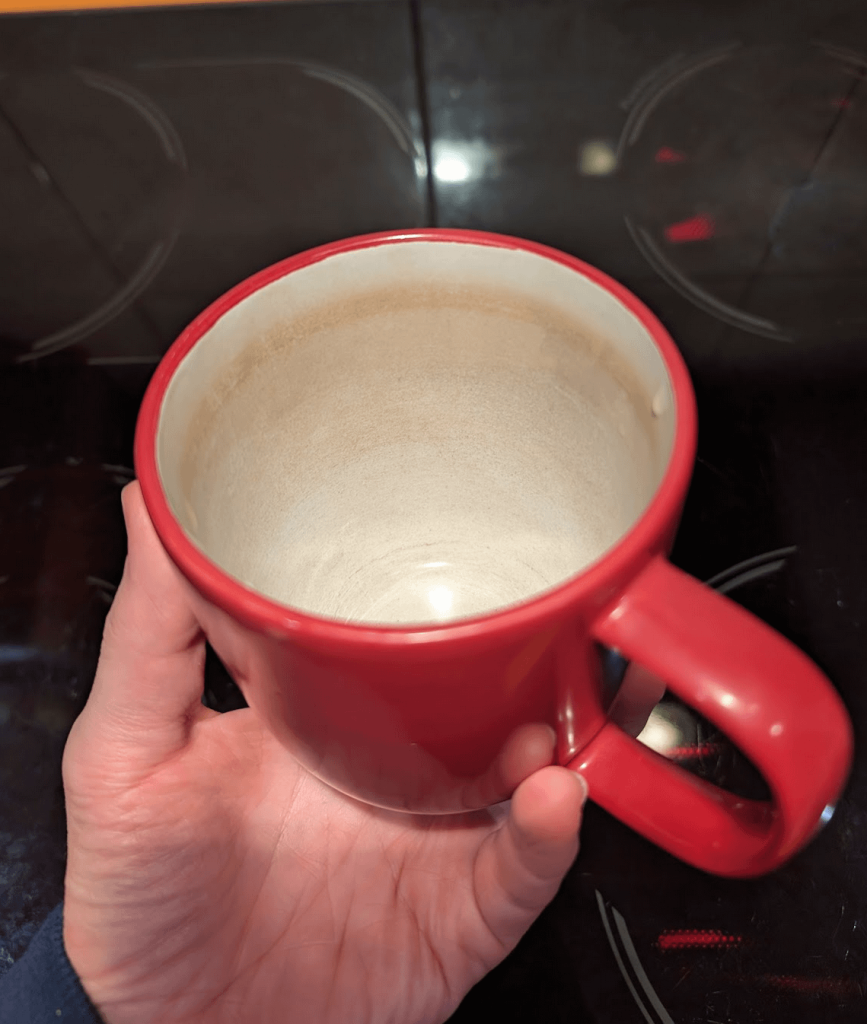
You love your daily cup of tea, but those stubborn stains on your favorite mugs? Not so much.
If you’ve ever wondered how to get tea stains out of cups quickly and easily, you’re not alone. These marks can make even the nicest cup look old and dirty. But don’t worry—you don’t need harsh chemicals or expensive cleaners.
You’ll discover simple, effective methods to restore your cups to their clean, fresh state. Keep reading, and say goodbye to those pesky stains for good!
Common Causes Of Tea Stains
Tea stains often appear on cups after repeated use. These stains can be hard to remove if not cleaned quickly.
Understanding what causes tea stains helps keep cups clean and fresh. Many factors lead to those stubborn marks.
Tannins In Tea
Tannins are natural compounds found in tea leaves. They give tea its color and flavor but also cause stains.
When tea cools, tannins stick to the cup’s surface. This creates a yellow or brown mark that builds over time.
Frequent Tea Drinking
Using the same cup for tea every day increases stain chances. The more tea you drink, the darker stains get.
Not cleaning cups immediately after use lets stains set. This makes it harder to remove them later.
Hot Tea Temperature
Hot tea causes tannins to bind faster with cup surfaces. Heat makes stains dry quickly and stick strongly.
Pouring boiling tea often leads to deeper, darker stains. Cooler tea may stain less but still leaves marks.
Type Of Cup Material
Some cup materials absorb tea better than others. Porous or rough surfaces hold stains more than smooth ones.
Ceramic and porcelain cups stain less than plastic or metal ones. The cup’s finish also affects stain visibility.
Lack Of Regular Cleaning
Not washing cups soon after use allows stains to set deeply. Old stains are harder to remove than fresh ones.
Rinsing cups quickly helps prevent stain buildup. Using gentle scrubbing stops tea residue from hardening.

Credit: puracy.com
Everyday Household Remedies
Tea stains on cups can be hard to remove. Many people use everyday items found at home to clean them.
These simple remedies work well and save money. They are easy to try and safe for your cups.
Using Baking Soda
Baking soda is a gentle cleaner that removes stains without scratching. It works well on tea stains in cups.
Make a paste with baking soda and water. Rub the paste inside the cup with a soft cloth or sponge.
- Use 1 tablespoon of baking soda
- Add a few drops of water to form a paste
- Rub the paste on the stains gently
- Rinse the cup with warm water
Applying Vinegar
White vinegar is acidic and breaks down tea stains easily. It is a natural cleaner found in many homes.
Fill the cup with vinegar and let it sit for 10 to 15 minutes. Then scrub the stains with a sponge or brush.
- Pour white vinegar into the stained cup
- Let it soak for about 15 minutes
- Use a sponge to scrub the stains
- Rinse the cup well with water
Lemon Juice Method
Lemon juice has natural acids that help remove stains and leave a fresh smell. It works well on tea stains.
Squeeze fresh lemon juice into the cup. Let it sit for a few minutes before scrubbing and rinsing.
- Squeeze juice from half a lemon into the cup
- Let it sit for 5 to 10 minutes
- Scrub the cup with a sponge or cloth
- Rinse thoroughly with water
Effective Cleaning Tools
Tea stains on cups can be tough to remove. Using the right cleaning tools helps make the process easier and faster. This guide covers three useful tools to try.
Each tool has its own way to clean stains well. Learning how to use them can keep your cups looking fresh and clean.
Scrubbing Pads
Scrubbing pads can remove tea stains by rubbing the cup surface. Choose pads that are not too rough to avoid scratching. Soft or medium pads work best.
- Use warm water to soften the stain first
- Apply a small amount of dish soap to the pad
- Scrub gently in circular motions
- Rinse the cup thoroughly after scrubbing
Toothbrush Use
An old toothbrush is great for cleaning hard-to-reach areas in cups. Its small size helps target stains near the rim or bottom.
| Cleaning Tip | Details |
| Wet the brush | Use warm water before brushing |
| Add cleaning agent | Use baking soda or dish soap on bristles |
| Scrub gently | Focus on stained spots inside the cup |
| Rinse cup | Wash off residue after scrubbing |
Magic Erasers
Magic erasers are effective at removing tough stains without harsh chemicals. They work by lifting dirt from surfaces with light abrasion.
How to use a magic eraser:
- Wet the eraser with water.
- Gently rub the stained area.
- Rinse the cup with water.
- Dry with a clean cloth.
Commercial Stain Removers
Tea stains on cups can be tough to remove. Commercial stain removers offer an easy way to clean them. These products are made to break down stains quickly.
Many stain removers work on different types of stains, including tea. They save time and effort compared to home remedies.
Choosing The Right Product
Pick a stain remover made for cups or kitchen use. Check if it is safe for your cup material like ceramic or glass. Some products are stronger than others.
Look for removers that say they work on tea or coffee stains. Avoid harsh chemicals that can damage your cups or leave a bad smell.
- Check product labels for tea stain removal
- Choose gentle formulas for delicate cups
- Consider eco-friendly options for safety
- Avoid bleach unless cup is bleach-safe
Safe Usage Tips
Always read the instructions before using a stain remover. Use gloves if the product has strong chemicals. Keep the area well ventilated.
Do not mix stain removers with other cleaners. Test the product on a small area first. Rinse cups well after cleaning to remove all residue.
- Wear gloves to protect your skin
- Work in a room with fresh air
- Test on a small cup area first
- Rinse cups thoroughly after use
- Store products out of children’s reach
Preventing Future Tea Stains
Tea stains on cups can be hard to remove if left unattended. Taking simple steps can stop stains from forming. Keeping your cups clean regularly helps a lot.
Using special coatings can also protect your cups. These coatings make cleaning easier and keep cups looking new longer.
Regular Cleaning Habits
Cleaning your tea cups right after use stops stains from setting. Rinsing the cup with warm water removes leftover tea particles. Washing with mild soap and a soft sponge helps too.
- Rinse cups immediately after drinking tea
- Use warm water and mild soap for washing
- Clean cups with a soft sponge, not abrasive pads
- Dry cups well to avoid water spots
- Deep clean cups weekly to remove hidden stains
Using Protective Coatings
Applying protective coatings forms a barrier on your cup surface. This barrier stops tea from sticking and staining. Some coatings are easy to apply at home and last for weeks.
| Type of Coating | Benefits | Application Tips |
| Silicone spray | Water repellent, easy to clean | Apply thin layer, let dry fully |
| Ceramic glaze | Long-lasting, stain resistant | Use on new cups, follow instructions |
| Food-safe wax | Protects surface, enhances shine | Buff gently after applying |
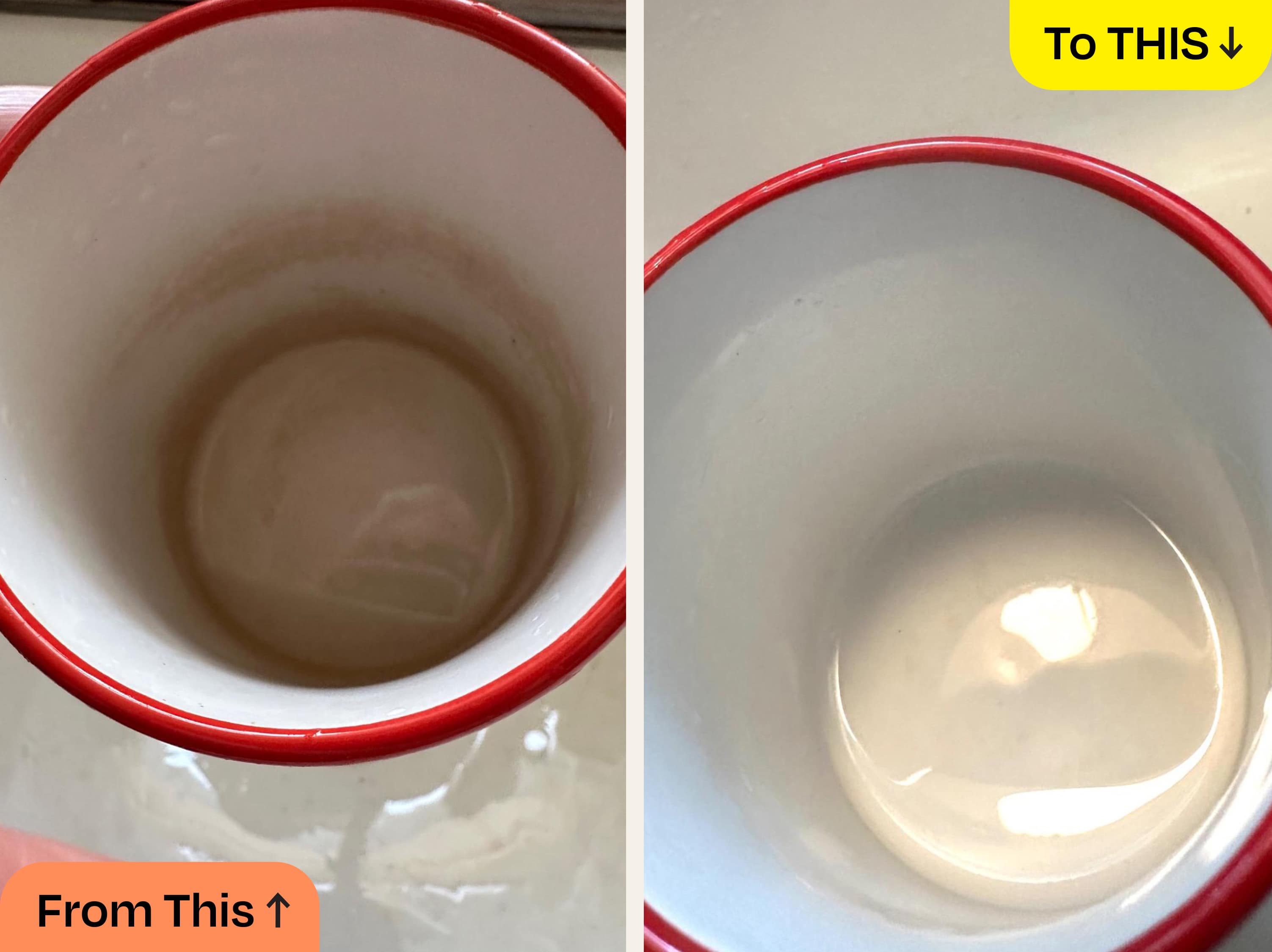
Credit: www.thekitchn.com
Tips For Different Cup Materials
Tea stains can be stubborn and hard to remove from cups. Different materials need different cleaning methods. Using the right approach keeps your cups clean and undamaged.
Below are simple tips for cleaning tea stains from ceramic, glass, and stainless steel cups. Follow these suggestions to restore your cups.
Ceramic Cups
Ceramic cups are common and often have a glaze that can scratch easily. Use gentle cleaners and avoid harsh scrubbing to keep them safe.
- Fill the cup with warm water and add a teaspoon of baking soda.
- Let it sit for 15 minutes before scrubbing with a soft sponge.
- Use a paste of baking soda and water for tougher stains.
- Rinse well with warm water after cleaning.
Glass Cups
Glass cups show stains clearly but are easy to clean. Avoid using abrasive materials that can cause scratches.
| Cleaning Method | Instructions |
| Vinegar Soak | Fill cup with equal parts vinegar and water. Soak 30 minutes. Rinse. |
| Baking Soda Scrub | Make a paste with baking soda and water. Gently scrub stains. Rinse well. |
| Lemon Juice | Rub lemon juice on stains. Let sit 10 minutes. Wash and dry. |
Stainless Steel Mugs
Stainless steel mugs resist stains but tea can leave marks. Use mild acids and soft cloths to clean without damage.
Try this easy method for stainless steel mugs:
- Fill the mug with hot water and add 2 tablespoons of white vinegar.
- Let it soak for 1 hour.
- Pour out the solution and scrub gently with a soft brush.
- Rinse thoroughly and dry with a clean cloth.
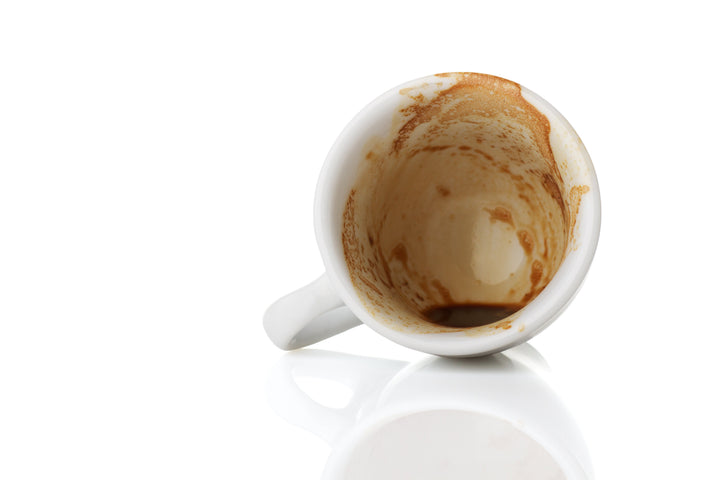
Credit: nelsonwashonline.co.uk
Frequently Asked Questions
What Removes Tea Stains From Cups?
To remove tea stains from cups, use a mixture of baking soda and water. Gently scrub the stained area with a paste made from these two ingredients. Rinse thoroughly with warm water. This method is effective and safe for most cup materials, leaving them clean and stain-free.
Can Vinegar Clean Tea Stains Effectively?
Yes, vinegar can effectively clean tea stains. Simply soak the stained cup in a mixture of equal parts vinegar and water for about 15 minutes. Scrub gently with a sponge or cloth, then rinse thoroughly. This natural solution helps dissolve stains, restoring your cup’s original appearance.
Are Commercial Cleaners Safe For Tea Stains?
Commercial cleaners are generally safe for removing tea stains. However, ensure they are suitable for your cup’s material. Follow the instructions carefully, and rinse the cup thoroughly after use. This ensures that no residue remains, maintaining the cup’s safety for future use.
Is Baking Soda Safe On All Cup Materials?
Baking soda is safe for most cup materials, including ceramic and glass. However, avoid using it on delicate or antique items without testing a small area first. Its gentle abrasive nature effectively removes stains without damaging the surface, making it a versatile cleaning option.
Conclusion
Tea stains do not have to stay on your cups. Simple household items can clean them easily. Try baking soda, vinegar, or lemon juice. Rub gently, rinse well, and see the difference. Regular cleaning keeps cups fresh and stain-free. Clean cups make your tea taste better.
Small efforts save money and keep your cups nice. Give these tips a try and enjoy spotless cups every day.