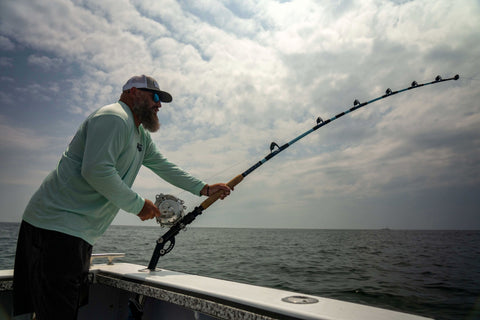
Are you ready to catch your first big fish? The way you hold your fishing rod can make all the difference between a successful catch and a frustrating day by the water.
If you’re not sure how to grip your rod properly, you might miss out on the excitement and thrill of reeling in a fish. You’ll discover simple tips to hold your fishing rod with confidence and control. Keep reading to learn the secrets that experienced anglers use to make every cast count.
Your next fishing adventure starts here!

Credit: fishingbooker.com
Choosing The Right Rod
Choosing the right fishing rod is important for a good experience. The rod you pick affects how you hold it and how well you fish.
There are many types of rods and styles to match your fishing needs. Knowing these helps you select the best rod for your trips.
Types Of Fishing Rods
Fishing rods come in many shapes and sizes. Each type suits a specific kind of fishing. Here are common types:
- Spinning Rods: Good for beginners and light lures.
- Baitcasting Rods: Used for heavier baits and precise casting.
- Fly Rods: Designed for fly fishing with lightweight flies.
- Trolling Rods: Made for fishing from a moving boat.
- Surf Rods: Long rods for casting from the shore.
Matching Rod To Fishing Style
| Fishing Style | Best Rod Type | Rod Features |
|---|---|---|
| Freshwater Casting | Spinning Rod | Light, flexible, easy to use |
| Heavy Bass Fishing | Baitcasting Rod | Strong, accurate casting, handles heavy lures |
| Fly Fishing | Fly Rod | Long, flexible, designed for casting flies |
| Boat Trolling | Trolling Rod | Durable, medium to heavy power |
| Surf Fishing | Surf Rod | Very long, strong for casting far |

Credit: fishingbooker.com
Basic Grip Techniques
Holding a fishing rod correctly helps you cast better and control the line. Different grips suit different fishing styles and situations.
Here are three common ways to hold a fishing rod. Each grip gives you a different feel and control level.
The Palm Grip
The palm grip means resting the rod handle in your palm. Your fingers wrap around the handle loosely. This grip is good for light fishing and easy casting.
This grip lets you feel the rod’s movements well. It also reduces hand fatigue during long fishing sessions.
The Pencil Grip
The pencil grip uses your thumb and fingers like holding a pencil. You hold the rod handle near the reel with a light but firm touch. This grip works well for quick, precise casts.
- Hold the rod close to the reel seat
- Use thumb and first two fingers
- Keep grip relaxed to avoid tension
- Good for small, light rods
The Overhand Grip
The overhand grip places your hand over the rod handle, covering it completely. Your thumb rests on top, and your fingers wrap underneath. This grip gives strong control for heavy rods and big fish.
| Grip Type | Best For | Control Level |
| Palm Grip | Light fishing, long sessions | Moderate |
| Pencil Grip | Quick, precise casts | High |
| Overhand Grip | Heavy rods, strong fish | Strong |
Hand Placement Tips
Knowing how to hold a fishing rod is crucial for comfort and success. Your hands play a key role in this. Let’s explore some tips to improve your hand placement.
Proper hand placement can enhance your control over the fishing rod. This can make casting and reeling more efficient.
Positioning Your Dominant Hand
Your dominant hand is essential for controlling the rod’s movement. Place it on the handle firmly but not too tight. This grip should allow you to maneuver the rod easily.
- Ensure your thumb is on top of the rod.
- Keep your fingers wrapped around the handle.
- Maintain a relaxed grip to avoid fatigue.
Supporting Hand Role
Your supporting hand balances the rod and helps in casting. It should be placed below the reel. This position aids in stabilizing the rod during action.
| Hand Position | Purpose |
| Below the reel | Stability |
| Near the butt end | Support |
| Firm but gentle | Comfort |
Adjusting For Casting And Reeling
Switching between casting and reeling requires minor adjustments in hand placement. Ensure your grip allows for swift transitions.
Casting Grip Variations
Holding a fishing rod correctly helps you cast better. There are different grips for different types of rods.
This guide explains two common casting grip variations. Each grip suits a specific rod style.
Spinning Rod Grip
A spinning rod grip uses the fingers to hold the rod just above the reel. Your palm faces the rod blank.
Hold the rod with your thumb on top and fingers wrapped around it. Keep your wrist relaxed for smooth casting.
- Use your index finger to control the line during the cast
- Place your other hand near the reel for support
- Keep your grip firm but not too tight
Baitcasting Rod Grip
A baitcasting rod grip requires holding the rod handle with your palm facing down. Your thumb rests on top of the reel.
Wrap your fingers around the handle with your index finger near the reel seat. This grip gives better control and power.
- Keep your thumb ready to press the spool and control the line
- Hold the rod firmly with your whole hand
- Adjust your grip to avoid fatigue during long casts
Common Mistakes To Avoid
Holding a fishing rod correctly helps you fish better. Many beginners make simple mistakes. These mistakes can cause discomfort and reduce control.
Knowing what to avoid will improve your fishing experience. Here are common errors to watch out for when holding your rod.
Grip Too Tight
Holding the rod too tightly can make your hand tired fast. It also reduces your ability to feel bites on the line.
A relaxed grip helps you react faster and fish longer without pain.
- Tight grip causes hand cramps
- Reduces sensitivity to fish bites
- Makes casting less smooth
- Leads to quick fatigue
Incorrect Hand Position
Placing your hands in the wrong spot can cause poor rod control. It can make casting harder and less accurate.
Your dominant hand should hold the rod handle near the reel. The other hand supports the rod further up for balance.
- Dominant hand near reel for control
- Other hand supports rod for balance
- Keep hands comfortable and stable
- Avoid holding too close or too far apart
Ignoring Comfort And Control
Comfort is key to fishing longer and better. Ignoring it can cause pain in your hands and arms.
Good control means you can cast and reel smoothly. Adjust your grip and hand position until it feels natural.
- Find a grip that feels relaxed
- Adjust hand position for better balance
- Take breaks if your hands hurt
- Practice to improve comfort and control
Improving Grip Strength
Holding a fishing rod well needs strong hands. Strong grip helps you control the rod better and fish longer. You can improve grip strength with simple exercises and tools.
Building hand strength also reduces hand fatigue. This helps you enjoy fishing without pain or slipping. Let’s look at some ways to make your grip stronger.
Exercises For Hand Strength
Simple exercises can help your hands get stronger. Try these moves to build finger and wrist power for better fishing grip.
- Finger Squeezes:Squeeze a soft ball with your fingers. Hold for 5 seconds and release.
- Wrist Curls:Use a light weight or water bottle. Curl your wrist up and down slowly.
- Finger Lifts:Place your hand flat on a table. Lift each finger one by one.
- Thumb Opposition:Touch your thumb to each fingertip. Repeat 10 times.
Using Grip Trainers
Grip trainers are small tools made for hand strength. They help you train your fingers and palm muscles. You can use them anytime to improve your grip.
| Type of Trainer | Use | Benefit |
| Hand Gripper | Squeeze handles together | Builds overall grip strength |
| Finger Extender | Stretch fingers apart | Improves finger flexibility |
| Stress Ball | Squeeze repeatedly | Strengthens fingers and palm |
| Grip Rings | Press and release | Enhances finger endurance |
Adjusting Grip For Different Conditions
Holding a fishing rod correctly changes with the weather and conditions. Your grip must be steady and safe to catch fish well.
Different situations call for changes in how you hold the rod. This keeps you comfortable and in control.
Wet Or Slippery Hands
Wet or slippery hands make it hard to keep a good hold on the rod. You need a grip that stops the rod from slipping.
- Use a rod handle with a textured or rubber grip for better hold.
- Keep a small towel handy to dry your hands often.
- Apply grip-enhancing gloves made for fishing.
- Hold the rod firmly but not too tight to avoid hand fatigue.
- Adjust finger placement to wrap around the rod securely.
Cold Weather Tips
Cold weather makes your hands stiff and less sensitive. You need to hold the rod in ways that keep your hands warm and strong.
| Tip | How It Helps |
| Wear insulated gloves | Keeps hands warm and flexible |
| Use a thicker grip handle | Provides better control with gloves |
| Hold rod closer to your body | Reduces arm strain and keeps warmth |
| Use fingerless gloves or cut fingertips | Improves finger movement and sensitivity |
| Keep hands moving between casts | Prevents stiffness and improves grip |

Credit: fishingbooker.com
Frequently Asked Questions
How Do You Properly Grip A Fishing Rod?
Hold the fishing rod with your dominant hand around the handle. Place your thumb on top for control and wrap your fingers firmly but comfortably around the grip. This grip ensures better casting accuracy and reduces hand fatigue during fishing.
Where Should Your Hands Be On A Fishing Rod?
One hand should grip the handle near the reel, while the other supports the rod farther up. This balanced hold improves rod control and stability, making casting and reeling in fish easier and more efficient.
How To Hold A Fishing Rod For Casting?
Hold the rod at a 45-degree angle with a firm grip. Use your dominant hand to control the rod and the other to release the line smoothly. This technique helps achieve longer and more accurate casts.
Can Holding A Fishing Rod Incorrectly Cause Problems?
Yes, improper grip can lead to poor casting, reduced control, and hand fatigue. It may also increase the chance of losing fish. Proper hand placement ensures comfort and effective fishing performance.
Conclusion
Holding a fishing rod properly makes fishing more fun and effective. Keep your grip firm but relaxed to avoid fatigue. Use your dominant hand near the reel for better control. Support the rod with your other hand to balance it well.
Practice these steps often to feel comfortable and confident. Small changes can improve your catch chances. Enjoy your time by the water with the right rod hold. Fishing becomes easier when you hold the rod correctly. Give it a try on your next trip!