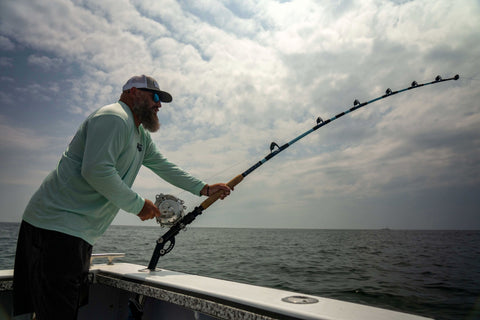
Holding a fishing rod might seem simple, but doing it the right way can make a big difference in your fishing success. Have you ever felt your arm getting tired quickly or missed a catch because your grip wasn’t quite right?
You’re not alone. Learning how to hold your fishing rod properly helps you cast farther, control your line better, and reel in fish with ease. Keep reading, and you’ll discover easy tips that will make your fishing experience more comfortable and enjoyable from the very first cast.

Credit: fishingbooker.com
Choosing The Right Rod
Picking the right fishing rod helps you catch fish easier. The rod you choose depends on the type of fishing you want to do.
This guide explains different rods, matching rods to fish species, and what rod length and weight to consider.
Types Of Fishing Rods
Fishing rods come in many types. Each type fits a specific fishing style and skill level. Knowing these helps you pick the best rod.
- Spinning Rods: Good for beginners and light fishing.
- Baitcasting Rods: Offer control for experienced anglers.
- Fly Rods: Used for fly fishing with light lures.
- Trolling Rods: Made for deep water and big fish.
- Ice Fishing Rods: Short rods for fishing through ice holes.
Matching Rod To Fish Species
The size and power of the fish affect your rod choice. Stronger fish need heavier rods, while small fish need light rods.
| Fish Species | Recommended Rod Power | Rod Action |
|---|---|---|
| Trout | Light | Fast |
| Bass | Medium | Medium-Fast |
| Salmon | Medium-Heavy | Fast |
| Catfish | Heavy | Slow |
| Tuna | Extra Heavy | Fast |
Considering Rod Length And Weight
Rod length affects casting distance and control. Weight affects how long you can fish without feeling tired.
- Use shorter rods (5-7 feet) for close fishing and better control.
- Use longer rods (8-12 feet) to cast far and cover more water.
- Light rods are easier to handle for beginners and small fish.
- Heavy rods help catch big fish but can be tiring to use.

Credit: fishingbooker.com
Basic Grip Techniques
Holding a fishing rod correctly helps you cast and reel better. Good grip techniques make fishing easier and more fun.
Learn how to hold the rod with comfort and control. This guide explains simple ways to grip your fishing rod.
The Classic Hold
The classic hold is the most common way to hold a fishing rod. It keeps the rod steady and ready for action.
Place your dominant hand below the reel and your other hand near the rod’s end. This gives good balance.
Palm And Finger Placement
Use your palm to support the rod’s handle. Your fingers should wrap around it firmly but not tightly.
Keep your thumb along the top of the rod. This helps you control the rod and feel the fish biting.
- Palm rests on the rod handle
- Fingers wrap around the handle
- Thumb lies on top for control
Maintaining A Relaxed Grip
Hold the rod with a relaxed grip to avoid hand fatigue. Tight grips cause cramps and reduce sensitivity.
Check your grip often. Loosen your fingers if you feel tension. A loose grip helps you react faster to fish.
Advanced Holding Tips
Holding a fishing rod correctly helps improve your fishing skills. It gives you better control and comfort.
This guide shares advanced tips to hold your rod for casting, control, and sensitivity.
Adjusting Grip For Casting
Change your grip to match the type of cast you want to make. A lighter grip helps for smooth casts.
Hold the rod with your thumb on top to guide the cast. Keep your wrist relaxed to avoid tension.
- Use a firm but not tight grip
- Place your thumb on the rod handle’s flat side
- Keep your wrist loose for better rod movement
- Adjust pressure based on cast distance
Grip Variations For Different Reels
Different reels need different grips to work best. Spinning reels require a different hold than baitcasting reels.
For spinning reels, hold the rod below the reel seat. For baitcasting reels, hold above the reel seat.
| Reel Type | Grip Position | Hand Placement |
|---|---|---|
| Spinning Reel | Below reel seat | Support rod with fingers under handle |
| Baitcasting Reel | Above reel seat | Hold rod with thumb on top for control |
| Fly Reel | Near reel seat | Use a light grip for sensitive feedback |
Holding For Better Control And Sensitivity
Hold the rod closer to the reel for more control. This helps when fighting strong fish.
Use your fingertips, not the palm, to feel bites better. A relaxed grip improves sensitivity.
- Hold rod with fingertips near reel seat
- Keep grip relaxed but steady
- Use your thumb to feel rod vibrations
- Shift grip slightly to adjust sensitivity

Credit: fishingbooker.com
Common Mistakes To Avoid
Holding a fishing rod the right way makes a big difference. Many beginners make simple mistakes. These errors can hurt your fishing experience and cause discomfort.
Learn what to avoid to improve your technique and enjoy fishing more. Here are common mistakes with holding a fishing rod.
Too Tight Or Too Loose Grip
Gripping the rod too tight causes hand cramps and reduces control. Holding it too loose can make the rod slip and lose sensitivity to bites.
- Too tight grip tires your hand quickly.
- Too loose grip lowers your control over the rod.
- Find a firm but relaxed hold.
- Adjust grip pressure during casting and reeling.
Incorrect Hand Positioning
Wrong hand placement can cause poor balance and weak casts. Your dominant hand should hold the rod near the reel. The other hand supports the rod further up.
| Hand | Position | Common Mistake |
| Dominant | Near reel seat | Too far from reel, reduces control |
| Support | Above dominant hand on rod | Too low or too high, affects balance |
Neglecting Wrist Movement
Keeping your wrist stiff limits casting power and accuracy. A flexible wrist helps guide the rod smoothly. It also reduces strain during long fishing sessions.
Tips for wrist movement:
- Keep wrist relaxed during casting.
- Use wrist motion to control rod tip direction.
- Avoid locking the wrist to prevent injury.
Improving Grip Strength
Holding a fishing rod firmly helps you catch fish better. Strong hands and wrists make it easier to keep control. This guide shares ways to improve your grip strength for fishing.
Using exercises, warm-up tips, and the right tools can protect your hands and improve your hold. Read on to learn simple methods for better grip strength.
Exercises For Hand And Wrist
Regular exercises help build the muscles you use to hold a fishing rod. Try these simple moves to make your grip stronger.
- Squeeze a soft ball tightly for 5 seconds, then release. Repeat 10 times.
- Stretch your fingers wide open and hold for 5 seconds. Repeat 10 times.
- Use a wrist roller tool to lift and lower a weight slowly.
- Twist a towel with both hands to work wrist muscles.
- Do wrist curls with light dumbbells to build wrist strength.
Warm-up Tips Before Fishing
Warming up your hands and wrists before fishing helps avoid strain and improves your grip. Try these warm-up steps before you start.
- Shake your hands gently to increase blood flow.
- Rotate your wrists slowly in circles, ten times each way.
- Open and close your fists rapidly for 15 seconds.
- Stretch each finger back gently with the opposite hand.
- Squeeze and release a stress ball for 30 seconds.
Tools To Enhance Grip
Some tools can help you hold your fishing rod better. They reduce slipping and make your grip more comfortable.
| Tool | Purpose |
| Grip Tape | Increases friction on the rod handle |
| Gloves | Protects hands and improves grip in wet conditions |
| Grip Strengthener | Exercise tool to build hand muscles |
| Rod Handle Covers | Provides softer, non-slip surface |
Grip Tips For Different Fishing Styles
Holding a fishing rod correctly helps you fish better. Different fishing styles need different grips.
Using the right grip reduces hand fatigue and improves control. Learn how to hold rods for each style.
Fly Fishing Grip
Fly fishing rods are light and flexible. Hold the rod with a relaxed but firm grip.
Place your thumb on top of the rod handle. Wrap your fingers gently around the cork grip.
- Keep your wrist loose for smooth casting
- Use your thumb to control the line
- Avoid gripping too tight to reduce strain
Spinning Rod Hold
Spinning rods have a reel below the rod. Hold the handle with your dominant hand.
Wrap your fingers around the handle. Place your index finger along the rod for better control.
- Keep the reel seated firmly in your palm
- Use your index finger to feel the line tension
- Hold the rod near the reel for balance
Baitcasting Rod Grip
Baitcasting rods have a reel on top. Grip the handle with your thumb on the spool.
Hold the rod with your dominant hand. Use your thumb to control the spool during casting.
- Place your thumb lightly on the spool to stop backlash
- Wrap your fingers around the handle firmly
- Keep your wrist steady for accurate casts
Frequently Asked Questions
How Do Beginners Hold A Fishing Rod?
Beginners should grip the rod handle firmly but not too tight. Place your thumb on top and fingers underneath. Ensure the reel is facing upwards and maintain a relaxed grip. This position provides better control and reduces fatigue, making it easier to cast and reel in fish.
What Is The Correct Way To Cast A Fishing Rod?
Hold the rod at a 45-degree angle. Use your wrist to flick the rod forward while releasing the line. Timing is crucial for a smooth cast. Practice helps improve accuracy and distance. Keep your movements fluid to ensure the bait lands where you intend.
How Should I Hold A Fishing Rod For Casting Accuracy?
Grip the rod with your dominant hand and use the other to stabilize. Align your body with the target. Focus on a fluid motion and consistent release point. Practice improves accuracy and helps you adjust for wind or current conditions.
Why Is Rod Grip Important In Fishing?
Proper grip ensures control, comfort, and reduces fatigue. It enhances casting accuracy and reeling efficiency. An incorrect grip can lead to discomfort or losing fish. Adjust your grip based on rod type, conditions, and personal preference for optimal performance.
Conclusion
Holding a fishing rod correctly makes fishing more fun and effective. Keep your grip firm but relaxed. Use both hands to balance the rod well. Practice casting gently to get better control. Remember, patience helps you learn faster. Enjoy the calm and quiet moments by the water.
Each fishing trip teaches something new. Keep trying and soon it will feel natural. Fishing is about enjoying time outdoors and catching fish. Keep these tips in mind for your next adventure.