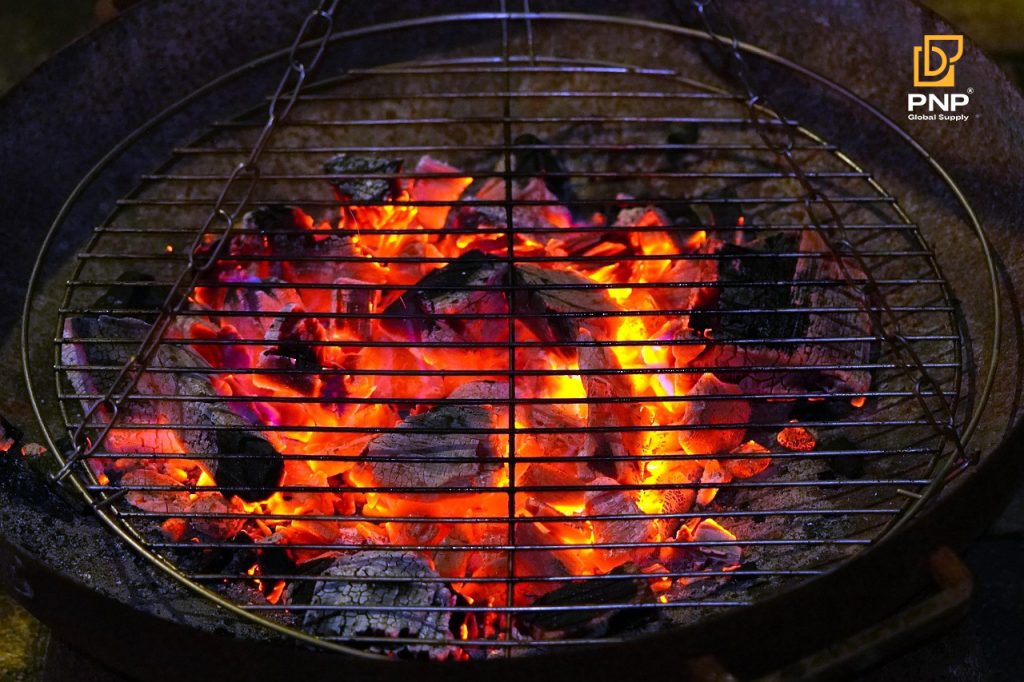
Are you tired of your charcoal grill losing heat just when your food needs it the most? Keeping your grill hot can be tricky, but it’s the key to cooking delicious meals every time.
Imagine perfectly seared steaks and juicy burgers, all cooked evenly without the frustration of cold spots or dying coals. You’ll discover simple, proven techniques that make your charcoal grill stay hot longer and burn more efficiently. Ready to become the grill master your friends admire?
Let’s dive in and unlock the secrets to keeping your charcoal grill blazing hot!
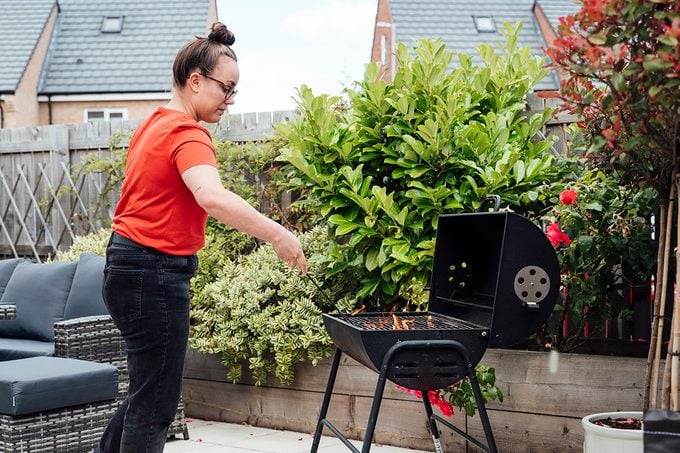
Credit: www.tasteofhome.com
Choosing The Right Charcoal
Keeping a charcoal grill hot depends a lot on the charcoal you pick. Good charcoal burns longer and keeps steady heat.
Choosing the right type and quality of charcoal helps you cook better and enjoy your grilling time.
Types Of Charcoal
There are different kinds of charcoal for grilling. Each type burns differently and gives off various heat levels.
- Charcoal Briquettes:Made from compressed wood and other materials. They burn evenly and last long.
- Lump Charcoal:Made from pure wood chunks. Burns hotter and faster than briquettes.
- Instant Light Charcoal:Contains chemicals for easy lighting. Good for quick grilling but may affect taste.
Quality Matters
High-quality charcoal gives steady heat and less ash. Low-quality charcoal can burn out fast and leave a mess.
Look for charcoal with few fillers and no chemicals. Natural charcoal helps keep your grill hot longer.
- Check if the charcoal is dry and hard
- Avoid charcoal with too many dust and small pieces
- Choose brands known for consistent quality
Setting Up Your Grill
Keeping a charcoal grill hot starts with the right setup. Preparing your grill well helps you cook food evenly and control the heat.
Two key parts of setting up your grill are arranging the charcoal and using a chimney starter. These steps make lighting the grill easier and keep it hot longer.
Arranging The Charcoal
How you place the charcoal affects the heat and cooking time. Different arrangements create different heat zones for grilling.
- Direct heat:Spread charcoal in an even layer for high heat cooking.
- Two-zone fire:Pile charcoal on one side for hot and cool zones.
- Snake method:Arrange charcoal in a semicircle to burn slowly over time.
Using The Chimney Starter
A chimney starter helps light charcoal quickly and evenly without lighter fluid. It uses air flow to get the coals burning fast.
| Chimney Starter Step | Description |
| Fill the chimney | Place charcoal inside the metal cylinder. |
| Add fire starter | Put crumpled newspaper or natural fire starters under the chimney. |
| Light fire starter | Ignite the newspaper through the holes at the bottom. |
| Wait | Let coals heat until covered with gray ash (about 10-15 minutes). |
| Pour coals | Empty hot coals into the grill for cooking. |
Controlling Airflow
Keeping a charcoal grill hot requires proper airflow control. Airflow controls the temperature inside the grill.
Adjusting the vents and maintaining oxygen levels are key. These actions help keep the fire burning steadily.
Adjusting Vents
Vents control how much air enters the grill. Opening them increases the heat. Closing them reduces it.
Adjust vents depending on the cooking needs. More air makes the fire hotter and less slows it down.
- Open vents for high heat
- Close vents for low heat
- Keep vents halfway for medium heat
Maintaining Oxygen Levels
Oxygen is vital for keeping the charcoal burning. Ensure there is enough oxygen flow to maintain heat.
A blocked grill can starve the fire of oxygen. Clean ash and debris to keep the airflow steady.
| Action | Effect |
| Remove ash | Improves airflow |
| Clear debris | Ensures oxygen supply |

Credit: ddrbbqsupply.com
Managing Heat Zones
Keeping a charcoal grill hot and ready requires managing heat zones carefully. Heat zones help cook different foods at the right temperature.
Understanding how to set direct and indirect heat zones lets you control the grill’s temperature better. This skill improves your cooking results.
Direct Vs Indirect Heat
Direct heat means placing food right above the charcoal. This method cooks food fast and gives a nice sear.
Indirect heat means placing food away from the charcoal. It cooks food slower and is good for larger or tougher cuts.
- Use direct heat for steaks, burgers, and vegetables.
- Use indirect heat for chicken, ribs, and roasts.
- Move food between zones to avoid burning.
- Close the lid to keep heat steady.
Creating Temperature Zones
Creating zones means arranging charcoal in different ways to get varied temperatures on your grill. You can have hot, medium, and cool spots.
| Zone | Charcoal Setup | Best For |
|---|---|---|
| Hot Zone | Charcoal piled thickly | Searing steaks, quick cooking |
| Medium Zone | Moderate charcoal spread | Grilling chicken, vegetables |
| Cool Zone | Few or no coals | Slow cooking, warming |
Use a grill thermometer to check the zones. Adjust charcoal or vents to keep temperatures steady.
Adding More Charcoal
Keeping a charcoal grill hot means knowing when and how to add more charcoal. Adding coals at the right time keeps the heat steady.
Adding coals safely helps avoid accidents and keeps your food cooking evenly.
When To Replenish
You should add more charcoal when the fire starts to die down or the heat lowers. Look for these signs:
- Coals turning mostly gray with little red glow
- Temperature falling below the desired cooking level
- Cooking taking longer than usual
- Flames reducing or going out
How To Add New Coals Safely
Follow safety steps to add coals without burns or flare-ups. Prepare fresh charcoal and wear heat-resistant gloves.
- Open the grill lid slightly to reduce smoke and heat buildup.
- Use tongs to place new charcoal along the edges of the existing coals.
- Avoid adding too many coals at once to prevent temperature spikes.
- Close the lid and let the new coals heat up before cooking continues.
- Keep a spray bottle of water nearby for small flare-ups.
| Safety Tip | Reason |
| Wear heat-resistant gloves | Protect your hands from burns |
| Use long tongs | Keep distance from hot coals |
| Add coals slowly | Prevent sudden flare-ups |
| Open lid slightly | Let smoke escape safely |
Using Grill Accessories
Keeping a charcoal grill hot is important for cooking food evenly. Using the right accessories can help maintain heat longer.
Grill accessories like heat deflectors and covers protect the grill and improve heat retention. These tools make grilling easier.
Heat Deflectors
Heat deflectors block direct flames from reaching the food. They spread heat evenly inside the grill.
Using heat deflectors helps avoid burning and keeps the grill temperature steady for longer times.
- Place heat deflectors above the charcoal to control flames
- Use ceramic or metal deflectors for better heat distribution
- They help cook food slower and more evenly
Grill Covers And Shields
Grill covers keep heat inside the grill by blocking wind and cold air. They help the charcoal burn longer.
Shields can protect the grill from outside elements and keep the temperature steady during cooking.
- Use a tight grill cover to keep heat from escaping
- Wind shields protect the grill from cold gusts
- Both help maintain a hot cooking surface
Maintaining Consistent Temperature
Keeping a charcoal grill hot is key to cooking food evenly. Consistent heat helps avoid undercooked or burnt spots. It takes some care and attention to keep the temperature steady.
Using tools and adjusting the grill based on weather can keep your fire strong. Let’s look at some ways to maintain the heat well.
Monitoring With Thermometers
A thermometer helps you check the grill’s temperature without opening the lid. This keeps heat from escaping. Some grills have built-in thermometers, but a separate one can be more accurate.
- Place the thermometer near the cooking area for best readings.
- Check the temperature often to catch changes early.
- Use a digital thermometer for quick and clear readings.
- Adjust the vents if the temperature is too low or high.
Adjusting For Wind And Weather
Wind and weather affect how hot your grill stays. Wind can cool the coals or blow ashes. Rain can lower the temperature quickly. Knowing how to adjust helps keep the fire steady.
| Weather Condition | Adjustment Tip | Result |
| Windy | Close vents slightly, shield grill with windbreak | Prevents heat loss and ash blowout |
| Rainy | Use grill cover or move to sheltered spot | Keeps coals dry and hot |
| Cold | Add extra charcoal, keep lid closed | Maintains higher temperature |

Credit: ddrbbqsupply.com
Cleaning And Maintenance Tips
Keeping your charcoal grill hot depends a lot on cleaning and maintenance. Dirt and ash can block air flow. This makes it hard to keep steady heat.
Regular care helps your grill last longer. It also makes cooking safer and more enjoyable.
Removing Ash
Removing ash after each use keeps your grill working well. Ash blocks air vents and cools down the charcoal. Clean ash often to keep good airflow.
- Wait until the grill is completely cool before cleaning.
- Use a small shovel or scoop to remove the ash from the firebox.
- Dispose of ash safely in a metal container to avoid fire risk.
- Check and clear vents to keep air flowing freely.
Keeping Grates Clean
Clean grates make cooking easier and keep food tasting good. Dirt and grease buildup can cause flare-ups and uneven heat.
| Cleaning Method | Frequency | Tools Needed |
|---|---|---|
| Brush grates with a wire brush | Before and after each use | Wire grill brush |
| Soak grates in warm soapy water | Once a month | Bucket, dish soap, sponge |
| Apply cooking oil to prevent rust | After cleaning | Paper towel, cooking oil |
Frequently Asked Questions
How Do You Maintain Consistent Heat On A Charcoal Grill?
To maintain consistent heat, arrange charcoal evenly and use a two-zone fire setup. Adjust air vents to control airflow. Keep the lid closed to retain heat and add charcoal gradually to sustain temperature without flare-ups.
What Is The Best Charcoal For Keeping Grill Hot?
Lump charcoal burns hotter and longer than briquettes, making it ideal for high heat. Use natural, additive-free charcoal for cleaner burn. Combine lump charcoal with briquettes for steady, long-lasting heat and better temperature control during grilling.
How Do Air Vents Affect Charcoal Grill Temperature?
Air vents control oxygen flow, which directly affects charcoal burning speed. Opening vents increases heat by allowing more oxygen. Closing vents reduces heat by limiting airflow. Adjust vents gradually to maintain your desired grill temperature.
Can Adding Charcoal Mid-cook Keep The Grill Hot?
Yes, adding lit charcoal mid-cook helps maintain high heat. Pre-light new coals in a chimney starter before adding them to the grill. This prevents temperature drops and ensures continuous, even cooking throughout your grilling session.
Conclusion
Keeping a charcoal grill hot takes some care and attention. Control the air vents to manage the heat well. Use the right amount of charcoal and spread it evenly. Avoid opening the lid too often to keep the temperature steady.
You can add more charcoal when needed to keep the fire strong. These simple steps help your grill stay hot for a great cookout. Enjoy delicious food cooked just right every time.