Are tent caterpillars taking over your trees and garden? You’re not alone, and the good news is you can stop them before they cause serious damage.
These pesky insects might seem small, but they can quickly destroy leaves and weaken your plants. If you want to protect your greenery and keep your yard looking its best, you need effective ways to kill tent caterpillars fast. Keep reading to discover simple, proven methods that anyone can use to get rid of these unwelcome guests for good.
Your garden will thank you!
Identifying Tent Caterpillars
Tent caterpillars are common insects that can damage trees. Knowing how to spot them helps protect your plants.
These caterpillars build web-like tents in tree branches. Early identification stops bigger problems.
Physical Characteristics
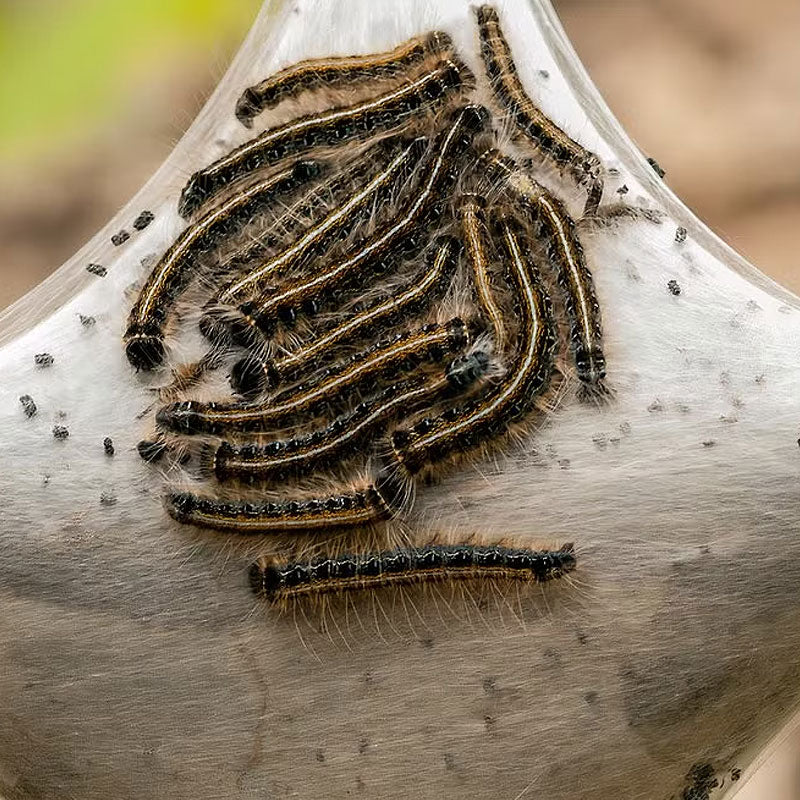
Tent caterpillars are small, fuzzy insects with distinct markings. Their bodies are usually hairy and colorful.
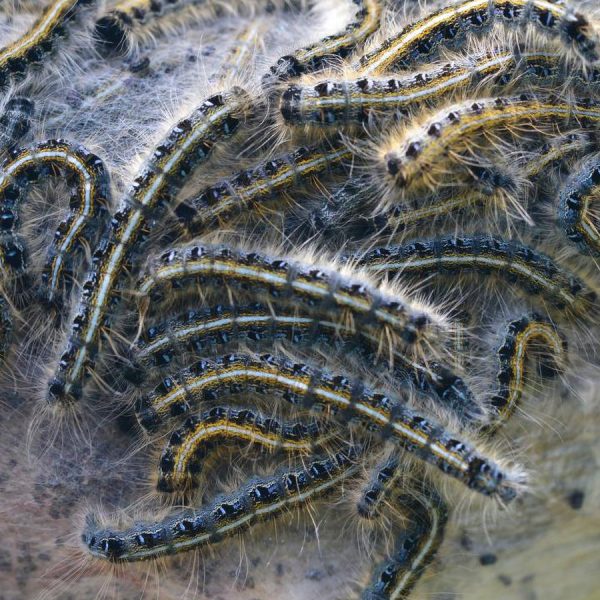
They have a dark brown or black body with white stripes down the back. Some have blue or orange spots along their sides.
- Length: about 2 inches when fully grown
- Color: dark with white and sometimes blue or orange marks
- Hair: fine and fuzzy covering the body
- Head: reddish-brown or black with small antennae
Common Habitats
Tent caterpillars live mostly in deciduous trees. They prefer cherry, apple, and maple trees.
These insects build tents in forked branches of trees. They like sunny spots with plenty of leaves.
- Deciduous trees like cherry and apple
- Branches with forks for building tents
- Sunny areas with enough leaves for food
- Often found in orchards and gardens
Signs Of Infestation
Look for white silk tents on tree branches. These tents are usually the first sign of tent caterpillars.
Leaves near the tents may look eaten or damaged. You might also see small black droppings under the tree.
- White silk tents in tree forks
- Chewed or missing leaves near tents
- Small black droppings on leaves or ground
- Clusters of caterpillars inside tents

Credit: www.pubs.ext.vt.edu
Understanding Their Impact On Trees
Tent caterpillars are common pests that affect many types of trees. They build web-like tents and feed on leaves. Understanding how they harm trees helps us protect our plants.
This guide explains the damage they cause, the effects on tree health, and what long-term problems may occur. Knowing this helps in managing tent caterpillar infestations.
Damage To Foliage
Tent caterpillars eat large amounts of leaves. They often strip entire branches, leaving webs behind. This damage stops the tree from making enough food through photosynthesis.
- Leaves become skeletonized or completely eaten.
- Branches may look bare and weak.
- Web tents cover the leaves, blocking sunlight.
- New leaf growth slows down or stops.
Effects On Tree Health
When leaves are lost, trees use stored energy to survive. This stress weakens the tree. It may grow slower and become less able to resist other pests and diseases.
| Effect | Result |
| Leaf loss | Reduced food production |
| Energy use | Stored energy decreases |
| Growth | Slower or stunted |
| Disease risk | Increased susceptibility |
Long-term Consequences
Repeated tent caterpillar attacks can cause lasting harm. Trees may become weak and die if they cannot recover. This also changes the environment around the tree.
- Loss of tree branches over time
- Reduced fruit or flower production
- Higher chance of insect and fungal infections
- Possible death of young or weak trees
Natural Control Methods
Tent caterpillars can damage trees and plants if not controlled. Using natural methods helps protect your garden without chemicals.
These natural control methods focus on removing caterpillars, encouraging animals that eat them, and using safe repellents.
Manual Removal Techniques
Removing tent caterpillars by hand is a simple way to reduce their numbers. You can remove their silk tents and egg masses from trees.
- Pick off caterpillars and nests early in spring
- Use gloves to avoid skin irritation
- Drop caterpillars in soapy water to kill them
- Prune branches that have large nests
- Dispose of nests in sealed bags
Encouraging Predators
Many birds and insects eat tent caterpillars. Attracting these predators helps keep caterpillar populations low naturally.
| Predator | How to Attract |
| Birds (like chickadees) | Install bird feeders and birdhouses |
| Parasitic wasps | Plant flowers like dill and fennel |
| Spiders | Keep garden areas wild and full of plants |
| Ladybugs | Grow flowering plants to provide nectar |
Using Natural Repellents
Natural repellents can deter tent caterpillars without harming plants or animals. These sprays and solutions keep caterpillars away safely.
Common natural repellents include:
- Neem oil spray applied to tree leaves
- Garlic spray made from crushed garlic and water
- Soap sprays using mild liquid soap and water
- Essential oils like peppermint or eucalyptus diluted in water
Apply repellents early in the season for best results.
Chemical Treatments
Using chemical treatments can help control tent caterpillars effectively. These treatments target the pests while protecting your plants.
It is important to choose the right insecticide and apply it carefully. Safety should always come first during treatment.
Selecting The Right Insecticides
Pick insecticides that specifically work against tent caterpillars. Look for products containing Bacillus thuringiensis (Bt) or spinosad. These are effective and less harmful to beneficial insects.
- Bacillus thuringiensis (Bt) targets caterpillars only
- Spinosad is a natural insecticide safe for many plants
- Carbaryl and permethrin are chemical options but use with caution
- Always read the label for target pests and plant safety
Application Tips
| Tip | Details |
| Time of Day | Apply early morning or late evening to avoid sun damage |
| Coverage | Spray all leaves, branches, and egg masses thoroughly |
| Frequency | Repeat every 7–10 days until caterpillars disappear |
| Weather | Avoid spraying before rain to prevent washing off |
Safety Precautions
Follow these safety tips when using insecticides:
- Wear gloves, long sleeves, and eye protection.
- Keep children and pets away during and after spraying.
- Do not eat, drink, or smoke while handling chemicals.
- Store insecticides in a safe place out of reach.
- Dispose of empty containers according to local rules.
Preventive Measures
Controlling tent caterpillars starts with prevention. It is easier to stop them before they spread.
Use simple steps to keep your trees safe and reduce tent caterpillar problems.
Regular Monitoring
Check your trees often during spring and early summer. Look for egg masses or small caterpillars on branches.
- Inspect tree branches weekly
- Remove egg masses by hand
- Watch for webbing and caterpillar clusters
- Take action early to stop infestations
Tree Maintenance Practices
Healthy trees resist pests better. Proper care helps your trees fight off tent caterpillars.
| Practice | Benefit |
| Prune dead or weak branches | Removes places for egg laying |
| Water trees during dry spells | Keeps trees strong and less attractive |
| Apply mulch around tree base | Supports root health |
Creating A Hostile Environment
Make your yard less friendly for tent caterpillars with natural methods.
- Encourage birds that eat caterpillars
- Plant strong-smelling herbs nearby
- Remove weeds and brush where caterpillars hide
- Use sticky barriers on tree trunks
Credit: www.gardeningknowhow.com
When To Seek Professional Help
Dealing with tent caterpillars can be tricky. Some infestations are small and easy to manage. Others grow fast and need expert care.
Knowing when to call a professional can save your trees and prevent more damage. Here are key points to help you decide.
Assessing Infestation Severity
Check how many caterpillars are on your trees. Small groups can be removed by hand. Large groups spread quickly and cause harm.
- Look for large nests in tree branches
- Check if leaves are severely eaten
- Notice if tree growth slows down
- Watch for many caterpillars crawling around
Choosing An Arborist
Pick an arborist who knows about tent caterpillars. Ask about their experience and methods. A skilled arborist uses safe and effective treatments.
- Check for proper certification and licenses
- Ask for references or reviews from past clients
- Ensure they offer environmentally safe options
- Confirm they provide clear treatment plans
Evaluating Treatment Costs
| Type of Treatment | Estimated Cost Range | Effectiveness |
|---|---|---|
| Manual Removal | Low ($50 – $150) | Good for small infestations |
| Insecticidal Sprays | Medium ($150 – $400) | Effective but may need repeat treatments |
| Professional Tree Care | High ($400+) | Best for severe infestations |
Credit: urbanagcouncil.com
Frequently Asked Questions
How Can I Identify Tent Caterpillars On My Trees?
Tent caterpillars create noticeable silk tents in tree branches. They have hairy, striped bodies. Early detection helps control them before damage spreads.
What Natural Methods Kill Tent Caterpillars Effectively?
Natural controls include handpicking caterpillars and destroying their nests. Introducing beneficial insects like birds and parasitic wasps also reduces their population safely.
Are Chemical Pesticides Safe For Tent Caterpillar Control?
Yes, specific insecticides target tent caterpillars effectively. Use them carefully, following instructions to protect beneficial insects and avoid environmental harm.
When Is The Best Time To Remove Tent Caterpillars?
Early spring, when caterpillars are young, is ideal for removal. At this stage, they are easier to eliminate before causing extensive tree damage.
Conclusion
Controlling tent caterpillars helps protect your trees and garden. Removing egg masses early can reduce their numbers. Handpicking caterpillars is simple and effective. Natural predators like birds also help keep them in check. Using safe insecticides can work if needed.
Regular checks prevent heavy infestations. Keep your garden healthy to resist damage. Small actions make a big difference over time. Stay patient and consistent with your efforts. Your plants will thank you for the care.