Are tent caterpillars turning your beautiful trees into a messy, web-covered nightmare? You’re not alone, and the good news is, you don’t have to watch your garden suffer.
Knowing how to kill tent caterpillars quickly and safely can save your trees and restore your yard’s health. You’ll discover simple, effective ways to take control before these pests take over. Keep reading to protect your outdoor space and enjoy a pest-free season.
Identifying Tent Caterpillars
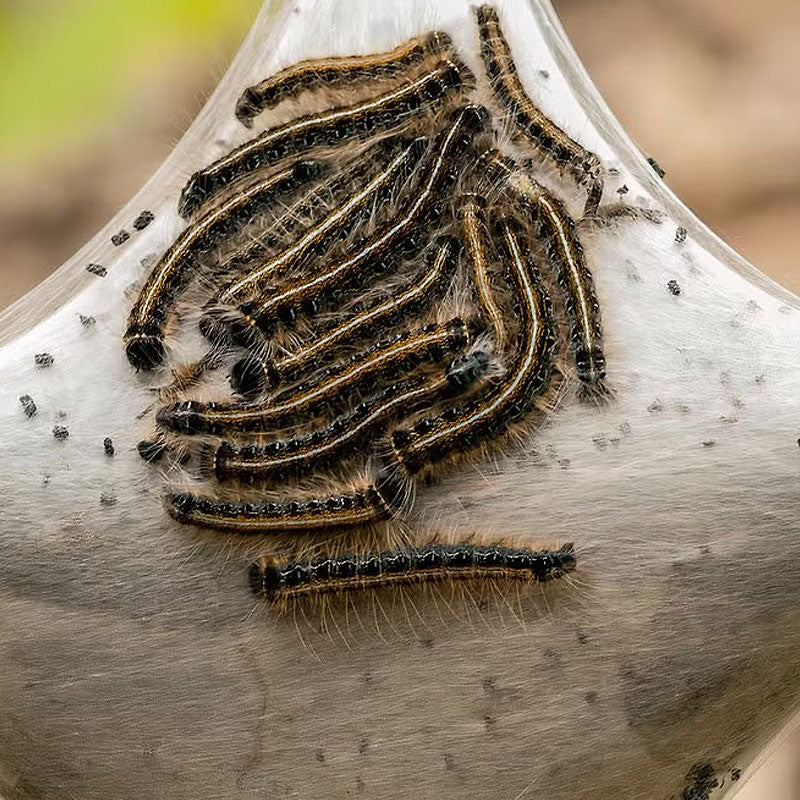
Tent caterpillars are common pests that can damage trees. Knowing how to spot them helps protect your plants. They build noticeable silk tents in tree branches.
Identifying these insects early can prevent large infestations. Below are key signs and features to recognize tent caterpillars.
Physical Features
Tent caterpillars have distinct markings and body shapes. They are hairy and medium-sized larvae.
- Their color ranges from light brown to black.
- They have a white stripe down the middle of their back.
- Blue and yellow spots appear along their sides.
- Their bodies are covered with fine hairs.
- Adult moths are reddish-brown with white spots on their wings.
Signs Of Infestation
Tent caterpillar infestations show clear symptoms on trees. These signs help identify the pest problem quickly.
| Sign | Description |
|---|---|
| Silk Tents | Large web-like nests in tree branches. |
| Defoliation | Leaves are eaten and stripped from branches. |
| Frass | Small dark droppings on leaves and ground. |
| Visible Caterpillars | Clusters of hairy caterpillars on trees. |
Common Host Trees
Tent caterpillars prefer certain types of trees. Knowing these helps you check likely places for infestation.
- Cherry trees
- Apple trees
- Maple trees
- Oak trees
- Crabapple trees

Credit: ca.news.yahoo.com
Natural Predators And Biological Control
Tent caterpillars can damage trees and plants. Using natural predators and biological control helps manage their numbers safely.
These methods protect the environment and reduce the need for chemicals.
Birds And Insects That Help
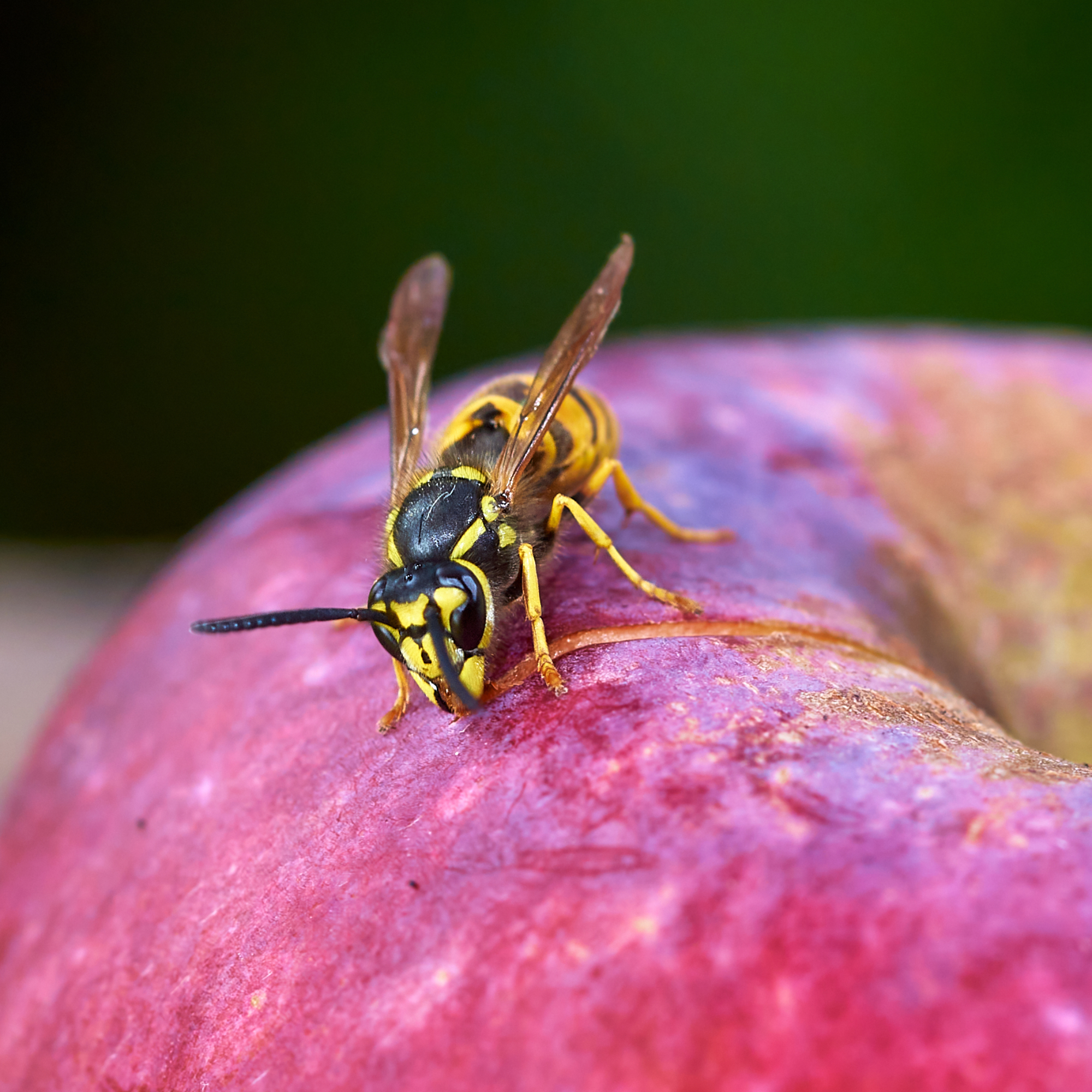
Many birds eat tent caterpillars and their eggs. Insects like wasps and beetles also attack these pests.
- Chickadees and blue jays feed on caterpillars
- Parasitic wasps lay eggs inside tent caterpillars
- Ladybugs and ground beetles eat caterpillar eggs
- Encouraging these animals helps reduce caterpillar populations
Using Beneficial Nematodes
Beneficial nematodes are tiny worms that kill caterpillars underground. They enter the caterpillar’s body and release bacteria.
This method is safe for plants, pets, and humans. Apply nematodes to soil near infested trees for best results.
Bacillus Thuringiensis (bt) Applications
Bacillus thuringiensis (Bt) is a natural bacteria that kills caterpillars. It works when caterpillars eat treated leaves.
Bt is safe for beneficial insects and animals. Spray Bt on leaves early in the caterpillar stage for effective control.
Manual Removal Techniques
Tent caterpillars can damage trees and plants. Removing them by hand helps control their numbers.
Manual removal is safe and does not use chemicals. It works best early in the season.
Removing Egg Masses
Tent caterpillars lay eggs in masses on tree branches. Removing these stops new caterpillars from hatching.
Look for shiny, brown egg clusters on small twigs. Scrape them off carefully using your fingers or a knife.
- Wear gloves to protect your hands
- Use a small knife or your fingernail
- Place removed eggs in a sealed bag
- Dispose of the bag in the trash
Destroying Webs And Nests
Tent caterpillars build webs or nests in tree branches. Removing these webs helps reduce their shelter and food sources.
Cut out the webs with pruning shears or pull them down by hand. Drop the webs into a bucket of soapy water to kill the caterpillars inside.
- Wear long sleeves and gloves
- Use pruning shears for large webs
- Destroy webs in early morning or evening
- Soapy water kills the caterpillars effectively
Handpicking Caterpillars
Pick caterpillars off branches and leaves by hand. This reduces the number of caterpillars quickly.
Wear gloves to avoid irritation. Place caterpillars in a bucket of soapy water to kill them.
- Check trees daily for caterpillars
- Pick caterpillars carefully to avoid damaging plants
- Use a stick or gloved hand for removal
- Dispose of caterpillars in soapy water
Credit: www.gardeningknowhow.com
Chemical Treatments
Chemical treatments can help control tent caterpillar infestations. Using the right pesticide and applying it correctly reduces damage to trees.
It is important to understand which chemicals work best and how to use them safely and effectively.
Selecting The Right Pesticide
Choose pesticides that target caterpillars but are safe for other insects and animals. Look for products containing Bacillus thuringiensis (Bt) or spinosad.
- Bacillus thuringiensis (Bt) is a natural bacteria that kills caterpillars.
- Spinosad is effective and less harmful to beneficial insects.
- Pyrethroids work quickly but can affect other insects.
- Avoid broad-spectrum insecticides that harm pollinators.
Safe Application Methods
Apply pesticides carefully to protect yourself and the environment. Follow label instructions closely and wear protective gear.
| Safety Tip | Reason |
| Wear gloves and long sleeves | Protects skin from chemicals |
| Use a sprayer with a fine nozzle | Ensures even coverage on leaves and webs |
| Avoid windy days | Prevents drift to other plants or areas |
| Keep pets and children away | Prevents accidental exposure |
Timing For Best Results
Apply pesticides early in the caterpillar life cycle. Target young larvae before they build large webs.
- Check trees for egg masses in late winter.
- Apply treatment when caterpillars first appear in spring.
- Repeat application after 7 to 10 days if needed.
- Avoid spraying after caterpillars mature to reduce waste.
Preventing Future Infestations
Tent caterpillars can damage trees and gardens. Stopping them before they return helps keep plants healthy.
Use simple steps to protect your trees and reduce caterpillar numbers over time.
Tree Health Maintenance
Strong trees resist pests better than weak ones. Water your trees in dry weather and add mulch around roots.
Prune dead or weak branches to improve air flow and sunlight. Healthy trees recover faster from damage.
- Water trees deeply once a week
- Use mulch to keep soil moist
- Prune during late winter or early spring
- Avoid over-fertilizing, which attracts pests
Regular Monitoring
Check your trees often for tent caterpillar eggs and webs. Early spotting helps you act before they spread.
Look for egg masses on branches in late winter. Remove them by hand or use safe sprays if needed.
- Inspect trees every two weeks in spring
- Remove egg masses with a scraper or cloth
- Destroy webs before caterpillars hatch
- Use pheromone traps to detect moths
Encouraging Natural Predators
Birds and insects eat tent caterpillars. Attract these natural enemies to your yard to control pests.
Plant flowers and shrubs that provide food and shelter for helpful predators. Avoid using harmful pesticides.
- Grow native flowering plants for pollinators
- Install birdhouses to invite insect-eating birds
- Let some leaf litter stay for beneficial insects
- Use organic pest controls only

Credit: www.pubs.ext.vt.edu
Environmental Considerations
Controlling tent caterpillars needs care for the environment. Chemicals can harm plants and animals.
Choosing safe ways helps keep nature healthy while managing pests.
Impact Of Chemicals On Ecosystem
Many insecticides kill tent caterpillars quickly. But they can also harm bees, birds, and soil bugs.
These chemicals may stay in the soil or water, affecting many living things over time.
- Kill helpful insects like pollinators
- Pollute nearby water sources
- Harm animals that eat caterpillars
- Reduce soil health and biodiversity
Organic Alternatives
Organic methods use natural materials to control tent caterpillars. These ways protect the ecosystem.
Examples include handpicking, using neem oil, or introducing natural predators like birds.
- Handpicking egg masses and nests
- Spraying neem oil to stop feeding
- Encouraging birds and beneficial insects
- Using Bacillus thuringiensis (Bt) bacteria
Balancing Control And Conservation
It is important to control caterpillars without hurting nature. Use the least harmful methods first.
Monitor pest levels and avoid chemicals unless needed. Protect helpful insects and plants nearby.
- Check caterpillar numbers regularly
- Use organic methods when possible
- Apply chemicals only if damage is severe
- Choose targeted sprays to reduce harm
- Support natural predators in your garden
Frequently Asked Questions
How Can I Naturally Kill Tent Caterpillars?
You can remove egg masses by hand in late winter. Use natural predators like birds or beneficial insects. Apply neem oil or insecticidal soap for a safe, organic control method.
What Chemical Sprays Kill Tent Caterpillars Effectively?
Bacillus thuringiensis (Bt) is a common, safe spray that targets caterpillars. Pyrethroid-based insecticides also work but use them cautiously. Always follow label instructions to protect beneficial insects and the environment.
When Is The Best Time To Remove Tent Caterpillars?
Early spring, just after egg hatch, is ideal. Removing young caterpillars prevents large infestations. Check trees regularly to catch them before they cause significant damage.
Can Tent Caterpillars Harm My Trees Permanently?
Tent caterpillars rarely kill healthy trees. They defoliate branches, which stresses trees temporarily. Repeated heavy infestations may weaken trees, so control is important to maintain tree health.
Conclusion
Dealing with tent caterpillars can be a challenge. But with the right approach, you can manage them effectively. Start by inspecting your garden regularly. This helps you spot them early. Use natural methods to control their numbers. For example, handpicking or using soapy water can work well.
Pruning infested branches also helps. If the infestation is severe, consider safe insecticides. Always follow instructions carefully. Protect your garden and enjoy a caterpillar-free environment. Consistent efforts can make a big difference. Keep your plants healthy and thriving. Your garden will thank you!