
Is your air conditioner acting up, but you’re not sure why? One common problem that might be causing trouble is a frozen AC unit.
You might wonder, “How do you know if your air conditioner is frozen? ” Spotting this issue early can save you from costly repairs and keep your home cool and comfortable. You’ll learn the clear signs to watch for and simple steps to take when your AC starts freezing up.
Keep reading to protect your unit and stay cool all season long.
Credit: www.angi.com
Common Causes Of Frozen Ac Units
Air conditioners can freeze up for several reasons. It is important to know the common causes to fix the problem quickly.
Frozen AC units reduce cooling efficiency and can damage the system. Understanding these causes helps you avoid costly repairs.
Low Refrigerant Levels
Low refrigerant means the AC cannot absorb heat properly. This causes the coils to get too cold and freeze the moisture around them.
Leaks in the system often lead to low refrigerant. A certified technician should check and refill the refrigerant safely.
Poor Airflow Issues
When air does not flow well through the system, cold air builds up and freezes the coils. Several things can block airflow.
- Closed or blocked vents
- Dirty blower fans
- Obstructions near the outdoor unit
- Damaged ductwork
Fixing airflow problems helps stop the freezing and keeps the AC running smoothly.
Dirty Air Filters
Dirty air filters reduce airflow and cause the evaporator coil to freeze. Filters trap dust and debris over time.
| Problem | Effect |
| Dirty Filters | Blocks airflow |
| Blocked Airflow | Coils freeze |
| Frozen Coils | AC stops cooling |
Regularly changing or cleaning the air filters keeps your AC from freezing and improves air quality.
Thermostat Problems
Thermostats that do not work correctly can cause the AC to run too long or not enough. This imbalance leads to freezing.
Common thermostat issues include:
- Wrong temperature settings
- Malfunctioning sensors
- Poor placement near heat sources
Check your thermostat and replace batteries to ensure proper operation.
Visible Signs Of A Frozen Air Conditioner
A frozen air conditioner does not work well. It can cause discomfort and damage. You can spot a frozen AC by watching for certain signs.
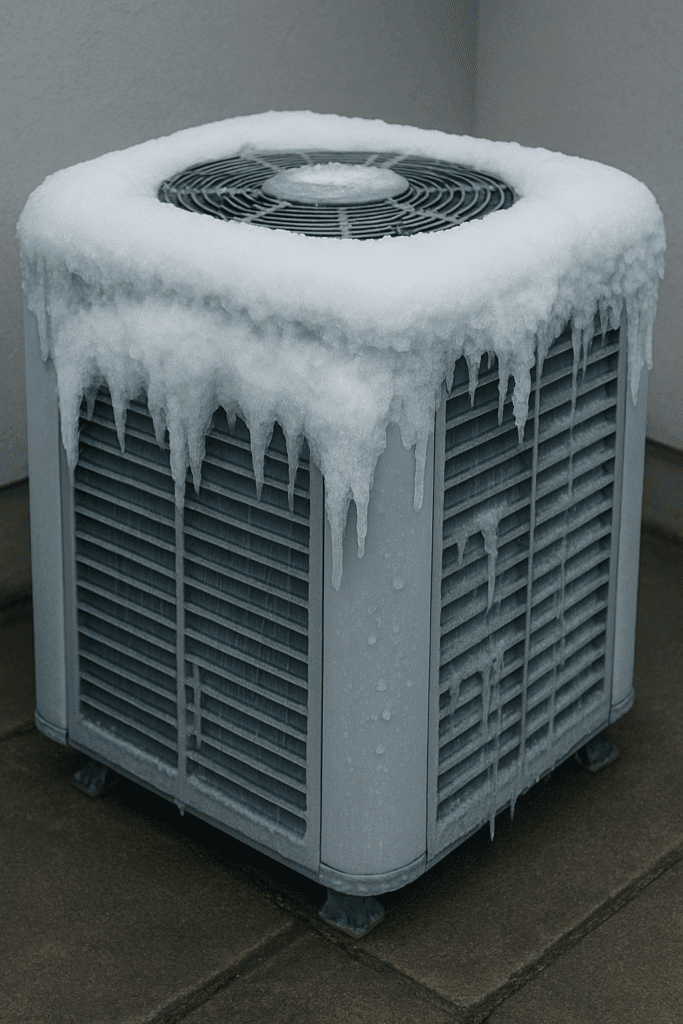
Look closely at your unit to see if ice or frost is present. Check around the unit for water leaks. These signs help you know if the AC is frozen.
Ice On Evaporator Coils
Ice buildup on the evaporator coils is a clear sign of freezing. The coils may look white or thick with ice. This ice stops air from flowing properly.
- Ice covers the metal coils inside the unit.
- The AC may blow weak or no cold air.
- You might hear strange noises from the ice.
- Ice can grow until it blocks airflow.
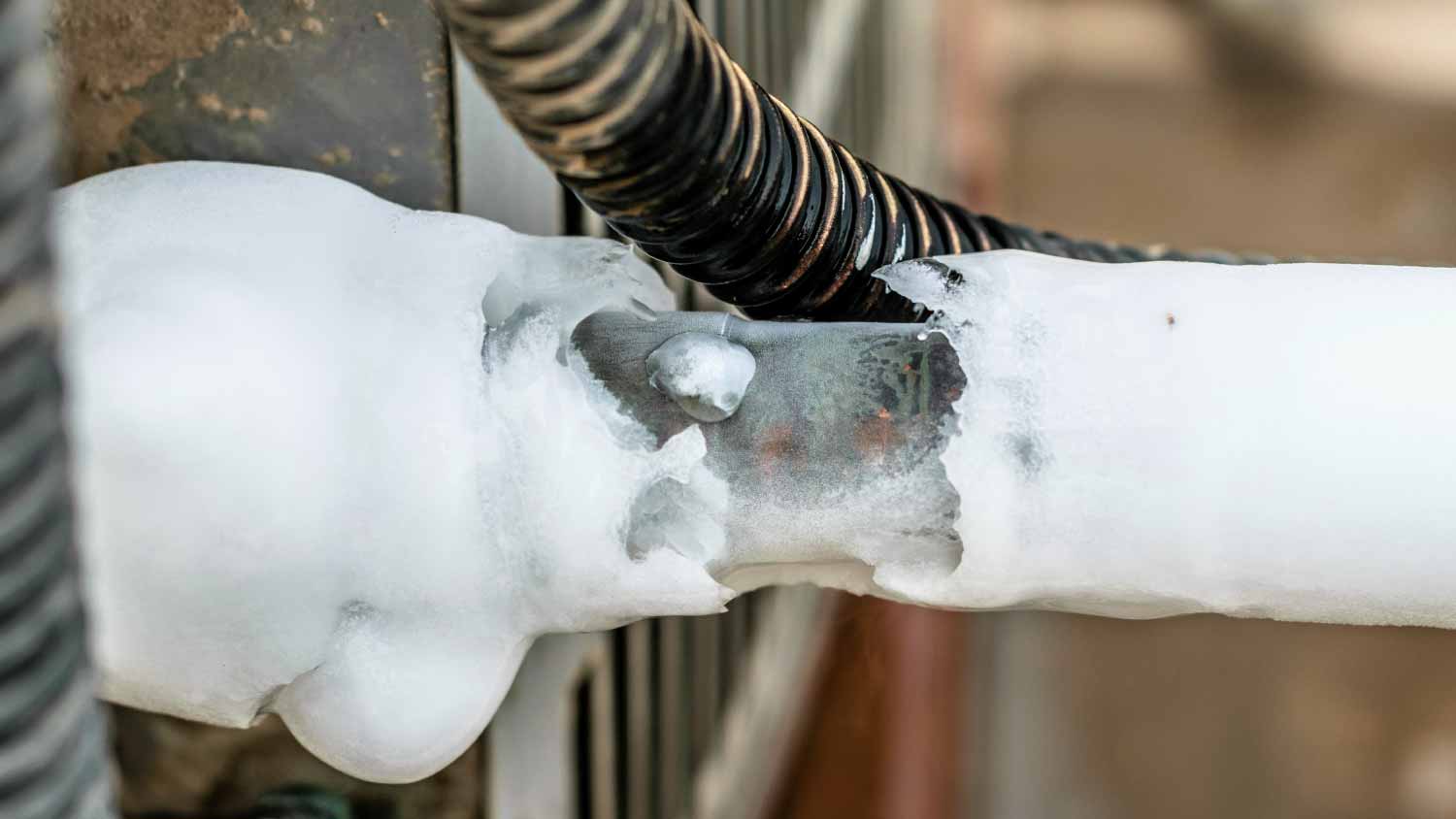
Frost On Refrigerant Lines
Frost on refrigerant lines shows that the coolant is too cold. Frost looks like a white powder or thin layer of ice on the pipes. This often means the system is low on refrigerant or has a blockage.
| Frost Location | Possible Cause |
| Near the evaporator coil | Low refrigerant level |
| Along the suction line | Blocked airflow |
| On the outdoor unit | Dirty coils or fan problem |
Water Leaks Around The Unit
Water pooling near the air conditioner can mean ice is melting. This happens when the frozen parts start to thaw. Leaks may appear on the floor or near the drain line.
Common water leak spots:
- Under the indoor unit
- Near the condensate drain pipe
- Around the outdoor compressor
Performance Symptoms To Watch For
Knowing if your air conditioner is frozen helps you avoid bigger problems. Some signs show your AC is not working right.
Watch for changes in how your air conditioner cools and sounds it makes. These clues tell you if ice is blocking the system.
Reduced Cooling Efficiency
Your air conditioner may cool less if it is frozen. The ice stops proper airflow and heat exchange. This causes warmer air in your home.
Look for these signs of reduced cooling:
- Longer time to reach the set temperature
- Rooms feel warmer than usual
- Air feels less cold at the vents
- Higher electricity bills without more use
Unusual Noises
Frozen parts in the air conditioner make strange sounds. These noises come from ice blocking the fan or compressor.
| Noise Type | Possible Cause |
| Hissing or bubbling | Refrigerant leak with ice buildup |
| Grinding or scraping | Fan blades hitting ice |
| Clicking sounds | Compressor struggling due to freezing |
Frequent Cycling On And Off
A frozen air conditioner may turn on and off more often. Ice buildup causes the system to overwork and shut down to protect itself.
- Thermostat calls for cooling
- Ice blocks airflow or parts
- System overheats or pressure rises
- AC shuts off to avoid damage
- System restarts after cooling down

Credit: www.reddit.com
How To Inspect Your Ac For Freezing
Air conditioners can freeze, causing poor performance. It is important to check your AC regularly. This helps avoid costly repairs and keeps your home cool.
Look for signs like ice buildup or weak airflow. Follow simple steps to inspect your unit safely and effectively.
Checking The Air Filter
A dirty air filter can block airflow and cause freezing. Check the filter every month during heavy use. Replace or clean it if it looks clogged.
- Turn off the AC power before inspection.
- Remove the air filter from the unit.
- Hold the filter up to a light source.
- If you cannot see light through it, the filter is dirty.
- Clean or replace the filter as needed.
Examining The Coils
Frozen coils are a clear sign of freezing inside the AC. Look for ice or frost on the evaporator coils. If found, turn off the unit and let the ice melt completely.
| Coil Condition | What It Means |
| Clear and Dry | Normal operation |
| Wet but No Ice | Normal condensation |
| Light Frost | Possible early freezing |
| Heavy Ice Build-up | Frozen AC – needs attention |
Monitoring Airflow
Low airflow can cause the AC to freeze. Check the vents and air output. Make sure nothing blocks the air path.
- Inspect all supply vents and return grilles.
- Remove furniture or objects blocking airflow.
- Listen for weak or strange sounds from the blower.
- Feel if the air is cool and steady from the vents.
- Clean vents and ducts if dusty or clogged.
Preventive Measures To Avoid Freezing
Air conditioners can freeze and stop working properly. You can avoid this problem by following some simple steps. These steps help keep your AC running smoothly and prevent freezing issues.
Regular care and attention help your air conditioner work well in hot and cold weather. Let’s explore the key ways to prevent freezing.
Regular Maintenance Tips
Check your air conditioner often. Clean or replace filters every month or as needed. Dirty filters block airflow and cause freezing. Also, clean the coils and remove debris around the unit.
- Clean or replace air filters regularly
- Inspect and clean evaporator and condenser coils
- Remove leaves and dirt near the outdoor unit
- Check for any ice or frost build-up
- Schedule professional tune-ups yearly
Ensuring Proper Airflow
Good airflow stops your air conditioner from freezing. Make sure vents inside your home are open and not blocked. Keep furniture and curtains away from vents. Clear the outdoor unit from any objects or plants that reduce airflow.
| Cause | How to Fix |
| Blocked indoor vents | Open or unblock vents |
| Dirty filters | Clean or replace filters |
| Obstructed outdoor unit | Clear plants and debris |
| Closed registers | Keep registers open |
Timely Refrigerant Recharging
Low refrigerant levels can cause freezing. Have a professional check your refrigerant levels yearly. If needed, recharge the refrigerant to the right amount. Do not try to add refrigerant yourself. It needs special tools and skills.
- Schedule annual refrigerant checks
- Hire certified technicians for recharging
- Avoid DIY refrigerant handling
- Fix leaks before recharging refrigerant
When To Call A Professional
Sometimes, your air conditioner can freeze up. This can stop it from cooling your home.
Knowing when to call a professional can save you time and money. It also keeps your AC safe.
Signs Beyond Basic Troubleshooting
If your AC is frozen and simple fixes do not work, it may have bigger problems. Look for these signs.
- Ice builds up again after you defrost the unit
- Airflow is weak even when the filter is clean
- Strange noises come from the AC unit
- The unit turns on and off quickly
- High energy bills without more use
These signs mean the AC might have mechanical or refrigerant issues. A professional should check it.
Safety Precautions
Frozen AC units can cause electrical problems or water damage. Use these safety tips before calling help.
- Turn off the air conditioner before inspecting it
- Do not try to chip ice off with sharp tools
- Keep the area around the unit dry to avoid slips
- Unplug the unit if you see water near electrical parts
- Use a fan to help melt ice faster and safely
Following safety steps helps prevent injury and more damage to your AC system.
Credit: bellplumbing.com
Frequently Asked Questions
How Can I Tell If My Air Conditioner Is Frozen?
You may notice ice buildup on the coils or refrigerant lines. The unit might blow warm air and struggle to cool your space effectively.
What Causes An Air Conditioner To Freeze Up?
Common causes include low refrigerant levels, dirty air filters, or blocked airflow. These issues reduce heat exchange and cause freezing.
Is A Frozen Air Conditioner Dangerous?
Yes, it can damage the compressor and other components. It also reduces efficiency and increases energy bills if not fixed.
Can I Fix A Frozen Air Conditioner Myself?
You can turn off the unit to let ice melt. Cleaning filters and checking airflow might help, but professional service is often needed.
Conclusion
Recognizing a frozen air conditioner is crucial. It prevents further damage. Check for ice buildup regularly. Listen for unusual noises. Warm air from vents is a warning sign. Addressing these issues early saves costs. It also extends the unit’s lifespan.
Professional maintenance helps too. Routine checks ensure efficient cooling. Keep your home comfortable. Avoid unexpected breakdowns. Understanding these signs makes a big difference. Stay aware and proactive. Your air conditioner will thank you.