
Have you ever wondered about the type of cooktop sitting in your kitchen? If you’re unsure whether it’s an induction cooktop, you’re not alone.
Many people find themselves puzzled by the technology beneath their pots and pans. You might be missing out on the magic and efficiency that an induction cooktop offers. Imagine cooking your meals faster while using less energy, all with a sleek and modern touch.
But how can you tell if you have one? We’ll uncover the telltale signs of an induction cooktop, helping you unlock its potential and transform your cooking experience. Keep reading, and you might discover that your kitchen is more advanced than you thought!
Identify The Cooktop Surface
Identifying your cooktop surface is the first step in knowing whether you have an induction cooktop. The surface can tell you a lot about the technology beneath it. Paying attention to specific features will help you recognize if your cooktop uses induction heating.
Look For A Smooth Glass Top
Induction cooktops usually have a smooth, flat glass surface that feels cool to the touch when not in use. Unlike traditional electric coil or gas burners, the entire surface is sleek and uninterrupted. If your cooktop has raised burners or grates, it’s likely not induction.
Think about the last time you cleaned your cooktop. Was it easy to wipe down, or did you have to scrub around coils or gas parts? A smooth glass top is a hallmark of induction and makes cleaning simpler.
Check For Induction Symbols
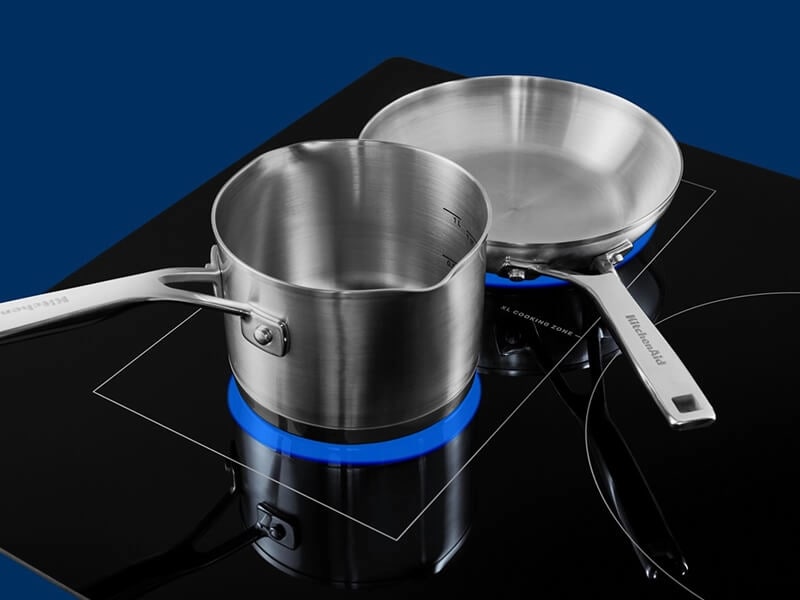
Most induction cooktops display specific symbols or labels near the burners. Look for a coil-like icon or words such as “induction” printed on the surface or control panel. These symbols are there to help users quickly identify the cooktop type.
If you’re unsure, check the user manual or look closely at the cooktop’s edge for any stickers or engravings. Have you noticed any markings that stand out? These small details can confirm if your cooktop uses induction technology.
Credit: www.maytag.com
Test With Cookware
Testing your cookware is a simple and effective way to determine if you have an induction cooktop. Since induction technology heats pots and pans directly through magnetic fields, the type of cookware you use can reveal a lot. Here’s how you can test your cookware to check if your cooktop works with induction.
Use A Magnet To Check Compatibility
Grab a small magnet from your fridge or a magnetic clip. Place it on the bottom of your pan or pot.
If the magnet sticks firmly, your cookware is compatible with induction. This means the cooktop will heat it efficiently. If it doesn’t stick or falls off easily, your cookware won’t work well on an induction surface.
I once tried this with a shiny stainless steel pan that looked perfect, but the magnet barely clung. That was my first hint that my cooktop wasn’t induction.
Observe Heating Speed
Put your cookware on the cooktop and turn it on to medium heat. Watch how quickly the pan heats up.
Induction cooktops heat cookware almost instantly. You’ll notice the pan getting hot within seconds. If it takes a long time or heats unevenly, you likely have a traditional electric or gas cooktop instead.
Think about how fast you want your meals ready—does waiting for the pan to warm slowly fit your cooking style? That heating speed can be a clear sign of what cooktop you own.
Examine Control Features
Examining the control features of your cooktop can give you clear clues about whether it’s an induction model. Induction cooktops often have distinct control styles compared to traditional gas or electric stoves. Paying attention to these details can save you time and help you understand your appliance better.
Touch Controls Vs. Knobs
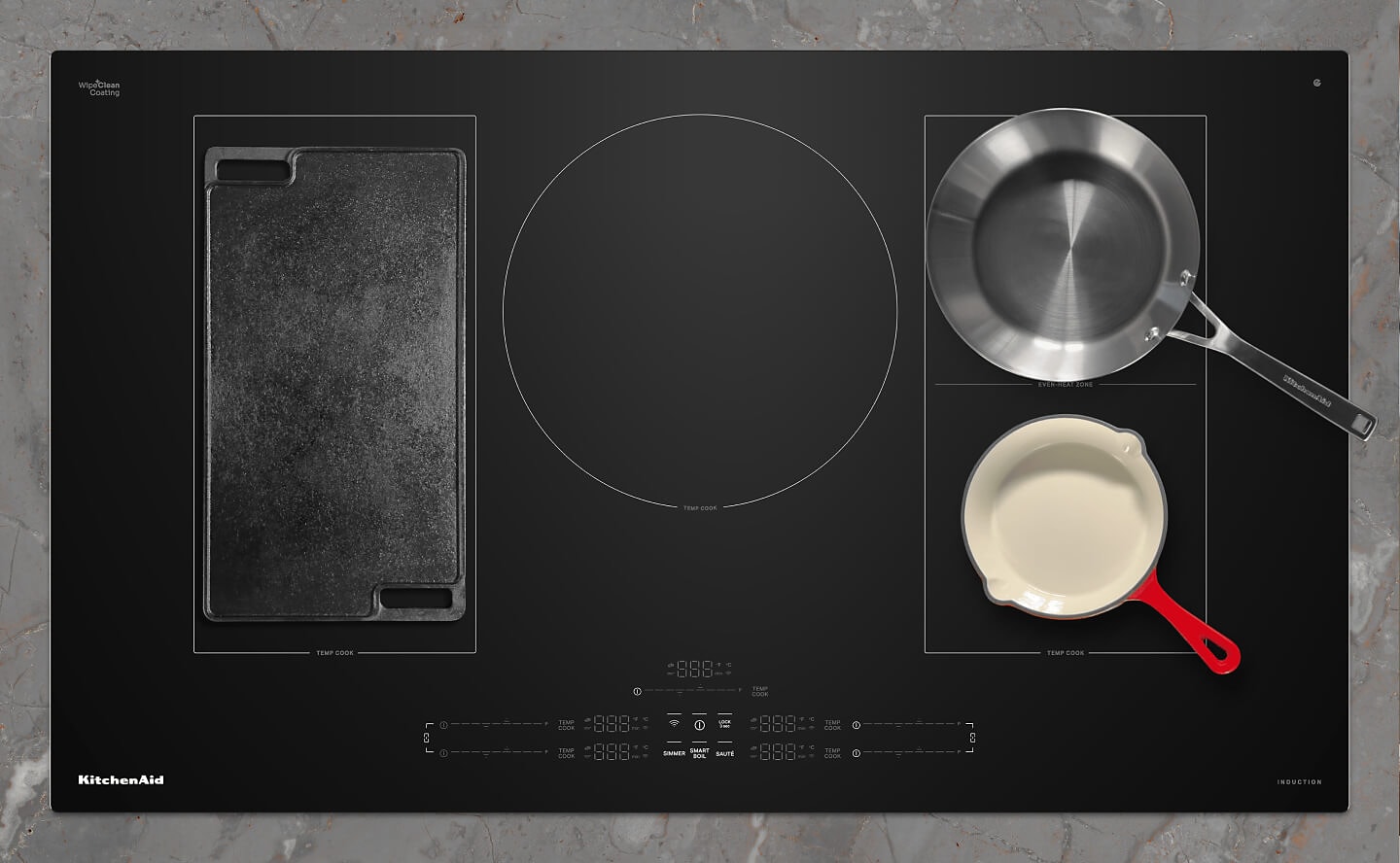
Induction cooktops usually rely on touch controls rather than physical knobs. If your cooktop has a smooth glass surface with flat buttons you press lightly, it’s likely induction. These touch controls allow for precise temperature adjustments and often include features like timers or child locks.
On the other hand, traditional electric and gas cooktops typically have turning knobs. If you find dials that click and turn to adjust heat, you probably don’t have an induction cooktop. Have you noticed how touch controls feel more modern and responsive compared to knobs? That’s a strong hint you’re dealing with induction technology.
Presence Of Digital Display
Another sign is the presence of a digital display on your cooktop. Many induction models feature a clear LED or LCD display that shows temperature levels, timers, or power settings. This digital readout is a practical addition that makes cooking more precise and easier to control.
If your cooktop lacks any kind of digital display and relies solely on manual settings, it’s less likely to be induction. Think about your last cooking session—did you see numbers or indicators changing as you adjusted heat? That small digital feedback is a hallmark of induction cooktops and can improve your cooking experience significantly.
Credit: www.kitchenaid.com
Listen For Operational Sounds
Listening closely to your cooktop can reveal whether it is an induction model. Induction cooktops produce unique sounds during operation. These sounds help identify the technology behind the stove. Understanding these noises aids in distinguishing induction from other cooktops.
Detecting A Hum Or Buzz
Induction cooktops often emit a low humming or buzzing sound. This comes from the magnetic coils beneath the glass surface. The sound activates when a compatible pan touches the cooking zone. The noise level varies depending on the power setting and the pan’s material. Metal pans usually increase the intensity of the hum. Plastic or glass cookware will not produce this sound.
Silent Operation Signs
Some induction cooktops operate nearly silently. Advanced models use improved coils and better insulation. These cooktops may produce only a faint sound, hard to notice. Silence does not mean the cooktop is off. The heat is generated through electromagnetic fields, not flames or electric coils. Absence of noise combined with quick heating suggests induction technology.
Safety And Energy Indicators
Safety and energy indicators help identify an induction cooktop. These features protect users and save power.
Induction cooktops often have smart safety systems. They turn off automatically if no cookware is detected. This prevents accidents and saves energy.
Automatic Shutoff Features
Induction cooktops stop heating without a pan. They also shut off after a certain time. This protects your home from fire risks.
Some models beep or flash lights before turning off. This alerts users to check the cooktop. It helps avoid overheating or spills.
Energy Efficiency Clues
Induction cooktops use less energy than traditional stoves. They heat only the pan, not the air around it.
You may notice faster cooking times and cooler surfaces. These signs show energy is used wisely.
- Check for labels like “Energy Star” or efficiency ratings.
- Look for touch controls that adjust power levels precisely.
- Notice if the cooktop cools quickly after cooking.
Credit: www.maytag.ca
Frequently Asked Questions
How Can I Visually Identify An Induction Cooktop?
An induction cooktop usually has a smooth, flat glass surface. It often features specific coil or zone markings. Unlike gas or electric stoves, it lacks visible heating elements or flames.
What Cookware Works With Induction Cooktops?
Induction cooktops require magnetic cookware like cast iron or stainless steel. Non-magnetic materials like aluminum or glass won’t work. To test, see if a magnet sticks to the pan’s bottom.
Does Induction Cooking Heat Faster Than Traditional Methods?
Yes, induction cooktops heat cookware quickly. They use electromagnetic energy, which directly heats the pan. This method is more efficient and faster than gas or electric stoves.
How Can I Test If My Cooktop Is Induction?
Place a magnet on the cooktop surface. If it sticks firmly, the cooktop likely uses induction technology. This test helps differentiate induction from electric or ceramic cooktops.
Conclusion
Knowing if you have an induction cooktop is simpler than it seems. Check if your pots get hot only when on the cooktop. Notice the smooth, flat surface and quick heating times. Magnetic cookware usually works best with induction. This type of stove saves energy and cooks food evenly.
Understanding these signs helps you use your kitchen better. Stay curious and explore your cooking tools. This knowledge can improve your meal preparation every day.