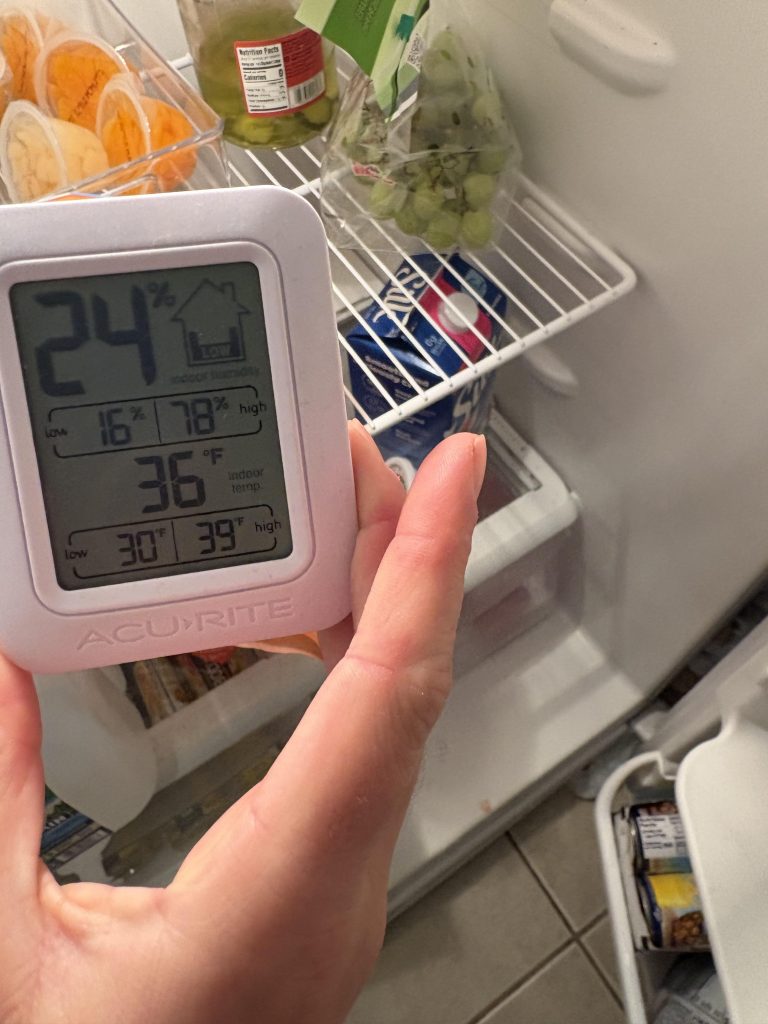
Is your refrigerator acting a little strange lately? Maybe it’s making odd noises, or your food isn’t staying as fresh as it used to.
These might seem like small problems, but they could be signs that your fridge is on its way out. Knowing the warning signs early can save you from spoiled groceries and unexpected repair costs. You’ll learn exactly what to watch for so you can protect your food and your wallet.
Keep reading to find out if your refrigerator is trying to tell you something important.
Unusual Noises
Unusual noises coming from your refrigerator can be an early warning sign that something is wrong. These sounds often indicate that parts are struggling or failing. Paying attention to these noises can save you from a sudden breakdown and costly repairs.
Loud Or Constant Running
If your refrigerator is running loudly or seems to run nonstop, it’s a red flag. Normally, the motor should cycle on and off quietly. A constantly running motor might mean the compressor or condenser coils are dirty, or there’s a refrigerant leak.
I once ignored a loud humming noise, thinking it was normal, but it turned out the compressor was overworking. Catching this early could have prevented a complete failure. You should clean the coils and check for proper airflow around your fridge.
Clicking And Buzzing Sounds
Clicking or buzzing noises can be more than just annoying—they might point to electrical or mechanical problems. A repetitive clicking noise often means the compressor is trying to start but failing. Buzzing could indicate a faulty fan motor or relay.
Have you noticed your fridge making a clicking sound every few seconds? That’s a sign to inspect the start relay or call a technician. Ignoring these sounds can lead to the fridge not cooling properly, ruining your food over time.
Temperature Fluctuations
Temperature fluctuations inside your refrigerator can be a clear sign that something is wrong. When the temperature doesn’t stay consistent, it affects how well your food stays fresh and safe to eat. You might not notice the problem immediately, but over time, these ups and downs can cause serious issues.
Food Spoiling Quickly
If you find that fruits, vegetables, or leftovers are going bad much faster than usual, temperature swings could be the culprit. Your fridge needs to maintain a steady cold environment, generally around 37°F (3°C). When it fluctuates, bacteria grow faster, making food spoil sooner.
Think about the last time you tossed out a container of milk or salad because it smelled off. Did you check the temperature inside your fridge? Even small changes can cause your food to lose freshness quickly. Keep an eye on spoilage patterns to spot if your fridge is struggling.
Frost Buildup In Freezer
Unexpected frost or ice buildup inside your freezer can also point to temperature problems. When the freezer temperature swings, moisture can condense and freeze unevenly, forming thick frost layers. This not only reduces storage space but also forces your appliance to work harder, increasing energy bills.
Have you ever had to chip away at ice inside your freezer? That’s a warning sign. Regular frost buildup means your refrigerator’s cooling system isn’t stable, and this imbalance can lead to bigger failures if ignored.
Excessive Moisture
Excessive moisture inside a refrigerator often signals a failing seal or poor cooling. This can cause water buildup and spoiled food. Watch for persistent dampness as a warning sign of fridge trouble.
Excessive moisture inside your refrigerator can be a telltale sign that it’s on the verge of breaking down. Unusual dampness not only raises concerns about the appliance’s efficiency but can also lead to unpleasant odors and food spoilage. As you inspect your fridge, pay close attention to these signs of excessive moisture.Water Pooling Inside
Have you noticed puddles of water at the bottom of your refrigerator? This is often a sign of a defrost drain that’s clogged. A quick cleanup can sometimes resolve the issue. However, if the problem persists, it might indicate a more serious malfunction, like a failing door seal that allows warm air to enter. Check the gasket for any gaps or cracks. Keeping this part of your fridge in good condition can prevent water accumulation and energy loss.Condensation On Walls
Seeing condensation on the walls of your refrigerator is another red flag. This usually occurs when warm air sneaks in due to a faulty door seal or when the fridge’s internal temperature is set too low. Adjusting the temperature slightly can sometimes resolve this issue. But what if the condensation doesn’t stop? It could mean your refrigerator’s cooling system is struggling. Regularly wiping the walls dry can help maintain your fridge’s efficiency and keep your food safe from spoilage. Have you experienced these moisture issues? It’s crucial to address them promptly to avoid bigger problems down the line. Your refrigerator’s health directly impacts the freshness of your food and your utility bills. Keeping an eye out for excessive moisture can save you from unexpected repairs or replacements.
Credit: lovefoodhatewaste.co.nz
Door Seal Problems
The door seal of your refrigerator plays a crucial role in keeping the cold air inside and the warm air out. If this seal starts to fail, your fridge works harder, uses more energy, and may not keep your food fresh. Noticing problems with the door seal early can save you from costly repairs or food spoilage.
Worn Or Damaged Gaskets
The gasket is the rubber strip that runs along the edge of your refrigerator door. Over time, it can become cracked, brittle, or torn. When this happens, cold air escapes and warm air enters, making your fridge less efficient.
Check your gasket for visible signs of wear or damage. You can test it by closing the door on a piece of paper. If the paper slides out easily, the seal isn’t tight enough. Have you noticed your fridge running constantly or ice building up inside? These could be signs your gasket needs replacing.
Door Not Closing Properly
If your refrigerator door doesn’t close all the way, the seal can’t do its job. This can happen if the door is misaligned, the hinges are loose, or something inside is blocking it.
Try closing the door slowly and watch if it aligns evenly with the fridge frame. If it doesn’t, tighten the hinges or remove any items blocking the door. A door that won’t close properly wastes energy and can spoil food quickly. Have you ever opened your fridge only to find warm air inside? It might be time to inspect the door’s closing mechanism.
Increased Energy Bills
Noticing a sudden jump in your energy bills can be more than just a shock to your wallet—it might be a warning sign from your refrigerator. Since refrigerators run constantly, even a small drop in their efficiency can cause noticeable increases in electricity use. Paying attention to these changes can help you catch problems early and avoid bigger expenses later.
Unexpected Spikes In Usage
Have you ever glanced at your energy bill and wondered why it suddenly doubled? Unexpected spikes often happen without any change in your daily habits. If your fridge is running more frequently or longer than usual, it’s likely working harder to maintain the right temperature due to failing parts or worn-out seals.
One time, I noticed my bill jump by 30% in just one month. It was confusing because I hadn’t added any new appliances. After checking, I found the fridge door gasket had cracked, letting cold air escape. Fixing that small issue quickly brought my bills back down.
Efficiency Loss Over Time
Refrigerators don’t lose efficiency overnight. Instead, they gradually consume more electricity as components age or get dirty. Dirt on condenser coils or failing fans can make the compressor work harder, silently raising your energy costs without obvious signs.
Think about how long you’ve had your fridge. If it’s over 8-10 years old, even if it looks fine, it might be less efficient than newer models. Tracking your bills over several months can reveal this slow decline. What steps can you take to keep your fridge running efficiently and avoid those creeping costs?
Credit: en.clickpetroleoegas.com.br
Visible Wear And Tear
Visible wear and tear often signals that a refrigerator is nearing the end of its life. These signs can affect the appliance’s performance and safety. Paying attention to these physical changes helps prevent sudden breakdowns. They also indicate when it might be time to plan for a replacement.
Rust And Corrosion
Rust spots on the refrigerator’s exterior or interior are warning signs. Corrosion weakens metal parts, making them fragile and unsafe. Rust around door seals can cause air leaks, reducing cooling efficiency. It may also lead to higher energy bills. Small rust patches spread quickly if ignored. Check hinges and handles for corrosion too. These parts bear the fridge’s weight and daily use.
Damaged Shelves Or Components
Cracked or broken shelves reduce storage space and safety. Damaged shelves can cause food to fall or spoil faster. Watch for plastic parts that are chipped or warped. Broken door bins or drawers affect organization and function. Loose or missing screws make shelves unstable. Faulty components may also cause noise or vibrations. These issues often get worse over time and may signal deeper problems inside the fridge.
Frequent Repairs Needed
Frequent repairs on your refrigerator can signal serious problems ahead. Constant visits from the repair technician may mean the appliance is struggling. Each fix might only offer a short-term solution. Over time, these recurring repairs can add up in cost and inconvenience. Understanding when repairs become too frequent helps decide the next step.
Recurring Mechanical Issues
Mechanical parts wear out over time. Some problems tend to happen again and again. Common issues include:
- Compressor failure
- Thermostat problems
- Defrost system malfunctions
- Leaking refrigerant
These issues often return even after repair. Repeated failures mean the refrigerator is aging or poorly maintained. A unit with frequent mechanical faults loses efficiency and may spoil food.
Cost Of Maintenance Vs Replacement
Repair costs can grow quickly with ongoing issues. Consider the price of multiple repairs versus a new fridge. Sometimes, spending on fixes equals a significant portion of a replacement cost.
Replacement brings benefits like:
- Improved energy efficiency
- Better cooling performance
- Longer warranty coverage
- Latest features and technology
Weigh repair bills against these advantages. If repairs near the cost of a new unit, replacement may be smarter. This prevents future headaches and saves money in the long run.

Credit: www.kitchenaid.com
Frequently Asked Questions
How Can I Tell If My Refrigerator Is Failing?
Signs include unusual noises, inconsistent cooling, and water leaks. If food spoils quickly, it may indicate a problem. Check for frost buildup or a constantly running motor as well.
Why Is My Refrigerator Running But Not Cooling?
This often means the compressor or condenser coils are faulty. Dirty coils or a refrigerant leak can also reduce cooling efficiency. Prompt inspection can prevent further damage and food spoilage.
What Noises Indicate A Bad Refrigerator Compressor?
Loud humming, clicking, or buzzing noises may signal compressor failure. These sounds often precede cooling issues. If noise persists, it’s best to consult a technician for diagnosis and repair.
How Long Do Refrigerators Typically Last?
Most refrigerators last between 10 to 20 years. Proper maintenance can extend lifespan. If yours is older and showing issues, consider repair costs versus replacement.
Conclusion
A refrigerator showing strange sounds or warm spots needs attention soon. Odd smells or excess frost can mean trouble ahead. Don’t ignore frequent cycling or water leaks inside. These signs tell you it might stop working soon. Acting early can save food and money.
Keep an eye on these warning signals. Replace or repair before it fails completely. Staying alert helps avoid big problems later. Your fridge works hard—treat it well.