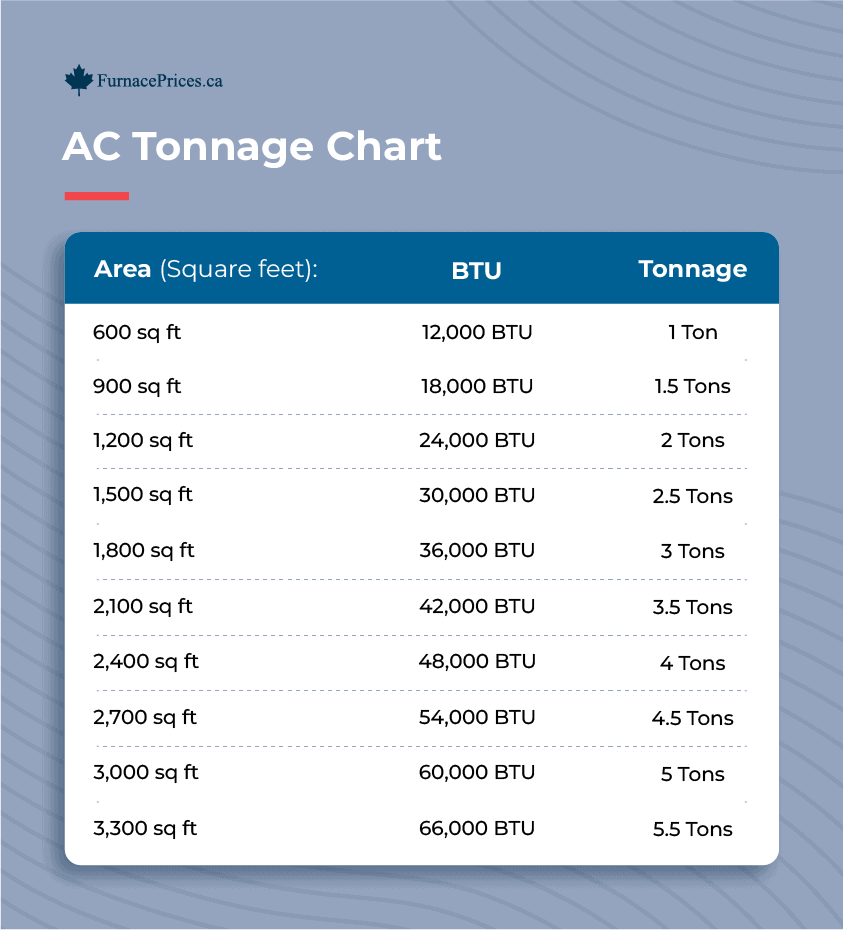
Choosing the right size air conditioner for your space is more important than you might think. If your AC is too small, it will struggle to cool your room, leaving you uncomfortable and driving up your energy bills.
On the other hand, a unit that’s too big will cycle on and off too often, wasting power and wearing out faster. So, how do you know what size air conditioner you need to stay cool and save money? Keep reading, and you’ll discover simple tips to find the perfect fit for your home or office.
This way, you can enjoy cool comfort without any surprises on your next energy bill.

Credit: www.warmzilla.co.uk
Factors Affecting Ac Size
Room dimensionsare key for sizing an air conditioner. Larger rooms need more cooling power. Measure the length, width, and heightto find the room’s volume.
Ceiling heightaffects how much air the AC must cool. Taller ceilings mean more air space and more cooling needed.
Sunlight exposurewarms up rooms. Rooms with lots of sun need a stronger AC to stay cool.
Insulation qualitykeeps cool air inside. Poor insulation causes cool air to escape, requiring a bigger unit.
Occupancy levelsadd heat. More people in a room means more cooling is necessary.
Calculating Cooling Capacity
BTU (British Thermal Unit)measures cooling power. More BTUs mean stronger cooling. Choose BTUs based on room size. Too small, and it won’t cool well. Too big, and it wastes energy.
Calculate BTU by measuring square footage. Multiply the room’s length by width. For example, a 200 sq ft room needs about 6,000 BTUs.
Adjust BTUs for climate. Hot, sunny places need more cooling power. Cool or shaded areas need less.
Consider additional heat sourceslike appliances, lights, or many people. These add heat and raise BTU needs.
| Room Size (sq ft) | Suggested BTU |
|---|---|
| 100 – 300 | 5,000 – 7,000 |
| 301 – 500 | 7,000 – 10,000 |
| 501 – 700 | 10,000 – 12,000 |
| 701 – 1,000 | 12,000 – 18,000 |
Types Of Air Conditioners
Window unitsare small and fit in a window. They cool one room well. Easy to install and cost less. Not very quiet and block the window view.
Split systemshave two parts: an indoor unit and an outdoor unit. They cool rooms quietly and save space. Good for homes without window space.
Central air conditioningcools the whole house through ducts. It is quiet and keeps air fresh. More expensive but very effective for large homes.
Portable optionsare small and can move from room to room. No installation needed, but less powerful. Good for renters or small spaces.
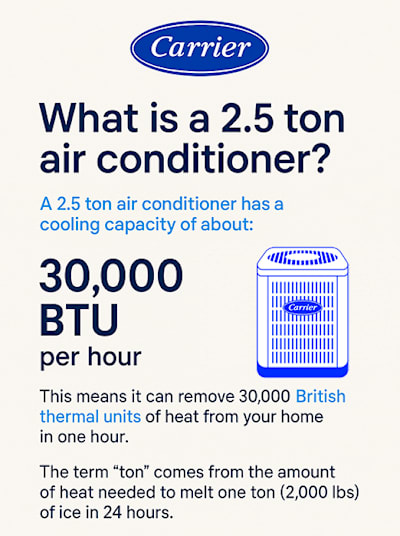
Credit: www.carrier.com
Signs Of Incorrect Ac Size
Signs that your air conditioner size is not correct can be clear.
- Overcooling Issues:The room feels too cold quickly, then the AC shuts off fast.
- Insufficient Cooling:The AC runs long but the space stays warm or humid.
- Energy Consumption Concerns:High electric bills may mean the AC is too big or small.
- Frequent Cycling:The AC turns on and off many times in short periods.
Each problem shows the AC is not the right size for the room.
Professional Sizing Tips
Manual J calculationsare the standard way to find the right air conditioner size. This method measures the home’s cooling loadby checking walls, windows, and insulation. It helps avoid buying a unit that is too big or too small. A correctly sized AC saves money and keeps rooms comfortable.
HVAC expertshave the skills and tools to do these calculations well. They consider your home’s unique features and climate. Experts also spot issues that affect cooling, like poor insulation or drafts.
Load calculationis key to match cooling power with room size. It looks at how much heat enters or leaves a space. This ensures the AC runs efficiently without wasting energy.
Think about future needstoo. Plans for home additions or more electronics can change cooling demands. It is smart to pick a unit that handles small changes easily.
Energy Efficiency And Costs
SEER ratingsshow how well an air conditioner uses energy. Higher SEER means better efficiency and lower bills. Choose a unit with a good SEER rating to save money and energy.
Oversized unitscool rooms too fast. This causes frequent cycling, which wastes energy and wears out the system. It also makes rooms feel damp and uncomfortable.
Choosing the right size helps you save money in the long run. Efficient units last longer and reduce your electricity bills. They keep your home comfortable without wasting power.
Many places offer rebates and incentivesfor buying energy-efficient air conditioners. These can lower your upfront costs. Check local programs before purchasing your unit.
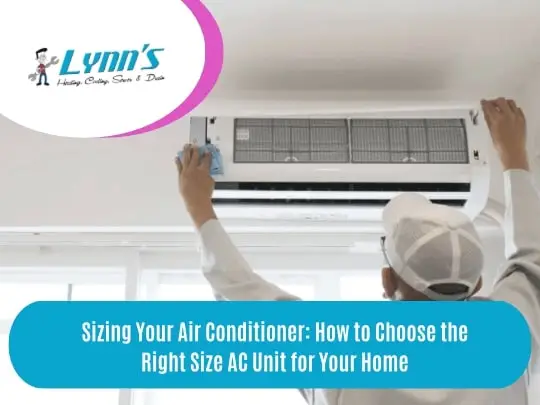
Credit: lynnswinnipeg.ca
Frequently Asked Questions
What Factors Determine Air Conditioner Size?
The size of an air conditioner depends on room dimensions and insulation. Consider ceiling height, windows, and sunlight exposure. Calculate the square footage and match it with BTU requirements. Always consult a professional for an accurate assessment.
How Do Btus Relate To Air Conditioner Size?
BTUs measure an air conditioner’s cooling capacity. Larger spaces require higher BTUs for effective cooling. Knowing your room’s square footage helps determine the appropriate BTU rating. Proper BTU matching ensures efficiency and comfort.
Why Is Proper Air Conditioner Sizing Important?
An incorrectly sized air conditioner can lead to inefficiency. A unit that’s too small won’t cool effectively, while a too large unit can increase energy bills and cause humidity issues. Proper sizing ensures comfort and energy efficiency.
Can An Oversized Ac Unit Cause Problems?
Yes, an oversized unit cools quickly without dehumidifying properly. This can lead to a cold, clammy environment and increased energy costs. It often results in short cycling, which wears out components faster.
Conclusion
Choosing the right air conditioner size saves energy and money. Too small a unit will struggle to cool your space. Too large will waste power and cause discomfort. Measure your room and consider insulation and sunlight. Use size guides or ask a professional for help.
A well-sized AC keeps your home comfortable all summer. Don’t rush the decision; take time to plan well. Comfort and savings depend on the right choice. Simple steps lead to better cooling results.