Is your refrigerator acting a little off lately? Maybe it’s making strange noises or your food isn’t staying as fresh as it used to.
You might wonder, “Is it time to replace my fridge? ” Knowing when your refrigerator is going out can save you from unexpected food spoilage and costly repairs. You’ll discover the clear signs that your fridge is on its last legs and what you should do next.
Keep reading to protect your food, your wallet, and your peace of mind.

Credit: www.kitchenaid.com
Common Refrigerator Problems
Refrigerators are essential in keeping your food fresh, but they don’t last forever. Recognizing common problems early can save you from costly repairs or replacing the entire unit. Paying attention to small signs can help you decide when your refrigerator is on its way out.
Unusual Noises
Has your refrigerator started making strange sounds? Clicking, buzzing, or grinding noises often indicate that the compressor or the fan motor might be failing. I once ignored a persistent humming sound, only to find out later that the condenser fan needed replacement.
Listen carefully to any changes in noise. If the sounds are louder or more frequent than usual, it’s a clear warning to check the appliance.
Temperature Fluctuations
Are your leftovers spoiling faster than before? Temperature changes inside the fridge can mean the thermostat or cooling system isn’t working properly. Even if the fridge feels cold, uneven temperatures can cause food to spoil.
Use a thermometer to track the temperature. If it swings above or below the recommended 37°F (3°C), your refrigerator might be struggling to keep a consistent cool.
Frost Buildup
Excess frost inside the freezer or fridge is more than an annoyance. It can block air vents and reduce cooling efficiency, forcing the fridge to work harder. I noticed thick frost buildup once, and defrosting helped temporarily, but the problem returned quickly, signaling a deeper issue.
Check for frost around the door seals and vents. Persistent frost can mean a faulty defrost heater or a broken door seal.
Water Leaks
Finding water pooling inside or outside your refrigerator is a warning sign. Leaks often come from clogged or frozen defrost drains. Ignoring leaks can cause water damage to your kitchen floor or cabinets.
Inspect the drip pan and drain hole regularly. Cleaning these parts can stop leaks, but if the problem continues, it might be time to call a technician.
Performance Issues
Your refrigerator is the unsung hero of your kitchen, quietly working to keep your food fresh and your drinks cold. But what happens when this essential appliance starts to falter? Recognizing performance issues early can save you from a full-blown fridge disaster. Let’s dive into some common signs that your refrigerator might be on its last legs.
Food Spoiling Quickly
Have you noticed that your milk sours before the expiry date or your vegetables wilt faster than usual? This could be a sign of a struggling refrigerator. When your fridge can’t maintain the right temperature, food spoilage becomes a frequent issue. Check the thermostat settings and ensure the door seals are intact to prevent warm air from sneaking in.
Ice Maker Malfunctions
If your ice maker has stopped producing ice or is dispensing it erratically, it might indicate a problem. Sometimes, the water line may be clogged or the ice maker itself might be failing. Regularly inspect and clean the ice maker components to keep it functioning properly. A malfunctioning ice maker can be a precursor to bigger issues, so don’t ignore it.
Inconsistent Cooling
Does your fridge feel too warm one day and too cold the next? Inconsistent cooling is a red flag. It may be due to a failing thermostat or an issue with the condenser coils. Regular maintenance like cleaning the coils can help prevent this problem. If the issue persists, professional assistance might be required.
Compressor Problems
The compressor is the heart of your refrigerator, responsible for circulating refrigerant. If you hear unusual noises or notice your fridge running constantly without cycling off, the compressor might be struggling. Listen for loud humming or knocking sounds, which could indicate compressor failure. Addressing these issues early can prevent a complete breakdown.
Keeping an eye out for these performance issues can help you avoid unexpected fridge failures. Regular maintenance and timely repairs are key to extending the life of your refrigerator. Have you experienced any of these issues with your fridge? Taking action now can save you from a costly replacement later.
Energy Consumption Signs
Energy consumption signs often reveal early problems with your refrigerator. These signs show that the appliance works harder than usual. It struggles to keep food cold. This extra effort causes higher electricity use. Watching for these signs can save money and avoid sudden breakdowns.
Higher Electricity Bills
A sudden rise in electricity bills can mean your fridge is failing. It may run longer or more often to maintain cold temperatures. This increased running time uses more power. Small leaks in the door seal or a dirty condenser coil can cause this. These issues make the fridge less efficient and drive up costs.
Overheating Components
Overheating parts inside or around the fridge suggest trouble. The compressor or coils might get hot due to overwork. This heat can damage components and shorten the fridge’s life. Feeling warmth near the back or bottom of the unit is a warning. Overheating also increases energy use and can cause the fridge to stop cooling properly.
Credit: www.tastingtable.com
Physical Indicators
Physical signs are often the first clues that your refrigerator might be failing. These visible indicators can help you catch problems early before they turn into costly repairs or spoil your food. Paying attention to these details can save you time and money.
Damaged Door Seals
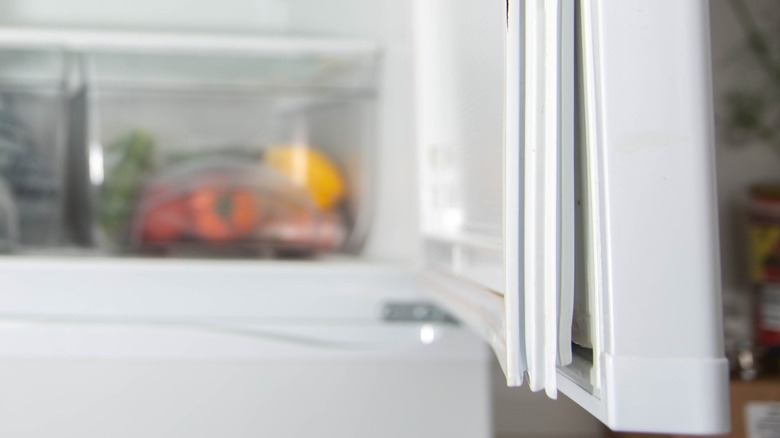
Door seals keep the cold air inside your fridge and the warm air out. If you notice cracks, tears, or gaps in the seals, your refrigerator has to work harder to maintain the right temperature. This not only wastes energy but can also cause uneven cooling.
Try the paper test: close the door on a piece of paper and pull it out gently. If the paper slides out easily, the seal isn’t tight enough. Replacing damaged seals can improve efficiency and extend your fridge’s life.
Rust And Corrosion
Rust spots or corrosion on the fridge’s exterior or interior parts are warning signs. These can indicate moisture buildup or leaks, which may damage the appliance’s components over time. Rust can also weaken the structure of the fridge, leading to more serious issues.
Check the bottom edges, door hinges, and inside shelves for any signs of rust. If you spot corrosion, it’s a good idea to address the source of moisture and consider professional help to prevent further damage. Have you ever ignored small rust spots only to face bigger problems later?
When To Call A Professional
Knowing when to call a professional for your refrigerator saves time and money. Some issues need expert care to avoid bigger problems. Early action can prevent food spoilage and reduce repair costs.
Troubleshooting Steps
Start by unplugging the fridge for five minutes. Plug it back in and listen for unusual sounds. Check if the door seals are tight and clean. Look for frost buildup or water leaks inside. Make sure the temperature settings are correct. If the fridge still does not cool properly, it may need a professional inspection.
Repair Vs Replacement
Consider the fridge’s age and repair costs. Small fixes like replacing a seal or thermostat are often worth it. Major parts like compressors can be expensive to replace. If repair costs approach half the price of a new fridge, replacement might be better. New models save energy and work more efficiently.

Credit: www.oliverdyersappliance.com
Frequently Asked Questions
How Can I Tell If My Refrigerator Is Failing?
If your fridge isn’t cooling properly, makes loud noises, or has frost buildup, it may be failing. Frequent temperature fluctuations and increased energy bills are also warning signs to watch for.
Why Is My Refrigerator Running But Not Cooling?
This usually happens due to a dirty condenser coil, faulty compressor, or a problem with the thermostat. Check these components and clean coils to improve cooling efficiency.
What Causes Strange Noises From A Refrigerator?
Unusual sounds often come from a failing compressor, worn-out fan motor, or loose parts. Regular maintenance can prevent these noises and extend your fridge’s lifespan.
How Long Does A Refrigerator Typically Last?
Most refrigerators last between 10 to 20 years. Proper maintenance can help maximize their lifespan and delay costly repairs or replacements.
Conclusion
A refrigerator showing strange noises or warm spots may need help. Frequent frost build-up or water leaks are warning signs too. Acting early can save food and money. Check your fridge often for these signs. Don’t wait until it stops working completely.
Small problems can become big ones fast. Stay aware to keep your kitchen running smoothly. Your fridge works hard; notice when it struggles. Taking quick action helps avoid surprises later. Simple steps now make a big difference.