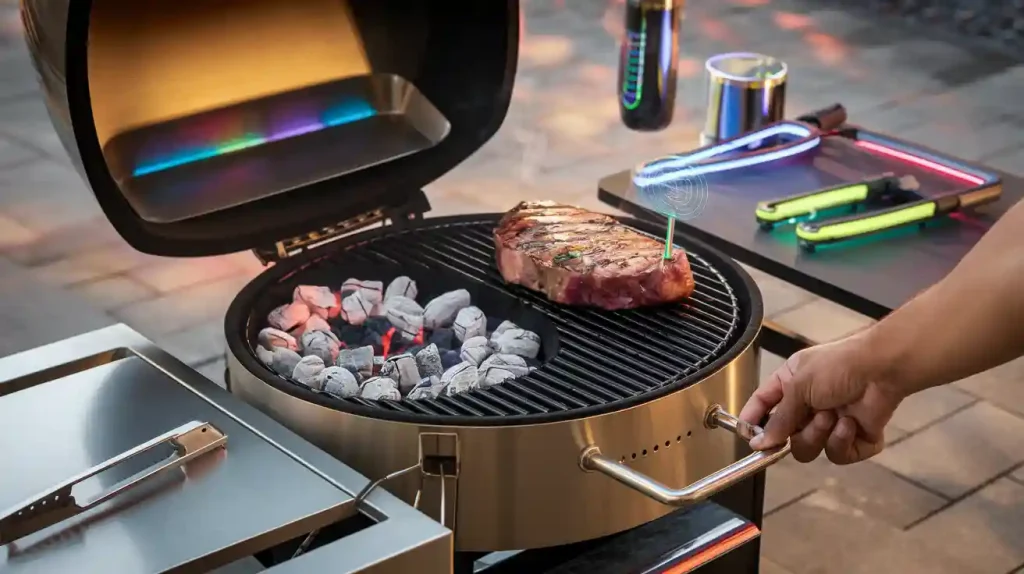
Craving that perfect sear on your steak but struggling with a charcoal grill that just won’t get hot enough? You’re not alone.
Many grill enthusiasts face this challenge, and it can be incredibly frustrating. But what if you could transform your grilling experience with just a few simple tweaks? Imagine impressing your friends and family with perfectly grilled dishes every time. In this guide, you’ll discover tried-and-true techniques to crank up the heat on your charcoal grill.
Get ready to unlock the secrets of achieving that sizzling, mouthwatering heat you’ve been dreaming about. Your grilling game is about to reach a whole new level. Keep reading to find out how!

Credit: ddrbbqsupply.com
Choosing The Right Charcoal
Making your charcoal grill hotter starts with picking the right charcoal. The type and quality of charcoal affect heat and cooking time.
Good charcoal burns hotter and longer. It also gives better flavor to your food.
Types Of Charcoal
There are two main types of charcoal: lump charcoal and briquettes. Each type burns differently and affects grill temperature.
Lump charcoal is made by burning wood without oxygen. Briquettes are made from compressed charcoal dust and other ingredients.
- Lump charcoal lights quickly and burns hotter.
- Briquettes burn more evenly and last longer.
- Lump charcoal produces less ash than briquettes.
Quality Matters
High-quality charcoal burns cleaner and hotter. Low-quality charcoal often has fillers that make it burn unevenly.
Look for charcoal that is dry and solid. Avoid charcoal that feels soft or dusty.
- Good charcoal lights faster.
- It produces less smoke and ash.
- It keeps heat steady for cooking.
Using Charcoal Briquettes Vs. Lump Charcoal
Briquettes give steady heat for a long time. They are good for slow cooking and smoking.
Lump charcoal burns hotter and faster. It is best for quick grilling and searing meat.
- Briquettes hold heat evenly but produce more ash.
- Lump charcoal burns hotter with less ash.
- Choose based on cooking style and heat needs.
Proper Charcoal Arrangement
Getting your charcoal to burn hotter depends a lot on how you arrange it. The right setup can help you control heat and cook food better.
Organizing charcoal correctly helps it burn evenly and stay hot longer. This guide shows how to arrange charcoal for the best heat.
Direct Vs. Indirect Heat Setup
Direct heat means placing charcoal under the food. This makes the grill hot for fast cooking like searing.
Indirect heat places charcoal to one side. This keeps food away from flames and cooks it slowly with less heat.
- Direct heat is good for burgers and steaks
- Indirect heat works for larger cuts and slow cooking
- You can combine both setups for flexible grilling
Creating A Charcoal Pyramid
Stack charcoal in a pyramid shape to help it catch fire quickly. This shape lets air flow and fuels the burn.
Start with a small pile, light the bottom, then add more charcoal on top. This keeps the fire burning hot and steady.
- Pyramid shape raises temperature fast
- Charcoal burns evenly from bottom to top
- Easy to add more charcoal as needed
Maximizing Airflow
Airflow feeds oxygen to the charcoal. More oxygen means hotter fire. Keep vents open to increase airflow.
Arrange charcoal loosely to allow air to move freely. Avoid packing charcoal too tight or heat will drop.
- Open bottom and top vents for good air flow
- Leave gaps between charcoal pieces
- Use a chimney starter to get air moving early
Airflow Control Techniques
Controlling airflow is key to making a charcoal grill hotter. Air feeds the fire with oxygen, helping coals burn stronger and hotter.
Using simple airflow methods can raise the temperature and improve cooking results on your grill.
Adjusting Vents
Vents control how much air enters and exits your grill. Open vents allow more oxygen, which fuels the fire and raises heat.
- Open the bottom vents to let air in under the coals.
- Open the top vents to let hot air and smoke escape.
- Close vents partially to slow the fire and lower heat.
- Adjust vents slowly to find the right temperature for cooking.
Using A Chimney Starter
A chimney starter lights charcoal evenly and quickly. It uses air flow from the bottom to ignite the coals.
| Chimney Starter Feature | Benefit |
|---|---|
| Open bottom vent | Allows air to feed the fire from below |
| Metal cylinder shape | Focuses heat and air to light coals fast |
| Handles | Safe to hold while coals light |
Once coals are hot and covered in gray ash, pour them into the grill for high heat cooking.
Avoiding Overcrowding
Too many coals packed together reduce airflow and lower heat. Spread coals evenly for better oxygen flow.
- Leave space between coals for air to move freely.
- Use fewer coals if the grill is small.
- Arrange coals in a single layer or pile for direct heat.
- Avoid stacking coals too high to keep fire hot.

Credit: www.siuhaau.com
Fuel Management Tips
Keeping your charcoal grill hot needs good fuel control. Managing charcoal and fire starters helps maintain strong heat during cooking.
Learn simple ways to add charcoal, use fire starters safely, and avoid wet charcoal. These tips improve your grill’s heat and cooking results.
Adding Charcoal During Cooking
Adding charcoal while cooking keeps the fire hot for longer. Place new charcoal around the edges to avoid flames that burn food.
- Use hot charcoal to add more fuel.
- Arrange new charcoal on the sides of the grill.
- Let the new charcoal catch fire before moving food closer.
- Avoid adding too much charcoal at once to keep temperature steady.
Using Fire Starters Safely
Fire starters help light charcoal quickly. Use them carefully to avoid flare-ups and bad smells.
| Fire Starter Type | Safety Tip |
| Natural wax cubes | Place under charcoal, light away from wind |
| Electric starters | Unplug after charcoal glows red |
| Lighter fluid | Use small amounts, wait before lighting |
Avoiding Damp Or Wet Charcoal
Wet charcoal is hard to light and produces less heat. Store charcoal dry to keep your grill hot and burning well.
- Keep charcoal in sealed containers.
- Store charcoal in a dry place away from rain.
- Check bags for holes or tears before buying.
- Use dry charcoal for fast and strong heat.
Enhancing Heat With Accessories
Making a charcoal grill hotter can improve cooking speed and food flavor. Certain accessories help keep the heat focused and steady. These tools work by controlling airflow and reflecting heat back to the food.
Using the right accessories can turn your charcoal grill into a more efficient cooking machine. This guide covers heat deflectors, reflective surfaces, and grill covers or shields.
Using Heat Deflectors
Heat deflectors block direct flames and spread heat evenly across the grill. They reduce hot spots and help cook food more gently. You can use metal plates or ceramic stones as deflectors.
- Place the deflector between charcoal and cooking grate
- Choose thick, heat-resistant materials
- Keep it clean to maintain heat flow
- Use deflectors to create indirect cooking zones
Reflective Surfaces
Reflective surfaces bounce heat back toward the food. They prevent heat loss through the grill walls. Aluminum sheets or foil can serve as reflective liners inside the grill.
| Material | Reflectivity | Durability |
| Aluminum Foil | High | Low |
| Aluminum Sheet | Very High | High |
| Stainless Steel | Medium | Very High |
Grill Covers And Shields
Grill covers and shields trap heat inside the cooking area. They reduce air flow that cools down the charcoal. Using a lid or shield helps maintain higher temperatures for longer times.
- Use a tight-fitting lid to keep heat in
- Install wind shields to block cold air
- Choose covers made from heat-resistant materials
- Check vents to control airflow without losing heat

Credit: www.siuhaau.com
Maintenance For Consistent Heat
Keeping your charcoal grill hot needs regular care. Proper maintenance helps keep the heat steady.
Cleaning and checking your grill often improves cooking results and extends its life.
Cleaning Ash And Debris
Ash and leftover debris block airflow and reduce heat. Remove ash after each use.
Use a metal scoop or brush to clear ash from the bottom and vents of the grill.
- Wait for the grill to cool before cleaning
- Empty ash catcher or bowl completely
- Brush off leftover food and grease
- Check and clear air vents for good airflow
Inspecting Grill Components
Check all parts of your grill for damage or wear. Broken parts can reduce heat control.
Look at the grate, vents, charcoal grate, and lid for cracks, rust, or loose pieces.
- Tighten any loose screws or bolts
- Replace rusted or cracked grates
- Ensure vents open and close smoothly
- Check that the lid fits well to keep heat in
Seasoning The Grill Grates
Seasoning your grill grates helps stop food from sticking. It also protects metal from rust.
Apply a thin layer of cooking oil to the grates before and after cooking. Heat the grill to bake it in.
- Clean grates thoroughly before seasoning
- Use a high smoke point oil like vegetable or canola
- Heat the grill for 15 minutes after oiling
- Repeat seasoning regularly for best results
Frequently Asked Questions
How Can I Increase Charcoal Grill Heat Quickly?
To increase heat fast, add more charcoal and arrange it tightly. Use a chimney starter to light coals evenly. Open air vents fully to boost oxygen flow. This fuels combustion, raising grill temperature efficiently and effectively.
What Role Do Air Vents Play In Grill Temperature?
Air vents control oxygen supply to charcoal. More oxygen means hotter fire. Opening vents fully increases airflow, intensifying heat. Closing vents reduces oxygen, cooling the grill. Adjust vents carefully to maintain desired cooking temperature.
Does Adding Lighter Fluid Make The Grill Hotter?
Lighter fluid helps ignite charcoal but doesn’t sustain heat. It can cause flare-ups and uneven burning if overused. For consistent heat, use a chimney starter or natural fire starters instead. Avoid excessive lighter fluid for safety and better heat control.
How Does Charcoal Arrangement Affect Grill Temperature?
Pile charcoal in a mound or pyramid to concentrate heat. Spread coals evenly for moderate, consistent heat. Closer coals create higher temperatures, ideal for searing. Proper arrangement ensures efficient burning and optimal cooking temperatures.
Conclusion
Making a charcoal grill hotter is easier than you think. Use good charcoal and arrange it well. Add air by opening vents or fanning the fire. Avoid using too much lighter fluid. Keep the grill clean for better heat flow.
Remember, patience helps the coals burn strong. Try these tips for hotter, tastier grilling every time. Enjoy your cooking and the delicious results!