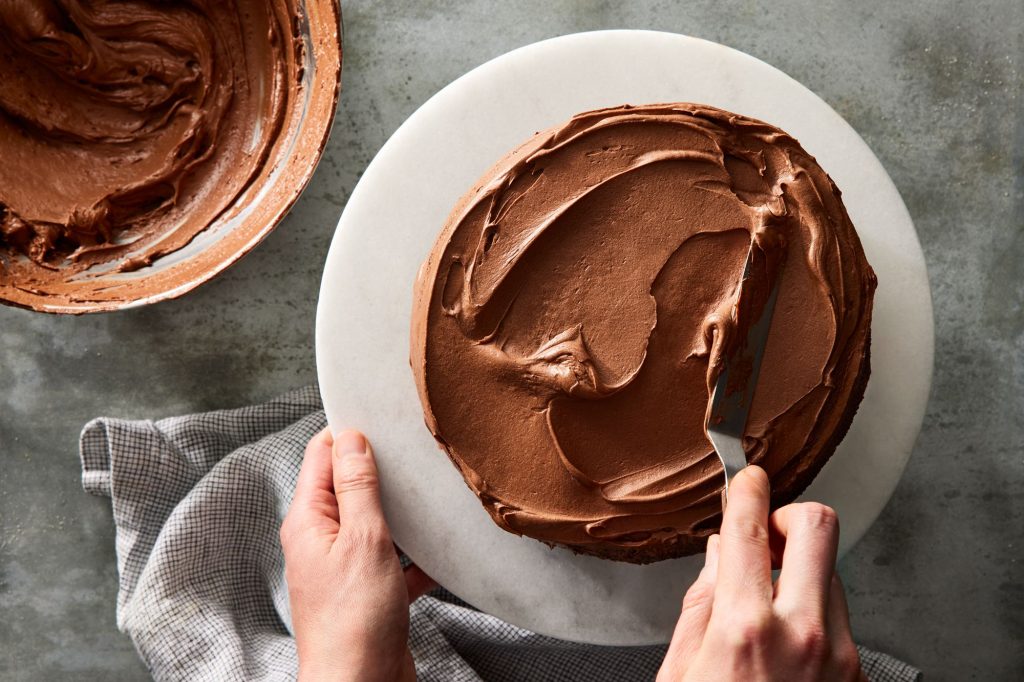
Are you looking to add a rich, delicious touch to your cakes and cookies? Making brown icing at home is easier than you think, and it brings a warm, caramel-like flavor that will impress everyone.
Whether you want to perfect your baking skills or simply try something new, this guide will show you exactly how to make smooth, tasty brown icing with simple ingredients. Keep reading, and you’ll discover tips that make your treats look and taste amazing every time.

Credit: www.twosisterscrafting.com
Ingredients For Brown Icing
Knowing the right ingredients for brown icing can make all the difference in your baking. The perfect brown icing balances sweetness with a rich, deep color and flavor that enhances any dessert. Let’s break down what you’ll need to get that ideal brown shade and delicious taste.
Essential Components
- Powdered Sugar:The base of most icings, it gives sweetness and smooth texture.
- Butter:Adds creaminess and helps the icing hold its shape. Use softened butter for easy mixing.
- Milk or Cream:Thins the icing to the right consistency. You can adjust the amount to get thicker or thinner icing.
- Brown Sugar or Molasses:These are key to achieving that brown color and a hint of caramel flavor. Molasses gives a stronger taste, while brown sugar is milder.
- Vanilla Extract:Enhances the flavor and rounds out the sweetness.
Have you ever thought about how a small change in one ingredient affects your icing’s texture and taste? For instance, swapping white sugar for brown sugar can deepen the flavor and color instantly.
Optional Add-ins
- Cocoa Powder:For a chocolate twist and darker color, add a spoonful or two.
- Cinnamon or Nutmeg:These spices add warmth and complexity to your icing.
- Instant Coffee or Espresso Powder:A tiny pinch intensifies the brown color and adds a subtle coffee flavor, boosting the overall taste.
- Salt:Just a pinch balances the sweetness and enhances the other flavors.
Wondering which add-ins suit your dessert best? Try small batches with different flavors to discover what excites your taste buds the most. Your perfect brown icing is just a few ingredients away.

Credit: www.twosisterscrafting.com
Choosing The Right Brown Sugar
Choosing the right brown sugar is a crucial step in making perfect brown icing. It directly influences the icing’s texture, flavor, and color. Understanding the differences between light and dark brown sugar can help you decide which one suits your recipe best.
Light Vs Dark Brown Sugar
Light brown sugar contains less molasses, giving it a milder flavor and a lighter color. Dark brown sugar has a higher molasses content, resulting in a richer taste and deeper color. Both types can be used for brown icing, but your choice depends on the flavor intensity you want to achieve.
Think about the kind of dessert you’re pairing the icing with. For delicate cakes, light brown sugar offers a subtle sweetness that won’t overpower the other flavors. If you want a bold, caramel-like taste for richer desserts, dark brown sugar is the better pick.
Impact On Flavor And Color
The molasses in brown sugar not only adds moisture but also enhances the icing’s flavor profile. Using dark brown sugar will give your icing a stronger, almost toffee-like flavor, while light brown sugar keeps it more neutral and sweet.
The color of your icing changes noticeably with the type of brown sugar used. Dark brown sugar creates a deeper, more intense brown shade, which can add visual appeal to certain baked goods. Light brown sugar produces a softer, more golden hue, perfect for delicate or pastel-themed treats.
Have you ever wondered how a simple swap between light and dark brown sugar could transform your icing? Try both types in small batches to taste the difference yourself. This hands-on approach will give you better control over your final creation.
Basic Brown Icing Recipe
Brown icing is made by mixing powdered sugar, cocoa powder, butter, and a little milk. Stir until smooth and creamy for a rich, chocolatey topping. Adjust milk to get the right thickness for spreading or piping.
Creating the perfect brown icing can truly elevate your baked goods, adding both a rich flavor and a pleasing visual appeal. Whether you’re decorating a cake or crafting intricate cookies, mastering a basic brown icing recipe is essential. This guide will take you through each crucial step, ensuring you achieve that ideal texture and taste.Mixing Dry Ingredients
Start by gathering your dry ingredients: powdered sugar and a touch of cocoa powder. The cocoa powder is the key player here, offering that delectable brown hue and a hint of chocolate flavor. Sift these together in a large bowl to eliminate any lumps. This simple step ensures a smooth icing texture, which is vital for an even spread or intricate piping.Incorporating Wet Ingredients
Add softened butter and a splash of vanilla extract to the dry mix. These ingredients not only enrich the icing with flavor but also help achieve a creamy consistency. Gradually pour in milk or cream while mixing. You might wonder, what’s the right amount? Start with a tablespoon and add more if needed. This prevents the icing from becoming too runny.Achieving Desired Consistency
The consistency of your icing determines its versatility. Are you aiming for a thicker spread for a cake or a thinner drizzle for cookies? Adjust the texture by adding more powdered sugar to thicken or more milk to thin it out. Remember, small adjustments can make a big difference. Taste and tweak until you’re satisfied. A perfect brown icing is not just about looks; it should tantalize the taste buds as well. So, what’s your next baking project? Now equipped with this basic brown icing recipe, you have the power to turn any sweet creation into a masterpiece.Tips For Smooth Frosting
Getting the perfect smooth brown icing can feel tricky, but a few simple tips can make a huge difference. Smooth frosting not only looks professional but also spreads easily and tastes better. Let’s dive into some practical advice to help you achieve that flawless finish every time.
Avoiding Lumps
Lumps in your icing usually come from dry ingredients not mixing well. Always sift your cocoa powder and powdered sugar before adding them. This step helps prevent clumps that can ruin the texture.
Mix slowly at first to combine the ingredients gently, then increase speed to whip out any remaining lumps. If you still see lumps, use a fine mesh strainer or a hand mixer for a few extra seconds. Have you ever tried adding a splash of milk gradually? It can help smooth out the mixture without making it runny.
Adjusting Thickness
Brown icing can sometimes be too thick or too thin, which affects how it spreads. If your icing feels stiff, add a teaspoon of milk or warm water at a time until it loosens up. Stir gently after each addition to avoid over-thinning.
If it’s too runny, sprinkle in a little more powdered sugar. Keep testing the consistency by spreading a small amount on a plate—does it hold shape but still glide smoothly? That’s your sweet spot.
Temperature Considerations
The temperature of your ingredients and kitchen matters more than you might think. Cold butter or chocolate can cause the icing to seize or become grainy. Let your butter sit at room temperature until soft but not melted.
Warm your mixing bowl slightly if your kitchen is chilly. I’ve noticed that even a few degrees difference can help the ingredients blend seamlessly. How does your kitchen temperature affect your baking? Paying attention here can save you frustration later.
Flavor Variations
Brown icing offers a rich, buttery base that welcomes a variety of flavor twists. Experimenting with different additions can transform your icing from simple to spectacular. Here are some ways you can customize your brown icing to suit your taste and occasion.
Adding Spices
Spices can add warmth and depth to your brown icing. Try mixing in cinnamon, nutmeg, or even a pinch of cloves for a cozy, autumnal flavor. A small amount goes a long way, so start with ¼ teaspoon and adjust to taste.
Have you ever tasted icing that reminded you of your favorite holiday dessert? Spices can evoke those memories and make your treats more memorable.
Using Extracts
Extracts are an easy way to boost flavor without changing the texture of your icing. Vanilla is classic, but almond, coffee, or even maple extract can add surprising layers of taste. Add about ½ teaspoon and taste before adding more, as extracts can be potent.
Think about the flavor profile of your cake or cookies—does a hint of coffee extract enhance a chocolate cake? Sometimes a small twist is all you need to elevate your dessert.
Incorporating Nuts Or Cocoa
Adding finely chopped nuts like pecans or walnuts can introduce a delightful crunch and a nutty note to your icing. Alternatively, a tablespoon of cocoa powder can deepen the chocolate flavor without overwhelming the brown sugar base.
Consider texture and balance—do you want a smooth finish or a bit of bite? Mixing these elements thoughtfully can make your icing stand out.
Applying Brown Icing
Applying brown icing is a simple process that can enhance any baked treat. The right tools and techniques create a smooth, even finish. Proper storage keeps the icing fresh for later use. Let’s explore how to apply brown icing like a pro.
Tools For Spreading
Choose the right tools for easy application. A flat spatula or butter knife works well for spreading. Use a piping bag for detailed designs. A small offset spatula helps reach corners and edges. Clean tools prevent lumps and uneven texture.
Techniques For Even Coverage
Start with a small amount of icing in the center of your cake. Spread outward using gentle, smooth strokes. Keep your hand steady and use light pressure. Work quickly before the icing sets. For a glossy finish, dip your spatula in warm water and smooth the icing gently.
Storing And Reusing
Store leftover brown icing in an airtight container. Keep it in the refrigerator to maintain freshness. Before reuse, bring it back to room temperature. Stir well to restore smoothness. Avoid freezing as it can change the texture.
Common Mistakes To Avoid
Making brown icing can be straightforward, but certain mistakes can quickly turn your perfect batch into a sticky or grainy mess. Avoiding these common errors will save you time and frustration, and ensure your icing turns out smooth, rich, and delicious every time. Let’s look at the pitfalls you should watch out for during the process.
Overmixing
It’s tempting to mix your icing until it looks perfectly smooth, but overmixing can introduce too much air. This often results in a fluffy texture that’s hard to spread evenly and can cause the icing to collapse or separate later. Try mixing just until the ingredients come together and the texture looks creamy—stopping early can actually give you a better finish.
Incorrect Sugar Ratios
The balance of sugars affects both the taste and texture of brown icing. Using too much powdered sugar can make the icing too stiff and overly sweet, while too little leaves it runny and lacking structure. Have you measured your sugar carefully? Even slight changes can throw off the consistency, so stick to the recipe’s ratios or adjust in small increments.
Storage Errors
Storing brown icing improperly can ruin your hard work. Leaving it uncovered or at room temperature for too long causes it to dry out or become grainy. Always keep your icing in an airtight container and refrigerate if you’re not using it immediately. When ready to use, bring it back to room temperature and give it a gentle stir to restore its smoothness.

Credit: www.cleverlysimple.com
Frequently Asked Questions
How Do You Make Brown Icing At Home?
To make brown icing, mix powdered sugar with cocoa powder, butter, and a little milk. Stir until smooth and creamy. Adjust sweetness or consistency by adding more sugar or milk as needed.
What Ingredients Create The Perfect Brown Icing Color?
The perfect brown icing color comes from combining cocoa powder and butter. Cocoa powder gives a rich chocolate hue, while butter adds creaminess and a slight golden tint.
Can Brown Icing Be Made Without Cocoa Powder?
Yes, brown icing can be made using melted chocolate instead of cocoa powder. Use powdered sugar, butter, and a small amount of milk for the right consistency and sweetness.
How Do You Adjust Brown Icing Consistency?
To thin brown icing, add milk one teaspoon at a time. To thicken, add more powdered sugar gradually until you reach the desired texture.
Conclusion
Making brown icing is simple and fun. Just mix sugar, butter, and a bit of cocoa or molasses. You can adjust the taste by adding more or less cocoa. This icing works well on cakes, cupcakes, and cookies. Try it out and enjoy the rich, sweet flavor it brings.
Baking becomes more enjoyable with easy recipes like this. Give it a try and see how delicious your treats become!