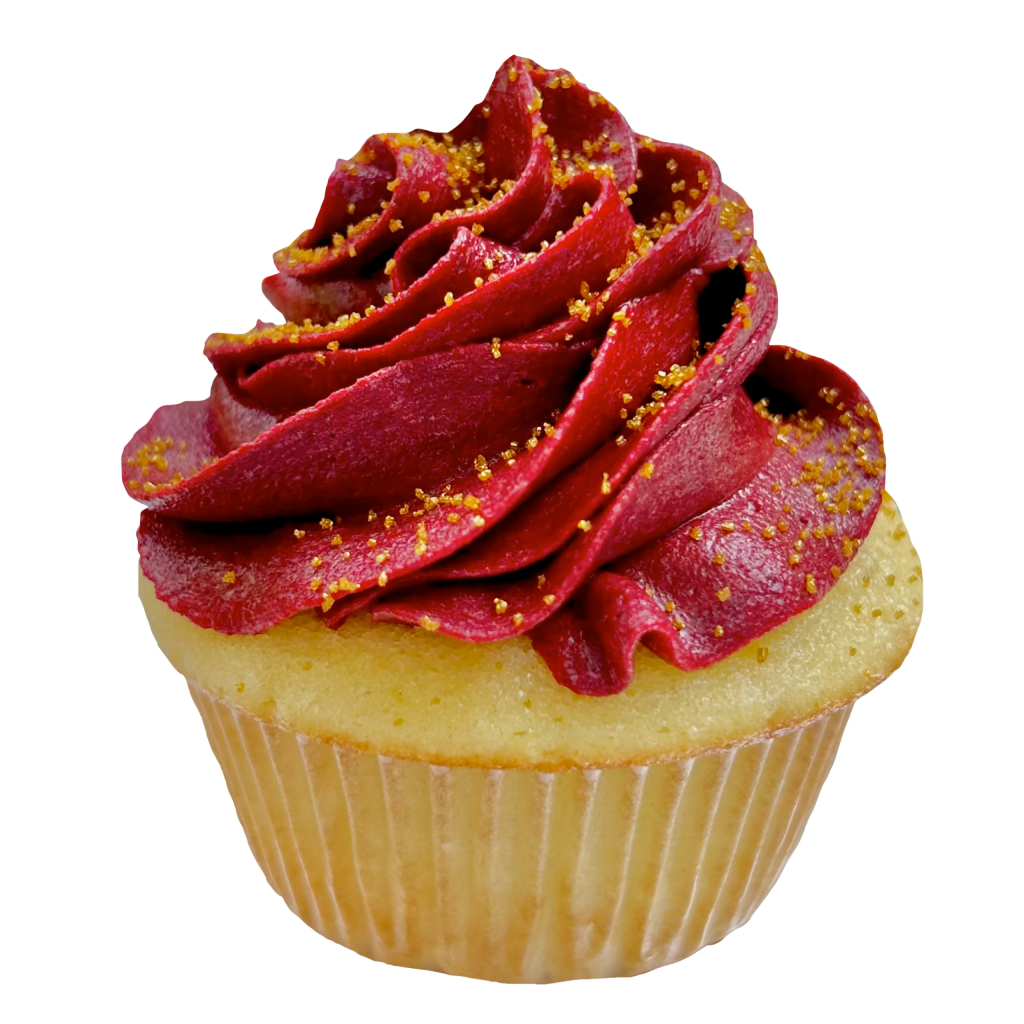
Are you looking to add a rich, elegant touch to your cakes and cupcakes? Burgundy icing can do just that, giving your baked goods a deep, beautiful color that stands out.
But how do you make this stunning shade without any guesswork? You’ll discover simple steps to create perfect burgundy icing every time. Whether you’re a beginner or a seasoned baker, you’ll find tips that make the process easy and enjoyable.
Ready to transform your desserts into showstoppers? Let’s dive in and get started!
Ingredients For Burgundy Icing
Burgundy icing needs powdered sugar, butter, and milk for a smooth base. Red and blue food coloring create its rich, deep color. Mixing these ingredients well gives a creamy, vibrant frosting perfect for cakes.
Creating the perfect burgundy icing is an art that begins with choosing the right ingredients. Achieving that deep, rich hue requires careful selection of the right base, food coloring, and additional enhancers. Let’s dive into the essentials you need to craft the ideal burgundy icing for your next baking masterpiece.Choosing The Right Base
The base of your icing sets the stage for color blending. A buttercream or cream cheese icing works best due to their neutral tones and creamy textures. These bases allow the colors to mix evenly, giving you a smooth, consistent finish. Imagine the contrast of a deep burgundy against a white cake. It’s important to start with a base that supports this vision.Selecting Food Coloring Types
Not all food colorings are created equal. Gel food coloring is preferred for its intense pigment and minimal effect on icing consistency. It provides vibrant colors without watering down your icing, unlike liquid food colors. Consider this: A few drops of gel can achieve a rich hue that might require half a bottle of liquid coloring. This makes gels both cost-effective and efficient.Additional Color Enhancers
Sometimes, achieving the perfect burgundy requires a bit more than just red and blue. Adding a touch of black or even brown can deepen the color, creating a more sophisticated shade. Experiment with small batches. Mix a tiny amount of black into your red and blue blend to see how it transforms. Remember, achieving the perfect burgundy is about patience and creativity. You might find a surprising combination that becomes your secret ingredient. What unique tweaks will you try to make your burgundy icing stand out?
Credit: bakingbutterlylove.com
Mixing Colors To Achieve Burgundy
Mixing colors to achieve the perfect burgundy icing involves understanding how different shades combine. Burgundy is a deep, rich red with hints of purple and brown. Creating this color requires careful blending of primary and secondary colors. Small adjustments make a big difference in the final shade.
Combining Red And Blue Shades
Start with a bright red base. Add small amounts of blue to create a deeper, cooler tone. Use a toothpick to mix in blue gradually. Stop adding blue once you reach a dark red with a purple tint. Too much blue can turn the color purple, so add slowly.
Adjusting With Brown And Purple
Mix in brown to warm up the color and add depth. Brown tones make the burgundy richer and more natural. Add a drop of purple to enhance the red-violet shade. Purple can make the color more vibrant. Use tiny amounts to avoid overpowering the red base.
Balancing Intensity And Hue
Check the color in natural light to see true tones. If the color looks too bright, add a little more brown or blue. For a brighter burgundy, add a touch of red. Stir well and test on a small surface. Keep mixing until the color matches your desired shade.
Step-by-step Coloring Process
Creating the perfect burgundy icing requires more than just mixing red and purple colors. The process is about patience and precision, allowing you to achieve that deep, rich tone without overpowering your sweet creation. Let’s walk through the coloring process, so you can make your icing look as delicious as it tastes.
Preparing The Icing Base
Start with a smooth, white icing base. Buttercream or royal icing works best because their neutral color helps the burgundy shade pop. Make sure your icing is at a spreadable consistency—thick enough to hold shape but soft enough to mix colors evenly.
If your base is too stiff, the colors won’t blend well. Too soft, and the icing might run or lose texture. Adjust by adding a little powdered sugar or a few drops of liquid, depending on your recipe.
Adding Colors Gradually
Use gel food coloring for vibrant results without thinning your icing. Begin by adding a small amount of red color, mixing thoroughly before moving on. Burgundy isn’t just red; it’s red with a touch of purple and sometimes a hint of brown.
- Add tiny amounts of purple next—less than the red.
- Mix well after each addition to see the true color developing.
- Consider a drop of brown if the shade feels too bright or artificial.
Adding colors slowly helps you control the tone. Have you ever rushed and ended up with a shade too dark or too bright? Taking your time avoids that frustration.
Testing And Tweaking The Shade
After mixing, test the color by spreading a small amount on a white plate or parchment paper. The color often looks different once it dries, so give it a few minutes. Check if it matches your idea of burgundy or if it needs adjustment.
If the color is too light, add more red or purple in small amounts. Too dark? Blend in a bit of white icing to lighten the shade without losing vibrancy. Remember, slight tweaks can make a big difference.
Don’t be afraid to experiment. Each batch might need a unique mix, depending on your ingredients and lighting. What shade of burgundy will you create for your next masterpiece?
Tips For Smooth And Even Icing
Smooth and even burgundy icing doesn’t just happen by chance. It requires attention to detail and a few key techniques to get that perfect finish every time. Let’s look at how you can avoid common pitfalls and achieve a flawless color and texture.
Avoiding Color Streaks
Color streaks often appear when the food coloring isn’t fully blended into the icing. To prevent this, add the coloring gradually and mix after each addition. Using gel or paste food coloring instead of liquid helps you control the shade without thinning the icing.
Have you ever noticed streaks even after mixing? Try folding the color into the icing with a spatula before whipping it with a mixer. This helps distribute the pigment evenly and reduces air bubbles that cause streaks.
Maintaining Consistency
Consistency is key for smooth spreading and clean edges. If your icing is too thick, it won’t spread well; too thin, and it will run off the cake. Aim for a texture similar to soft toothpaste—thick enough to hold shape but still easy to spread.
Adding small amounts of milk or water can thin the icing, while powdered sugar thickens it. Keep a little extra powdered sugar nearby to adjust as you go. What’s your go-to trick when the icing feels off? I find that chilling the icing for a few minutes can also firm it up without drying it out.
Proper Mixing Techniques
Mixing your icing correctly impacts both texture and color. Start by beating your base ingredients on low speed to avoid incorporating too much air. Then increase the speed gradually for a smooth, creamy finish.
Overmixing can cause the icing to become too soft and lose its structure. Stop mixing as soon as the color is uniform and the texture is creamy. Have you tried scraping down the sides of your bowl regularly? It ensures even mixing and prevents uneven patches in the final icing.
Common Mistakes To Avoid
Making burgundy icing can be a fun and creative process, but it’s easy to slip up if you’re not careful. Mistakes during coloring or mixing can turn your beautiful shade into something dull or uneven. Avoiding these common errors will help you achieve that perfect rich burgundy every time.
Using Too Much Coloring
Adding too much food coloring is a common pitfall. Burgundy requires just a few drops of red and a touch of blue or purple to get that deep, elegant hue. If you keep adding color hoping to get darker faster, you risk making the icing taste bitter or runny.
Try adding color gradually, and always test the shade on a small amount of icing first. Have you ever ended up with icing that looks more like a bruise than burgundy? That’s usually from over-coloring.
Ignoring Drying Time
Patience is key with burgundy icing. Once applied, it needs enough time to dry properly. Rushing to decorate too soon can cause smudges and uneven texture.
Set aside at least a couple of hours, depending on humidity and thickness. Remember, your icing will look its best when it’s fully set and firm to the touch.
Overmixing Or Undermixing
Both overmixing and undermixing can ruin your icing’s texture and color consistency. Overmixing introduces too much air, making the icing fluffy and hard to spread smoothly.
On the other hand, undermixing leaves streaks of color and lumps. Mix just until the color is fully blended and the texture is smooth. Have you felt frustrated by uneven color patches? That’s usually because the icing wasn’t mixed enough.
Credit: cakewhiz.com
Storing And Using Burgundy Icing
Storing and using burgundy icing properly keeps its rich color and smooth texture. This icing adds a deep, elegant touch to cakes and cupcakes. Careful storage prevents it from drying out or losing its vibrant shade. Using the right techniques ensures perfect decorating results every time.
Best Storage Practices
Store burgundy icing in an airtight container to keep it fresh. Keep it in the refrigerator if you don’t plan to use it soon. Let the icing reach room temperature before use. Stir gently to restore smoothness if it thickens. Avoid freezing, as it can change the texture and color.
Reactivating Color If Needed
Sometimes, burgundy icing may look dull after storage. Mix a small amount of red or purple food coloring to revive the color. Use gel food coloring for a more intense shade without changing texture. Add color gradually to avoid making it too dark. Stir well to blend the new color evenly.
Application Tips For Cakes And Cupcakes
Use a spatula or piping bag for smooth, even coverage. For cakes, spread icing in thin layers to avoid clumps. Chill the cake briefly between layers for easier application. On cupcakes, swirl the icing with a piping tip for a neat finish. Work quickly to prevent the icing from drying out.

Credit: www.hobbycraft.co.uk
Frequently Asked Questions
What Ingredients Do I Need For Burgundy Icing?
You need powdered sugar, butter, milk, vanilla extract, and red food coloring. Mix red and a small amount of blue food coloring to achieve the burgundy shade.
How Do I Get The Perfect Burgundy Color?
Start with red food coloring, then add a drop of blue. Mix gradually until you reach the desired deep burgundy hue.
Can I Use Natural Food Coloring For Burgundy Icing?
Yes, beet juice or pomegranate concentrate can create a natural burgundy tint. These options offer a healthier alternative to artificial dyes.
How Do I Adjust Icing Consistency For Piping?
Add milk slowly to thin your icing for smooth piping. For thicker icing, add more powdered sugar to hold shape better.
Conclusion
Burgundy icing adds a rich, deep color to your cakes and cupcakes. Making it at home is simple and fun. Use basic ingredients like powdered sugar, butter, and red food coloring. Adjust the color slowly until you get the perfect shade.
This icing works great for many occasions and flavors. Try it on your next baking project for a beautiful, tasty finish. Enjoy the process and the lovely results!